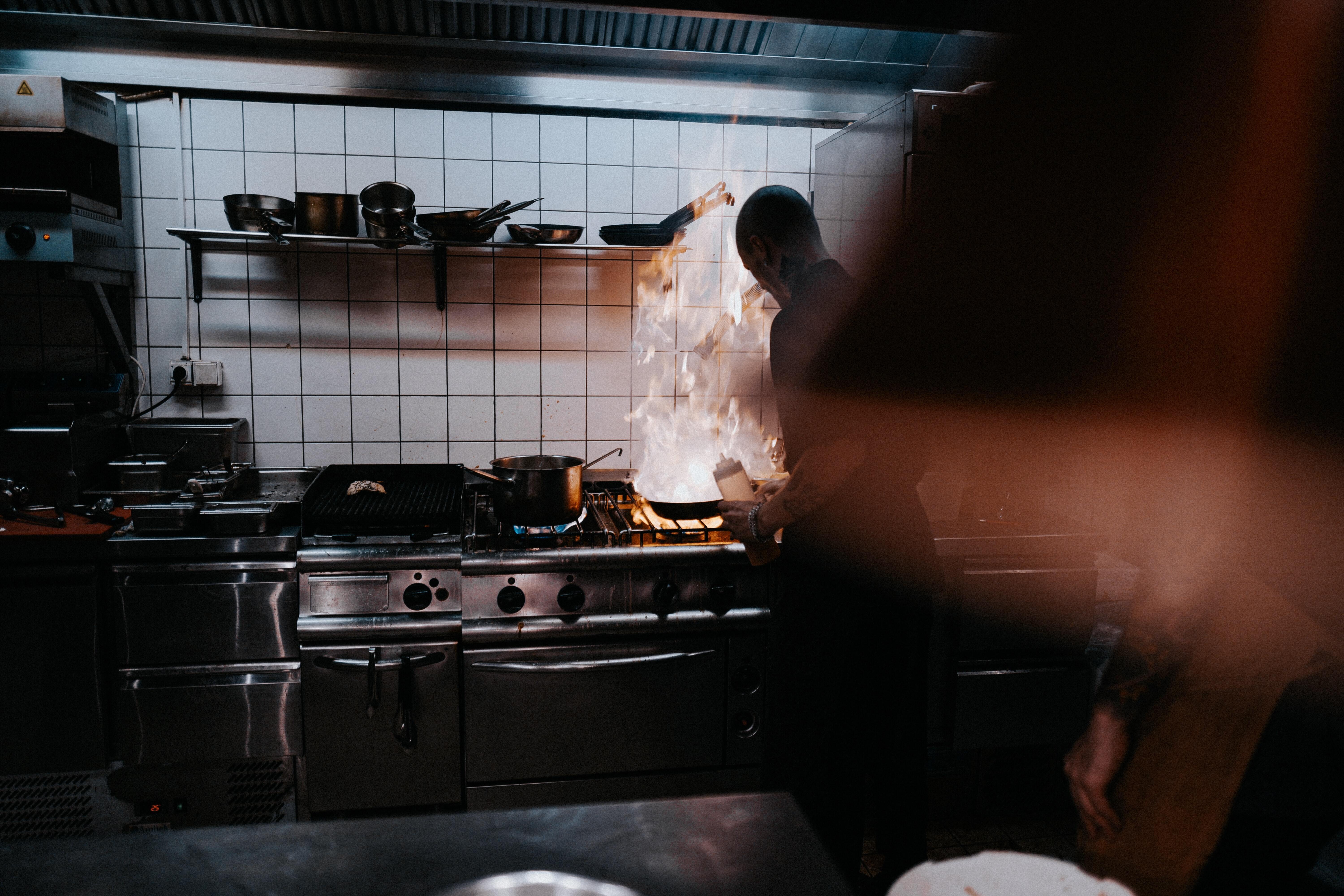
How to Write a UK Ghost Kitchen Business Plan
There's nothing spooky about this ghost kitchen business plan for ghost kitchens in the UK. Just strategic tips and tricks to get you started.
Author
Ready to bring your ghost kitchen vision to life? Whether you’re launching a delivery-only restaurant or diversifying an existing brand, having a clear, compelling business plan is your first step toward success.
Ghost kitchens, often called “dark kitchens” in the UK, are gaining traction as cost-effective, delivery-focused models.
This guide breaks down everything your plan should cover — from team structure to menu logistics, and includes a free downloadable template to help you get started.
Why You Need a Business Plan
Without a dining room or foot traffic, ghost kitchens succeed (or fail) based on planning. That includes your menu, delivery model, kitchen setup, and digital presence. A strong business plan does three critical things:
It helps secure funding from banks, investors, or the British Business Bank
It acts as a roadmap for pricing, staffing, tech, and branding
It proves you’re not just testing a concept — you’ve built a strategy
And the market is hungry. According to the Toast Consumer Preferences Survey 2025, in which 200 UK consumers were polled on their restaurant preferences, 94% of UK diners now dine out or order takeaway once a week or more.
What to Include in Your Ghost Kitchen Business Plan
1. Executive Summary
Kick off with a high-level view of your concept. What type of cuisine are you offering? Who are you serving — city-centre lunch crowds, students in Manchester, or families in the suburbs? Be clear, confident, and concise.
2. Company Overview
Detail your business structure — whether you’re a sole trader, limited company, or partnership. Share your location plans (commercial kitchen, co-working space, or your own setup) and your intended delivery radius.
Pro Tip: With no dine-in space, your online presence is your storefront. Be sure to weave in your brand story — why your kitchen exists and what makes it memorable.
3. Team and Management
You may be starting lean, but roles still matter. Outline your hiring strategy, staff structure, wage plans, and training process.
According to the Voice of the UK Restaurant Industry report, labour and retention are top concerns for UK operators, so show how you’ll retain good people.
4. Sample Menu
Highlight dishes designed for delivery—think packaging, consistency, and prep time. Include food cost breakdowns and supplier plans.
According to the Toast Consumer Preferences Survey, UK customers are most drawn to menu variety (44.5%) and price (29%).
5. Market Analysis
Use postcode-level insights to define your audience and delivery range. Refer to trends like:
78% of UK diners say eating out is getting too expensive (Deloitte)
31% want more diverse cuisine locally (Toast Consumer Preferences Survey 2025)
57% of consumers express interest in mix-and-match options, allowing them to combine dishes from multiple cuisines in a single order (Mintel UK Foodservice Delivery and Takeaway Market Report 2024).
Also explore competitors’ pricing and use platforms like Deliveroo and Just Eat to analyse the local ghost kitchen scene.
6. Marketing and Branding Strategy
With no physical presence, your branding needs to work hard — and fast.
Make a plan for:
Instagram, TikTok, and short-form video
Local SEO and keyword use on delivery platforms
Email marketing and promotions
Check out the video below for a behind-the-scenes look at ATCHA, one of London’s busiest delivery-only dark kitchens. This video offers exclusive access to how the team prepares and delivers healthy Indian meals — all from a high-efficiency kitchen with no dine-in service.
7. Operations Plan
Describe how orders move from screen to plate. Include kitchen workflows, staffing shifts, and how your POS system connects with delivery platforms. Manual tablet juggling is still common in the UK — but integration is becoming a must.
Restaurant Business Plan Template
No matter where you’re at in your restaurant ownership journey, a business plan will be your north star. Organise your vision and ensure that nothing is overlooked with this free template.

8. Financial Plan and Forecasts
Break down expected costs and income:
Food & supplies
Labour (National Living Wage compliance)
Tech subscriptions (POS, inventory, marketing)
Contingency fund
Profit projections
Include funding sources (e.g. British Business Bank loans, private investors, personal savings) and how you plan to repay them.
Resource: Learn more about finance and support for your business on GOV.UK.
Presenting Your Plan
When it comes time to pitch, keep your deck clean, visual, and backed by real numbers.
Kick things off with a strong elevator pitch—something that sums up your ghost kitchen concept in under 30 seconds and makes people want to hear more. If you’ve already built some momentum through early sales, a social media following, or local partnerships, make sure to shout about it.
Don’t just focus on the business—bring in your team and your mission. Let your drive shine through. Want to connect with the right people? Try attending local hospitality events or webinars hosted by UKHospitality to meet investors and stay in the loop.
Final Thoughts
Ghost kitchens are redefining what it means to run a restaurant in the UK. With smart planning, strong branding, and the right tools, your concept can thrive—without ever seating a guest.
Is this article helpful?
DISCLAIMER: This information is provided for general informational purposes only, and publication does not constitute an endorsement. Toast does not warrant the accuracy or completeness of any information, text, graphics, links, or other items contained within this content. Toast does not guarantee you will achieve any specific results if you follow any advice herein. It may be advisable for you to consult with a professional such as a lawyer, accountant, or business advisor for advice specific to your situation.

Subscribe to On the line
Sign up to get industry intel, advice, tools, and honest takes from real people tackling their restaurants' greatest challenges.
By submitting, you agree to receive marketing emails from Toast. We’ll handle your info according to our privacy statement. Additional information for California residents available here.