
Coffee Shop Licences and Permits Needed in the UK
If you’ve figured out the science and art behind making great coffee and serving it to today’s customers, you’re probably ready to start your own coffee shop. But before you jump in, here are all the coffee shop licences and permits needed to start your establishment in the UK.

Author
 RESOURCE
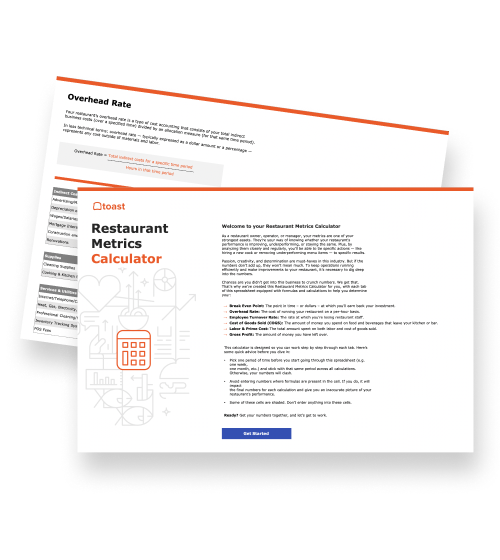
 Restaurant Metrics Calculator
Use this free calculator to calculate the key restaurant metrics needed to understand the health and success of your business.
Get Free DownloadWhile the Brits are known for their love for black tea, coffee is not any further on that list. Coffee is slowly becoming the second-best hot beverage of the UK. When starting a coffee shop, pay attention to what the market is demanding currently. This beverage culture may seem simple to crack, but there are a plethora of things you need to remember before starting a coffee shop. A great starting point is your coffee shop business plan that gives you an overview of everything you need to achieve before you can do the grand opening of your establishment.
The UK consumers are projected to spend £6.1 billion on out-of-home coffee despite the steady increase in its price since 2022. But there’s one major hurdle that you’ll want to clear before you start drafting a menu and promoting your space on social media: coffee shop licences and permits. Every licence and permit needs its own application and has a process assigned to it. The time you’d spend on getting these licences and permits also differs. So you have to ensure you have all the documents in place before starting your coffee shop.
Fret not, because we’ve created a simple guide to take you through all of them.
Restaurant Business Plan Template
No matter where you’re at in your restaurant ownership journey, a business plan will be your north star. Organise your vision and ensure that nothing is overlooked with this free template.


Subscribe to On the line
Sign up to get industry intel, advice, tools, and honest takes from real people tackling their restaurants' greatest challenges.
By submitting, you agree to receive marketing emails from Toast. We’ll handle your info according to our privacy statement. Additional information for California residents available here.
What Coffee Shop Permits Do You Need to Open a Coffee Shop?
There are at least 10 coffee shop permits you need for your coffee shop business before you can actually start your operations. This includes everything from registering your business name to health permits. Here’s a concise list for you to start with:
1. Business licence
Like every business in the UK, you will have to file a business licence for your coffee shop, too. The city you live in or your county will dictate the requirements for a business licence. This includes health and safety regulations, zoning bylaws, and other local requirements depending on the territory and municipality where you plan to operate.
How to get a business licence
Trying to collate advice on how to get a business licence in the UK from multiple sites but to no success? Start with your local city or county’s zoning website for good measure to get a quick guide to businesses like yours. Another hack would be finding the details by looking up “Your Local Town/City + Business Licence Application”.
How much does a business licence cost?
You’ll find all the expenses related to your business, including permits and licences, within the coffee shop business template. According to restauranttimes.com, you’d spend approximately £100-£1,905 for premise licences and £100 extra for serving alcohol.
2. Registering a business name for your coffee shop
Your business’s name is how potential customers will get to know you. So it’s important that you choose a coffee shop name that sounds interesting but rolls off the tongue easily, too. Depending on how you’re planning to run your coffee shop, you’ll need coffee shop licences for your business name. This will help you safeguard your property and stop people from plagiarising your concepts.
How to register a business name
Start by picking out a name that’s unique to you and your business and not already in use by someone else. Since you will be using a website or social media platforms, check if there’s a domain and username availability for it, too. Once you’ve decided on a name, you need to register it with the HM Revenue & Customs (HMRC). You can register online or by mail, providing the necessary information and details of your coffee shop.
How much does it cost to register a business name?
The cost of registering your business name is influenced by several factors like the legal structure of your business and the method of application. Currently, the standard fee for online registration is £100 or £156 if you want same-day registration. The paper application for the same is £124. Additionally, you will have to pay an annual confirmation fee of £50. This fee may change over time, so it's advisable to check the latest fee information on the Companies House website.
3. Food premises licence
Running a coffee shop on just coffee may not be a wise financial decision. So if you’re planning to add other options that include food or baked goods, you’ll need to get a food premises licence. This means you’ll have to follow all the beverage and food codes by the concerned food & health department and follow all the additional city laws.
How to get a food premises licence
Having the trust and credibility of your customers is a sure-shot way to increase profit when it comes to the hospitality industry. Hence, adding a coffee shop food premises licence would be a good idea. In order to get the licence, you’ll have to organise a visit by the Food Standards Agency so they give you their fair assessment of the establishment.
How much does it cost to get a food premises licence?
A food premises licence generally costs ~£395.40. This type of licence is typically valid for a specific time period. Once expired, you need to renew it periodically to avoid any fines. Additionally, it’s always advised to check with your local council to find exactly which permits and licences you’ll need to apply for and how much would they cost.
4. Value Added Tax (VAT) registration
If your coffee shop’s annual taxable turnover exceeds the current VAT threshold, you will need to register for VAT with HMRC. The VAT threshold is determined by HMRC and is usually reviewed annually.
How to register for VAT
All your VAT registration and remittance requirements depend on your business’s annual sales revenue. You can find all the details on the HMRC website, which is where you can file an application. Before you can apply, ensure that you have all the information about your business, current turnover, expected turnover, and banking details.
How much does it cost to register for GST/HST?
Good news: registering for VAT is generally free of charge. The fees don't apply to registration with HMRC. Instead, once registered for VAT, you will be required to charge VAT on applicable goods and services sold to customers. The VAT rates in the UK can vary depending on the type of goods or services provided. Failure to do so could result in the HMRC revoking your registration.
Additionally, after registering for VAT, you will be required to submit regular VAT returns to HMRC. Depending on the results of these returns, you may be required to make VAT payments or you may be eligible for VAT refunds.
5. Sign permit
You can have a great coffee shop, but if you don’t show the way to your customers through signage, then you’re missing out on a marketing opportunity. Every great coffee shop needs signage directing consumers towards the entrance to your business. This included open/close signs so the consumers can come and explore your establishment. They need to know if a business is providing service before they even step into it. However, before you start plastering the neighbourhood with flashing signs to show the way, you’ll need to get a sign permit approved by your local city government. Every city has its own requirements when it comes to regulating the sign’s size, location, lighting, and visibility. Adding accessibility measures to your signs can also help you build trust and welcome all kinds of customers without any mishaps.
How to get a sign permit
Browse through your local city government’s website for sign permits and regulations for a sign permit. Depending on whether you’re in a larger city or not, the permissions would change, too.
How much does a sign permit cost?
Sign permit fees vary based on the sign’s size and your location. Expect to pay at least £40 or more.
Restaurant Metrics Calculator
Use this free calculator to calculate the key restaurant metrics needed to understand the health and success of your business.
6. Coffee shop insurance
While getting insurance for your coffee shop doesn’t fall under the purview of licences and permits, it’s still a great choice to make. This prepares you for any financial emergencies that may come your way. It also provides added protection in case of any damage to the property or injury to the employees or patrons. In fact, state law often requires many types of insurance for coffee shop owners to carry.
Here are some of the coffee shop insurance policies you need to look into:
General liability insurance: It is essential for every business to have general liability insurance, especially if you have guests daily. This covers you as the owner if you, your employees, your coffee, or other food products accidentally cause harm to a patron.
Business property insurance: Takes care of the listed damages in the interior or exterior of your property.
Workers’ compensation: If you plan on hiring employees to run your coffee shop, there’s a high likelihood that provincial law requires workers’ compensation insurance on your part to keep your employees protected.
Commercial auto coverage: If your coffee shop is on wheels, you run a coffee shop truck, or you need a company automobile to transport goods, then you need commercial auto coverage. This safeguards your company vehicle in case of any accidents.
7. Food hygiene training
If you want your employees to serve food to paying guests, you need to ensure they have the right training and qualification when it comes to handling food. There are certain food hygiene and safety regulations put in place by the Food Standards Agency (FSA) to ensure consumer safety. They provide guidance on food safety and hygiene practices for food businesses in the UK. All staff involved in handling food are recommended to get food safety training when it comes to the handling and preparation of food.
When it comes to the most-common level of food hygiene training, employees in the UK are expected to comply with the Level 2 Food Hygiene and Safety course. There are a plethora of online and in-person training providers who offer this course, and it typically takes a few hours to complete. In case your employees have been with you for a long time, consider giving them refresher training to reinforce food hygiene practices. This supports keeping the staff up to date with any changes in regulations or best practices.
8. Building regulations approval
Before you set up shop, you need to look into obtaining building regulation approvals from your local authority or an approved inspector. While your employees need a health permit, so does the building of your establishment. A building control officer or an architect can work with you to ensure that you meet all the necessary health and safety requirements for your building project.
9. Liquor licence
If you have a coffee shop that also sells liquor, you’ll need an additional licence for it. While most coffee shops stick to cold brews and lattes, expanding your business to serve alcohol could be a good idea. In order to put this into process, you’ll need access to a premises licence. Check out Rosella Coffee & Wine Bar for tips to perfect the coffee shop by day, wine bar by night concept.
How to get a premises licence
The premises licence is issued by the local licensing authority, typically the local council. When it comes to serving liquor, you have to look at all the requirements related to age and the kind of liquor you’d be serving. Your application for the premises licence will need to ensure it’s covering all the aspects of serving liquor on the basis of the regulations. As a part of the application, you will have to submit an operating schedule, the types of alcohol you plan to sell, and any specific conditions you propose to ensure responsible alcohol service.
How much does a premises licence cost?
Set aside a few hundred dollars for your coffee shop’s liquor licence so you can serve liquor and cocktails without any issues. While some licences are valid indefinitely, keep in check for the ones that would need a renewal.
10. Live entertainment licence
In today’s day and age, coffee shops focus a lot on ambience, too. This means using a great sound system for in-shop music or getting live music. No matter the kind of live entertainment you’re getting, you need a licence for it. This includes hiring a solo guitarist, a slam poetry event, or a spoken word artist. The licence supports you in protecting your employees in case of adversities.
How to get a live entertainment licence
The best place to start when getting a live entertainment licence is your city’s website for all entertainment-related queries like the commission, fees, and the regulations.
How much does a live entertainment licence cost?
Your live entertainment licence cost depends on the artists you’d want to hire. Maybe you just want a solo guitarist, a small orchestra, or a full-fledged event. This also includes whether you’ll have your live entertainment inside or in the outdoor areas.
Coffee Shop Licences and Permit Laws in the UK
As highlighted in the list above, you’ll have to learn all about the licences and permits you need to protect your business, employees, and customers within the governing law. This may seem like a tedious task, but it gives your business an added edge while bringing more credibility and chances of funding and investments in the future.
The primary focus includes the quality and safety of the food and beverages you’re providing at your establishment. The primary licensing, permits, and inspections are done at a provincial and municipal level. If you want your establishment to receive the trust of all your patrons and employees, you need to document all your permits and keep them handy.
Unfortunately, when it comes to missing documents and permits for your local authorities, you cannot feign ignorance. Double and triple-check your local city governance websites for all the updated and detailed requirements. Keep a list handy so you can check all your policies, permits, and licences are up-to-date and in order to avoid heavy fines. It’s always recommended to get these permits regularly because you could end up losing your licence otherwise.
Ensuring a Successful Coffee Shop Opening
As soon as you have all the necessary coffee shop licences and permits in place, you can start setting up your coffee shop and refining the menu. This is when your coffee shop business plan will come in handy. If you’re scurrying to figure out the process, it needs to be defined by your launch date, timing of investment, and the current support you have. Your coffee shop’s vision can see the light of day if you have people working efficiently. Even if you have all your coffee shop licences and permits in place, you’ll still need expertise to bring your business to life.
While you’re running around getting the licences and permits in place, you will have to set aside a budget for this. This will cushion any financial expenses you might have to incur in the future. However, if your business plan elaborates everything, you won’t have to worry about it at all in the future.
And once all of this is done, you’d be ready to take on the coffee world. Just ensure that you have a financial forecast and plan in place before you invest.
Related Resources
Restaurant Menu Templates
Use these menu templates as a starting point for your menu design or to give your menus a refresh.
Is this article helpful?
DISCLAIMER: This information is provided for general informational purposes only, and publication does not constitute an endorsement. Toast does not warrant the accuracy or completeness of any information, text, graphics, links, or other items contained within this content. Toast does not guarantee you will achieve any specific results if you follow any advice herein. It may be advisable for you to consult with a professional such as a lawyer, accountant, or business advisor for advice specific to your situation.
Subscribe to On the line
Sign up to get industry intel, advice, tools, and honest takes from real people tackling their restaurants' greatest challenges.
By submitting, you agree to receive marketing emails from Toast. We’ll handle your info according to our privacy statement. Additional information for California residents available here.