
What Is Visual Merchandising? 7 Types Retailers Should Know
Visual merchandising shapes what customers notice and buy. Explore key types to improve your displays, guide shoppers, and boost sales.
작성자
 RESOURCE
 Retail Marketing Plan
Create a marketing plan that'll drive repeat business with this customizable marketing playbook template and interactive calendar.
무료 다운로드 받기Visual merchandising is the combination of how you design your space, present your products, and communicate with customers through visuals like signage, displays, and digital screens. It’s what shapes first impressions, guides attention, and influences buying decisions—often before a customer even interacts with your staff.
When retail merchandising works correctly, customers don’t have to think too hard. They can quickly understand what you offer, spot what stands out, and move through your space naturally.
In this guide, you’ll learn what visual merchandising is, why it matters, and strategies you can use to attract more customers and increase sales.
Key takeaways
Visual merchandising shapes what customers notice, how they move through your space, and what they ultimately buy.
A strong setup makes shopping feel intuitive by clearly guiding attention with layout, displays, lighting, and signage.
Strategic product placement and displays can increase sales by highlighting high-margin, popular, or bundled items.
Consistent visuals—from color to signage—reinforce your brand and build recognition over time.
Small updates to your layout, lighting, or displays can quickly improve the customer experience and drive more sales.
One Pager Template
Use this easy-to-edit template to create a polished one-pager that highlights the most important details about your business.

What is visual merchandising?
Visual merchandising is how you arrange and present products to attract attention, highlight key items, and drive sales. It focuses on how products are displayed, where they’re placed, and what customers notice first.
Why is visual merchandising important?
Visual merchandising plays a direct role in how customers experience your business—and how much they buy.
Attracts attention: Draws customers into your space and encourages them to explore.
Improves customer experience: Makes it easier for customers to browse, find products, and enjoy the shopping process.
Increases sales: Highlights high-margin, popular, or seasonal items to boost conversions.
Reinforces brand identity: Creates a consistent look and feel that reflects your brand and builds recognition.
Encourages impulse purchases: Uses placement and visual cues to prompt last-minute add-on buys.
Types of visual merchandising
Visual merchandising includes several key elements that shape how customers see and interact with your products.
1. Store layout
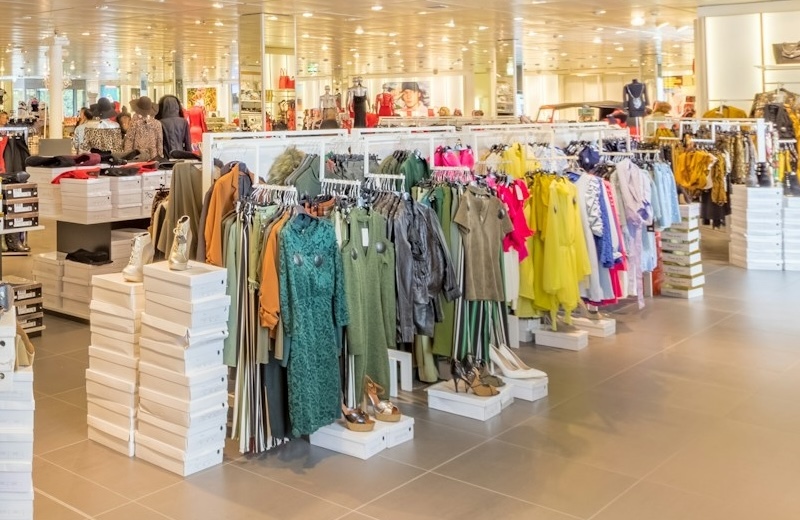
Store layout in visual merchandising focuses on how products are visually arranged within your space. A strong layout makes key items easy to see and naturally moves customers from one display to the next.
Oreo brought this idea to life by turning crosswalks outside select Kroger stores into cookie-themed paths that literally lead shoppers inside. By extending the “layout” beyond the front door—and adding a QR code with an in-store offer—they grab attention early and nudge people toward an impulse buy before they even walk in.
Traffic flow: Guides customers past featured products and high-priority displays.
Product placement strategy: Positions bestsellers, new items, or high-margin products in high-visibility areas.
Display zoning: Organizes your space into clear sections that highlight different product categories.
2. Product displays
Product displays are the core of visual merchandising, highlighting key products and making them easy to engage with.
Focal points: Eye-catching setups that draw attention to featured items.
Grouping and bundling: Displays related products together to increase perceived value and drive add-on sales.
Feature tables / endcaps: High-visibility placements used to promote priority products.
3. Lighting
Lighting in visual merchandising helps certain items stand out while creating contrast and depth within your space.
Think about a bar with a glowing back bar—premium spirits are often lit from behind so they immediately catch your eye. That subtle bar lighting makes those bottles feel higher-end, naturally steering customers toward top-shelf options without needing a hard sell.
Highlighting products: Uses focused lighting to emphasize key displays.
Creating contrast: Draws the eye to specific areas by varying brightness and intensity.
Accent lighting: Adds depth and dimension to displays, making them more visually engaging.
4. Signage and pricing
Signage and pricing strategies support visual merchandising by clearly communicating value and directing attention to key products and offers.
Product information: Highlights key details that support purchase decisions.
Promotions and pricing: Makes deals and value easy to understand at a glance.
Callouts and labels: Draw attention to featured products, categories, or limited-time offers.
5. Color and visual themes
Color and visual themes create a cohesive look that ties displays together and reinforces your brand.
A great example is Tiffany Blue—that instantly recognizable robin’s egg color used by Tiffany & Co. It shows up everywhere from packaging to in-store displays, making the brand feel consistent, premium, and impossible to miss. Over time, that color alone signals luxury and quality before a customer even looks at the product.
Brand colors: Reinforce identity and create a consistent visual experience.
Themed displays: Use color and props to support seasonal or promotional setups.
Visual consistency: Ensures all displays feel connected and intentional.
6. Window displays
Window displays are a key visual merchandising tool used to attract attention from outside and bring customers into your space. They act as a visual preview of what your business offers.
Attention-grabbing visuals: Designed to stop foot traffic and spark interest.
Product-focused storytelling: Highlights key items through themed displays.
Promotional features: Showcases new arrivals, bestsellers, or limited-time offers.
7. Digital visual merchandising
Digital visual merchandising applies the same principles to screens and online spaces.
Retailers like Kroger and CVS are already bringing this to life with digital screens on end caps—showing videos and promotions tied to the products right below them. Instead of a static display, these screens grab attention, tell a quick story, and help guide customers toward a purchase in real time.
CVS has rolled this out to more than 600 stores, and according to its own research, 70% of customers say the screens are useful. As Parbinder Dhariwal, VP and GM at CVS Media Exchange, puts it:
“We deploy digital screens on end caps because they measurably improve the shopping experience and can help drive results for brands at the exact moment decisions are made… balancing brand storytelling with useful, timely messaging such as seasonal promotions and key sales events.”
Digital displays and screens: Highlight products, promotions, and pricing in real time.
Interactive product browsing: Allows customers to explore options visually.
Online product presentation: Uses images, layout, and design to drive conversions.
Easy to see, easy to sell
Visual merchandising is all about making it easier for customers to see, understand, and buy your products. When your layout is clear, your displays are intentional, and your visuals are consistent, shopping feels effortless—and that’s what drives results.
The good news is you don’t need to completely overhaul your marketing strategy to make an impact. Simple updates like highlighting a few key products, improving lighting, or tightening up your signage can go a long way.
Purchase Order Template
Use this template to create standardized purchase orders for requesting goods or services from vendors.
FAQ
What is the difference between visual merchandising and retail merchandising?
Visual merchandising focuses on how products are presented and displayed to attract attention and drive sales, while retail merchandising includes broader activities like product selection, pricing, and inventory management.
How much does visual merchandising cost for a small retailer?
Costs can vary widely, but many small retailers use low-cost updates like rearranging displays, improving lighting, or adding signage. Even small changes can have a meaningful impact without a large budget.
How often should retailers update their visual merchandising?
Retailers should update displays regularly based on seasons, promotions, or new inventory. Frequent small changes help keep the space fresh and encourage repeat visits.
Can visual merchandising work for small or independent stores?
Yes, visual merchandising is effective for businesses of all sizes. Small retailers can use simple strategies like clear layouts, strong focal points, and consistent branding to improve the customer experience.
How does a POS system connect to visual merchandising?
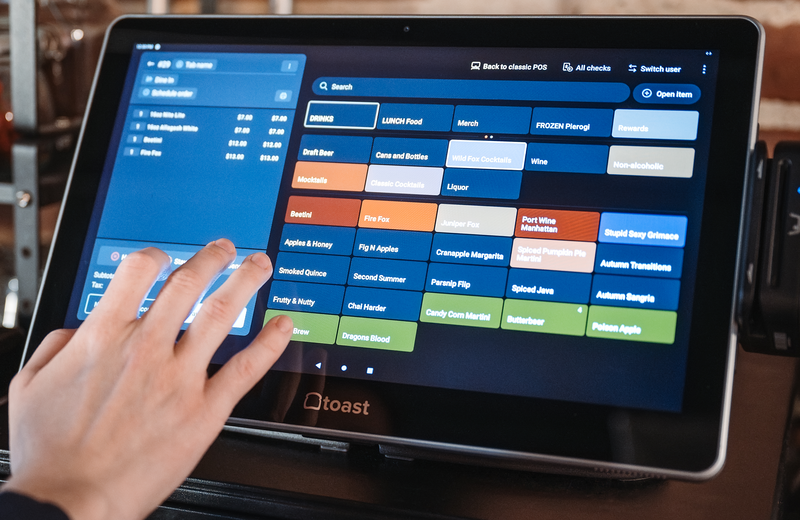
A POS system provides sales data that helps you identify top-performing products and trends. You can use this information to decide what to feature in displays and where to place products for maximum impact.

이 문서가 도움이 되었나요?
면책 조항: 이 정보는 일반 정보 제공 목적으로 작성되었으며 당사의 권고를 의미하는 것은 아닙니다. Toast는 본 콘텐츠에 포함된 정보, 텍스트, 그래픽, 링크 및 기타 항목의 정확성이나 완전성을 보장하지 않습니다. Toast는 본 문서의 조언을 따른다고 해서 특정한 결과를 얻을 수 있음을 보장하지 않습니다. 귀하의 상황에 맞는 조언이 필요한 경우 변호사, 회계사 또는 비즈니스 자문가 등 전문가와 상담하시기 바랍니다.
 트렌드
트렌드
