The Ultimate Guide to Restaurant Relocation: Essential Tips for a Successful Move
New address, same great food! This guide breaks down the restaurant relocation process into manageable steps so you can transition with ease.
작성자
 RESOURCE
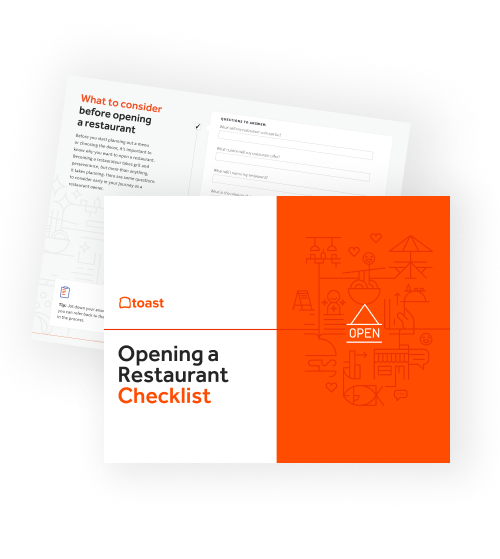
 Opening a Restaurant Checklist
So many things go into opening a restaurant. Use this free PDF checklist to set your new restaurant up for success.
무료 다운로드 받기The Ultimate Guide to Restaurant Relocation: Essential Tips for a Successful Move
Restaurant relocation is a complex undertaking that requires careful planning and execution. Whether due to rising rents, the need for a larger space, or shifting customer demographics, moving a restaurant presents both opportunities and challenges. Location is a key factor in customer decision-making — 55% of diners choose their eating destination primarily because of its location, meaning more than half of potential customers could be drawn to your restaurant simply because it’s convenient and accessible. While the process may seem daunting, this comprehensive guide breaks down everything restaurant owners need to know to ensure a smooth transition while maintaining business continuity and customer satisfaction.
Location selection: The foundation of successful relocation
Choosing the right location is the most critical factor in a restaurant’s successful move. The new site should align with your business goals, attract your target market, and support smooth operations. Here are the key factors to consider when evaluating potential locations:
Understand your target market
Before committing to a new location, ensure that it caters to your ideal customer base. Consider:
Demographics: Identify the right audience for your restaurant. Do the age groups, income levels, dining habits, and lifestyle preferences in the area align with your target market?
Foot traffic patterns: Gauge potential business volume. How busy is the area at different times of the day and week?
Competitor analysis: Assess market saturation and opportunities. What nearby restaurants exist, and how can your concept stand out?
After closing its original location in 2020, Little Mark's BBQ is set to reopen in 2025 in a new venue on Kelly Road in Vernon, CT. The move to a familiar area aims to capitalize on brand recognition and meet local demand, demonstrating the value of understanding community ties during relocation.
Zoning and regulatory considerations
Not every commercial space is legally suited for restaurant use. Before signing a lease:
Check zoning laws: Avoid costly legal issues. Is the location properly zoned for restaurant operations and in compliance with city regulations?
Review operating restrictions: Ensure your business can function as planned. Are there rules on operating hours, noise levels, or outdoor seating that could impact your restaurant?
Confirm licensing requirements: Stay ahead of necessary approvals. Do you need new business permits, liquor licenses, or health department certifications to operate legally?
Accessibility and customer convenience
Your new location should be easy to reach for both customers and employees. Prioritize convenience by evaluating the following factors:
Parking availability: Ensure customers have a hassle-free parking experience. Does the site have dedicated parking, street parking, or a nearby garage?
Public transportation: Make it easy for those without cars to visit. Are bus stops, train stations, or bike lanes available for customers and staff?
Traffic flow and entry points: Avoid locations with difficult or dangerous access. Can customers easily enter and exit the location without inconvenience?
Supplier and operational logistics
A well-placed restaurant streamlines daily operations, reducing delays and inefficiencies. Ensure your new location supports a smooth workflow by considering:
Delivery route reliability: Choose a location with easy access for suppliers. Are there reliable delivery routes for food and beverage suppliers?
Loading and unloading areas: Avoid logistical bottlenecks. Is there adequate space for loading and unloading deliveries without disrupting operations?
Kitchen workflow and storage: Ensure the space supports efficiency. Does the layout allow for smooth kitchen operations and sufficient storage for ingredients and supplies?
Visibility and brand exposure
A strong location can serve as built-in marketing for your restaurant, attracting foot traffic and increasing brand awareness. Maximize your visibility by evaluating:
Signage opportunities: Make sure your restaurant stands out. Does the location allow prominent signage to attract passersby?
Street front vs. hidden locations: Consider the trade-off between cost and exposure. A high-traffic main street location may cost more but can generate higher sales.
Community presence: Position yourself in a thriving area. Is the neighborhood known for dining and entertainment, or is it a low-traffic zone?
Restaurant Operations Manual Template
Use this free template to easily outline all of your operating procedures and make day-to-day operations as consistent as possible.

Safety and long-term viability
A secure and stable environment is essential for long-term success. Protect your investment by researching:
Crime rates: Ensure a safe space for staff and guests. What do local crime statistics reveal about the area’s safety?
Neighborhood development plans: Avoid future disruptions. Are there upcoming construction projects that could impact accessibility or visibility?
Lease terms and rent trends: Plan for long-term financial stability. Are rent prices and lease terms sustainable for your business?
FB Society, the hospitality group behind brands like Velvet Taco and Twin Peaks, strategically launches new restaurant concepts in suburban areas like Plano before expanding into urban centers. This approach allows them to establish a strong customer base in lower-cost suburban markets before taking on the higher expenses and competition of urban expansion, highlighting the value of strategic location planning.
Space preparation and layout optimization
Once you've secured your new location, careful planning is crucial to ensure a seamless transition and optimal restaurant performance. From kitchen efficiency to customer comfort, every element of your layout should enhance operations and dining experiences.
Design an efficient kitchen layout
The kitchen is the heart of your restaurant, and an effective layout ensures smooth service and compliance with health regulations. Consider the following key factors:
Workflow efficiency: Arrange stations to support a logical workflow. Does the layout allow staff to move efficiently between prep, cooking, plating, and service?
Equipment fit and placement: Verify that existing equipment fits in the new space. Do you need to purchase or modify appliances to optimize efficiency?
Ventilation and safety compliance: Ensure proper airflow and safety standards. Are ventilation systems in place to meet health codes and provide a comfortable work environment?
Optimize the dining area for comfort and capacity
Your dining layout should balance customer experience with revenue potential. Consider:
Seating arrangements: Maximize capacity while maintaining comfort. Is there enough space between tables to allow easy movement for guests and staff?
Traffic flow: Ensure seamless service and accessibility. Are restrooms, waiting areas, and service stations strategically placed for convenience?
Ambiance and atmosphere: Consider elements that affect customer experience. Does your lighting, music, and décor align with your brand and dining concept?
Evaluate fixtures and infrastructure
A thorough infrastructure check prevents costly surprises and ensures long-term operational stability. Thoroughly assess:
Lighting and electrical systems: Verify power capacity and fixture placement. Are there enough outlets and lighting sources to support your restaurant’s needs?
Plumbing and water access: Assess sink placement, drainage, and water pressure. Do the existing plumbing systems meet your operational and health compliance needs?
HVAC and climate control: Ensure guest and staff comfort. Is the heating, ventilation, and air conditioning system capable of maintaining a consistent and comfortable temperature?
Plan for necessary modifications
Most restaurant spaces require some level of customization to meet your specific needs. Evaluate potential modifications such as:
Structural adjustments: Identify any walls, counters, or built-in fixtures that need modification. What changes must be made to optimize space functionality?
Permit and compliance requirements: Secure all necessary permits before making modifications. Do you have the proper approvals for electrical, plumbing, and construction updates?
Budget and timeline planning: Set realistic expectations for the transition. What’s your estimated cost and timeframe for renovations before opening?
Newbrook Kitchen, a speakeasy-style supper club, is relocating later this year to a larger space on Wallingford Road in Cheshire, CT. The new location offers a kitchen twice the size of the original, allowing for expanded cooking classes and increased dining capacity. This move highlights the benefits of aligning space with operational needs.
Inventory and equipment management
Managing inventory and equipment during relocation requires meticulous organization and planning to prevent losses, minimize food waste, and ensure a smooth transition. A structured approach will help you maintain control over all assets and avoid costly disruptions.
Organize and track inventory
A detailed inventory management system helps track every item being moved and ensures nothing gets lost or wasted. Be sure to:
Create an inventory list: Document all equipment, furniture, and supplies. Have you recorded every item’s condition and assigned it a tracking number?
Plan for perishable inventory: Reduce food waste by adjusting orders before the move. Can you plan menu specials or donate excess stock to minimize loss?
Use digital tracking tools: Consider inventory management software or spreadsheets. Do you have a system in place to log what’s packed, moved, and unpacked?
Restaurant Cost Control Guide
Use this guide to learn more about your restaurant costs, how to track them, and steps you can take to help maximize your profitability.
Implement a smart packing and labeling system
A structured packing approach makes unpacking and setup more efficient. Use strategies such as:
Label boxes clearly: Assign labels indicating contents and destination rooms. Have you considered a color-coded system for faster sorting?
Secure fragile items: Use proper packing materials to prevent damage. Are delicate items like glassware, dishware, and electronics properly wrapped and cushioned?
Organize by priority: Keep essential items accessible for quick setup. What equipment and supplies do you need immediately upon arrival?
Prioritize equipment installation
Ensuring key systems are operational first prevents delays in reopening. Start with:
Set up critical equipment first: Focus on refrigeration, cooking stations, and POS systems. Which pieces of equipment must be functional before anything else?
Plan electrical and plumbing needs: Verify hookups before installing machinery. Does the new space accommodate all power and water requirements for your equipment?
Test all equipment before opening: Ensure everything runs smoothly before launch. Have you checked for potential malfunctions or performance issues?
State Street Market, previously located in Alton, Illinois, relocated to Elsah and rebranded as State Street on LaSalle, requiring careful management of their inventory and equipment during the transition. With a larger kitchen in the new space, the owners very likely had to assess which equipment to move, what needed upgrading, and how to optimize their layout for efficiency. Their relocation highlights the importance of inventory tracking, strategic equipment decisions, and ensuring the new space supports operational needs.
Professional assistance and coordination
Relocating a restaurant is a complex process, and working with experienced professionals can help reduce stress, prevent costly mistakes, and ensure a seamless transition. Proper coordination with key service providers will also help minimize downtime and disruptions.
Hire commercial restaurant movers
Commercial movers specializing in restaurant relocations can ensure proper handling of kitchen equipment and delicate items. Consider the following:
Choose movers with restaurant experience: Protect your valuable assets with trained professionals. Have you verified that your movers understand how to transport kitchen equipment safely?
Request multiple quotes: Compare services, pricing, and insurance coverage. Have you reviewed contract terms to ensure full protection against potential damages?
Plan for temporary storage if needed: Keep your timeline flexible in case of unexpected delays. Do you have a secure storage solution if you need to move out before the new location is fully ready?
Have a backup plan: Prepare for potential equipment failures during the move. Do you have contingencies in place if critical machines don’t function upon arrival?
Coordinate with suppliers and service providers
Keeping supply chains and essential services running smoothly is critical for a successful move. Be sure to:
Adjust supplier deliveries: Prevent disruptions by notifying vendors in advance. Have you updated your delivery schedules and provided your new address to all suppliers?
Confirm utility services activation: Ensure electricity, water, gas, internet, and phone lines are set up before the move. Have you coordinated with utility providers to avoid service gaps?
Update service agreements: Keep all business contracts current. Have you informed maintenance providers, waste management, and pest control services of your new location?
Ensure legal and regulatory compliance
Meeting all legal requirements protects your business from fines and operational setbacks. Ensure legal compliance by:
Verify permits and licenses: Ensure full compliance before opening in the new location. Have you obtained all necessary health permits, liquor licenses, and business registrations?
Review and update insurance policies: Protect against potential risks in the new space. Does your insurance policy cover liabilities associated with the move and new location?
Notify government and financial entities: Keep official records accurate. Have you updated your address with the IRS, local tax authorities, and banking institutions?
Staff training and adaptation
A successful restaurant relocation depends on a well-prepared team that can quickly adapt to the new space while maintaining service quality. Proper training and team-building will help ensure a smooth transition and consistent customer experience.
Conduct staff orientation and training
Your staff needs to be fully familiar with the new environment to work efficiently from day one. Train for efficiency by:
Provide a detailed walkthrough: Help employees navigate the new space. Have you scheduled orientation sessions to familiarize staff with the layout, kitchen stations, and service areas?
Train on new equipment and systems: Ensure smooth operations with hands-on practice. Do all team members understand how to operate any new kitchen equipment or point-of-sale systems?
Review emergency procedures: Keep safety a top priority. Have you trained staff on fire exits, first aid protocols, and emergency response plans tailored to the new location?
Training Manual Template
Use this restaurant training manual template, a customizable Word Doc, to provide your staff with the rules, guidelines, and clarity they need to do their jobs efficiently.
Establish efficient service patterns
Adjusting to a new space means refining workflows and customer service procedures. Streamline service by:
Optimize traffic flow: Minimize service bottlenecks. Have you tested different seating and service arrangements to ensure efficient movement between tables, the kitchen, and service stations?
Refine service protocols: Ensure consistency in guest interactions. Have you updated workflows and trained staff on any procedural changes?
Run practice shifts: Prepare staff before opening day. Have you conducted soft openings or trial runs to help the team adjust to the new environment?
Boosting morale and team confidence
A motivated and engaged team will make the transition easier for both employees and customers. Some ideas include:
Host team-building activities: Strengthen staff relationships in the new setting. Have you planned activities or group meetings to help employees feel comfortable and excited about the move?
Offer customer service refresher training: Maintain high service standards. Have you reinforced hospitality best practices to ensure a positive guest experience during the transition?
Encourage staff feedback: Address concerns and challenges proactively. Have you provided an open forum for employees to share feedback on workflow improvements?
Customer communication strategy
A well-planned customer communication strategy ensures that your guests stay informed, excited, and engaged throughout your restaurant’s relocation. Proactive messaging across multiple channels will help maintain loyalty and encourage a smooth transition to your new location.
Announce the move and keep customers informed
Clear and timely communication prevents confusion and keeps your audience engaged. Strategies include:
Use multiple channels: Reach customers where they are. Have you announced the move through social media, email newsletters, in-store signage, and local press?
Provide regular updates: Keep your audience informed at every stage. Are you sharing progress updates, sneak peeks, and countdowns to build excitement?
Highlight new features: Showcase what’s changing for the better. Have you communicated improvements like expanded seating, new menu items, or upgraded ambiance?
Terri Beaubien, co-owner of State Street Market, emphasized the importance of customer loyalty and community engagement when relocating. She shared, “The support has been overwhelming on social media, cards and calls saying they would follow us anywhere … We understand that maybe our regulars might not be able to visit as often, but we feel the new locals will fill in the gaps and take advantage of an established business relocating to their community."
Update your digital presence
Ensuring accurate online information helps customers find and engage with your new location. Updates include:
Revise business listings: Prevent confusion by updating all platforms. Have you changed your address, hours, and contact details on Google Business Profile, Yelp, and delivery apps?
Refresh website and social media profiles: Keep branding and information consistent. Have you updated your website and social media pages with new location details and images?
Notify customers via automated messages: Avoid lost reservations and misdirected inquiries. Have you updated voicemail recordings, email auto-replies, and chatbot responses with your new address?
Create a relocation marketing campaign
A well-executed campaign can turn your move into an opportunity to attract both existing and new customers. Drive customer engagement by:
Offer special promotions: Incentivize visits to the new location. Have you considered offering discounts, free appetizers, or exclusive deals for customers who visit within the first month?
Host a grand reopening event: Make your move an exciting celebration. Are you planning a soft opening, VIP night, or ribbon-cutting event to generate buzz?
Engage with customers directly: Strengthen connections with personal outreach. Have you encouraged staff to mention the move to regular guests and invite them to the new space?
Timeline and project management
A successful restaurant relocation requires careful planning, coordination, and flexibility. Establishing a clear timeline ensures that every phase of the move stays on track while minimizing disruption to operations.
Create a step-by-step relocation timeline
A structured timeline helps break down the relocation process into manageable tasks. Keep this timeline in mind:
3 to 4 months before: Finalize key decisions. Have you secured your lease or property purchase and begun permit applications?
2 to 3 months before: Prepare the space for move-in. Have you started modifications, ordered new equipment, and scheduled contractor work?
1 to 2 months before: Begin external communication. Is your customer outreach campaign in place to keep patrons informed about the move?
2 to 4 weeks before: Organize inventory and packing. Have you started packing non-essential items while maintaining business operations?
1 week before: Execute the major transition. Is your team ready for the equipment move and final preparations at the new location?
Moving day: Complete the transition. Have you planned the logistics for transporting all equipment, inventory, and staff smoothly?
Post-move: Finalize setup and reopen. Have you conducted a soft opening, tested all systems, and ensured staff readiness for the grand opening?
Following the devastation of Hurricane Katrina in 2005, Ruth's Chris Steak House moved its corporate headquarters from New Orleans to Florida, facing disruptions in operations, staffing, and supply chains. This relocation showcases the challenges businesses face when unforeseen events necessitate a move, emphasizing the importance of contingency planning and adaptability in restaurant relocation.
Coordinate stakeholders for a smooth transition
Effective coordination ensures that every party involved in the move is aligned. Coordinate with:
Staff and management: Keep employees informed and prepared. Have you provided clear relocation guidelines and scheduled team training at the new location?
Vendors and suppliers: Avoid supply chain disruptions. Have you updated delivery schedules, informed suppliers of your new address, and confirmed utility setups?
Contractors and service providers: Stay on top of renovations and installations. Are all necessary permits approved, and is work progressing on schedule?
Maintain flexibility and contingency planning
Unexpected challenges can arise, so adaptability is key. Make sure to:
Prepare backup plans: Have alternative strategies for delays. Do you have contingency solutions in case of permit issues, construction setbacks, or equipment failures?
Keep detailed documentation: Track every stage of the move. Are you maintaining updated records of lease agreements, vendor contracts, and inventory logs?
Regularly review and adjust plans: Stay agile throughout the transition. Are you conducting check-ins with key stakeholders and adjusting timelines as needed?
Frequently Asked Questions
How long does it typically take to relocate a restaurant?
The entire process usually takes 3 to 6 months from planning to completion. This includes finding a new location, obtaining permits, renovating the space, moving equipment, and reopening. However, the timeline can vary depending on factors like location size, required renovations, and local regulations.
What should I do about my existing lease?
Review your current lease agreement carefully and provide proper notice to your landlord. Consider negotiating an early termination if needed, and ensure you understand any restoration requirements before vacating the space.
How do I maintain my customer base during relocation?
Keep customers informed through multiple channels including social media, email, and in-store signage. Start communication early (at least 2 to 3 months before the move) and consider offering special promotions or loyalty rewards to encourage customers to visit the new location.
How much should I budget for a restaurant relocation?
The cost of relocating a restaurant varies widely depending on factors like distance, renovations, and lease terms. Key expenses to consider include:
Moving costs: Transporting equipment, furniture, and supplies.
New location deposits & rent: Security deposits and initial rent payments.
Renovation expenses: Modifications, plumbing, electrical work, and interior updates.
Permit & license fees: Health permits, liquor licenses, and zoning compliance.
Marketing & communication costs: Announcing the move, updating business listings, and customer outreach.
Potential revenue loss: Budget for downtime during the transition.
It’s recommended to set aside an additional 15% to 20% of your estimated budget for unexpected expenses.
Should I close my restaurant during the move?
Most restaurants need to close for at least a few days during the physical move. The closure period depends on the complexity of the move and setup requirements. Some restaurants choose to operate limited services during the transition if possible.
What permits and licenses do I need for the new location?
The specific permits and licenses required will depend on your location, but common requirements include:
Business license: Required to legally operate in your new city or county.
Health department permits: Ensures compliance with food safety regulations.
Liquor license transfer or new application: Needed if you serve alcohol — some locations require a transfer, while others require a new application.
Building permits: Required for renovations, structural changes, or major equipment installations.
Certificate of Occupancy: Confirms that the building meets safety codes and is approved for restaurant operations.
Food handler certifications: Ensures that staff meet local food safety training requirements.
Since regulations vary by city and state, check with local authorities to ensure compliance with all necessary permits before opening.
How do I handle my employees during the relocation?
Communicate plans early, be clear about expectations and schedules during the transition, and provide training for the new location. Consider offering retention bonuses or other incentives to key staff members during the move.
What should I do about my utilities and services?
Schedule utility transfers well in advance to avoid service disruptions. Key utilities to arrange include:
Electricity: Ensure power is activated before moving equipment.
Gas: Confirm connections for stoves, ovens, and heating.
Water: Check for leaks and ensure the plumbing is functional.
Internet/Phone service: Set up essential communication and payment processing systems.
Waste management: Arrange trash collection and recycling services for the new location.
Security systems: Transfer or install new alarm, surveillance, and access control systems.
Always confirm that new services are activated before disconnecting the old ones to ensure a seamless transition.
How do I update my business information online?
To ensure customers can find your restaurant and avoid disruptions, create a checklist to update key online and business platforms:
Google Business Profile: Update your address, hours, and contact details for accurate search results.
Website: Revise your site with the new location and update menus, contact pages, and announcements.
Social media accounts: Post updates about the move and adjust location details on profiles.
Online delivery platforms: Update your address on services like DoorDash, Uber Eats, and Grubhub.
Review sites: Modify your business details on Yelp, TripAdvisor, and other customer review platforms.
Business directories: Ensure listings on sites like Yellow Pages and local business networks are current.
Insurance policies: Notify your provider of the address change to maintain coverage.
Supplier contracts: Update all vendor agreements to ensure deliveries go to the correct location.
Regularly double-check all updates after the move to ensure consistency across platforms.
What if my equipment doesn't fit in the new space?
Measure all equipment and create a detailed floor plan before signing a lease. If you discover that certain items don’t fit, consider these solutions:
Sell or store unnecessary items: Can you liquidate or temporarily store oversized equipment?
Purchase more appropriately sized equipment: Would investing in compact or multi-functional equipment improve efficiency?
Modify the space if possible: Can minor renovations or layout adjustments make the space more functional?
Renegotiate the lease or find a different location: If space constraints are severe, is relocating again or renegotiating your lease an option?
Always consult with commercial real estate agents, restaurant consultants, and legal advisors to explore the best course of action for your specific situation.
Final thoughts
Relocating a restaurant is a complex but rewarding process that requires careful planning, strong coordination, and adaptability. From selecting the right location and optimizing your space to managing inventory, staff, and customer communication, every step plays a crucial role in ensuring a smooth transition.
While challenges may arise, a well-structured approach — supported by professional assistance, thorough planning, and contingency strategies — can help minimize disruptions and set your restaurant up for long-term success. Keeping your customers informed, maintaining staff morale, and ensuring all operational systems are in place before reopening will make the transition smoother for everyone involved.
Most importantly, stay flexible, plan ahead, and embrace the opportunities that come with your new space. A fresh location can bring new customers, improved operations, and a revitalized brand presence. With the right strategy, your restaurant relocation can be the next big step toward even greater success.

이 문서가 도움이 되었나요?
면책 조항: 이 정보는 일반 정보 제공 목적으로 작성되었으며 당사의 권고를 의미하는 것은 아닙니다. Toast는 본 콘텐츠에 포함된 정보, 텍스트, 그래픽, 링크 및 기타 항목의 정확성이나 완전성을 보장하지 않습니다. Toast는 본 문서의 조언을 따른다고 해서 특정한 결과를 얻을 수 있음을 보장하지 않습니다. 귀하의 상황에 맞는 조언이 필요한 경우 변호사, 회계사 또는 비즈니스 자문가 등 전문가와 상담하시기 바랍니다.
 트렌드
트렌드