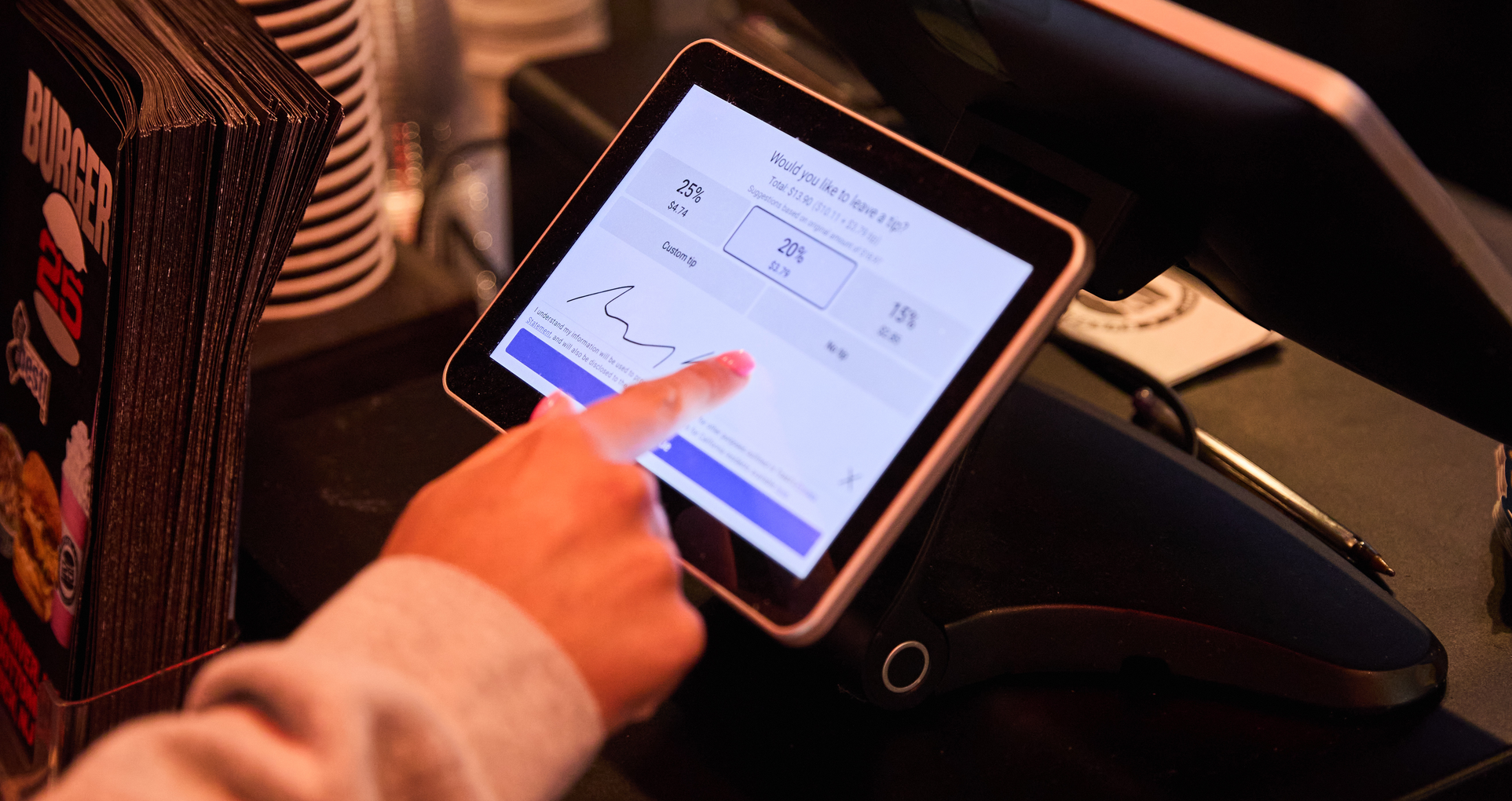
Every server knows the feeling: a familiar face walks in, and suddenly the whole interaction is easier — the order comes faster, the small talk feels natural, and the tip often reflects it. That instinct shows up clearly in the data.
Toast and Resy’s Regulars Report, based on an April 2026 survey of 1,500 U.S. adults who dine out or order in at least twice a month, found that 77% of respondents tip more at restaurants where they are regulars.1 Among those who increase their gratuity, 46% add an extra 5–10%, and 37% add an extra 10–15% or more. Combined with the fact that 34% of regulars report spending more per check when they feel comfortable, the impact on loyalty value, staff income, and operations can be substantial.
Key Takeaways:
77% of guests tip more where they feel like regulars.
Of those tippers, 46% add 5–10% and 37% add 10–15%+.
34% say they also spend more per check when comfortable.
Recognition can drive generosity: 48% say being remembered matters most, more than points.
Do restaurant regulars tip more than one-time customers?
The survey data says yes. In Toast's April 2026 survey of 1,500 U.S. adults who dine out or order in at least twice a month, 77% said they tip more at restaurants where they are regulars. Among those who tip more as regulars, 46% add an extra 5–10%, and 37% add an extra 10–15% or more.
Why it matters: 34% of regulars also report spending more per check when they feel comfortable, so higher tips may ride atop higher checks, which could support total revenue and staff income.
What the extra looks like in dollars: On a $60 check, an extra 10% equals $6 more on the tip line. On a $50 check, an extra 5% is a $2.50 difference. At $200, a 20% tip is $40 (vs. $30 at 15%). These small deltas add up over repeat visits.
Key stats:
77% of guests tip more where they're regulars
46% of those regulars add an extra 5–10% tip
37% of those regulars add an extra 10–15% or more
34% of regulars spend more per check
48% say being remembered matters most (vs. points)
Why do regulars tip more?
The answer lies in reciprocity and recognition. When guests feel known—their usual drink appears without asking, they are greeted by name, and the kitchen knows their preferences—they feel a sense of warmth and reciprocity toward the restaurant. The tip reflects a longer history than a single meal. For some diners, this is the difference between a $10 tip and a $16 tip on the same tab; a $5 tip versus $7.50 on a small check illustrates the same effect.
Familiarity also removes friction. Comfortable guests linger, order differently, and spend more, which can amplify tip size. Toast's data shows 34% of regulars report spending more per check when they feel at home.
How does this affect staff income and day-to-day operations?
The tip line is staff income, and the survey suggests it may be tied to the same driver behind other loyalty metrics: belonging. The Tuesday-night regular who asks for the same booth and calls a server by name is, per the survey data, statistically more likely to leave extra on the tip line.
What operators can do now:
Track tip averages by guest segment (regular vs. first-time) in your POS or a weekly export.
Systematize recognition with guest notes, name recall, "the usual," and preferred tables.
Encourage server continuity for known regulars to deepen relationships over time.
Reward FOH teams for measurable gains in regular retention and tip growth.
Share weekly dashboards so the team sees how recognition moves tips and spend.
The usual, please!
The math is simple, even if the relationship behind it isn't: guests who feel recognized report tipping more, spending more, and coming back more often. For operators, the takeaway isn't just "be friendly." Restaurants that systematize how they track, train for, and reward guest recognition could be positioning themselves to see gains in staff income, guest loyalty, and repeat revenue — all tied to the same behavior: remembering who someone is.
면책 조항: 이 정보는 일반 정보 제공 목적으로 작성되었으며 당사의 권고를 의미하는 것은 아닙니다. Toast는 본 콘텐츠에 포함된 정보, 텍스트, 그래픽, 링크 및 기타 항목의 정확성이나 완전성을 보장하지 않습니다. Toast는 본 문서의 조언을 따른다고 해서 특정한 결과를 얻을 수 있음을 보장하지 않습니다. 귀하의 상황에 맞는 조언이 필요한 경우 변호사, 회계사 또는 비즈니스 자문가 등 전문가와 상담하시기 바랍니다.