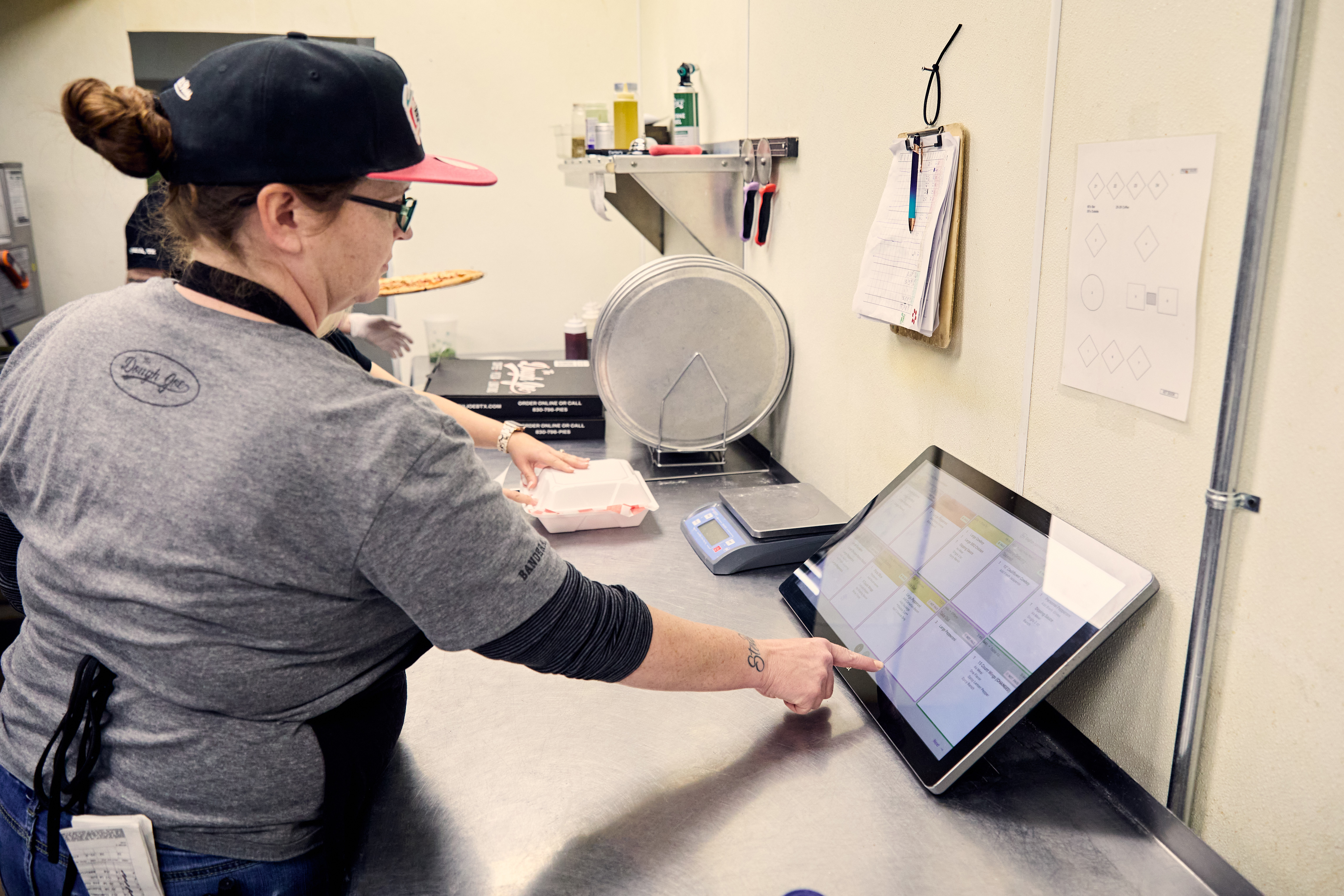
Temperature Log Sheets: The Essential Guide for Restaurant Food Safety Compliance
A complete guide to restaurant temperature logs — from HACCP requirements to digital tools that simplify compliance.

Autor
 RECURSO
 Lista de verificación de inspección sanitaria para restaurantes
Esta lista de verificación gratis te brinda todos los consejos y trucos que necesitas para aprobar tu próxima inspección.
Obtener descarga gratisTemperature log sheets serve as the backbone of restaurant food safety programs, providing documented proof that storage and preparation areas maintain safe temperatures throughout daily operations. According to the CDC, foodborne illness remains a serious issue in the U.S., with about 1 in 6 Americans — roughly 48 million people — falling ill each year at an estimated cost of $17.6 billion. By keeping accurate temperature records, restaurants can prevent outbreaks, pass health inspections, and protect their reputation while meeting HACCP (Hazard Analysis Critical Control Point) requirements.
Key takeaways
Temperature log sheets are essential for food safety compliance and passing health inspections.
Effective logs track equipment, readings, corrective actions, and verification for full accountability.
Digital systems offer real-time monitoring and alerts, while paper logs remain a low-cost option.
Consistent training and clear procedures turn routine temperature checks into a reliable safety system.
Temperature log sheets and why restaurants need them
What is a temperature log sheet?
A temperature log sheet is a systematic record-keeping document that tracks temperatures of refrigerators, freezers, hot food holding equipment, and food prep areas at regular intervals. Hot foods must stay at 135°F or above, and cold foods must stay at 41°F or below to prevent bacteria growth, making consistent temperature monitoring crucial for food safety compliance.
Food safety regulations
Restaurant operators must maintain these logs to demonstrate adherence to local health department regulations and federal food safety guidelines. In 2025, meticulous record-keeping and documentation are no longer optional — they're a cornerstone of food safety compliance and a vital tool for protecting your restaurant during inspections or audits.
The risks of poor temperature control
The stakes for temperature control violations are significant. Improper storage or holding can lead to foodborne illness, regulatory fines, and wasted product. In fact, a recent food-safety survey of UK quick-service restaurants found that 64% cited late delivery as their top concern and 55% pointed to poor quality caused by temperature issues — demonstrating how lapses in temperature management directly threaten both safety and profitability.
Lista de verificación de inspección sanitaria para restaurantes
Esta lista de verificación gratis te brinda todos los consejos y trucos que necesitas para aprobar tu próxima inspección.

Essential components of every restaurant temperature log
Core data points
Effective temperature logs must capture the details required by inspectors and auditors. Each entry should include:
Equipment identification (number or location)
Date and time of the temperature check
Actual temperature reading
Acceptable temperature range for that equipment
Employee initials or signature
Corrective actions taken if temperatures fall outside safe ranges
For example, imagine your prep cook records a 50°F reading in the walk-in cooler but doesn’t note any corrective action. When a health inspector reviews the log, the missing step could count as a violation — even if the food was later moved to safe storage.
Frequency of checks
Most restaurants monitor refrigerator and freezer thermometers at least four times per day. Recording these readings in a log book ensures you have the documentation needed for consistent temperature tracking and compliance.
Extra elements that strengthen your logs
To create a full audit trail, include supporting details such as:
Calibration records for thermometers: Prove that your devices are accurate and regularly tested, reassuring inspectors that readings can be trusted.
Maintenance schedules for equipment: Show that refrigerators, freezers, and hot-holding units are serviced on time, preventing recurring temperature issues.
Supervisor verification or manager signatures: Add an extra layer of accountability by confirming staff checks were completed correctly and on schedule.
These additions show inspectors that your restaurant isn’t just meeting the minimum — it’s following a systematic, proactive approach to food safety.
HACCP compliance requirements for temperature monitoring
Temperature as a critical control point
Temperature control is considered a Critical Control Point (CCP) in most HACCP plans, which means it requires strict monitoring and documentation. Modern HACCP checklists often include:
Real-time temperature data: Provides up-to-the-minute readings to catch problems before they become safety risks.
Historical temperature records: Create a traceable log that inspectors can review to confirm consistent compliance.
Indicators for equipment servicing: Flag recurring issues that suggest a refrigerator, freezer, or hot-holding unit may need maintenance.
These additions reflect how food safety monitoring has evolved from basic logs to more comprehensive systems.
Establishing limits and monitoring procedures
Restaurants must set critical limits for each temperature-controlled area, then implement procedures to check those limits at predetermined intervals. Corrective actions must be documented whenever temperatures exceed safe ranges. For example, a HACCP plan might specify that soups falling below 135°F must be reheated to 165°F within two hours. Without proper logs, it’s impossible to prove that the corrective action was taken. The exact monitoring frequency depends on equipment type, food risk level, and local health department requirements.
Record retention and accessibility
HACCP compliance also requires that temperature logs remain accessible to health inspectors and include complete records for the designated retention period. Depending on local regulations, restaurants may need to keep logs anywhere from 30 days to one year.
Digital versus paper temperature logs
The shift to digital solutions
Modern restaurants increasingly choose between traditional paper logs and digital temperature monitoring systems. Tools like ComplianceMate show how digital solutions can streamline HACCP compliance and significantly reduce the risk of foodborne illness.
Advantages of digital systems
Digital systems offer several benefits that make monitoring more accurate and efficient:
Automatic data collection: Reduces human error and ensures records are complete.
Real-time alerts: Notify managers immediately when temperatures deviate from safe ranges.
Centralized data storage: Prevents log loss and keeps records easily accessible for audits.
System integration: Connects with existing restaurant management platforms for seamless operations.
Simplified reporting: Generates inspection-ready reports with minimal staff effort.
For example, if a freezer malfunctions overnight, a digital system could send an alert to the manager’s phone at 2 a.m. With paper logs, the problem might not be caught until morning, when thousands of dollars in product are already spoiled.
When paper logs still work
Paper logs remain a practical option for smaller operations or as a backup system. They require no upfront technology investment, work during power outages, and provide a familiar documentation method for staff. Ultimately, the right choice depends on your restaurant’s size, budget, and operational complexity.
Lista de verificación para abrir una cocina comercial
Abrir una cocina comercial implica un montón de cosas. Usa esta lista de verificación en PDF gratuita para que tu nuevo restaurante tenga éxito.
Common temperature violations and how proper logging prevents them
Frequent violations in restaurants
Health inspectors consistently cite temperature control among the most common food safety violations, alongside issues like improper hand-washing, cross-contamination, and dirty food contact surfaces.
Food safety experts emphasize that while temperature monitoring is essential, it’s only one piece of the puzzle. Mario Hupfeld, CTO & Co-Founder of NEMIS Technologies, notes that restaurants must take a broader view. “Temperature control is important, yes, but you have to remember that food safety doesn’t start or end there. Pathogens can show up long before you start cooking … Cooking at the right temperature eliminates many of these risks, but if pathogens are left behind on your kitchen tools, that’s a huge problem. You have to look at the bigger picture when you think about contamination.”
This perspective underscores why logs should be paired with strict hygiene and sanitation practices to ensure full protection against foodborne illness.
How temperature logging prevents violations
Proper temperature logging helps catch issues before they become violations:
Walk-in cooler above 41°F: Often caused by worn door seals or mechanical failures, leading to unsafe cold storage.
Freezer temperatures above 0°F: Can occur during defrost cycles or equipment breakdowns, risking thawing and refreezing.
Hot holding below 135°F: A common issue during peak service periods when equipment is overfilled or left open.
Improper reheating below 165°F: Failing to bring previously cooked foods back up to a safe temperature allows bacteria to survive.
For example, during a busy dinner rush, staff might forget to recheck hot holding trays. By the time someone notices, the food has dropped below 135°F. Consistent logging forces staff to catch these dips before they become safety risks.
Training and documentation make the difference
Systematic temperature monitoring allows staff to spot equipment problems early, reducing the risk of serving unsafe food. According to the National Restaurant Association, restaurants with structured food safety training see a 50% reduction in violations compared to those without it — proof that training and documentation go hand in hand.
Implementation best practices for restaurant temperature logs
Establish clear procedures
Set up systems that make logging part of the daily routine:
Designate responsible staff: Assign specific employees to conduct temperature checks.
Provide calibrated thermometers: Ensure tools are accurate and reliable.
Create check schedules: Align frequency with operational needs and regulatory requirements.
For example, if no single employee is assigned to record temperatures, multiple staff members may assume “someone else” is doing it, leading to gaps in the logs. By designating responsibility, managers eliminate this confusion and ensure checks are completed every time.
Lista de verificación de limpieza para restaurantes
Descarga la Lista de verificación de limpieza para restaurantes, creada en colaboración con RestaurantSupply.com, para llevar un registro de las tareas de limpieza que deben realizarse en tu restaurante.
Train staff effectively
Training should go beyond the basics to build understanding:
Proper thermometer use: Teach correct placement and reading techniques.
Accurate record keeping: Stress the importance of complete, real-time entries.
Corrective actions: Train staff on what to do immediately if readings fall outside safe ranges.
Maintain accountability
Management plays a key role in ensuring logs don’t become meaningless paperwork:
Review logs regularly: Verify accuracy and completeness.
Follow up on corrective actions: Make sure issues are resolved, not just recorded.
Evaluate the system periodically: Update processes as equipment, regulations, or staff change.
Technology solutions for automated temperature monitoring
The rise of digital platforms
Digital platforms like Operandio simplify compliance with centralized dashboards, automated alerts, and easy-to-use monitoring tools, representing the current state of restaurant temperature monitoring technology.
Key benefits of automated monitoring
Automated systems use wireless sensors placed in refrigerators, freezers, and hot-holding equipment to continuously track temperatures. These systems can:
Send immediate alerts: Notify managers via phone when temperatures exceed safe ranges.
Generate automatic reports: Create inspection-ready documents without manual entry.
Track long-term trends: Identify patterns that signal upcoming equipment maintenance needs.
Integrate with management software: Provide seamless oversight across operations.
Why cloud-based platforms matter
For multi-location or franchised restaurant groups, cloud-based platforms allow owners and managers to oversee food safety compliance across all sites from a single dashboard. This consistency helps standardize training, procedures, and inspection readiness.
Legal and insurance implications of temperature documentation
Protection during investigations
Temperature logs act as legal documents that protect restaurants during foodborne illness investigations or lawsuits. Complete, accurate records demonstrate due diligence and can reduce liability when disputes arise.
Insurance benefits
Insurance providers increasingly require documented food safety procedures, including temperature monitoring, as part of coverage conditions. Restaurants that maintain comprehensive logs may qualify for:
Reduced premiums: Demonstrating lower operational risk.
Favorable policy terms: Access to broader coverage or faster claims processing.
Health department compliance
During inspections or investigations, temperature logs provide objective evidence of proper food safety practices. Missing or incomplete records can lead to:
Severe violations: Higher fines or critical health code marks.
Extended closures: Longer downtime while compliance is reestablished.
Increased inspection frequency: More visits from regulators, adding pressure to operations.
Cost considerations and return on investment
Balancing costs with benefits
Temperature monitoring involves both direct costs (equipment, software) and indirect costs (staff time, training). While these expenses add up, the return on investment often outweighs them through:
Reduced food waste: Catching unsafe temperatures early prevents costly product loss.
Lower insurance premiums: Demonstrating strong compliance can qualify you for savings.
Avoided closure costs: Staying inspection-ready reduces downtime and lost revenue.
The cost of foodborne illness
Preventing a single outbreak can save a restaurant thousands of dollars in lost sales, legal fees, and reputation damage. Consistent monitoring not only protects customers but also safeguards the long-term value of your brand.
For example, a mid-size restaurant might lose $5,000 or more in spoiled product after a single cooler failure. A digital monitoring system could have caught the issue earlier — at a fraction of the cost — while also preventing the loss of customer trust.
Plantilla del manual de capacitación
Usa esta plantilla de manual de capacitación para restaurantes, un documento de Word personalizable, para proporcionar a tu personal las reglas, pautas y claridad que necesitan para hacer su trabajo con eficiencia.
Comparing paper and digital systems
When choosing a temperature monitoring method, restaurants typically weigh two main options — each with its own trade-offs:
Paper logs: Minimal upfront cost for forms and thermometers, but require significant labor for manual tracking and review.
Digital systems: Higher upfront investment, but often reduce long-term labor costs while offering superior monitoring, reporting, and accuracy.
Staff training and accountability systems
Building staff knowledge
Successful temperature logging starts with well-trained staff who understand why documentation matters. Training programs should cover:
Thermometer calibration: Ensuring devices give accurate readings.
Proper measurement techniques: Teaching correct probe placement and timing.
Temperature requirements: Explaining the science behind hot and cold holding limits.
Creating accountability
To ensure checks are completed consistently and accurately, use accountability measures such as:
Supervisor verification signatures: Managers confirm that logs are filled out correctly.
Random audit checks: Spot-checking entries to catch errors or oversights.
Performance metrics: Tying compliance rates to employee evaluations or incentives.
Reinforcing compliance
Consistency requires both enforcement and encouragement:
Clear consequences: Establish penalties for missed checks or falsified records.
Positive reinforcement: Recognize and reward staff who consistently follow procedures, which often proves more effective than punishment alone.
Final thoughts
Temperature log sheets may seem like routine paperwork, but they’re actually one of the most powerful tools a restaurant has for protecting guests, passing inspections, and safeguarding its reputation. Whether you use paper logs or digital systems, the key is consistency with clear procedures, trained staff, and thorough documentation.
By making temperature monitoring part of your culture — not just a compliance requirement — you create a safer operation, reduce costly risks, and build trust with both customers and regulators.
Frequently asked questions
How often should restaurants check and log temperatures?
Most health departments require temperature checks every 2 to 4 hours during operating hours, with some high-risk foods requiring more frequent monitoring. Check local regulations for specific requirements in your area.
What should I do if a temperature reading is outside the safe range?
Immediately move affected food to proper temperature storage, check equipment functionality, and document corrective actions taken. Contact equipment service if needed and continue monitoring until temperatures stabilize.
Do I need to keep temperature logs if I have digital monitoring?
Yes, you should maintain backup documentation even with digital systems. Many health departments accept digital records, but having paper backups ensures compliance during system failures or technical issues.
How long must restaurants retain temperature logs?
Retention requirements vary by location but typically range from 30 days to one year. Check with your local health department for specific requirements and maintain logs for the required period plus additional time for safety.
Can temperature logs be handwritten or must they be typed?
Both handwritten and typed logs are generally acceptable as long as entries are legible, complete, and made in real-time. Ensure all information is clear enough for health inspectors to read and verify.
Plantilla de tarjeta de alerta por alergias para restaurantes
El personal del restaurante puede utilizar esta plantilla de tarjeta de alergias como medida adicional para proteger a los clientes.


¿Es útil este artículo?
AVISO LEGAL: Esta información se proporciona solo con fines informativos generales y su publicación no constituye un aval. Toast no garantiza la precisión ni la integridad de la información, el texto, los gráficos, los enlaces y otros elementos que incluye este contenido. Toast no garantiza que alcanzarás ningún resultado específico si sigues los consejos que aparecen aquí. Te recomendamos consultar con un profesional, como un abogado, contador o asesor comercial, para recibir asesoramiento específico para tu situación.
 Tendencias


Subscribe to On the line
Sign up to get industry intel, advice, tools, and honest takes from real people tackling their restaurants' greatest challenges.
Al enviar, aceptas recibir correos electrónicos de marketing de Toast. Trataremos tu información de acuerdo con nuestra declaración de privacidad. Información adicional disponible para residentes de California aquí.