
BEST Tea Shop Equipment List: Equipment Needed to Start a Tea Shop (2026)
Tea shops are less expensive to open than other types of restaurants, but success still requires the right tools. Discover essential tea shop equipment.
Autor
 RESOURCE
 Restaurant Equipment Checklist
Opening or upgrading a restaurant? Don't miss any essential equipment! Download our free, comprehensive restaurant equipment checklist.
Obtener descarga gratisBEST Tea Shop Equipment List: Equipment Needed to Start a Tea Shop
Opening a tea shop requires sourcing great tea, but having the right equipment to brew, serve, and operate smoothly is just as important. Whether you're crafting frothy matcha lattes or shaking up bubble tea, every tool plays an important role in creating a consistently high-quality experience for your customers.
While the cost to open a tea shop can range from $40,000 to $400,000—lower than the average cost of opening a full-service restaurant ($175,500 to over $750,000)—it’s still a significant investment. That’s why choosing the right equipment upfront is crucial for budgeting wisely and ensuring smooth daily operations.
This guide breaks down all the essential tea shop equipment you’ll need to launch your business, from the brewing station to the front counter and beyond. Read on to learn how to build a setup that’s efficient, professional, and designed for long-term success!
Key takeaways
High-quality tea brewers, temperature-controlled kettles, and infusion machines ensure your teas are brewed to perfection, delivering a consistently excellent experience.
Water filtration systems, hot water dispensers, and precise boilers enhance tea quality, while blenders, milk frothers, and ice machines streamline ingredient preparation.
Specialized tools like automatic boba cookers, nitro tea dispensers, and tea espresso machines help you diversify and differentiate your menu.
Inventory management software, airtight tea canisters, and well-organized shelving keep ingredients fresh and accessible, ensuring smoother service and reduced waste.
POS systems, self-service kiosks, and thoughtful packaging improve the ordering process, brand recognition, and overall customer satisfaction.
1. Tea brewing equipment
At the heart of every tea shop is, of course, the tea itself. Whether you're serving delicate loose-leaf teas or crafting creative tea lattes, the right brewing equipment is essential for consistency and quality.
Commercial tea brewers: If your shop has high foot traffic, a commercial tea brewer can help you prepare large batches of hot or iced tea quickly and efficiently. Some models even allow for precise temperature control and steeping times for different tea varieties.
Electric and stovetop kettles: For smaller-scale brewing, high-quality electric kettles with temperature control are a must. Different teas require different steeping temperatures—green tea needs a lower heat, while black tea thrives in boiling water.
Tea infusion machines: For shops offering tea by the cup, automated infusion machines can streamline operations while ensuring every tea is brewed to perfection.
Steeping baskets and infusers: If you're serving loose-leaf tea, having high-quality infusers or steeping baskets is essential. These allow customers to experience the full flavor of fresh leaves without the hassle of stray tea particles in their cup.
Tea strainers and filters: Fine-mesh strainers help separate tea leaves from the final brew, ensuring a smooth, particle-free beverage. Disposable tea filters are also useful for customers who prefer convenience over traditional infusers.
2. Water and temperature control
You can have the finest tea leaves in the world, but if your water quality is poor or your temperatures are off, the final product will suffer. That’s why water filtration and precise heating are key.
For example, Rie Tulali conducted an experiment brewing tea with different types of bottled water, finding that some brands elevated the taste, while others ruined it. Tulali writes for Tea Curious:
“Even after doing many of these water experiments, I’m always still shocked by the results. It’s scary [how] easy it is to mess up a tea with bad water. You could bring a favorite tea to a friend’s house to share, one you know will knock some socks off… but brewed up with their house water, the flavor profile could disappear completely.”
Water filtration systems: A good filtration system removes impurities and chlorine that can alter flavor. Some high-end tea shops even use mineral-balanced water to enhance the taste of their brews.
Hot water dispensers: Speed is everything in a busy tea shop. A commercial hot water dispenser ensures you always have hot water ready at the right temperature, saving you from constantly boiling fresh batches.
Temperature-controlled kettles: Since different teas require different temperatures, investing in temperature-controlled kettles (or brewers with built-in settings) allows for perfect brewing every time.
Precision water boilers: If your shop serves a wide variety of teas, a precision water boiler with multiple temperature settings can be a game-changer, letting you switch between brewing green, black, oolong, or herbal teas with ease.
3. Ingredient preparation equipment
Tea might be the star of the show, but the ingredients that go into each cup matter just as much. Whether you're frothing milk or crafting fruit-infused teas, having the right prep tools ensures consistency in every sip.
Blenders: Essential for making smoothies, matcha lattes, and fruit-infused teas, a high-speed blender ensures a smooth texture.
Milk frothers: A must-have for tea lattes—whether you’re making a creamy London Fog or a classic chai latte, a frother helps achieve that perfect silky texture.
Ice machines: Many tea drinks, from bubble tea to iced herbal infusions, rely on crushed or cubed ice. A high-capacity ice maker ensures you never run out.
Juicers: Fresh citrus juice can add a bright, refreshing twist to many tea drinks. If you offer lemon-infused teas or fresh fruit add-ins, a juicer can help create a fresher flavor.
Syrup pumps and dispensers: Many tea shops use flavored syrups (honey, vanilla, floral infusions) to customize drinks. Pumps make dispensing consistent and mess-free.
4. Specialty tea equipment
If your tea shop serves bubble tea or other specialty drinks, you’ll need more than just a kettle and a tea strainer. From matcha lattes to nitro-infused teas, specialized equipment can help you keep up with demand and maintain consistency.
Automatic boba cookers: If your shop offers bubble tea, an automatic boba cooker ensures tapioca pearls are cooked at the right temperature for the perfect chewy texture.
Boba warmers and storage containers: Tapioca pearls harden quickly if left out too long. A dedicated boba warmer keeps them at the ideal temperature and texture, while airtight storage containers maintain freshness.
Matcha whisks and sifters: Authentic matcha is made by whisking fine green tea powder with water. A bamboo whisk (chasen) and sifter help achieve a smooth consistency. Some shops use electric frothers or blenders for a quicker prep method.
Nitro tea dispensers: Just like nitro cold brew coffee, nitrogen-infused tea creates a creamy texture.
Carbonation systems: Some specialty tea shops offer sparkling teas, which require a carbonation system to add light bubbles to cold teas or fruit-infused drinks.
Tea espresso machines: A tea espresso machine works like a coffee espresso maker but is designed for compressed tea brewing, creating a concentrated tea shot for lattes and other specialty drinks. For example, Serenitea, a chain launched in the Philippines in 2008, introduced brewing tea with an espresso machine to the country.
Tea samovar: If your shop serves traditional Russian, Persian, or Turkish teas, a samovar can keep large quantities of tea hot for extended periods.
5. Storage and organization
Keeping ingredients fresh and supplies accessible ensures smoother service and better-tasting drinks.
Inventory management software: Track tea leaves, syrups, milk, toppings, and other stock levels in real-time, ensuring you never run low on essentials. You can even automate reordering and gain insights into best-selling items, helping you optimize purchasing and reduce waste.
Airtight tea canisters: Loose-leaf tea is delicate and absorbs moisture and odors easily. Storing it in airtight, opaque canisters helps preserve freshness and prevents cross-contamination of flavors.
Ingredient bins: Whether it’s dried fruit, spices, sweeteners, or powdered matcha, having separate ingredient bins keeps everything fresh and ready for use. Clear or labeled bins also help staff restock before supplies run low.
Refrigeration units: If your tea shop serves milk teas, fresh fruit, or other perishable ingredients, a reliable fridge is a must. Some shops also keep cold brew teas or pre-made syrups in refrigerated storage.
Shelving and storage racks: An efficient storage setup makes a big difference, especially in smaller tea shops. Adjustable shelving lets you maximize space, and well-placed storage racks keep everything from tea bags to utensils within reach.
Vacuum sealer: For preserving dried tea leaves or pre-made food items, a vacuum sealer helps keep ingredients fresh longer.
6. Tea service and presentation
How you serve tea is just as important as how you make it. The right presentation can turn a simple cup of tea into a full sensory experience that customers love.
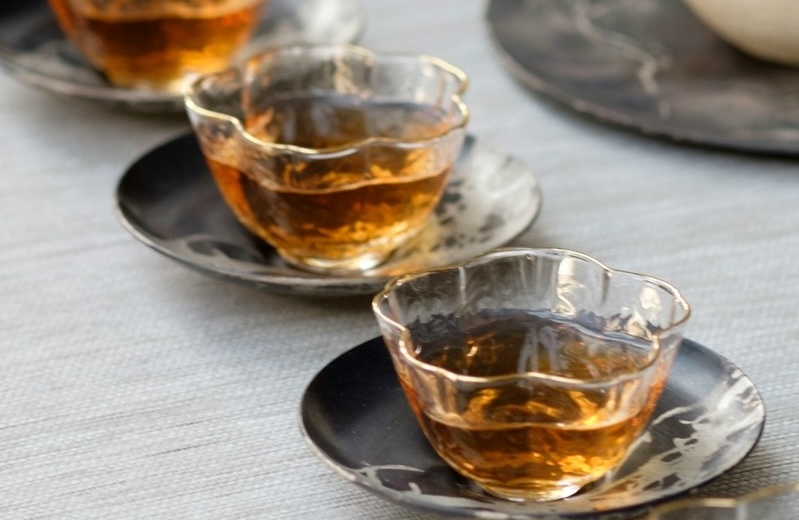
Teapots and teacups: Glass teapots are great for showcasing blooming teas, while ceramic teapots retain heat longer. For example, Two Trees Tea House in California encourages guests to steep their tea in a traditional Chinese gaiwan and sip from porcelain cups.
Glassware for iced teas: Tall, clear glasses highlight vibrant colors and layered drinks, especially when serving fruit-infused teas.
Serving trays: If your shop offers table service or self-serve stations, stylish trays can elevate the experience. They also make it easier for customers to carry multiple drinks.
Thermal carafes: If your shop serves tea in pots or large batches, insulated carafes help keep drinks hot without oversteeping.
Tea timers and clocks or digital timers: Consider providing timers to help customers steep their tea correctly.
Tabletop accessories: The small details complete the tea experience. Stock your shop with cream and sugar sets, spoons and stirrers, and tea bag holders.
7. Seating and interior design essentials
The ambiance of your tea shop is just as important as the drinks you serve. Whether customers are stopping in for a quick to-go order or settling in for a relaxing tea experience, the right seating and design choices create an inviting atmosphere that keeps them coming back.
Tables and chairs: Your seating setup depends on the vibe of your tea shop. Cozy two-person tables encourage intimate conversations, while communal tables or counter seating are great for a more social atmosphere. If space is limited, foldable or stackable chairs offer flexibility.
Barstools and counter seating: If you have a tea bar where customers can watch their drinks being made, barstools provide a great seating option. They also work well for small spaces that need efficient seating arrangements.
Cozy décor elements: Adding personal touches—like cushions, warm lighting, framed artwork, or hanging plants—creates a comfortable environment that invites customers to linger and enjoy their drinks.
Outdoor seating (if applicable): If space allows, having a few outdoor tables can attract customers who enjoy sipping tea in the fresh air. Be sure to invest in weather-resistant furniture and shade options like umbrellas or awnings.
Plantillas de planos de planta de restaurantes
Usa estas plantillas de planos de planta de restaurantes para inspirarte o como un mapa para orientarte. También puedes reimaginar el diseño y la configuración de los espacios de tu restaurante.

8. POS and customer experience technology
A smooth ordering process keeps your tea shop running efficiently, whether customers are grabbing a quick matcha latte or settling in for an afternoon tea.
POS (point-of-sale) system: A cafe-focused POS system streamlines everything from in-person orders to online sales. It can track best-selling drinks, manage inventory, and integrate with customer loyalty programs.
Cash register and receipt printer: A cash register and receipt printer ensure smooth transactions whether customers pay with cash, card, or mobile payments.
Self-service kiosks: If your tea shop has high foot traffic, self-ordering kiosks can speed up the process and reduce long lines. They’re especially useful for bubble tea shops with lots of customization options.
Digital menu boards: Having an easy-to-read, visually appealing menu helps customers browse and make quick decisions.
Online ordering and delivery integration: If your tea shop offers delivery or pickup, an integrated online ordering system makes it easy for customers to place their orders ahead of time—meaning less wait time and smoother operations.
Some tea shops also experiment with unique pricing and service models to create a welcoming, community-driven atmosphere. For example, Two Trees Tea House has a creative sliding scale model where customers pay what they can for the experience, in addition to the sale of tea tins.
9. Takeout and delivery packaging
If your tea shop offers takeaway or delivery, having the right packaging ensures that drinks arrive fresh, secure, and easy to carry. A good packaging strategy also reinforces your brand and can appeal to eco-conscious customers.
To-go cups with lids: Whether serving hot or iced tea, durable cups with secure lids prevent spills and maintain temperature. Double-walled cups are great for hot tea, while clear plastic cups are ideal for showcasing colorful iced teas.
Straws: Consider switching to paper, bamboo, or biodegradable straws to reduce plastic waste. Bubble tea shops often offer extra-wide straws for tapioca pearls, and some brands provide reusable metal or silicone options.
Insulated carriers: Insulated drink carriers are especially useful for catering orders or large takeout requests.
Custom-branded packaging: Custom cups, sleeves, and stickers help reinforce your tea shop’s brand. Branded bags or custom stamps on takeout boxes add a professional touch and turn every order into free advertising.
Lastly, keep in mind that sustainability is often about what you don’t give customers. For example, reusable cups are becoming increasingly popular. However, tea shops have been slow to hop on the trend. According to Daniel Elbaz of Plastic Pollution Coalition:
“When I found shops, I asked employees whether they could serve me their boba in my reusable cups. By the end of the process, I visited a total of twelve boba tea shops. Out of those twelve stores, only five of them agreed to serve their drinks to me in my reusable cups, while seven stores refused to serve me in anything but single-use plastic.”
10. Cleaning and maintenance supplies
Regular maintenance and cleaning not only keep your tea shop looking great, but also ensure that every cup of tea is served in a safe, sanitary environment. Keeping your equipment and workspace clean prevents contamination, extends the life of your machines, and ensures a smooth service every day.
Commercial dishwashers: If your shop uses reusable teapots, cups, or utensils, a high-efficiency dishwasher saves time and ensures everything is properly sanitized.
Sanitizing stations: Whether it’s for wiping down counters or cleaning tea-making tools, having a designated sanitizing station with food-safe cleaning products is essential for maintaining hygiene.
Sink and drainage systems: A well-designed sink setup helps with quick rinsing and hand-washing, keeping the prep area clean and organized. For larger tea shops, a three-compartment sink may be necessary to comply with food safety regulations.
Cleaning supplies: Use microfiber cloths, brushes for scrubbing tea stains, and specialized cleaning solutions for kettles and brewers.
Backup equipment and maintenance tools: Having spare strainers, extra kettles, and replacement parts for key equipment ensures your tea shop can continue running smoothly even if something breaks down.
Lista de verificación de limpieza para restaurantes
Descarga la Lista de verificación de limpieza para restaurantes, creada en colaboración con RestaurantSupply.com, para llevar un registro de las tareas de limpieza que deben realizarse en tu restaurante.
11. Kitchen equipment (for tea shops serving food)
If your tea shop serves more than just drinks—whether it’s pastries, sandwiches, or light snacks—you’ll need the right kitchen setup to keep up with demand while maintaining efficiency.
Kitchen display system (KDS): Streamline food preparation by replacing traditional paper tickets with digital order screens. Orders from the POS system go directly to the kitchen, ensuring staff can see, prioritize, and track food prep in real time.
Food prep stations: A dedicated prep area with stainless steel tables, cutting boards, and proper utensils makes it easier to assemble food items quickly and efficiently.
Ovens and toasters: If your menu includes baked goods, scones, or toasted sandwiches, a commercial oven or high-speed toaster is essential.
Panini press or griddle: If you serve grilled sandwiches, breakfast items, or warm pastries, a panini press or small griddle allows for quick preparation.
Soup warmers or slow cookers: Some tea shops expand their menu with soups or broths as a complement to tea.
Pastry display cases: If your shop sells croissants, muffins, or specialty desserts, a well-lit pastry display case can tempt customers to add a snack to their order.
Storage containers: Airtight storage bins for dry goods, prepped food, and baked items help maintain freshness and organization.
Launch your tea shop with the right equipment
Running a great tea shop requires having the right tools to brew, serve, and operate efficiently every day. With quality brewers, precise temperature controls, and well-organized prep stations, you can craft consistently excellent drinks. Plus, with smart storage, a reliable POS system, and thoughtful seating choices, you’ll create a smooth workflow and an inviting space for customers.
When selecting your equipment, think beyond just the price tag. Investing in high-quality, durable tools can save you time, reduce maintenance headaches, and keep your shop running at its best.
Ultimately, whether you’re serving frothy matcha lattes or boba-packed milk teas, the right equipment makes it easier to focus on what matters most—serving up great tea and a great experience, day after day!
¿Es útil este artículo?
AVISO LEGAL: Esta información se proporciona solo con fines informativos generales y su publicación no constituye un aval. Toast no garantiza la precisión ni la integridad de la información, el texto, los gráficos, los enlaces y otros elementos que incluye este contenido. Toast no garantiza que alcanzarás ningún resultado específico si sigues los consejos que aparecen aquí. Te recomendamos consultar con un profesional, como un abogado, contador o asesor comercial, para recibir asesoramiento específico para tu situación.
 Tendencias

Subscribe to On the line
Sign up to get industry intel, advice, tools, and honest takes from real people tackling their restaurants' greatest challenges.
Al enviar, aceptas recibir correos electrónicos de marketing de Toast. Trataremos tu información de acuerdo con nuestra declaración de privacidad. Información adicional disponible para residentes de California aquí.