Small business tools: Essential software types for retail success in 2025
Discover the essential types of small business tools retail operators need in 2025, from POS systems to inventory management and CRM software, to streamline operations and boost growth.

Autor
 RESOURCE
 Retail Store Opening and Closing Checklist
Use this free PDF checklist to set your staff up for success, every shift.
Obtener descarga gratisSmall business tools have become critical for retail success, with 95% of small businesses using at least one platform to manage operations. Eighty-seven percent of business owners agree that technology platforms help run their businesses more efficiently, making the right software selection essential for competitive advantage. From point-of-sale systems that double as inventory trackers to AI-driven analytics that forecast demand, today’s tools are no longer optional add-ons — they’re the foundation for running a modern retail business.
Key takeaways
The right small business tools streamline operations, improve customer service, and boost retail growth.
Essential categories include POS systems, inventory management, CRM software, e-commerce platforms, and accounting tools.
AI, automation, and project management platforms help retailers save time, cut costs, and make data-driven decisions.
Starting with free or low-cost options allows small businesses to test tools before upgrading to paid plans.
Retail Store Opening Costs Calculator
This free calculator lays out some of the fundamental financial costs of opening a retail store, so you can start planning and bring your dream business to life.

Point-of-sale (POS) systems
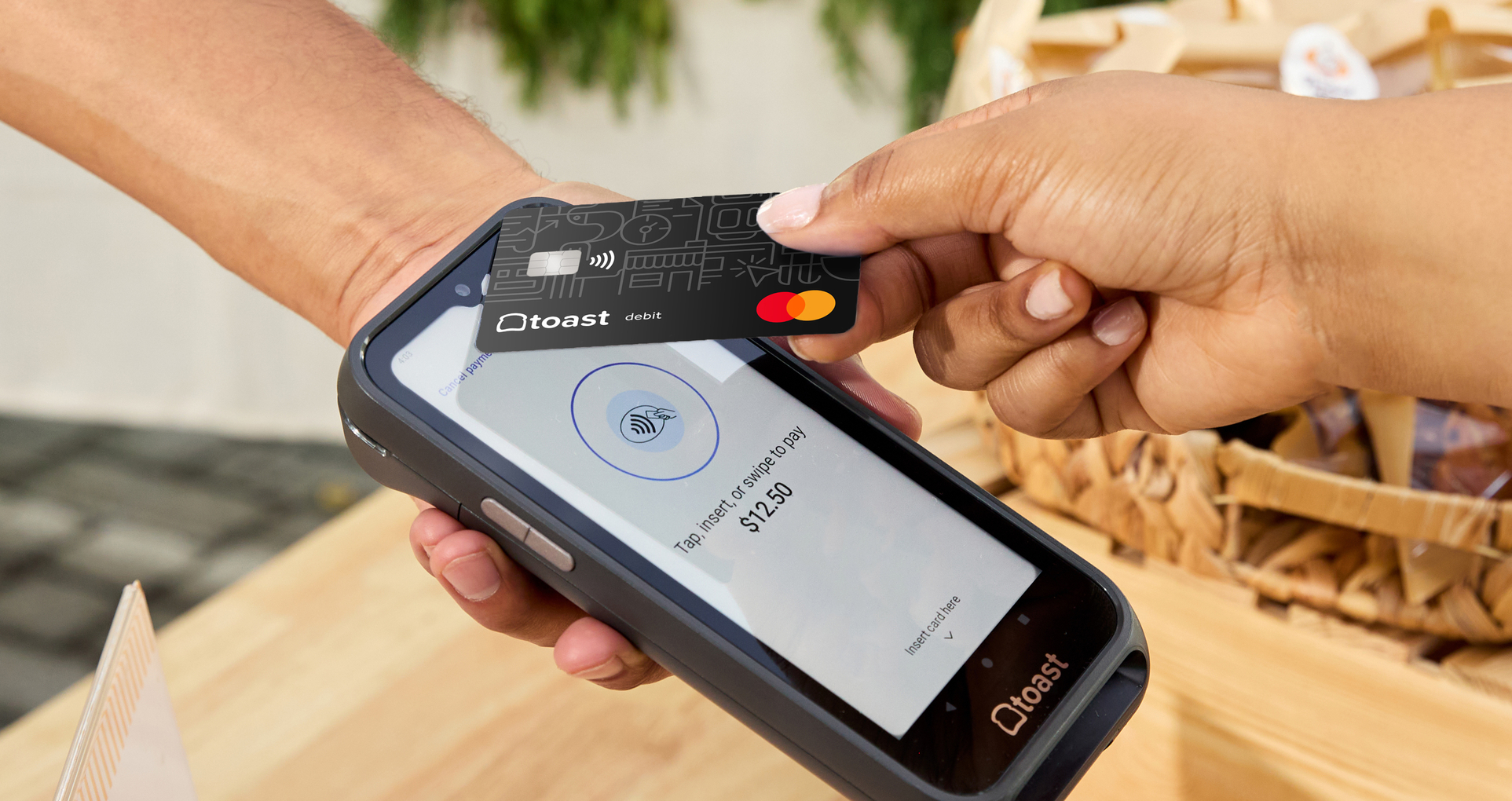
Modern POS systems serve as the operational backbone for retail businesses, handling transactions, inventory tracking, and customer management from a single platform.
Cloud-based POS solutions
Cloud-based systems allow real-time access to sales data from anywhere while automatically backing up transaction information. Key features include inventory management, sales reporting, employee scheduling, and customer data collection. Many platforms provide free basic plans, making them accessible for new retail businesses testing different systems.
For example, a neighborhood boutique can log in after hours to review daily sales from home, while staff at the store continue ringing up customers in real time.
Mobile POS applications
Mobile POS apps transform smartphones and tablets into complete payment terminals. These solutions work particularly well for pop-up shops, markets, and businesses requiring flexible checkout locations.
Processing fees typically range from 2.6% to 2.9% per transaction, depending on card presence and payment method. Offline payment capabilities ensure sales continue during internet outages.
Integrated payment processing
Built-in payment processors eliminate the need for separate merchant accounts while simplifying fee structures. They also streamline operations by integrating payment processing directly with core business management features. Some systems require using their own payment processor, while others allow third-party integration for businesses with specific banking relationships or high-risk industry requirements.
Inventory management software
Effective inventory control prevents stockouts and reduces carrying costs, directly impacting retail profitability and customer satisfaction.
Real-time inventory tracking systems
Real-time systems automatically update stock levels across all sales channels as transactions occur. Businesses can set reorder points and automatically generate purchase orders when inventory drops below threshold levels. Advanced features include multi-location tracking, vendor management, and demand forecasting based on historical sales patterns.
Barcode and QR code scanning tools
Scanning capabilities streamline inventory counts, receiving, and product lookups. Mobile apps support barcode and QR code scanning for real-time inventory updates from anywhere in the store. These tools reduce human error in inventory management while speeding up routine tasks like receiving shipments and conducting cycle counts.
For example, a home goods store can scan incoming shipments with a mobile device, instantly updating stock levels and triggering automatic reorders for popular items that sell out quickly.
Visual inventory management platforms
Visual systems use photos and location mapping to track equipment, tools, and supplies. These platforms work offline and sync automatically when connectivity returns, making them ideal for businesses with limited internet access. Features include custom fields, low-stock alerts, and team collaboration tools for distributed inventory management responsibilities.
Customer relationship management (CRM)
CRM systems help retailers build lasting customer relationships and increase lifetime value through personalized service and targeted marketing.
Contact management systems
Centralized contact databases store customer information, purchase history, and communication preferences in one location. Despite proven benefits, only 25% of small businesses have adopted CRM tools, leaving significant growth opportunities. Basic features include lead tracking, sales pipeline management, and automated follow-up reminders for improved customer service consistency.
As Patricia Fripp, executive speech coach and former president of the National Speakers Association, explains, “You don’t close a sale; you open a relationship if you want to build a long-term, successful enterprise.” Her words highlight the shift from one-off transactions to cultivating ongoing customer loyalty — something CRM tools are designed to support.
Customer communication platforms
Integrated communication tools track all customer interactions across email, phone, and in-person channels. Systems automatically pull email conversations into contact records without manual data entry. Advanced platforms provide AI suggestions for next-step tasks and automated workflow triggers based on customer behavior patterns.
Sales pipeline management tools
Pipeline tools visualize the customer journey from initial contact through purchase completion. These systems help identify bottlenecks in the sales process and optimize conversion rates. Reporting features track metrics like lead source effectiveness, sales cycle length, and individual salesperson performance for data-driven improvements.
For example, a specialty retailer can track when a customer browses online but doesn’t complete a purchase, then automatically follow up with a personalized email or discount to encourage them to return.
E-commerce platforms
Online sales channels have become essential for retail growth, with 51% of U.S. business now conducted online.
Hosted e-commerce solutions
Hosted platforms provide complete online store functionality, including hosting, security, and payment processing. These solutions typically charge monthly fees ranging from basic plans to enterprise-level subscriptions. OECD data shows 26% of small businesses and 34% of medium businesses actively make e-commerce sales, demonstrating growing adoption across business sizes.
Open-source e-commerce systems
Open-source platforms offer maximum customization flexibility without ongoing platform fees. Costs include hosting, domain registration, and optional premium extensions for enhanced functionality. These solutions suit retailers confident in technical setup requirements and seeking complete control over their online store design and functionality.
Multi-channel selling platforms
Multi-channel systems connect online stores with physical retail operations, marketplaces, and social media selling channels.Companies with strong omnichannel engagement strategies retain 89% of their customers, compared to just 33% for those with weak strategies. Unified inventory management prevents overselling while centralized order processing streamlines fulfillment across all channels.
For example, a local toy store can sell products in-store, on its website, and through social media shops, while one connected system keeps inventory synced across every channel to prevent overselling.
Email marketing and automation
Email marketing delivers strong returns for small businesses, though 25% of small businesses still don't use email marketing tools despite proven effectiveness.
Email campaign builders
Drag-and-drop builders enable professional email creation without design skills. These platforms provide templates, automated workflows, and detailed analytics for campaign optimization. Integration capabilities connect with CRM systems and e-commerce platforms for comprehensive customer communication strategies.
Marketing automation platforms
Automation tools trigger email sequences based on customer behavior, like abandoned carts, purchase history, or website activity. Over 30% of sales processes can be automated, saving time and improving consistency. Advanced features include customer segmentation, A/B testing, and personalized content delivery based on individual preferences.
Newsletter and content management systems
Regular communication tools help maintain customer engagement between purchases. These platforms track engagement metrics and optimize send times for improved open rates. Content calendars and template libraries streamline newsletter creation while ensuring consistent brand messaging across all communications.
For example, a small apparel shop might send an automated email reminder when a customer abandons their cart, then follow up with a limited-time discount to encourage them to complete the purchase.
Project management tools
Effective project management becomes critical as retail businesses scale operations and manage multiple initiatives simultaneously.
Task and workflow management systems
Digital task management replaces spreadsheets and paper lists with organized project tracking. Free visual project management boards support unlimited users, making them ideal for growing teams. Features include deadline tracking, team collaboration, and progress visualization for improved project completion rates.
Team collaboration platforms
Collaboration tools enable communication across departments and locations. File sharing capabilities and real-time updates ensure all team members have access to current information. Integration with other business tools creates unified workflows, reducing context switching between applications.
Resource planning software
Resource management helps allocate staff time, budget, and materials across multiple projects. Visual project tracking allows managers to identify bottlenecks and optimize resource utilization. Advanced platforms include time tracking, budget management, and capacity planning for comprehensive project oversight.
For example, a growing retail chain can assign store renovation tasks, marketing deadlines, and staff training to one shared project board, ensuring every team stays on schedule without relying on endless email threads.
Accounting and financial management
Accurate financial tracking enables informed business decisions and regulatory compliance for retail operations.
Cloud-based accounting software
Cloud accounting provides real-time financial data access from any location while ensuring automatic data backup. These platforms handle income tracking, financial reporting, and tax document preparation. Integration with POS systems and e-commerce platforms automates transaction recording and reduces manual bookkeeping requirements.
Invoice and payment processing tools
Automated invoicing systems generate professional invoices and track payment status. Online payment acceptance reduces collection times while improving cash flow. Features include recurring billing for subscription services, late payment reminders, and integration with accounting software for complete financial tracking.
Financial reporting and analytics platforms
Reporting tools transform raw financial data into actionable business insights. Customizable dashboards track key performance indicators like profit margins, inventory turnover, and customer acquisition costs. Advanced analytics identify trends and forecasting opportunities for strategic planning and growth initiatives.
For example, a boutique retailer can automatically generate monthly financial reports that highlight which product categories drive the most profit, helping owners decide where to focus future investments.
Business communication tools
Effective communication platforms support team collaboration and customer service across growing retail organizations.
Team messaging and chat platforms
Organized messaging channels separate conversations by project, department, or topic. File sharing and integration capabilities support comprehensive business communication needs. Real-time collaboration features help distributed retail teams coordinate operations across multiple locations or remote workers.
Video conferencing and meeting tools
Video platforms enable face-to-face communication for remote teams, vendor meetings, and customer consultations. Screen sharing and recording capabilities support training and documentation needs. Integration with calendar systems streamlines meeting scheduling while automated transcription services create searchable meeting records.
Customer service and support systems
Dedicated support platforms manage customer inquiries across email, chat, and phone channels. Ticket tracking ensures no customer issues fall through the cracks. Knowledge base integration provides consistent answers while performance metrics help optimize response times and resolution rates.
For example, a small retail team with multiple store locations can use a shared chat channel to coordinate staffing changes instantly, while customer service software ensures shoppers get quick answers even when the manager isn’t available.
AI and automation adoption
Artificial intelligence tools offer significant productivity improvements, though 83% of small businesses aren't using AI yet despite potential benefits.
AI-powered business intelligence
AI spend in retail is expected to reach $20.05 billion by 2026, with a 39% compound annual growth since 2019. Business intelligence tools analyze sales patterns and customer behavior for informed decision-making. Predictive analytics help forecast demand, optimize inventory levels, and identify growth opportunities based on historical data trends.
For example, a specialty food retailer can use AI analytics to spot rising demand for seasonal products, helping them stock up on bestsellers ahead of peak shopping periods and reduce excess inventory on slow-moving items.
Automated workflow platforms
Low-code platforms reduce development time by 70% while enabling non-technical users to create automated processes. These tools connect different business applications for seamless data flow. Small businesses save an average of 40% on development costs using automation platforms compared to custom software development.
Customer service automation
Chatbots and AI assistants handle routine customer inquiries while routing complex issues to human representatives. By 2030, over 50% of small businesses are expected to adopt AI tools. Natural language processing improves response accuracy while machine learning capabilities enhance performance over time.
Implementation best practices
Successful small business tool adoption requires strategic planning and realistic implementation timelines.
Tool integration strategy
Select platforms offering robust integration capabilities with existing business systems. Connected applications provide higher revenue growth and faster expansion compared to standalone software solutions. Prioritize tools that share data automatically to eliminate manual entry requirements and reduce error risks.
Budget considerations
Consider the total cost of ownership, including setup fees, monthly subscriptions, transaction costs, and training requirements, when evaluating software options. Many platforms offer free tiers for testing functionality before committing to paid plans, reducing implementation risks for budget-conscious businesses.
Training and adoption
Plan comprehensive staff training for new software implementations. Seventy-three percent of employers prioritize onboarding AI-skilled talent, highlighting the importance of technical competency for business success.
Retail Marketing Plan
Create a marketing plan that'll drive repeat business with this customizable marketing playbook template and interactive calendar.
FAQ
What types of tools are most essential for small retail businesses?
Essential tool categories include POS systems, inventory management software, CRM platforms, e-commerce solutions, and accounting software. Ninety-five percent of small businesses use at least one platform to manage operations.
How much should small retailers budget for business software?
Software costs vary from free options to premium solutions costing hundreds monthly. Small businesses save 40% on development costs with low-code platforms compared to custom solutions.
What type of POS system works best for small retail businesses?
Cloud-based POS systems with mobile capabilities work best for most small retailers due to flexibility and real-time data access. Free basic plans allow testing before committing to paid features.
Are AI tools worth investing in for small retail businesses?
AI spend in retail is expected to reach $20.05 billion by 2026, though 83% of small businesses aren't using AI yet. Early adoption can provide competitive advantages.
How do I choose between free and paid business tools?
Start with free options when learning new software categories, then upgrade as business needs grow. Eighty-seven percent of business owners agree that technology platforms help run businesses more efficiently, justifying investment in quality tools.



¿Es útil este artículo?
AVISO LEGAL: Esta información se proporciona solo con fines informativos generales y su publicación no constituye un aval. Toast no garantiza la precisión ni la integridad de la información, el texto, los gráficos, los enlaces y otros elementos que incluye este contenido. Toast no garantiza que alcanzarás ningún resultado específico si sigues los consejos que aparecen aquí. Te recomendamos consultar con un profesional, como un abogado, contador o asesor comercial, para recibir asesoramiento específico para tu situación.
 Tendencias

Subscribe to On the line
Sign up to get industry intel, advice, tools, and honest takes from real people tackling their restaurants' greatest challenges.
Al enviar, aceptas recibir correos electrónicos de marketing de Toast. Trataremos tu información de acuerdo con nuestra declaración de privacidad. Información adicional disponible para residentes de California aquí.