
8 Ethical Retail Loss Prevention Strategies
Looking for retail loss prevention strategies that are effective and ethical? These 8 approaches reduce theft and shrinkage without compromising customer or employee trust.
Autor
 RESOURCE
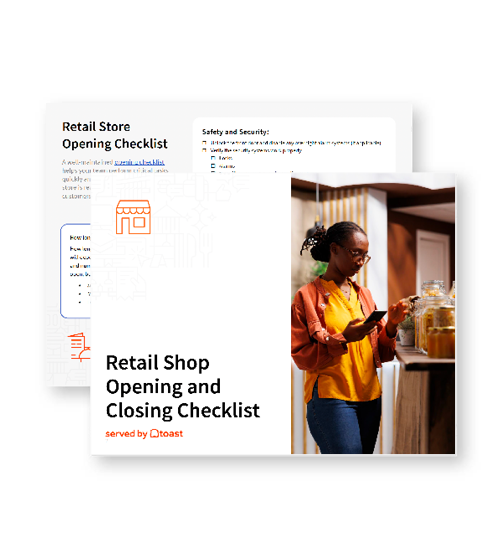
 Retail Store Opening and Closing Checklist
Use this free PDF checklist to set your staff up for success, every shift.
Obtener descarga gratisShrink and organized retail crime (ORC) remain serious concerns for many retailers' bottom lines — especially small businesses operating on tight margins. Hrag Kalabjian, a member of the U.S. Chamber’s Small Business Council, has described how crime impacts his family-run coffee shop in California:
“The costs associated with keeping people from breaking in and destroying our property add up, especially when business is still recovering from the economic downturn of the pandemic.”
At the same time, customer expectations around privacy and in-store experiences are evolving. While 45% of consumers believe technology should be used to combat ORC, 55% don’t fully support heavy surveillance approaches. This means retailers must balance security with trust.
The challenge isn’t whether to prevent loss. It’s how to do it responsibly. In this guide, we’ll explore practical retail loss prevention strategies that protect margins, strengthen operations, and preserve a positive customer experience.
Key takeaways
Effective loss prevention strategies in retail start with strong systems — not aggressive surveillance.
Improving inventory accuracy and POS controls can reduce shrink without disrupting the customer experience.
Staff training should focus on observable behavior and consistent policies, not profiling.
Technology works best when used transparently and strategically to support operations.
Protecting margins and preserving customer trust can go hand in hand with the right approach.
Grocery and Food Inventory Template
Use this Excel spreadsheet template to stay organized and manage your store's inventory with ease.

1. Build systems before adding surveillance
When loss prevention becomes the focus, it’s tempting to start with cameras and security tech. But the strongest strategies begin with operational discipline. Clear systems reduce errors, limit opportunities for internal loss, and create accountability — all without making customers feel like they’re being watched.
Well-designed processes prevent shrink quietly and professionally. Instead of relying on reactive measures, retailers can strengthen the controls already built into daily operations. Strong system-based safeguards include:
Clear POS controls: Limit overrides, voids, and discounts to defined roles to reduce transactional risk.
Role-based permissions: Ensure employees only have access to the functions necessary for their job.
Manager approval workflows: Require oversight for high-risk actions like large refunds or price adjustments.
Audit logs: Maintain detailed transaction histories to identify patterns or inconsistencies.
Transparent refund policies: Clearly communicated return rules reduce confusion and abuse.
2. Prioritize inventory accuracy
Not all shrink is theft. In many cases, it’s the result of process breakdowns — missed shipments, data entry errors, or inconsistent counting procedures. Improving inventory accuracy is one of the most effective and least intrusive loss prevention strategies available.
When you rely on data instead of assumptions, you can identify issues early and address root causes rather than symptoms. Effective inventory controls include:
Cycle counts: Conduct regular spot counts to catch discrepancies before they grow.
Real-time tracking: Use integrated systems to maintain up-to-date inventory visibility.
Receiving audits: Verify shipments against purchase orders before items hit the sales floor.
SKU variance reporting: Monitor discrepancies between sales data and physical stock.
Reconciliation procedures: Regularly review and resolve differences between systems and counts.
3. Train staff without encouraging profiling
Your team is one of your most effective loss prevention tools — but how they’re trained matters. Policies should focus on observable behavior, not assumptions about appearance or background. When employees understand what to look for and how to respond appropriately, they can protect the business without compromising the customer experience.
Retail loss prevention works best when it’s behavior-based and consistently applied. Strong customer service — greeting shoppers, offering assistance, and maintaining visible staff presence — often deters theft more effectively than intimidation or confrontation. Key training practices include:
Focus on behavior, not appearance: Train staff to respond to actions, not personal characteristics.
Clear customer service engagement standards: Encourage proactive, friendly interaction with all shoppers.
De-escalation training: Equip employees to handle tense situations calmly and professionally.
Policy clarity: Provide written guidelines for handling suspected theft or suspicious activity.
Consistent enforcement: Apply policies equally to avoid confusion and reputational risk.
4. Use technology transparently and strategically
Technology can play a valuable role in retail loss prevention — but it should support operations, not create distrust. Customers are increasingly aware of in-store surveillance, and how it’s implemented can influence brand perception. Smart, balanced uses of technology include:
Visible (not hidden) cameras: Clearly placed surveillance can deter theft without creating secrecy.
Smart analytics for patterns: Use data to identify trends in shrink rather than targeting individuals.
POS exception reporting: Monitor high-risk transaction types like voids and refunds.
RFID for inventory accuracy: Improve stock visibility and reduce shrink through better tracking.
Signage explaining safety measures: Communicate security practices openly to build transparency.
5. Design your store for visibility and flow
Thoughtful design improves visibility, supports customer service, and reduces blind spots — all without creating an atmosphere of suspicion. When shoppers feel comfortable and staff can easily observe the sales floor, shrink often decreases naturally.
Environmental design is one of the most effective ways to deter theft without aggressive monitoring. Smart layout strategies include:
Open sightlines: Avoid tall fixtures or cluttered displays that create hidden areas.
Good lighting: Bright, consistent lighting improves visibility and enhances the shopping experience.
Strategic product placement: Position high-value items in well-trafficked, easily monitored areas.
Clear exit pathways: Maintain organized entry and exit points to support smooth traffic flow.
Staff positioning: Place associates where they can assist customers while maintaining natural oversight.
6. Strengthen vendor and receiving controls
Loss prevention doesn’t start on the sales floor. Shrink can occur during receiving, storage, or vendor handling long before products are available for purchase. Strong internal controls ensure accountability at every step of the supply chain.
Professional, consistent receiving procedures reduce errors and limit opportunities for internal loss. Key controls include:
Shipment verification: Check deliveries against purchase orders before signing off.
Receiving logs: Document who received shipments and when.
Vendor audits: Periodically review discrepancies and performance.
Restricted backroom access: Limit who can access inventory storage areas.
Invoice reconciliation: Match invoices to physical inventory and system records.
7. Monitor returns without punishing honest customers
Returns fraud can be a significant source of retail shrink — but overly restrictive policies can frustrate legitimate shoppers. The goal isn’t to make returns difficult; it’s to create fair, consistent guidelines that protect your business while maintaining trust.
Clear, transparent policies reduce abuse without alienating customers who are simply trying to resolve a purchase issue. Balanced return controls include:
Receipt requirements: Require proof of purchase to reduce fraudulent claims.
Return windows: Set reasonable time limits to prevent long-term misuse.
Digital tracking: Monitor return patterns to identify unusual activity.
Centralized approval for large refunds: Require managerial review for high-value transactions.
Clear communication: Post return policies visibly and explain them consistently.
8. Create a culture of accountability
Technology and procedures matter, but culture is just as important. Most shrink isn’t dramatic theft — it’s small procedural gaps, inconsistent enforcement, or unclear expectations. Building a culture of accountability strengthens internal controls without creating a punitive atmosphere.
When leadership models integrity and reinforces standards consistently, teams are more likely to follow suit. A strong accountability culture includes:
Written policies: Document procedures clearly and make them accessible to staff.
Ethics training: Reinforce expectations around honesty, compliance, and professionalism.
Leadership modeling: Managers should follow the same standards they expect from employees.
Performance metrics: Track shrink and compliance data to identify improvement areas.
Anonymous reporting: Provide a safe way for employees to raise concerns.
Reduce shrink, not trust
Effective loss prevention isn’t about turning your store into a surveillance zone. When your systems are strong, your inventory is accurate, and your team is trained to focus on behavior rather than assumptions, shrink naturally decreases.
The retailers who succeed long term are the ones who protect their margins without sacrificing trust. By prioritizing transparency, consistency, and thoughtful use of technology, you can reduce loss while still creating a shopping experience customers feel good about.
FAQ
What is retail shrinkage?
Retail shrinkage is the loss of inventory caused by theft, fraud, administrative errors, or vendor discrepancies. It represents the gap between recorded inventory and actual physical stock, and it directly affects a retailer’s profitability.
What percentage of retail shrink comes from employees?
Retail shrink can come from both internal and external sources, including employee theft, shoplifting, vendor issues, and process errors. The exact breakdown varies by retailer, but internal shrink is often a significant contributor.
How does a POS system help with loss prevention?
A POS system supports loss prevention by tracking transactions in real time, monitoring refunds and voids, maintaining audit logs, and limiting access through role-based permissions. These controls improve accountability and help identify irregular patterns early.
What are the most stolen product categories in retail?
Products that are small, high-value, or in strong consumer demand are typically more vulnerable to theft. This can include items like electronics, apparel, cosmetics, and easily resold merchandise, depending on the store type.
Is organized retail crime increasing?
Many retailers report ongoing concerns about organized retail crime, particularly in certain regions. While trends vary by market, businesses are increasingly focused on balancing prevention efforts with customer experience.
What is the most effective deterrent against shoplifting?
There isn’t a single solution. The most effective approach combines strong operational systems, clear policies, engaged staff presence, and thoughtful store design — all applied consistently and professionally.


¿Es útil este artículo?
AVISO LEGAL: Esta información se proporciona solo con fines informativos generales y su publicación no constituye un aval. Toast no garantiza la precisión ni la integridad de la información, el texto, los gráficos, los enlaces y otros elementos que incluye este contenido. Toast no garantiza que alcanzarás ningún resultado específico si sigues los consejos que aparecen aquí. Te recomendamos consultar con un profesional, como un abogado, contador o asesor comercial, para recibir asesoramiento específico para tu situación.
 Tendencias


Subscribe to On the line
Sign up to get industry intel, advice, tools, and honest takes from real people tackling their restaurants' greatest challenges.
Al enviar, aceptas recibir correos electrónicos de marketing de Toast. Trataremos tu información de acuerdo con nuestra declaración de privacidad. Información adicional disponible para residentes de California aquí.