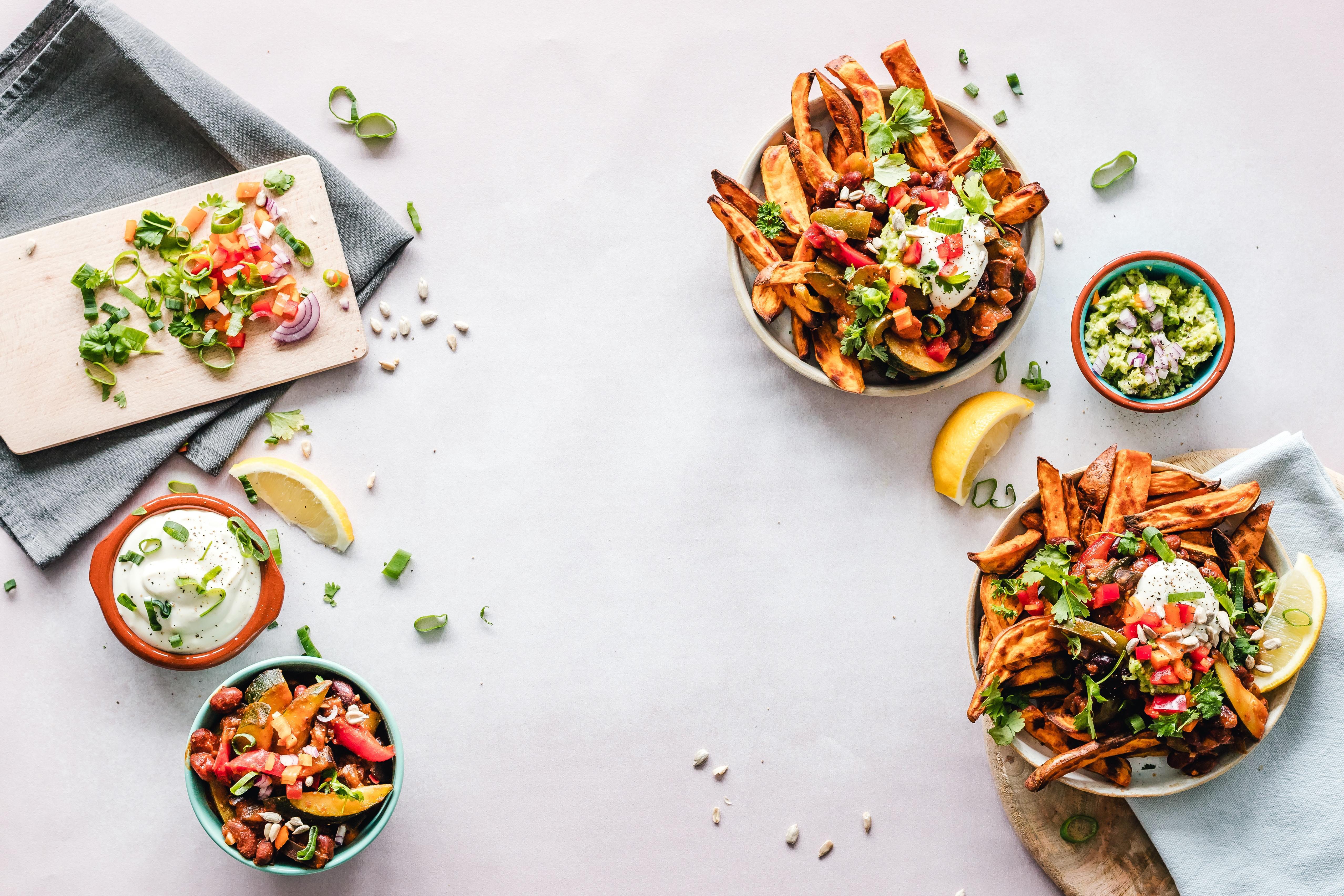
10 Lunch Trends Shaping the Food Industry in 2026
From plant-based innovations to sustainable practices, explore the essential lunch trends every food industry professional needs to know in 2026.

Autor
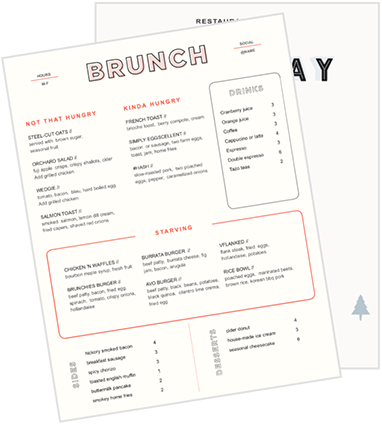
 RECURSO
 Plantillas de menús de restaurante
Usa estas plantillas de menús como punto de partida para el diseño de tu menú o para renovar tu menú actual.
Obtener descarga gratisLunch is evolving. Diners are making different choices, opting for healthier meals, sustainable options, and convenience without compromise. If you run a restaurant, manage a quick-service spot, or develop menus, staying ahead of lunch trends isn’t just helpful; it’s essential for success this year.
Let's explore how lunch offerings are evolving and what it means for your business in 2026.
Top 10 lunch trends
1. Plant-based lunch options
Plant-based meals have firmly moved into the mainstream, appealing not only to vegans and vegetarians but also to flexitarians and health-conscious Gen Z and millennials looking to diversify their diets.
Key aspects of this trend include:
Innovative plant proteins beyond basic tofu and tempeh
Integration with other dietary preferences (gluten-free, high-protein)
Emphasis on whole foods rather than just processed alternatives
Sweetgreen exemplifies successful implementation through its Shroomami Bowl, which combines tofu, wild rice, roasted mushrooms, and umami-forward dressings. Their commitment to plant-forward menu development has positioned them as leaders in the healthy lunch sector.
2. Global street food inspirations
Street food classics from around the world, especially tacos, sandwiches, and dumplings, are transforming restaurant menus as consumers seek authentic international dining experiences during their lunch breaks.
Key aspects of this trend include:
Tacos, dumplings, banh mi, and shawarma
Regional spice blends and sauces
Fusion concepts (Korean-Mexican, Thai-Italian)
Hand-held, portable meals
Birria-Landia in New York City demonstrates successful market implementation with their authentic Mexican birria tacos that gained massive popularity through TikTok and Instagram. Their focused menu and quality-driven approach have created hour-long lines and inspired countless pop-up concepts.
3. Elevated sandwiches
The humble sandwich is experiencing a renaissance, with artisanal breads, premium ingredients, and creative culinary techniques transforming this lunch staple.
Key aspects of this trend include:
Artisanal sourdough and specialty breads
Housemade condiments and spreads
Locally and sustainably sourced proteins
Hewn Bakery in Illinois has built a reputation on elevated sandwiches featuring house-baked sourdough, heirloom tomatoes, and locally sourced cheeses. Their farm-to-table approach demonstrates how even simple lunch items can be transformed through quality ingredients and careful execution.
4. Protein-packed lunches
High-protein, nutrition-focused lunch options continue to gain traction as consumers seek meals that support active lifestyles and dietary goals. According to a recent study by Toast, 43% of guests wish more restaurants offered high-protein meals.
Key aspects of this trend include:
Balanced macronutrient profiles
Popular dietary options (keto, paleo, Whole30)
Clear nutrition labeling
Emphasis on clean, minimal ingredients
Chipotle's Lifestyle Bowls exemplify this trend with their tagline "A Bowl For Every Lifestyle." Their dedicated menu offers Keto, Whole30, Vegan, Vegetarian, Paleo, High Protein, Gluten Free, and Grain Free options that "feel good, taste good, are good." This approach allows consumers to align their lunch choices with specific dietary preferences while maintaining the convenience of quick-service dining.
5. DIY meal kits for lunch
Pre-packaged meal kits designed specifically for lunch preparation offer a middle ground between fully prepared options and cooking from scratch.
Key aspects of this trend include:
Quick assembly time (under 10 minutes)
Customizable ingredients
Sustainable packaging
Hungryroot is a great example of this with its personalized grocery delivery service. Hungryroot combines fresh ingredients with simple recipes for quick-assembly meals like grain bowls, salads, and sandwiches.
6. Local meal delivery
Prepared meal delivery services focusing on local ingredients and freshness provide a convenient alternative to traditional takeout or lunch preparation. According to Toast, 59% of consumers name grab-and-go items as a top product category to purchase.
Key aspects of this trend include:
Rotating seasonal menus
Targeted dietary options (keto, paleo, vegan)
Eco-friendly packaging and delivery methods
Thistle exemplifies this trend with their ready-to-eat meals delivered directly to consumers' homes or workplaces. Their plant-forward approach and commitment to local sourcing have established them as a leader in the prepared meal delivery space, particularly among health-conscious professionals seeking convenience without compromising on nutrition or sustainability.
7. Functional foods
Lunch options designed with specific health benefits beyond basic nutrition are gaining popularity as consumers seek meals that contribute to overall wellness. In fact, 53% of diners actively seek out restaurants that offer healthier options, making it clear that wellness-driven dining isn’t just a trend – it’s an expectation.
Key aspects of this trend include:
Incorporation of adaptogens and superfoods
Focus on gut health and digestion
Immune-supporting ingredients
Cafe Bombay, located in Bristol, PA, serves a diverse array of dishes crafted with traditional spices such as turmeric and coriander, known for their health benefits.
8. Bowls over plates
Bowl-based meals continue to dominate the lunch landscape, offering versatility, portability, and Instagram-worthy presentation.
Key aspects of this trend include:
Adaptability across cuisine types
Efficient production in commercial kitchens
Optimization for delivery and takeout
CAVA has built its entire concept around customizable grain bowls featuring Mediterranean ingredients. Their assembly-line approach allows for personalization while maintaining operational efficiency, making their model particularly successful in high-volume lunch markets where speed and customization are equally valued.
9. Luxury fast-casual dining
The rise of premium fast-casual concepts bridges the gap between quick-service convenience and fine dining quality, particularly appealing to professionals seeking an elevated lunch experience.
Key aspects of this trend include:
Chef-driven concepts with fast-casual service models
Use of high-end and expensive ingredients
Limited but meticulously executed menus
Shake Shack's Truffle Menu exemplifies this trend, featuring black truffle sauce, premium beef, and gourmet toppings typically associated with fine dining. Their ability to deliver luxury ingredients through a fast-casual model has established them as leaders in the premium quick-service category, attracting consumers willing to pay more for an elevated lunch experience.
10. Seasonal and hyperlocal lunches
Menus driven by hyperlocal sourcing and seasonal availability represent the growing connection between lunch options and sustainable food systems.
Key aspects of this trend include:
Direct farm-restaurant relationships
Menu flexibility based on seasonal availability
Reduced environmental impact
Blue Hill at Stone Barns pioneered this approach with their ever-changing menus based on what's growing in their fields that week. Their farm-to-table model demonstrates how seasonality can drive menu innovation and create unique dining experiences that connect consumers more deeply to their food sources.
Lunch ideas for restaurant owners
Restaurant owners can capitalize on these trends by conducting trend-based menu audits to identify gaps where plant-based options, functional ingredients, or elevated sandwiches could be incorporated.
When implementing new items, try:
Developing at least three menu items at different price points to test consumer response before fully committing.
Rotating specials using seasonal trends as an opportunity for low-risk, limited-time offerings.
Promoting new offerings through targeted email campaigns, engaging social media content, and in-store signage.
Looking forward
The lunch landscape continues to evolve rapidly, with consumers expecting more from their midday meals than ever before. From nutrition and sustainability to convenience and experience, today's lunch trends reflect broader shifts in our relationship with food.
For businesses, staying ahead of these trends offers significant competitive advantages. Whether you're developing new menu items, designing restaurant concepts, or creating packaged lunch products, understanding these shifts in consumer expectations will help you navigate the future of the lunch market successfully.
¿Es útil este artículo?
AVISO LEGAL: Esta información se proporciona solo con fines informativos generales y su publicación no constituye un aval. Toast no garantiza la precisión ni la integridad de la información, el texto, los gráficos, los enlaces y otros elementos que incluye este contenido. Toast no garantiza que alcanzarás ningún resultado específico si sigues los consejos que aparecen aquí. Te recomendamos consultar con un profesional, como un abogado, contador o asesor comercial, para recibir asesoramiento específico para tu situación.
 Tendencias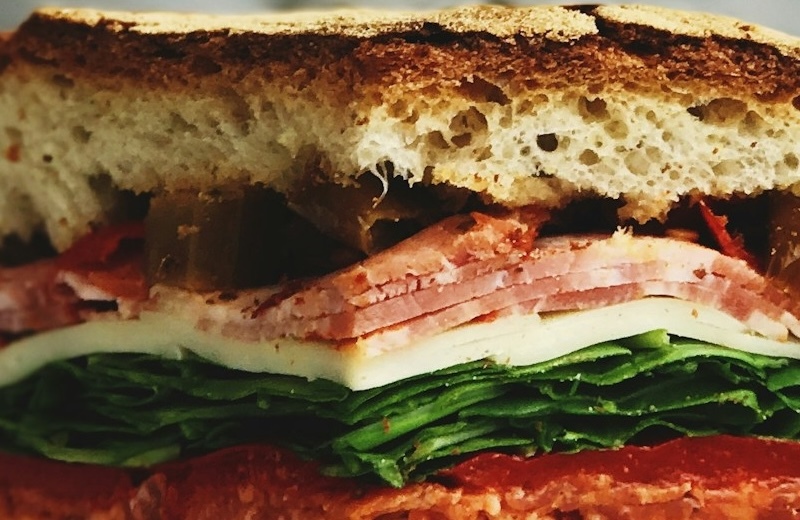

Subscribe to On the line
Sign up to get industry intel, advice, tools, and honest takes from real people tackling their restaurants' greatest challenges.
Al enviar, aceptas recibir correos electrónicos de marketing de Toast. Trataremos tu información de acuerdo con nuestra declaración de privacidad. Información adicional disponible para residentes de California aquí.