
The Best Low ABV Cocktails To Order At A Bar
From sherry to spritzes, discover why low ABV cocktails are the biggest trend in modern mixology this year.
Autor
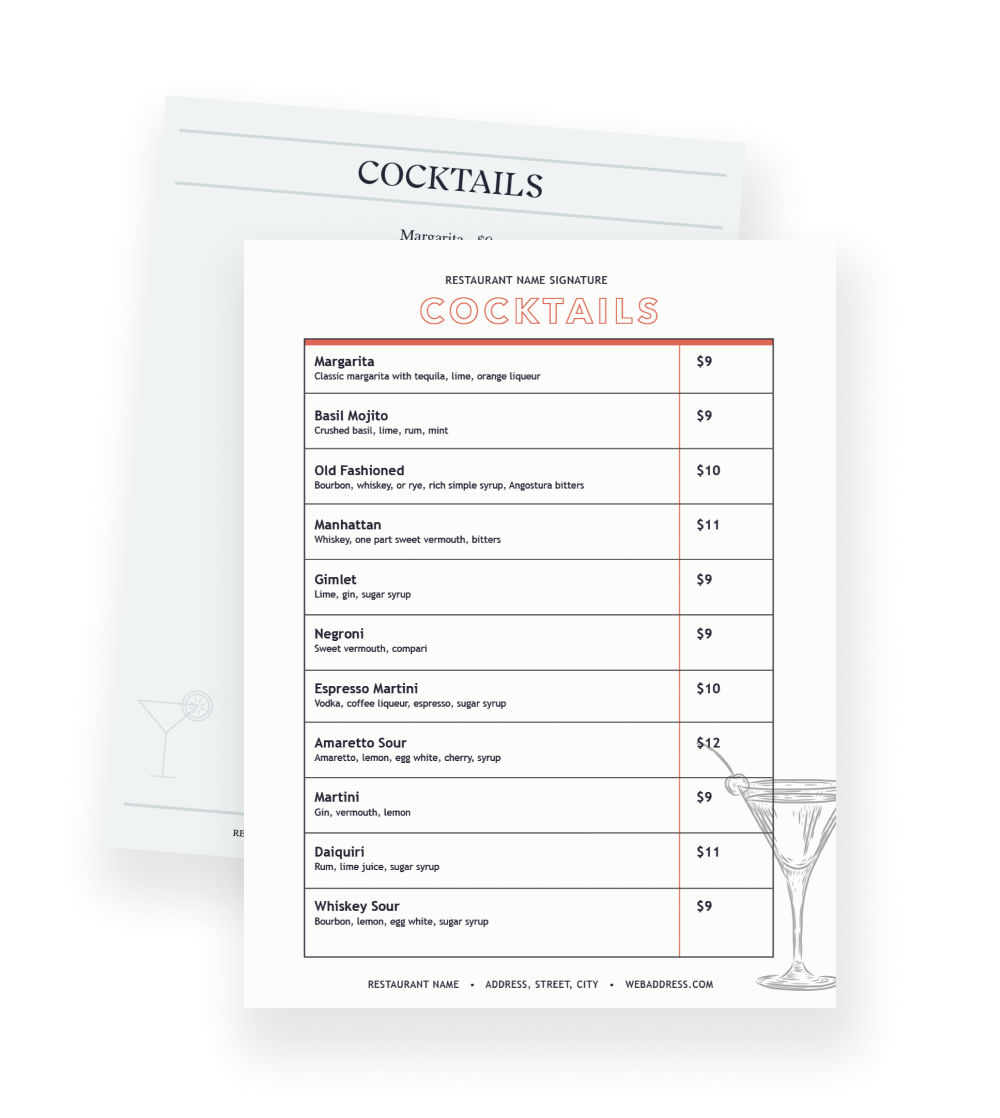
 RESOURCE
 Cocktail Menu Templates
Use these cocktail menu templates as a starting point for your menu design or to give your menu a refresh.
Obtener descarga gratisThe Best Low ABV Cocktails To Order At A Bar
In 2025, low ABV (alcohol by volume) cocktails have evolved from a passing trend to a permanent fixture in modern drinking culture. These lighter libations offer the complexity and satisfaction of traditional cocktails while containing less alcohol, making them perfect for extended social occasions, health-conscious drinkers, and those seeking a more balanced approach to enjoying spirits.
According to recent data from Mintel, nearly 50% of sober-curious consumers say they’re making the shift to improve their health, one of the leading drivers behind the rise of low and no-alcohol beverage options. This article explores the rise of low ABV cocktails, their benefits, popular recipes, and why they're capturing the attention of both bartenders and consumers in the current year.
Plantilla de fichas de recetas
Capacita a tu equipo con esta plantilla de fichas de recetas, una planilla de Excel personalizable donde se describe todo lo que los chefs y el personal de servicio necesitan para preparar una receta.

What are low ABV cocktails?
Low ABV cocktails are drinks that contain a lower percentage of alcohol compared to traditional cocktails. While there's no strict definition, these beverages typically contain about 10% to 15% ABV — a significant drop from traditional cocktails, which often sit around 20% to 30% ABV or higher when made with full-proof spirits like whiskey, vodka, or gin.
Instead of relying on high-proof bases, low ABV cocktails are built around flavorful, lower-alcohol ingredients such as:
Fortified wines: Vermouth, sherry, port
Aperitifs: Aperol, Campari, Lillet
Amari: Bittersweet Italian liqueurs like Averna or Cynar
Liqueurs: Typically in the 15% to 30% ABV range
Lower-proof spirits diluted with generous portions of non-alcoholic mixers (soda water, juices, teas, etc.)
These ingredients make it possible to craft drinks that are just as nuanced and complex as their boozier counterparts, with a gentler impact.
The rise of low ABV cocktails
The growing popularity of low ABV cocktails reflects a broader cultural shift: drinking less, but drinking better. According to the Diageo Bar Academy, one of the top bar industry trends for 2025 is moderation, which has been building momentum for years and shows no sign of slowing down..
Industry expert Claire Warner, Head of Advocacy at Diageo GB, notes the global drinks industry is seeing “a significant surge in the popularity of alcohol-free cocktails, driven by evolving consumer preferences and a growing emphasis on health and wellbeing.” But it’s not just about zero-proof — low ABV cocktails are thriving in that rich middle ground between indulgence and intention.
Health and wellness focus
Today’s drinkers are more health-conscious than ever. Mixologist April Wachtel predicts lower ABV cocktails will dominate in 2025 “as more people embrace mindful drinking and prioritize wellness.” These cocktails allow guests to enjoy the flavor and ritual of a drink, without the full impact of alcohol.
Extended social experiences
Low ABV drinks are perfect for longer social gatherings or multi-course meals. They allow guests to savor multiple rounds without feeling overwhelmed, supporting a more balanced and sociable pace of drinking.
Flavor exploration
The low ABV movement has coincided with a renaissance in fortified wines, amaros, and aperitifs, rediscovering complex flavors in ingredients like vermouth, amari, and bitters. Bartenders are embracing these ingredients not just for their lower alcohol content but for their rich flavor profiles that can create sophisticated drinks.
Generational shifts
Younger consumers are driving some of this change. According to Nielsen data referenced in 2025 trend reports, over 40% of Gen Z have never tried alcohol, representing a significant shift in drinking culture.
Popular low ABV cocktail ingredients
The low ABV cocktail movement has brought several key ingredients into the spotlight:
Vermouth (15% to 18% ABV)
This fortified, aromatized wine has graduated from supporting player to star ingredient. Available in sweet (red/rosso), dry (white/bianco), and blanc varieties, vermouth offers complex herbal, spiced, and fruity notes that make it ideal for sipping alone or mixing into cocktails.
Sherry (15% to 20% ABV)
Once relegated to cooking or dusty liquor cabinets, sherry is experiencing a dramatic revival in cocktail culture. From bone-dry fino and manzanilla to the lusciously sweet Pedro Ximénez, each variety brings unique character and depth to low-proof drinks.
Amari (20% to 30% ABV)
These Italian herbal liqueurs include familiar names like Campari and Aperol alongside more obscure varieties. Their bittersweet profiles add complexity and depth to low-proof drinks.
Aperitifs (15% to 20% ABV)
European aperitifs like Lillet, Cocchi Americano, and Salers offer sophisticated flavor profiles with botanical complexity that can stand up to traditional spirits in mixed drinks.
Low-proof spirits
Some low ABV cocktails maintain a small measure of traditional spirits (gin, whiskey, mezcal) but in significantly reduced quantities, balanced with lower-proof ingredients.
Bars like Overstory in New York City exemplify how low ABV ingredients can create refined, complex cocktails. Known for its elevated serves, Overstory offers drinks like the Jasmine Sour and Sparkling Himalayan Tea Soda, highlighting the versatility of ingredients such as fortified wines, aperitifs, and infused teas. Their menu proves lower-alcohol cocktails can still deliver bold flavor, elegant presentation, and a memorable drinking experience.
Classic and contemporary low ABV cocktails
The low ABV cocktail world blends the best of both old and new — from time-honored classics to inventive modern creations:
Classic low ABV cocktails
Aperol Spritz
A modern classic combining Aperol (11% ABV), prosecco, and soda water in a 3-2-1 ratio. Light and bubbly, its lower alcohol content aligns with the growing trend of mindful drinking, making it a perfect daytime sipper.
Americano
Invented by Gaspare Campari in the 1860s in Milan, this precursor to the Negroni combines equal parts Campari and sweet vermouth topped with soda water.
Adonis
Dating to the early 1900s, this elegant combination of fino sherry and sweet vermouth with orange bitters spotlights fortified wine in a simple but fragrant mix.
Bamboo
Created in the 1890s at Japan's Grand Hotel in Yokohama, this sophisticated cocktail combines dry vermouth and fino sherry with dashes of orange and Angostura bitters.
Sherry Cobbler
A 19th-century classic featuring sherry, sugar, citrus, and crushed ice, often garnished with seasonal fruits and mint.
Contemporary low ABV cocktails
White Noise
A simple yet elegant combination of Cocchi Americano Bianco, elderflower liqueur, and soda water, showcasing how three ingredients can deliver maximum flavor.
Negroni Sbagliato
A “mistaken” Negroni where sparkling wine replaces gin, but still includes Campari and sweet vermouth — resulting in a lighter, effervescent twist on the classic.
Garibaldi
A simple yet effective pairing of Campari with fluffy, aerated orange juice that's become a brunch favorite.
Late to the Party
Clean Slate
A modern creation featuring Manzanilla sherry, bianco vermouth, Salers gentian aperitif, and Orleans bitters for a complex, low-alcohol sipper.
At The Savory Project in Hong Kong, the boundaries between kitchen and bar dissolve in their approach to cocktail creation. Known for embracing umami-rich, culinary-inspired flavors, the bar offers a rotating menu of inventive drinks, including several low and no-ABV options that challenge traditional notions of what a cocktail should be. Their "Temperance" section features alcohol-free cocktails designed with the same complexity and intention as their higher-proof counterparts, proving that bold, contemporary flavor doesn’t require a heavy pour.
Hoja de cálculo de ingeniería de menús
Usa esta hoja de cálculo de ingeniería de menús, que contiene fórmulas de ingeniería de menús de alta complejidad, para determinar los puntos fuertes y débiles de tu menú.
The future of low ABV cocktails
As we move through 2025, several key trends are shaping the evolution of low ABV cocktails:
Sophisticated simplicity
The Bartender Spirits Awards notes that minimalist cocktails are gaining popularity in 2025, emphasizing simplicity and quality ingredients over complicated recipes. Classics like the Negroni, Martini, and Daiquiri demonstrate how fewer components can deliver elegant, harmonized flavor profiles.
Sustainable practices
Low ABV cocktails often emphasize high-quality ingredients used thoughtfully, aligning with the broader sustainability movement in bartending. Fruit peels become garnishes, leftover ingredients transform into syrups, and every component is utilized fully.
Personalization and experience
According to Bacardi's 2025 Cocktail Trends Report, multi-sensory and immersive drink experiences will be big in 2025, with themed bars and pairing events enhancing the social aspects of drinking.
Venues like Garcia’s Jazz Club in Chicago’s West Loop are redefining what a night out looks like in 2025. A tribute to the legendary Jerry Garcia, the space blends live music, retro design, and low ABV cocktails to create an immersive experience rooted in creativity and connection, perfectly reflecting the future of mindful, music-driven socializing.
Technological innovation
New tools and techniques are expanding flavor possibilities. Sous vide infusions are becoming more common, and AI-powered recipe development is helping bartenders craft inventive, unexpected combinations with low ABV ingredients.
Why choose low ABV cocktails?
In response to health concerns and shifting consumer preferences, venues like Ocean Beach Cafe in San Francisco have seen a significant rise in sales of non-alcoholic and low ABV beverages. As owner Joshua James explained, “First of all, with the whole spritz movement, people were drinking lower alcohol beverages and they were like, ‘Oh, this actually really works for me because I can drink longer. And I’m not getting messed up all the time.’ Sure, there's still people that want really strong drinks, but across the masses, there was this general trend for lower alcohol in the last four or five years.”
This growing demand for mindful drinking options highlights the broader appeal of low ABV cocktails. They offer all the flavor, ritual, and social connection of traditional drinks without the downsides of higher-proof pours. Here are a few key reasons why they’re gaining popularity:
Enhanced social experiences
These cocktails allow for longer, more enjoyable gatherings without the side effects of traditional high-proof drinks. You can sip throughout the evening while staying sharp and social.
Greater flavor appreciation
With less alcohol burn, the nuanced flavors of ingredients — botanicals, fruits, spices — come through more clearly, letting you savor every note.
More accessible
Low ABV options are ideal for those with lower alcohol tolerance, those on certain medications, or anyone looking to moderate their intake without missing out on the ritual of drinking.
Culinary compatibility
Low-proof drinks tend to complement food rather than overpower it, making them perfect companions for dinners, tastings, or restaurant experiences.
Creating your own low ABV cocktails
One of the greatest strengths of low ABV cocktails is their versatility. Bars like Holy Ghost in Portland’s Creston-Kenilworth neighborhood showcase the creative possibilities of low ABV mixology. Their menu features inventive combinations using drinking vinegars, Seedlip, and house-made syrups, demonstrating how thoughtful ingredient choices, balance, and bold garnishes can yield complex flavors without relying on high-proof spirits. It’s a great example of how inclusivity and innovation can meet in a glass, whether you're crafting drinks behind the bar or at home.
Whether you're a seasoned mixologist or a curious home bartender, here are a few core principles to guide your creations:
Start with a base
Begin with a lower-alcohol foundation like vermouth, sherry, or an aperitif. These ingredients offer depth and complexity without overpowering the palate.
Balance is key
Just like full-proof cocktails, successful low ABV drinks rely on a harmony of sweet, sour, bitter, and aromatic elements.
Experiment with dilution
Add volume and effervescence with sparkling water, tonic, or sparkling wine. These mixers not only enhance texture but also lower the overall alcohol content.
Elevate with garnishes
Don't underestimate the power of a good garnish. Aromatic herbs, citrus peels, edible flowers, or seasonal fruits add sensory layers and visual appeal.
Consider the occasion and season
Light, refreshing spritzes are ideal for warmer months, while richer, amaro-forward cocktails shine in cooler weather. Matching your drink to the season can enhance the overall experience and mood.
Mindful sipping in 2025
Low ABV cocktails represent a thoughtful evolution in drinking culture — not a strict abstention from alcohol, nor an open invitation to overindulge, but a balanced middle path. They emphasize quality, flavor, and intentionality.
As wellness continues to influence consumer choices across industries in 2025, these drinks offer a sophisticated solution for those who love the ritual of cocktails but prefer to navigate social settings with clarity and control.
Whether you're an experienced cocktail enthusiast looking to expand your repertoire or someone new to mixed drinks seeking more approachable options, the world of low ABV cocktails invites exploration. By embracing these lighter libations, you can enjoy the pleasures of well-crafted drinks while aligning with the growing shift toward mindfulness, moderation, and elevated taste.
Más información


¿Es útil este artículo?
AVISO LEGAL: Esta información se proporciona solo con fines informativos generales y su publicación no constituye un aval. Toast no garantiza la precisión ni la integridad de la información, el texto, los gráficos, los enlaces y otros elementos que incluye este contenido. Toast no garantiza que alcanzarás ningún resultado específico si sigues los consejos que aparecen aquí. Te recomendamos consultar con un profesional, como un abogado, contador o asesor comercial, para recibir asesoramiento específico para tu situación.
 Tendencias
Más información



Subscribe to On the line
Sign up to get industry intel, advice, tools, and honest takes from real people tackling their restaurants' greatest challenges.
Al enviar, aceptas recibir correos electrónicos de marketing de Toast. Trataremos tu información de acuerdo con nuestra declaración de privacidad. Información adicional disponible para residentes de California aquí.