Keg Costs 101: What You Need to Know Before You Buy
Learn how much a keg of beer costs in 2025, from domestic to craft options. Discover pricing strategies, profit margins, and tips to maximize your bar's beer program profitability.

Autor
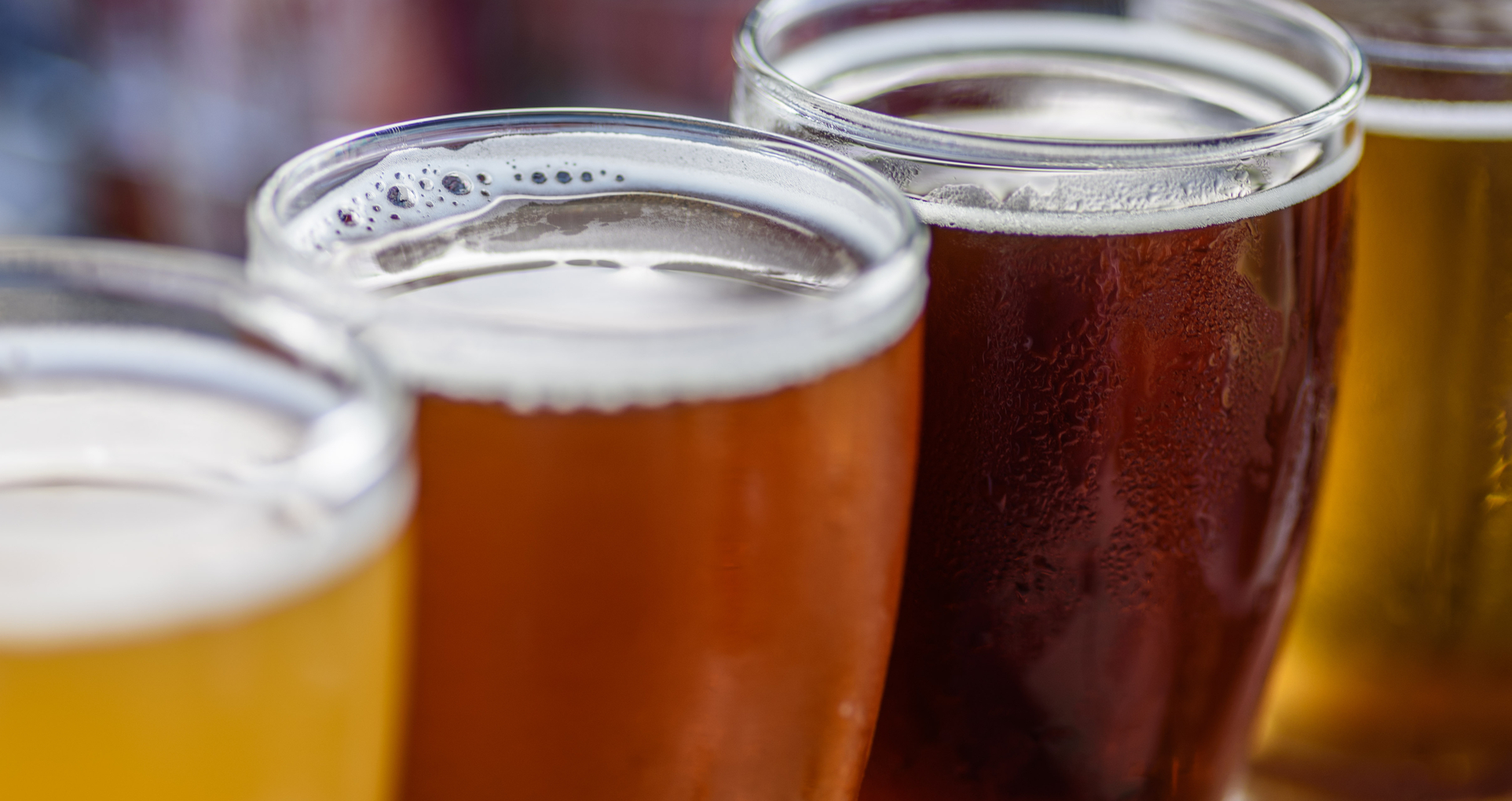
Draft beer remains one of the most profitable and popular choices for bars and restaurants, making up over 52% of all beer sold. With prices fluctuating due to rising material costs, labor pressures, and distribution challenges, understanding keg pricing has never been more important. This guide breaks down current keg costs, profit calculations, and practical strategies to help operators strengthen margins and maximize revenue.
Key takeaways
The average keg of beer costs $79 to $200+ in 2025, depending on size, brand, and style.
Draft beer delivers up to 80% profit margins, making it one of the most lucrative menu items for bars.
Understanding pour cost, keg size, and system maintenance helps maximize profitability and reduce waste.
Building strong distributor relationships and tracking market trends can lower keg costs and improve margins.
Plantilla de procedimientos operativos estándar
Utiliza esta plantilla gratuita de procedimientos operativos estándar de bares para crear y esquematizar fácilmente procedimientos operativos estándar, lograr coherencia operativa y capacitar a los empleados con facilidad.

Current keg prices by size and type
Keg prices vary significantly based on size, brand, and beer style. Here's what bars and restaurants can expect to pay in 2025.
Half-barrel kegs
Half-barrels are the industry standard for most bars and restaurants, offering the best per-ounce value for high-volume pours. Each holds 15.5 gallons and pours about 124 pints. Here’s a quick breakdown of current half-barrel pricing by category:
Domestic lagers (e.g., Bud Light, Coors Light): $79 to $139 per keg, depending on your market and distributor.
Premium domestic beers: $100 to $130 per keg.
Craft beers: $100 to $200, with small-batch and specialty brews often costing more.
For example, a half keg of Dos Equis Amber runs about $158 plus deposit, while a specialty beer like Stiegl Grapefruit Radler can reach $220 plus deposit.
Quarter-barrel kegs
Quarter-barrel kegs — often called pony kegs — hold 7.75 gallons and pour about 62 pints. They’re a great choice for limited releases, seasonal offerings, or slower-moving beers that don’t justify a full keg. Here’s what you can expect to pay in 2025:
Domestic lagers (e.g., Bud Light): Around $80 plus deposit.
Craft and premium options: Typically $100 to $150, depending on brand and distributor.
Quarter-barrels can be a smart way to offer variety on your tap list without tying up cash or cooler space in slower-selling selections.
Sixth-barrel kegs
Sixth-barrel kegs — also known as sixtels — hold 5.16 gallons and pour about 41 pints. They’re ideal for rotating taps, seasonal releases, and small-batch craft beers that don’t move in high volume. Here’s what bars and restaurants can expect to pay:
Domestic and light craft beers: Typically $50 to $110 per keg.
Specialty or high-ABV craft beers: $120 to $180, depending on the brewery and market.
Sixtels make it easy to experiment with new or local brews without overcommitting to a full keg — perfect for keeping your draft lineup fresh and exciting.
Additional costs
Beyond the keg itself, bars and restaurants should account for a few extra expenses that come with draft service. Here’s a breakdown of common add-on costs:
Keg deposits: Typically $15 to $30, refundable when the keg is returned in good condition.
Tap rentals: Average around $10 each.
Tub rentals: Cost about $6 per tub.
Keeping equipment in good shape and returning it promptly not only ensures deposits are refunded but also builds goodwill with distributors.
Calculating beer pour costs
Smart pricing starts with understanding your true cost per serving. Once you know how much each pint costs you to pour, you can set profitable, data-driven prices across your beer menu.
The basic formula
To calculate your cost per pint, divide the total keg cost by the number of servings it yields:
Keg cost ÷ number of servings = cost per pint
For example, $120 keg ÷ 137 servings = $.88 per serving
Next, determine your pour cost percentage by dividing the cost per serving by the sale price:
Cost per serving ÷ sale price = pour cost percentage
For example, $0.88 ÷ $4.50 = 0.195 or 19.5% pour cost
Most profitable bars target a pour cost between 18% and 22%, depending on the type of beer and the market.
Target margins
Industry benchmarks can help you gauge whether your draft beer pricing is on track.
Draft beer: Aim for an 80% profit margin and a 20% pour cost.
Craft beer: Typically runs between 20% and 26% pour cost, resulting in 74% to 80% profit margins.
Bottled or canned beer: Usually targets about a 75% profit margin with roughly 25% pour cost.
Tracking both pour cost and total dollar profit helps ensure you’re maximizing margins without overpricing beers that customers love.
Pricing formula
Once you know your pour cost, you can use it to set accurate, profitable menu prices.
Here’s the basic equation for calculating your draft beer price:
(Wholesale keg cost ÷ desired pour cost) ÷ number of servings = price per pint
For example, if you purchase a 15.5-gallon keg for $150 and want a 20% pour cost, your 16-ounce pint price will come out to just over $6.
Run this calculation for each beer on your menu to balance value and profitability — especially if you serve a mix of domestic and craft options.
Draft beer profitability
Draft beer delivers some of the highest profit margins in the bar and restaurant industry — when managed correctly.
Why draft outperforms bottles
Beer served from kegs typically costs 40% to 45% less per ounce than bottles or cans. With proper storage, glassware, and pouring technique, draft beer can achieve profit margins of up to 80%.
For example, if a bar sells just five half-barrel kegs per week at retail pricing, annual profits can exceed $170,000.
The combination of lower wholesale costs and higher per-ounce sales prices creates one of the most lucrative opportunities in beverage service — making draft systems a cornerstone of bar profitability.
Profit per beer matters
While keeping your target pour cost in check is important, your total profit per beer often tells the real story. Consider this comparison:
A $100 keg of standard lager sold at a 20% pour cost yields about $2.92 profit per pint.
A $180 keg of high-end IPA sold at a 25% pour cost yields about $5.26 profit per pint.
Even though the IPA’s pour cost is higher, each glass generates significantly more cash profit.
Focus on profit per pour, not just percentages. Pricing premium beers competitively can increase overall revenue — each sale drives greater profit, even with a higher pour cost.
System optimization
Maximizing profit per keg starts with a properly balanced and maintained draft system. Even small mechanical issues can eat into your margins. Out-of-balance systems create excessive foam, resulting in waste and lost profit, or pour too much beer into glasses.
Many breweries and bars, including Dogfish Head Craft Brewery, schedule biweekly line cleanings and monitor CO₂ pressure daily to reduce waste and preserve flavor. According to the Brewers Association, even slight temperature or pressure fluctuations can lead to foam loss of up to 10% per keg, which directly cuts into profits.
A well-maintained draft system prevents spillage, controls portion sizes, and delivers consistent quality that keeps customers coming back.
Factors affecting keg prices
Several variables influence what bars and restaurants pay for kegs in 2025 — from distribution laws to market trends and brand positioning.
Distribution structure
In the United States, most beer moves through a three-tier system from brewer to distributor to retailer or bar, which adds cost layers and limits pricing flexibility. Because distributors vary by state and market, identical kegs can be priced very differently across regions — even for the same brand.
For example, a domestic half-barrel might cost $100 in one market and $130 in another due to distributor contracts, taxes, or transportation fees.
Market conditions
In 2025, beer pricing is expected to continue feeling the ripple effects of shifting consumer demand and global supply challenges. Imported beers have seen a sharp drop in demand, with the Beer Purchasing Index falling from 67 in March 2024 to 46 in March 2025. Despite this slowdown, prices for brands like Heineken and Modelo remain elevated due to international shipping costs, tariffs, and currency fluctuations.
Craft beer has also faced a significant contraction, with its index plummeting from 35 to 20, reflecting tighter distributor inventories and reduced consumer spending on premium products. Even as demand cools, operating and import costs remain high, keeping keg prices elevated across multiple categories.
Premiumization strategies
Some breweries are leaning into high-end, small-batch products that feature unique ingredients, specialized packaging, or limited availability. These premium offerings command higher prices by design, even when demand fluctuates.
By emphasizing perceived value and quality positioning, breweries can justify elevated keg costs — and bars can use these products to attract customers seeking exclusive or elevated drinking experiences.
Strategies to maximize draft beer profits
Smart operators use several approaches to optimize draft beer programs, balance variety with profitability, and reduce waste.
Choose appropriate keg sizes
Matching keg size to your sales volume helps minimize spoilage and maximize freshness. Here’s a quick guide:
Half-barrels (15.5 gallons): Best for high-volume sellers and popular domestic drafts.
Quarter-barrels (7.75 gallons): Ideal for moderate movers or limited-release beers.
Sixth-barrels (5.16 gallons): Perfect for rotating taps, seasonal selections, or small-batch craft beers.
Right-sizing your kegs keeps your lineup dynamic without overcommitting to slower sellers or tying up cooler space.
Strategic glassware selection
Your glassware choices directly impact profit margins. By adjusting serving sizes, you can increase the number of pours per keg — boosting both margin and profitability.
Bars and breweries often juggle an overwhelming range of glass styles and sizes, from 5-ounce tasters to 16-ounce pints. To simplify operations and keep menus consistent, many have adopted a tiered pricing system that categorizes beers by pour size rather than pricing each one individually.
“We have 5-ounce pour, 10-ounce pour, and 16-ounce pour pricing; if everything had its own unique, specific price, it would just be so much,” says Gregg Frazer, Vice President of Hospitality at Stone Brewing. “It’s much nicer and cleaner to have tiered systems.”
This streamlined approach makes menus easier for guests to navigate while helping operators maintain a balance between profitability, portion control, and guest satisfaction.
Consider serving high-ABV or specialty beers in 10- or 12-ounce glasses instead of full pints to maintain appropriate pricing and support responsible service.
Account for waste
Even the best pricing models can fall short if waste isn’t controlled. Calculations that assume a full keg yield rarely match reality — losses from over-pouring, spillage, free drinks, and varying glass sizes all add up.
According to Bar-i Smart Bar Inventory, many bars lose 8% to 10% of draft beer to foam, overpours, and improper line maintenance. That’s nearly one full keg lost for every ten sold, adding up to thousands in annual revenue. Consistent staff training and proper pour monitoring can recover much of that lost profit.
A well-optimized draft system typically yields about 95% of a keg’s contents — so every ounce truly matters.
Maintain equipment properly
Draft service comes with higher overhead costs, from the labor of pouring beer to maintaining the system itself. You’ll need to account for expenses like CO₂ and nitrogen, line cleaning, and equipment upkeep, along with the inevitable spillage that occurs in daily service.
Regular line cleaning, temperature control, and gas pressure checks are essential for preventing quality issues and waste. Poor maintenance leads to flat beer, excessive foam, and customer complaints — all of which directly undermine profitability.
Price strategically
Maintain consistent pricing across beer formats to support fairness and profitability. Use the same price for draft, canned, and bottled beers of similar quality, even if serving methods differ.
Many national chains, including Buffalo Wild Wings and Yard House, follow a per-ounce pricing model, where a 16-ounce draft pint and a 12-ounce bottled beer of the same brand are priced within a few cents of each other. This approach prevents guests from perceiving one format as a worse value and encourages higher-margin draft sales.
Start by calculating your draft beer prices first, then align bottle and can prices to match the per-ounce equivalent.
Tips for reducing keg costs
Bars and restaurants can take several steps to lower keg acquisition costs without compromising on quality or selection.
Build distributor relationships
Strong, long-term relationships with distributors can lead to better pricing, priority access to limited releases, and more flexible payment terms.
Many operators work closely with major distribution partners like Reyes Beverage Group, the largest beer distributor in the U.S., which rewards consistent accounts with early allocations of seasonal and specialty kegs. Bars that maintain steady ordering patterns and reliable payments are often the first to receive new releases from top breweries such as Modelo, Lagunitas, and Goose Island.
Consistency matters — regular orders and on-time payments strengthen partnerships and can position your business as a preferred customer when allocations are limited.
Negotiate volume discounts
Bars that order multiple kegs each week often qualify for volume discounts from distributors.
Consolidating your orders with fewer suppliers — instead of spreading purchases across many — can strengthen your leverage and unlock better pricing tiers or promotional incentives.
Focus on turnover
Prioritize fast-moving beers that sell consistently. Slow-moving kegs tie up cash, take up valuable cooler space, and risk expiring before they’re fully sold. Remember, unpasteurized beer typically has a shelf life of about two months, so rotation and forecasting are key to preventing waste.
Monitor market trends
Stay informed about category performance to anticipate pricing shifts and identify new opportunities. For example, below-premium beers have remained relatively stable, with their index dipping only slightly from 46 to 45 — a sign that demand in this segment is contracting more slowly than in others.
Understanding these trends helps you predict where pricing pressure may occur and where growth potential still exists.
Common mistakes to avoid
Even well-run draft programs can lose money if certain details are overlooked. Here are some of the most common pitfalls to be aware of.
Ignoring total profit
Focusing only on pour cost percentage instead of total dollar profit per serving can lead to missed opportunities. A lower pour cost might look great on paper — but if the beer earns minimal actual profit, it’s not helping your bottom line.
Inadequate staff training
Untrained staff can waste significant amounts of beer through improper pouring, incorrect glassware selection, or poor draft system handling. With the right pouring and storage techniques, draft beer can become one of the highest-margin items in your bar — yielding profit margins of up to 80%.
Neglecting equipment maintenance
Dirty lines, improper temperatures, and incorrect gas pressure can quickly ruin beer quality and lead to costly waste. Schedule regular professional cleanings and establish daily system checks to ensure consistent performance and taste. A well-maintained draft system not only protects your product but also keeps customers coming back for a perfect pour every time.
Poor inventory management
Failing to track keg age and turnover rates can result in serving stale beer or having to write off expired product. Implement a first-in, first-out (FIFO) rotation system and monitor days on tap for every keg to maintain freshness and prevent losses.
Use digital inventory tools or POS integrations to automatically flag aging kegs — this helps you rotate stock efficiently and protect profitability.
Final thoughts
Managing keg costs effectively is about more than just tracking prices — it’s about understanding the full picture of profitability. From selecting the right keg sizes to training your staff and maintaining your draft system, every decision impacts your bottom line.
By applying smart pricing strategies, optimizing pour costs, and keeping a close eye on waste and turnover, bars and restaurants can turn their draft programs into one of their most profitable assets. When managed well, draft beer doesn’t just fill glasses, it fuels consistent revenue growth, builds customer loyalty, and strengthens your business over time.
Bartender Training Checklist
Use this free Bartender Training Checklist to help streamline your training process and set your new bartenders up for success.
Frequently asked questions
How many beers does a standard keg hold?
A half-barrel keg pours about 124 pints of 16-ounce servings. This assumes minimal waste from foam, spillage, and line cleaning. Actual yield typically ranges from 115 to 120 pints, depending on system efficiency and staff technique.
What's the difference between craft and domestic keg pricing?
Craft beer kegs range from $100 to $200 and sometimes higher, while domestic kegs hover closer to $100. The difference reflects ingredient costs, production scale, and brand positioning. However, craft beer often commands higher menu prices that offset the increased keg cost.
Should I buy or rent keg equipment?
Most bars purchase their own draft systems for long-term use. Equipment rental costs average $10 for taps and $6 for tubs, which adds up quickly for regular users. Purchasing equipment makes sense for permanent draft programs, while rental works better for occasional events.
How long does keg beer stay fresh?
When stored cold inside a kegerator that relies on CO2, beer should last six to eight weeks before starting to taste flat. Unpasteurized beer has a shorter shelf life of only about two months. Always refrigerate kegs and consume within recommended timeframes for optimal quality.
What pour cost should I target?
Industry standards recommend targeting a 20% pour cost for draft beer, yielding an 80% profit margin. Craft beer typically runs between 20% and 26% pour cost. High-end establishments with premium positioning can achieve lower pour costs, while high-volume operations competing on price may accept slightly higher percentages.
How do I calculate how many kegs I need for an event?
For a three-hour party with 100 average drinkers serving only beer, plan on about 408 beers. For heavy drinkers at the same party, plan on 600 cans if you don't want to run out. Adjust based on event duration, guest drinking habits, and availability of other beverages.


¿Es útil este artículo?
AVISO LEGAL: Esta información se proporciona solo con fines informativos generales y su publicación no constituye un aval. Toast no garantiza la precisión ni la integridad de la información, el texto, los gráficos, los enlaces y otros elementos que incluye este contenido. Toast no garantiza que alcanzarás ningún resultado específico si sigues los consejos que aparecen aquí. Te recomendamos consultar con un profesional, como un abogado, contador o asesor comercial, para recibir asesoramiento específico para tu situación.
 Tendencias



Subscribe to On the line
Sign up to get industry intel, advice, tools, and honest takes from real people tackling their restaurants' greatest challenges.
Al enviar, aceptas recibir correos electrónicos de marketing de Toast. Trataremos tu información de acuerdo con nuestra declaración de privacidad. Información adicional disponible para residentes de California aquí.