
How To Get a Bartending License in 6 Simple Steps
Some states require bartenders to complete alcohol service training and get certified. Discover how to get a bartending license in six simple steps.
Autor
 RESOURCE
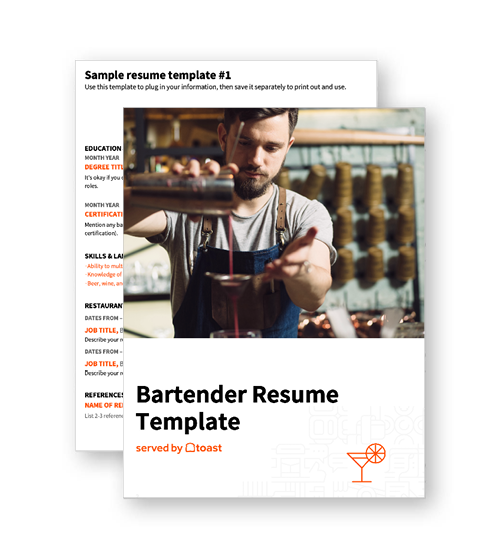
 Bartender Resume Template
Use this easy-to-use Microsoft Word template to showcase your experience and secure your next bartending role!
Obtener descarga gratisA bartending license is sometimes required for anyone who mixes, serves, or sells alcohol in a bar, restaurant, or event setting. Depending on where you work, this may involve completing alcohol server training, obtaining a permit, or meeting other local requirements.
While the rules vary by location, getting the right certification helps bartenders serve alcohol responsibly and safely. In this guide, we’ll explain what a bartending license is, when it’s required, and how to get one.
Key takeaways
A bartending license is a general term that may refer to alcohol server certification, responsible beverage service training, or a local permit.
Whether you need a bartending license depends on state, city, and employer requirements.
Bartenders obtain certification by completing an approved alcohol server training program.
The process typically includes training, passing an exam, and applying for any required permits.
Keeping certifications current helps bartenders serve alcohol safely and stay compliant with local laws.
Bartender Training Checklist
Use this free Bartender Training Checklist to help streamline your training process and set your new bartenders up for success.

What is a bartending license?
A bartending license is a general term people often use to describe the certification, permit, or training required to legally serve alcohol. In many places, there isn’t a single universal “bartending license.”
Instead, alcohol service requirements may involve responsible beverage service training, alcohol server certification, or a permit issued by a state or local authority. The exact requirements depend on where you work and the type of establishment.
May refer to alcohol server certification: Many states require bartenders to complete responsible alcohol service training programs.
May refer to a local or state permit: Some jurisdictions issue permits that allow individuals to serve alcohol legally.
Requirements vary by state and city: Alcohol laws differ widely depending on location.
Some roles require training, not a formal license: In some states, completing a training course is the primary requirement.
Rules can differ for bartenders, servers, and managers: Depending on the state, different staff members may have different certification requirements.
When do you need a bartending license?
Whether you need a bartending license depends on where you work and what your role involves. In some states, bartenders must complete alcohol service training before they can legally serve alcohol.
For example, the Oregon Liquor and Cannabis Commission (OLCC) requires “all persons involved in the mixing, serving, and selling alcoholic beverages on a licensed premises” to obtain an Alcohol Service Permit.
New York, on the other hand, doesn’t require a bartender license or alcohol server certification. Instead, the state regulates alcohol through the New York State Liquor Authority, which licenses businesses that sell alcohol rather than individual bartenders. Still, many employers require bartenders to complete the state’s ATAP training program.
Understanding your local rules is the best way to determine whether a bartending license or alcohol service certification is required.
When state law requires alcohol service certification: Some states require bartenders or alcohol servers to complete approved training before they can legally serve alcohol.
When city or county rules add local requirements: Even if a state does not require certification, local governments may set their own rules for alcohol service.
When employers require certification before hiring: Many bars and restaurants require bartenders to complete responsible alcohol service training as part of their hiring process.
Types of bartending licenses
Depending on where you work, a bartending license may refer to a server permit, responsible beverage service certification, or another type of alcohol service credential.
Alcohol server certification: Many states require bartenders and servers to complete alcohol server training programs that cover topics like checking IDs, recognizing intoxication, and refusing service when necessary.
Responsible beverage service training: Some jurisdictions require responsible beverage service (RBS) programs that teach staff how to serve alcohol responsibly and prevent underage sales.
State or local bartending permits: In certain cities or states, bartenders may need an individual permit issued by a licensing authority before they can legally serve alcohol.
Employer-required certifications: Some bars and restaurants require staff to complete specific training programs even if local laws do not mandate them.
Manager or supervisor alcohol certifications: In some states, at least one manager or supervisor on-site must hold a higher-level alcohol service certification.
How to get a bartending license
The exact steps for getting a bartending license or alcohol server certification vary by location, but the general process is similar across most states. To check specific requirements where you live, you can use the Alcohol Policy Information System (APIS), a government resource that tracks alcohol-related laws and regulations across the United States.
1. Check your state and local requirements
Before enrolling in any training program, it’s important to confirm the specific rules where you plan to work.
Visit your state alcohol control board website: Most states publish alcohol service rules and certification requirements online.
Confirm city or county rules: Some local governments have additional licensing or training requirements.
Review age and eligibility requirements: Certain states set minimum age limits or other eligibility standards for bartenders.
2. Choose an approved alcohol server training program
Once you understand the local requirements, the next step is selecting a training program that meets those standards. Many states require bartenders to complete responsible alcohol service training before they can work.
Look for state-approved programs: Some states maintain lists of approved alcohol service training providers.
Compare online and in-person training options: Many programs are available online, making them convenient for new bartenders.
Confirm the certification is accepted where you work: Make sure the program you choose meets the requirements of your state or local jurisdiction.
3. Complete the required training
After selecting an approved program, you’ll complete the required alcohol service training. These courses are designed to help bartenders serve alcohol responsibly and understand the legal responsibilities that come with the role.
Learn responsible alcohol service practices: Training programs typically cover how to serve alcohol safely and prevent over-service.
Study how to check IDs and recognize intoxication: Courses teach staff how to verify identification and identify signs that a guest may have had too much to drink.
Review local alcohol service laws: Understanding the legal rules around alcohol sales helps bartenders avoid violations and protect the business.
4. Pass the certification exam
Many alcohol server training programs end with a short exam to confirm that participants understand responsible alcohol service practices. Once you pass the exam, you’ll receive documentation showing that you’ve completed the certification.
Complete any required tests: Most programs include a final quiz or exam covering the course material.
Receive proof of certification or training completion: After passing, you’ll receive a certificate confirming you’ve completed the training.
Download or print your certificate for employer records: Many employers will ask for proof of certification before allowing staff to serve alcohol.
5. Apply for any required permits
In some areas, completing alcohol server training is only part of the process. Certain states or municipalities require bartenders to apply for an individual permit before they can legally serve alcohol.
Submit proof of certification if required: Some jurisdictions ask for documentation showing that you completed an approved alcohol service training program.
Pay any applicable licensing or permit fees: Local authorities may charge a fee when issuing an alcohol service permit.
Complete local paperwork if needed: Applications may require identification, personal information, or other documentation.
6. Keep your certification current
Many alcohol service certifications expire after a set period of time. Keeping your certification up to date ensures you remain compliant with local laws and employer requirements.
Track renewal requirements and expiration dates: Some certifications must be renewed every few years.
Complete refresher training when required: Renewal may involve completing an updated training course or exam.
Maintain documentation for employers or inspections: Keeping proof of certification accessible can help avoid issues during inspections or workplace audits.
Certified to shake things up
Getting a bartending license or alcohol server certification starts with understanding the rules where you work. Because alcohol service laws vary by state and city, checking local requirements is the most important first step.
Once you know what’s required, completing the appropriate training and maintaining your certification ensures you’re ready to become a bartender.
FAQ
Is a bartending license the same as a liquor license?
No, a bartending license and a liquor license are different. A bartending license (or alcohol server certification) is typically required for individual employees who serve alcohol, while a liquor license is issued to businesses that sell alcoholic beverages.
Can I get a bartending license online?
Yes, many states allow you to complete bartending certification or alcohol server training online. After completing the course and passing the exam, you may receive a certificate that qualifies you to serve alcohol where required.
How long does it take to get a bartending license?
Most bartending certification courses take a few hours to one day to complete. Online courses can often be finished at your own pace, followed by a short exam. In many cases, you can receive your certificate immediately after passing the test.
How long is a bartending license valid?
Bartending certifications typically remain valid for two to three years, though this varies by state or training provider. After the certification expires, bartenders may need to complete a renewal course or retake the training to stay compliant with local alcohol service laws.
Do I need a bartending license to work at a private event?
Whether you need a bartending license for a private event depends on state laws and the type of event. Some states require certification whenever alcohol is served professionally, even at private events.
What happens if I serve alcohol without the required certification?
Serving alcohol without the required certification can lead to fines, penalties, or legal consequences depending on local laws. In some cases, the employer or business may also face penalties for allowing uncertified staff to serve alcohol.


¿Es útil este artículo?
AVISO LEGAL: Esta información se proporciona solo con fines informativos generales y su publicación no constituye un aval. Toast no garantiza la precisión ni la integridad de la información, el texto, los gráficos, los enlaces y otros elementos que incluye este contenido. Toast no garantiza que alcanzarás ningún resultado específico si sigues los consejos que aparecen aquí. Te recomendamos consultar con un profesional, como un abogado, contador o asesor comercial, para recibir asesoramiento específico para tu situación.
 Tendencias



Subscribe to On the line
Sign up to get industry intel, advice, tools, and honest takes from real people tackling their restaurants' greatest challenges.
Al enviar, aceptas recibir correos electrónicos de marketing de Toast. Trataremos tu información de acuerdo con nuestra declaración de privacidad. Información adicional disponible para residentes de California aquí.