
How Much Do Tea Shops Make? (Average Tea Shop Revenue Data 2026)
Steeped in success or struggling to break even? This comprehensive guide breaks down how much tea shops really make.
Autor
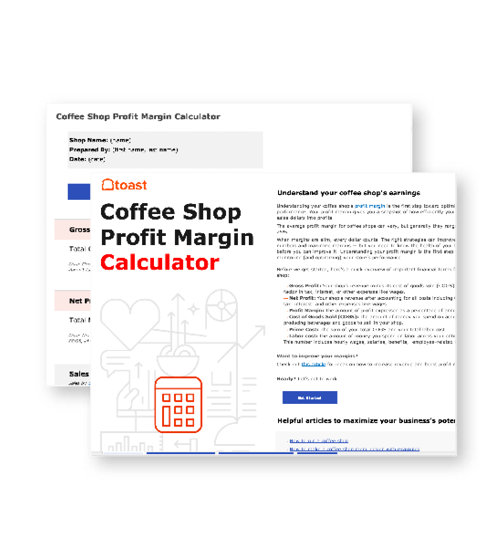
Coffee Shop Profit Margin Calculator
Use this free calculator to help consistently capture and track your profit margin.
Obtener descarga gratisTea shops have become increasingly popular in recent years, catering to a growing consumer base seeking high-quality tea experiences. According to Statista, the global tea market was valued at approximately $260 billion in 2023 and is expected to grow to $362 billion by 2029, reflecting the increasing demand for specialty and premium tea products. From traditional teahouses to modern bubble tea establishments, entrepreneurs are drawn to this business model for its relatively low startup costs and passionate customer base. But how much do tea shops actually make, and what factors determine their profitability?
Average revenue for tea shops
Unfortunately, public data on the average revenue of tea shops is limited. However, insights from similar industries, such as coffee shops, provide a useful benchmark.
According to SharpSheets, a 1,500-square-foot coffee shop can generate $450,000 to $1.2 million in annual revenue, while a 2,000-square-foot shop may bring in $600,000 to $1.6 million per year.
To generate $450,000 in annual profit, a tea shop would need to make approximately $37,500 per month or about $1,233 per day. Given that the average price of a cup of tea in 2024 was $3.74, a shop would need to sell around 330 cups per day to reach this level of revenue.
However, keep in mind that these figures can vary significantly based on the factors mentioned in this article. For example, a tea shop in a small town will likely generate less revenue compared to one located in a bustling city business district.
Key revenue influences
A tea shop’s revenue potential is shaped by several key factors. Consider:
High-traffic metropolitan areas can push revenue higher.
Smaller operations in less populated areas may see lower revenue.
Concept clarity and niche offerings (e.g., wellness teas, themed tea experiences) can drive higher spending per customer.
Coffee Shop Profit Margin Calculator
Use this free calculator to help consistently capture and track your profit margin.

Profit margins in the tea industry
A healthy net profit margin for tea shops typically maintains net profit margins between 10% and 20% after accounting for all expenses. This means that a shop generating $250,000 in annual revenue might expect to retain between $25,000 and $50,000 as profit.
Key cost factors impacting profit
Managing expenses effectively is crucial to maintaining a healthy profit margin in a tea shop. Several key cost factors directly impact profitability and must be carefully controlled.
Cost of goods sold (COGS)
The cost of tea leaves, milk, sweeteners, and other ingredients generally accounts for 30% to 40% of a tea shop's revenue. Premium tea businesses often face higher COGS due to their investment in high-quality, specialty teas, which may cut into margins but can justify higher price points. The cost of goods sold varies depending on the type of tea shop:
Bubble tea shops: Typically have COGS of around 30% to 40%, with tapioca pearls, flavored syrups, and milk products comprising the majority of these costs.
Traditional teahouses: May have lower COGS if they focus primarily on loose-leaf tea service without extensive food offerings.
Tea shops with food offerings: Establishments that serve pastries, sandwiches, or desserts will see higher COGS, depending on ingredient quality and sourcing methods.
Rent and occupancy costs
Location plays a crucial role in a tea shop's success, but prime real estate comes at a premium:
Typical range: 5% to 15% of revenue.
High-traffic urban areas: Can spike to 25% or more.
Ideal target: Many operators aim to keep rent below 10% of projected revenue for healthy profit margins.
Some tea shop owners have found success with smaller footprints (600 to 1,000 square feet) that minimize occupancy costs while still providing adequate seating.
Labor costs
Staff wages represent one of the largest expenses for tea shops, typically consuming 35% to 45% of revenue. This percentage varies based on:
Local minimum wage laws: Higher wages in certain regions can increase labor costs.
Service model: Counter service requires fewer staff, while full-service teahouses need more employees.
Hours of operation: Longer operating hours mean higher labor costs.
Staff expertise and training: Skilled staff for elaborate tea preparation or ceremonial experiences can justify higher price points and improve customer loyalty.
Tea Drunk in New York City, known for its rare Chinese teas, invests in extensive staff training to ensure authentic brewing methods. While this raises labor costs, it allows for premium pricing and a high-end customer experience, ultimately increasing profitability. Well-trained staff help tea shops attract connoisseurs willing to pay more for expertly prepared tea.
Revenue streams for modern tea shops
Today's most profitable tea shops rarely rely on a single revenue stream. Diversification has become essential for maximizing income potential.
In-store sales
The core business of selling brewed tea and related food items remains the primary revenue driver for most shops. The average transaction value ranges from $5 to $7 for quick-service tea shops to $12 to $18 for specialty teahouses offering longer, experiential visits.
Customer frequency also varies significantly, with neighborhood shops often building a loyal clientele that visits multiple times weekly, while destination teahouses might see customers less frequently but with higher per-visit spending.
Retail product sales
Many successful tea shops boost their revenue by selling packaged teas, teaware, and accessories for home use. These retail items typically carry higher profit margins, ranging from 40% to 60%.
A well-curated retail section can add 15% to 25% to overall revenue while requiring minimal additional labor costs, making it one of the most profitable expansion opportunities for established tea shops.
Samovar is a prime example of a teahouse that has successfully leveraged retail sales. Known for its high-quality, artisanal loose-leaf teas, Samovar offers an extensive selection of premium tea blends, handcrafted teaware, and tea-making accessories that allow customers to recreate the Samovar experience at home. By combining a strong in-person experience with a robust retail presence, Samovar has built a loyal customer base that extends beyond its physical locations, demonstrating how retail expansion can drive long-term profitability.
Online sales and subscription services
The digital marketplace has opened new revenue channels for tea businesses. Online sales of loose-leaf teas and accessories can extend a shop's reach well beyond its physical location. Monthly subscription boxes, featuring curated tea selections, provide predictable recurring revenue and can generate between $20 to $50 per subscriber monthly.
Urban Teahouse in Oklahoma City is an example of a tea shop that has successfully blended in-store sales with a thriving online business. While its physical location offers a curated tea experience, Urban Teahouse also sells loose-leaf teas and teaware online, allowing customers nationwide to purchase their favorite blends. By expanding into e-commerce, the shop has diversified its revenue streams and created a more sustainable business model, demonstrating how online sales can complement in-store operations.
Tea shops that successfully expand into e-commerce and subscription services report that these channels can eventually match or exceed in-store sales, though they require different operational expertise and strong digital marketing strategies to drive online engagement and customer retention.
Seasonal variations in tea shop revenue
Tea shop income often follows predictable seasonal patterns, requiring strategic adjustments to maintain profitability. For instance:
Winter: Hot tea sales may rise in colder climates from December to February, as customers seek warm, comforting drinks, increasing foot traffic.
Summer: Hot tea consumption declines, but iced tea and cold beverages become more popular, prompting shops to promote seasonal cold drink offerings to maintain steady sales.
To stay competitive, many tea shops adjust their marketing, promotions, and product offerings throughout the year, ensuring customer interest and steady revenue despite seasonal shifts.
Growth trajectories and profitability timeline
New tea shop owners should expect a gradual path to profitability, with earnings improving as the business matures.
A great example of long-term growth in the tea industry is Kung Fu Tea, which started as a single shop in Flushing, Queens, in 2010 and gradually expanded into the largest bubble tea chain in the United States. By its eighth year in business, Kung Fu Tea had grown into a nationally recognized brand and even founded National Bubble Tea Day in 2018 to celebrate and promote the industry. This strategic marketing move helped cement its dominance in the U.S. market while strengthening customer loyalty.
While expansion through additional locations can boost overall profitability by creating economies of scale in purchasing, marketing, and administrative costs, it also introduces new management challenges and capital requirements that must be carefully planned. Entrepreneurs looking to grow beyond a single location should study successful expansion strategies, like those of Kung Fu Tea, to understand the importance of brand recognition, market demand, and operational efficiency.
Factors that differentiate high-earning tea shops
What separates the most profitable tea shops from those that struggle?
Brand differentiation and concept clarity
The highest-earning tea shops typically offer a clear, distinctive concept that sets them apart. Whether focusing on authentic Chinese tea ceremonies, innovative bubble tea creations, or wellness-oriented herbal blends, successful shops avoid trying to be everything to everyone.
Competitive edge
Beyond a strong brand, high-earning tea shops excel in customer experience, marketing, and menu innovation. They invest in:
Loyalty programs to encourage repeat business.
Social media and influencer marketing to drive visibility.
Limited-time and seasonal offerings to keep customers engaged.
Strategic location and market fit
Location remains perhaps the single most important factor in tea shop success. High-performing shops match their concept to their neighborhood demographics and foot traffic patterns. For example, premium teahouses thrive in affluent areas with customers willing to pay for quality experiences, while quick-service bubble tea shops perform best near universities or in areas with younger demographics.
Oasis Tea Zone in Seattle exemplifies a boba shop business built on a smart location strategy. Since opening in 2001, it has expanded to multiple locations, including Seattle’s Chinatown-International District and the University District, catering to both an Asian tea-loving community and a younger student demographic. By placing shops near universities and high-traffic areas, Oasis Tea Zone aligns its concept with market demand, driving long-term success.
Operational efficiency
Profitable tea shops maintain tight control over inventory, staffing, and other operational costs. Digital point of sale (POS) systems that track ingredient usage, automated scheduling tools that match staffing to sales patterns, and careful inventory management all contribute to maximizing profit margins.
Multiple revenue channels
As mentioned earlier, the most profitable tea businesses leverage multiple income streams rather than relying solely on in-store beverage sales. Retail products, online sales, catering services, and wholesale accounts to local restaurants or grocery stores all provide opportunities to increase revenue without proportionally increasing overhead costs.
Revival Tea Company, based in Spokane, Washington, has expanded beyond its tea shop by leveraging e-commerce, wholesale distribution, and subscription-based tea deliveries. Customers can purchase loose-leaf teas, bottled cold brews, and branded merchandise online, while partnerships with coffee shops and restaurants provide steady recurring income. With plans to expand to 50 locations nationwide, Revival Tea demonstrates how combining brick-and-mortar sales with digital and wholesale channels creates a scalable and profitable business model.
Tea businesses that focus on authenticity, craftsmanship, and premium ingredients often attract a dedicated clientele willing to pay for quality. Kettl, a Japanese tea and teaware supplier, has built its reputation by curating artisanal green teas that elevate fine dining experiences. President and Chairman Zach Mangan explained the philosophy behind high-end tea service. “It’s about respecting every ingredient,” Mangan said. “When you have really good tea, it’s just like having an exquisite glass of wine or great olive oil. It’s electric.”
This perspective aligns with how premium teahouses differentiate themselves — not just by offering great products, but by treating tea with the same reverence as fine wine or gourmet cuisine. High-earning tea businesses often lean into this philosophy, creating an experience that justifies premium pricing and builds a strong brand identity.
Start-up costs and break-even analysis
For those considering opening a tea shop, understanding the initial investment required and the timeline to profitability is essential. While costs vary based on location, size, and concept, a typical tea shop requires between $50,000 for a basic kiosk to $250,000 or more for a full-service teahouse. This includes:
Leasehold improvements ($20,000 to $60,000): Costs for renovations, plumbing, electrical work, and setting up the space to meet operational needs. High-traffic locations or older buildings may require more extensive modifications.
Equipment ($10,000 to $30,000): Includes essential tea brewing equipment, refrigeration, blenders (for bubble tea shops), and point of sale (POS) systems. Investing in high-quality equipment can improve efficiency and product consistency.
Initial inventory ($5,000 to $10,000): Covers tea leaves, milk, sweeteners, syrups, tapioca pearls, and other ingredients. Sourcing from reputable suppliers and negotiating bulk pricing can help manage costs.
Furniture and fixtures ($5,000 to $20,000): Seating, tables, shelving, décor, and other design elements that enhance customer experience. A cozy, inviting atmosphere can increase customer retention.
Legal, licensing, and permits ($2,000 to $5,000): Business registration, health permits, food handling certifications, and liability insurance are essential to operate legally. These costs vary by state and municipality.
Opening marketing ($2,000 to $5,000): Includes digital ads, grand opening promotions, signage, and social media campaigns to attract initial customers. A strong pre-launch marketing strategy can boost early sales.
Working capital ($10,000 to $20,000): Covers the first few months of operational expenses, including rent, payroll, and utilities, until the business becomes self-sustaining.
With these startup costs in mind, new tea shop owners typically need to generate $12,000 to $25,000 in monthly revenue to cover expenses and break even. Assuming average margins, most tea shops might reach this break-even point within 12 to 18 months of operation. However, factors like location, pricing strategy, and customer demand can accelerate or delay profitability. A strong business plan, effective cost management, and diversified revenue streams can help new owners reach profitability faster.
Maximizing profitability in the tea shop business
Tea shops offer appealing business opportunities with reasonable startup costs and strong profit potential, but success is far from guaranteed. The most profitable operations combine strategic location selection, clear brand positioning, diverse revenue streams, and efficient operations to maximize income.
While average annual revenue ranges from $180,000 to $300,000, with net profit margins between 7% and 15%, these figures vary widely based on factors such as rent, labor costs, and customer demand. New owners should plan for a 12 to 18-month break-even period, ensuring they have sufficient working capital to sustain operations during the early growth phase.
With consumer interest in specialty beverages and authentic tea experiences continuing to grow, well-positioned tea shops can achieve sustainable profitability and even expand into multi-location operations or complementary business models such as retail and e-commerce. However, as with any food service business, long-term success depends on delivering consistent quality, building customer loyalty, and staying adaptable to market trends and customer preferences.
¿Es útil este artículo?
AVISO LEGAL: Esta información se proporciona solo con fines informativos generales y su publicación no constituye un aval. Toast no garantiza la precisión ni la integridad de la información, el texto, los gráficos, los enlaces y otros elementos que incluye este contenido. Toast no garantiza que alcanzarás ningún resultado específico si sigues los consejos que aparecen aquí. Te recomendamos consultar con un profesional, como un abogado, contador o asesor comercial, para recibir asesoramiento específico para tu situación.
 Tendencias

Subscribe to On the line
Sign up to get industry intel, advice, tools, and honest takes from real people tackling their restaurants' greatest challenges.
Al enviar, aceptas recibir correos electrónicos de marketing de Toast. Trataremos tu información de acuerdo con nuestra declaración de privacidad. Información adicional disponible para residentes de California aquí.