
What Are the Best Retail Subscription Ideas?
Retail subscriptions help turn one-time shoppers into loyal customers. Discover creative ideas to boost sales, retention, and brand loyalty.
Autor
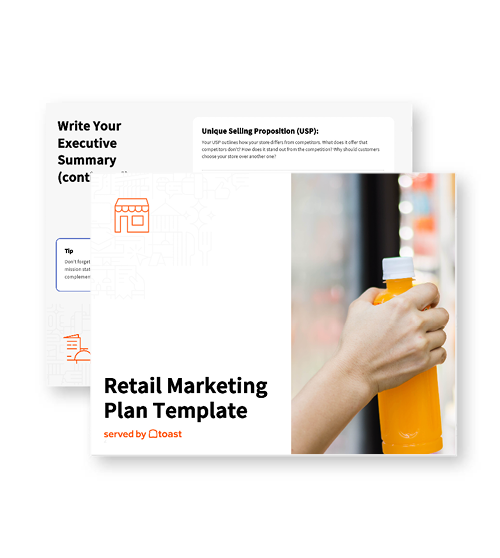
 RESOURCE
 Retail Marketing Plan
Create a marketing plan that'll drive repeat business with this customizable marketing playbook template and interactive calendar.
Obtener descarga gratisRetailers know that growing a business isn’t just about gaining new customers—it’s about keeping the ones you already have. As Joe Rohrlich, CEO of Recurly, put it:
“Retention is the new growth metric… this is the whole promise of a subscription business anyway — that it’s bringing you into a longer-term, predictable revenue stream.”
Subscriptions do exactly that: they turn one-time shoppers into loyal customers while giving businesses a steadier way to plan inventory, marketing, and staffing. From refill plans to curated gift boxes, here are ten of the best retail subscription ideas to help your store build loyalty.
Key takeaways
Retail subscriptions turn casual shoppers into loyal, repeat customers.
Predictable revenue makes it easier for retailers to plan inventory and staffing.
Success comes from clear value, convenience, and consistent communication.
Creativity keeps subscriptions exciting—from refill boxes to cause-driven clubs.
The best programs feel personal and build genuine, long-term customer trust.
Press Kit Template
Use this customizable template to craft a polished one-pager that showcases your business’s key details. It condenses essential information into a concise, visually appealing format that’s quick to read and easy to share.

1. Product refill subscriptions
Refill subscriptions are the cornerstone of retail recurring revenue. They work best for products customers already buy on repeat—like skincare, pet supplies, cleaning goods, or coffee beans—and make life easier for both sides. Customers never run out of essentials, and retailers enjoy predictable sales with less inventory uncertainty.
Ideas
Offer recurring delivery or pickup on a flexible schedule (weekly, monthly, or quarterly).
Incentivize subscriptions with small discounts or free shipping for long-term sign-ups.
Bundle complementary products—like shampoo and conditioner or candles and diffusers—to boost order value.
Pros
Builds long-term customer habits and loyalty.
Provides steady, predictable revenue.
Simplifies inventory forecasting and production planning.
Cons
Requires reliable fulfillment and inventory tracking.
Discounts or free shipping incentives can reduce margins if not balanced carefully.
2. Curated monthly boxes
Curated boxes create excitement and anticipation, offering customers a new experience with every delivery. They’re perfect for retailers that want to showcase variety—think boutiques highlighting new accessories, beauty stores offering sample-size products, or specialty shops sharing themed collections.
Ideas
Build themed boxes (self-care, travel essentials, seasonal picks, or new arrivals).
Partner with local or indie brands to add uniqueness and storytelling appeal.
Include surprise elements or exclusive first-access products to build excitement.
Pros
Encourages discovery and repeat purchases.
Great for testing new products or gauging customer interest.
Builds brand personality and emotional connection.
Cons
Requires consistent creativity and curation to stay fresh.
Logistics can be complex if product variety or inventory changes frequently.
3. Membership clubs and VIP perks
Membership programs turn casual shoppers into loyal insiders. These work best for retail brands with repeat customers—think clothing boutiques, home décor stores, or online specialty shops. A paid “VIP Club” creates a sense of exclusivity and consistent engagement both in-store and online.
Ideas
Offer early access to sales, exclusive product drops, or member-only events.
Add free shipping, birthday discounts, or bonus loyalty points as perks.
Use your POS or CRM to track members and personalize offers.
Pros
Builds community and keeps your brand top of mind.
Generates predictable recurring revenue and stronger loyalty.
Encourages repeat visits and upsells across seasons.
Cons
Works best for retailers with an established customer base.
Requires ongoing communication to remind members of benefits.
4. Seasonal style or gift boxes
Seasonal boxes help retailers stay connected with customers year-round. Perfect for boutiques, lifestyle brands, or gift shops, these boxes offer curated collections of apparel, décor, or ready-to-gift items tailored to the time of year. They also make great marketing tools around holidays and seasonal shopping cycles.
Ideas
Release quarterly collections for spring, summer, fall, and winter.
Create themed gift boxes for holidays, birthdays, or local events.
Include a personal touch like handwritten notes or styling tips.
Pros
Keeps customers engaged across multiple seasons.
Simplifies holiday marketing and inventory planning.
Great for gifting and social media visibility.
Cons
Requires planning and strong forecasting for seasonal demand.
May lead to excess inventory if timing or themes miss the mark.
5. Recommerce or rental subscriptions
Rental and recommerce programs let customers rent, swap, or rotate items instead of buying outright—great for fashion, outdoor gear, baby products, and other categories where needs change fast. It’s a sustainable, budget-friendly model that keeps merchandise in circulation and customers coming back.
Ideas
Offer monthly rotations (e.g., 3 apparel items at a time, swap anytime).
Create tiers for basics vs. premium brands/gear.
Include optional “buy it” pricing for items customers want to keep.
Add repair/refresh services to extend product life.
Pros
Drives recurring revenue and higher lifetime value.
Appeals to eco-conscious shoppers and trend seekers.
Reduces markdowns by keeping inventory active.
Cons
Requires strong logistics for cleaning, repairs, and returns.
Upfront investment in durable inventory and tracking systems.
6. Coffee, tea, or wine clubs
Perfect for specialty retailers, roasters, bottle shops, and local producers, beverage clubs turn discovery into a monthly ritual. Curated selections, rotating blends, and tasting notes add education and excitement that build loyalty beyond a single purchase.
Ideas
Ship monthly/quarterly boxes with limited releases or staff picks.
Offer grind options (whole bean vs. ground), decaf, or origin themes.
Include pairing cards, brewing guides, or access to virtual tastings.
Create member tiers (starter, enthusiast, collector).
Pros
Predictable recurring sales with strong brand storytelling.
Great vehicle for introducing new products and upsells.
Builds community through education and shared experiences.
Cons
Compliance and age-verification for alcohol; shipping constraints by region.
Inventory planning required for limited runs and seasonal offerings.
7. Hobby or craft kits
DIY kits are the ultimate “hands-on” subscription idea—literally. From art supplies and puzzles to home gardening and candle-making kits, they’re perfect for hobby shops, craft stores, or online retailers that thrive on creativity and community engagement.
Ideas
Offer rotating monthly themes (painting, pottery, embroidery, etc.).
Include all materials plus instructions or video tutorials.
Build an online community or challenge where subscribers share their creations.
Pros
Encourages repeat engagement and creativity.
Great for social media visibility and user-generated content.
Works well for families, educators, and hobbyists.
Cons
Requires steady supply chains for varied materials.
Shipping costs can add up with bulky or fragile items.
8. Mystery or surprise boxes
Mystery boxes turn inventory management into an experience. They’re a fun, low-cost way to clear stock while keeping fans excited. Ideal for novelty retailers, collectible shops, toy stores, or online boutiques with passionate, repeat customers.
Ideas
Bundle leftover or seasonal products as surprise assortments.
Offer themed mystery drops (e.g., “cozy winter,” “retro gamer,” or “beauty grab bag”).
Make limited runs to drive urgency and exclusivity.
Pros
Easy to assemble using existing inventory.
Builds anticipation and repeat engagement.
Great for marketing buzz and unboxing videos.
Cons
Unpredictable perceived value—contents must still feel worth it.
Works best with loyal or novelty-driven audiences.
9. Kids’ and family subscriptions
Family-focused subscriptions keep parents coming back with rotating products that grow alongside their kids. Perfect for toy stores, bookstores, and educational retailers, these programs make learning and playtime both consistent and convenient.
Ideas
Offer age-based boxes with toys, books, or creative activities.
Create themed months (STEM, arts & crafts, outdoor play).
Include parent guides or online activities for added value.
Pros
Builds long-term customer relationships as families renew year after year.
Encourages recurring engagement and word-of-mouth among parents.
Works well for gifting and holiday promotions.
Cons
Requires careful curation by age group to stay relevant.
Seasonal demand (like holidays or back-to-school) can skew renewals.
10. Community or cause-based subscriptions
Modern consumers love brands with purpose—and community or cause-driven subscriptions make that connection tangible. These programs tie every delivery to a mission, whether it’s supporting local makers, donating to charity, or promoting sustainability.
Ideas
Feature local artisans, eco-friendly goods, or fair-trade products each month.
Donate a portion of proceeds to a partner nonprofit.
Share impact stories or progress updates with each shipment.
Pros
Builds emotional loyalty and authentic brand storytelling.
Strengthens your community image and PR appeal.
Appeals to values-driven shoppers who want purchases to matter.
Cons
Lower profit margins due to donations or premium sourcing.
Requires transparency to maintain customer trust and credibility.
Add to cart (forever!)
A good retail subscription keeps things simple—your customers get what they love, and you get steady, predictable sales. It’s a win for both sides.
Start small, listen to feedback, and make it something you’d actually want to subscribe to yourself. When you focus on value and consistency, customers will stick around. As Brad Jashinsky, retail analyst at Gartner, put it:
“The most important thing is… messaging value across that trial… in the app, in emails, and during the shopping experience, so when that renewal comes up, shoppers already know what they’d be losing.”
That’s the real secret to subscription success—make the value clear, keep it consistent, and remind customers why sticking around is worth it.
Retail Store Opening Costs Calculator
This free calculator lays out some of the fundamental financial costs of opening a retail store, so you can start planning and bring your dream business to life.
FAQ
How profitable are retail subscriptions?
They can be highly profitable when managed well. Subscriptions create recurring revenue, reduce marketing costs, and build long-term customer loyalty.
What age group subscribes most to retail subscriptions?
Millennials and Gen Z lead the way — they’re used to subscription models and value convenience, personalization, and exclusive perks.
What’s the biggest challenge with retail subscriptions?
Retention. Keeping subscribers engaged after the first few months requires consistent value, clear communication, and ongoing product variety.
Which retail subscription categories are growing fastest?
Refill essentials, fashion rental, beauty boxes, and niche lifestyle kits are seeing the most growth, especially when paired with strong branding and sustainability messaging.
How much should I charge for a subscription?
Price it based on perceived value and delivery frequency. Many retailers start with small, accessible monthly tiers and adjust over time as they refine their offering.


¿Es útil este artículo?
AVISO LEGAL: Esta información se proporciona solo con fines informativos generales y su publicación no constituye un aval. Toast no garantiza la precisión ni la integridad de la información, el texto, los gráficos, los enlaces y otros elementos que incluye este contenido. Toast no garantiza que alcanzarás ningún resultado específico si sigues los consejos que aparecen aquí. Te recomendamos consultar con un profesional, como un abogado, contador o asesor comercial, para recibir asesoramiento específico para tu situación.
 Tendencias


Subscribe to On the line
Sign up to get industry intel, advice, tools, and honest takes from real people tackling their restaurants' greatest challenges.
Al enviar, aceptas recibir correos electrónicos de marketing de Toast. Trataremos tu información de acuerdo con nuestra declaración de privacidad. Información adicional disponible para residentes de California aquí.