
Why Is Coffee So Expensive? Understanding the Economics Behind Your Daily Cup
From the farms where coffee beans are grown to the baristas crafting your drink, nearly every link in the coffee supply chain has become more expensive. Here's why.

作者
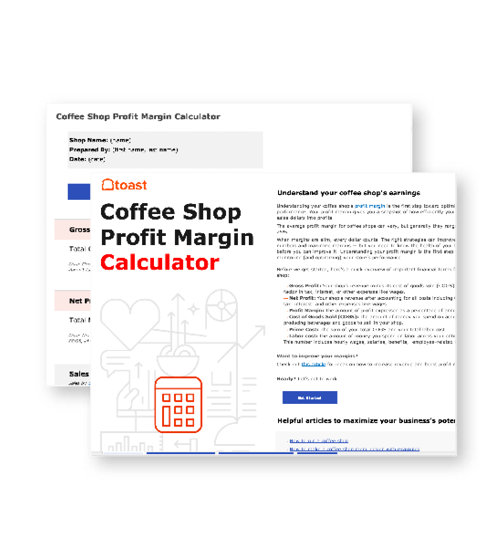
Coffee Shop Profit Margin Calculator
Use this free calculator to help consistently capture and track your profit margin.
免费下载If you've been wondering why your morning coffee habit feels heavier on your wallet lately, you're not alone. That regular cup of joe that used to cost around $3.14 just a year ago now averages $3.27, and specialty drinks have seen even steeper increases.
From the farms where coffee beans are grown to the baristas crafting your drink, nearly every link in the coffee supply chain has become more expensive. Understanding why requires looking beyond the simple transaction at the counter to examine global commodity markets, local labor conditions, and the hidden operational costs that determine what you ultimately pay for your morning cup.
Current coffee pricing landscape
Toast platform data shows the median price of regular coffee reached $3.50 in April 2025, representing a 6.4% increase compared to April 2024.
The increases span across all categories. Latte prices increased 3.8% from $5.39 to $5.60, macchiato prices jumped 4.0% from $4.91 to $5.11, and mocha prices climbed 4.7%. Even basic drinks like regular coffee and decaf saw increases of 4.2% and 4.1% respectively, showing that no menu item was immune to cost pressures.
Despite these price increases, the coffee industry continues expanding. U.S. coffee chain sales grew by 8% year-over-year, reaching a market size of $49.5 billion. The number of coffee shops in the U.S. has surpassed 40,000, which is 7% higher than pre-pandemic levels, suggesting consumers are absorbing higher prices while demand remains strong.
How global supply chains affect your local cafe
Coffee's unique growing requirements create inherent vulnerability in the supply chain.
Coffee production is concentrated in the "bean belt" between the Tropic of Cancer and the Tropic of Capricorn, limiting cultivation to specific regions that can experience simultaneous weather disruptions.
Brazil, Vietnam, and Colombia serve as the world's largest coffee producers and exporters, meaning your local cafe depends on international supply chains. Weather conditions, including droughts and flooding, have strained coffee production in recent years while global demand continues to grow. These climate challenges directly impact the wholesale coffee prices that coffee shops pay for their beans.
The coffee supply chain involves multiple stages from cultivation to your cup, including growing, processing, exportation, roasting, and distribution. Each stage adds costs and potential disruption points. Currency fluctuations, trade policies, and regional disruptions in producing countries can all affect the price coffee shops pay for their raw materials.
Labor shortages drive up operational costs
Labor challenges persist as coffee shops face staffing shortages and rising wage requirements. Coffee shops compete for workers in tight labor markets, driving up compensation costs to attract and retain employees. Restaurant labor costs typically represent around 30% of total revenue, making labor one of the largest expense categories that coffee shops must manage through pricing strategies.
Coffee preparation, particularly for espresso-based drinks, requires specialized skills that command higher wages. The investment in training baristas and maintaining consistent quality standards adds to operational costs that must be recovered through menu pricing.
Ingredient costs beyond coffee beans
While coffee beans represent a relatively small portion of total drink costs—about 33 cents worth of beans in a typical specialty drink made from a $10 wholesale bag—their prices do fluctuate significantly. The average national price restaurants pay for a pound of coffee beans isalways changing, and coffee operators must track bean costs to maintain consistent profit margins as wholesale prices change.
Dairy costs have become a major concern for coffee shops. Wholesale milk prices are rising due to tightening supply and declining herd sizes, and dairy costs could continue climbing. This particularly affects milk-based drinks like lattes, cappuccinos, and macchiatos that form the core of many coffee shop menus.
Alternative milk options like oat and almond milk typically cost more than traditional dairy, creating additional pricing pressure as coffee shops accommodate dietary preferences and lifestyle choices. Some shops charge extra for these alternatives, while others absorb the cost difference to remain competitive.
The economics of coffee shop profits
Coffee operates with some of the highest markups in the hospitality industry, often 80% or higher for each drink. This high markup reflects the value customers place on convenience, quality, and the coffee shop experience beyond just the beverage itself.
Despite high markups, coffee shops still face significant operational costs that affect overall profitability. For established coffee shops in 2025, overall business profit margins average between 15-25%, whilenewer establishments often see profits closer to 10% during their initial years. The 2025 Independent Coffee Shop Industry Report found that the average profit margin across respondents is 13.8%, with most shops landing between 10–25%.
These margins, while healthier than some restaurant segments, still mean that operational cost increases can significantly impact profitability, explaining why coffee shops must adjust pricing regularly to maintain viable margins.
Coffee Shop Profit Margin Calculator
Use this free calculator to help consistently capture and track your profit margin.

What higher coffee prices mean for consumers
The coffee industry's cost pressures reveal broader economic trends affecting service businesses across sectors.
In the last 5 years, food and labor costs for the average restaurant have each gone up 35%, with rising labor and food costs remaining among the top concerns for restaurant operators in 2025.
For coffee consumers, the trend toward higher prices appears likely to continue. Economic forecasts suggest ongoing upward pressure on costs affecting coffee shops, from ingredient prices to real estate expenses. Coffee shops typically implement gradual price adjustments rather than dramatic increases to maintain customer relationships while managing cost pressures.
The sustained growth in coffee shop numbers despite higher prices suggests the market can support current pricing levels. Coffee shops are adapting by investing in technology to improve efficiency, such as mobile ordering systems and inventory management tools that can help offset some cost increases.
Understanding these cost pressures can help consumers make informed decisions about their coffee spending. Whether that means brewing more coffee at home, choosing simpler drinks, or budgeting for higher coffee costs, the expensive cup in your hand reflects genuine economic pressures rather than arbitrary price increases.
这篇文章有帮助吗?
免责声明:此信息仅作为一般性参考,发布并不构成认可。Toast 不保证本内容中包含的任何信息、文本、图形、链接或其他项目的准确性或完整性。Toast 不保证如果您遵循本文的任何建议,就能取得任何特定结果。您可能需要咨询专业人士,如律师、会计师或商业顾问,以获取针对您情况的具体建议。
