The Best Restaurant Reservation Apps For 2026
Compare the top restaurant reservation apps for 2026—Toast Tables, OpenTable, Resy, Tock & more—to cut no-shows and streamline your dining room.
作者
 RESOURCE
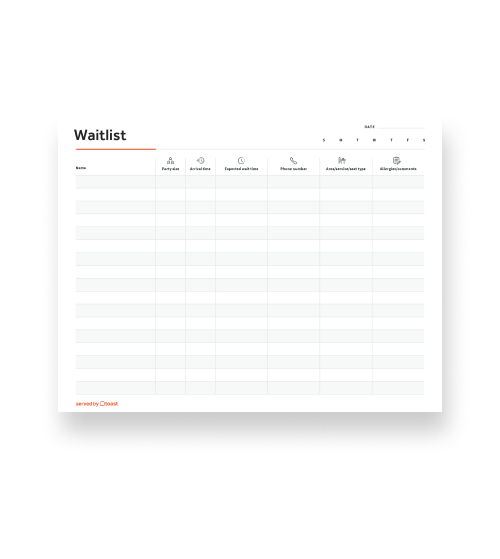
 Restaurant Waitlist Template
A template to help your host keep track of walk-ins and provide estimated wait times, keeping guests happy and staff organized.
免费下载Restaurant reservation apps help restaurants manage bookings, waitlists, table status, guest details, and the flow of service. When reservations connect with POS data, guest profiles, table status, and front-of-house workflows, teams can spend less time switching between systems and more time keeping service moving.
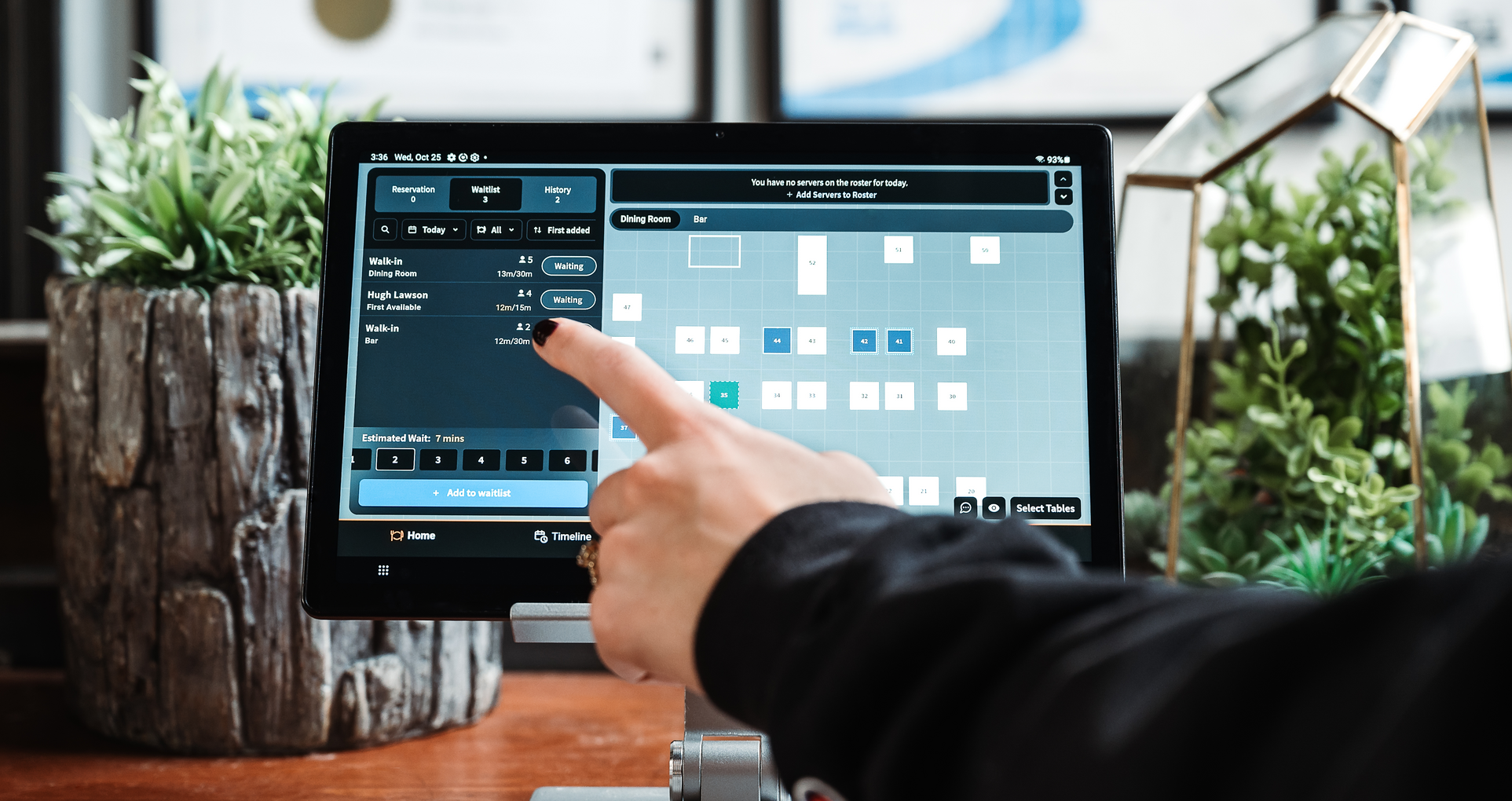
Toast Tables is one example of a reservation app built around that connected workflow. It brings reservations, waitlist, table management, guest profiles, prepayments, and table status into the Toast ecosystem. This can help restaurants manage the dining room alongside the tools they already use for service.
Other reservation apps may support different needs, from diner discovery and fixed monthly pricing to prepaid experiences and Yelp visibility. This guide compares the best restaurant reservation apps, including Toast Tables, OpenTable, Resy, Tock, and Yelp Guest Manager.
Key takeaways
Reservation apps help restaurants manage bookings, waitlists, tables, and guest details.
Toast Tables connects reservations, waitlists, guest profiles, and table status in the Toast ecosystem.
OpenTable, Resy, Tock, and Yelp Guest Manager each fit different reservation needs.
Restaurants should compare POS integration, booking channels, no-show tools, and pricing.
The best reservation app keeps service moving and connects with the rest of the restaurant.
Restaurant Email Marketing Templates
Download our easy-to-use Microsoft Word templates to create compelling restaurant newsletters and marketing emails.

Best restaurant reservation apps
Restaurant reservation app | Best for | Standout features | Pricing |
Toast Tables | Toast restaurants that want native reservations, waitlist, and table management | Reservations, waitlist, table management, guest profiles, two-way SMS, prepayments, experiences, server rotations, table/order status | There are two tiers:
Toast Tables (starting at $50–$75/month for up to 25 reservations and unlimited waitlists)
Toast Tables Plus ($199/month for unlimited reservations and premium experiences).
Best of all, Toast features flat-rate monthly pricing with zero per-cover booking fees, allowing you to protect your margins as your dining room fills up.* |
OpenTable | Restaurants that want diner discovery and advanced reservation tools | Diner marketplace, booking widget, floor plans, waitlist, deposits, credit card holds, POS integration, guest notes | Basic $149/mo, Core $299/mo, Pro $499/mo; cover, website booking, and prepaid experience fees may apply |
Resy | Restaurants that want reservations, table management, and fixed monthly pricing | Reservations, table management, POS integrations, check data sync, guest spend insights, analytics | Platform $249/mo and Platform 360 $399/mo; Resy says there are no per-cover or per-reservation fees |
Tock | Restaurants and hospitality businesses selling events, deposits, or prepaid experiences | Reservations, events, waitlist, table management, deposits, card holds, prepayments, guest data | Essential $269/mo with 3% prepayment fee; Premium $399/mo with 2% prepayment fee |
Yelp Guest Manager | Restaurants that want reservations, waitlist tools, Yelp discovery, and phone booking support | Yelp Guest Manager, Yelp reservations, waitlist, guest management, Yelp marketplace visibility, Yelp Host phone reservations | Basic is $129/mo when billed annually, Plus is $279/mo when billed annually, and Enterprise has custom pricing |
1. Toast Tables
For restaurants already using Toast, Toast Tables is the most deeply integrated reservation option. It brings reservations, experiences, waitlist, and table management into the same ecosystem as Toast POS. This allows hosts to seamlessly manage bookings and seating without relying on a disconnected front-of-house tool.
The biggest advantage is how guest and service data move through the system. Guest notes, special requests, and visit history can connect with Toast POS, Toast handhelds, and Guestbook, helping servers recognize regulars, prepare for VIPs, and personalize hospitality during the shift.
At the host stand, the digital floor plan updates automatically as service progresses. Hosts can see real-time table status and seating timelines based on POS activity, which makes it easier to estimate accurate wait times and keep the dining room moving.
Operators can also use Toast Tables for two-way SMS notifications, guest profiles, VIP tagging, server rotations, cover counts, deposits, and bookable experiences. Guests can book directly through a restaurant’s website, the Local by Toast mobile app, or via our Reserve with Google integration
2. OpenTable
OpenTable is a strong fit for restaurants that want reservation tools plus visibility through a large diner network. Its Basic plan focuses on reservations and access to OpenTable’s global diner network, while Core adds table management and Pro adds more guest relationship and data tools.
Feature depth depends on the plan, but restaurants can use OpenTable for profiles and listings, booking widgets, review management, deposits, credit card holds, floor plans, waitlist management, POS integration, guest databases, tags, and notes.
3. Resy
Resy is a good option for restaurants that want reservation and table management with straightforward monthly pricing.
Resy says its POS and event system integrations sync reservation and check data in real time, which can help restaurants understand guest spend, improve table turns, send down payment information, identify VIPs, and see booking sources.
Another budgeting advantage is that Resy says it does not charge per-cover or per-reservation fees. That can make costs easier to forecast for restaurants that prefer a fixed monthly software fee.
4. Tock
Tock is built for restaurants and hospitality businesses that want more control over reservations, events, and prepaid experiences. It can be especially useful for fine dining, tasting rooms, pop-ups, wineries, and restaurants that use deposits or prepayments to reduce no-shows.
Restaurants can use the platform for reservations, experiences, events, waitlist management, table and service management, guest data, deposits, credit card holds, and prepayments. That makes it a strong fit when reservations are tied to revenue protection or special-event planning.
5. Yelp Guest Manager
Yelp Guest Manager is a reservation and waitlist platform for restaurants that want bookings closer to Yelp discovery. It can be a good fit for restaurants that already get meaningful guest traffic from Yelp and want reservation or waitlist tools connected to that channel.
The platform is positioned around reservations, waitlist management, and front-of-house efficiency. Yelp’s pricing page also emphasizes no cover fees, which can matter for operators comparing monthly reservation software costs against per-cover pricing models.
How to choose the best reservation app for your restaurant
The best reservation app should fit the way your restaurant runs service. A fine dining restaurant selling prepaid tasting menus may need different tools than a neighborhood bistro managing walk-ins and regulars.
Before comparing platforms, think about how guests book, how your host stand works, how much guest data your team needs, and whether reservations should connect with your POS.
POS integration: Choose a platform that connects reservations, guest profiles, and check data with your restaurant POS.
Ease of use: Hosts should be able to manage reservations, walk-ins, waitlists, table status, and guest notes quickly during service.
Guest booking channels: Consider whether guests can book through your website, Google, social media, marketplace apps, or other direct channels.
Waitlist and table management: Look for floor plans, table status, pacing tools, server rotations, and waitlist messaging.
Guest profiles: Strong guest profiles can help teams remember regulars, track preferences, note allergies, and identify VIPs.
No-show protection: Deposits, card holds, cancellation policies, and prepayments can help protect revenue for high-demand reservations or special events.
Marketing and retention tools: Some platforms include email, SMS, guest segmentation, or marketplace discovery to help bring guests back.
Pricing structure: Compare monthly fees, cover fees, prepaid experience fees, messaging costs, and add-ons before choosing a plan.
Toast compatibility: If your restaurant already uses Toast, consider whether the reservation app works natively with Toast or integrates with Toast POS.
Keep reservations connected to the rest of the restaurant
Reservation apps are most useful when they help the whole restaurant work together. When reservations sit in one system and orders, guest data, inventory, and reporting sit somewhere else, teams can lose time switching tools or filling in the gaps manually.
That’s why integration matters. Toast is built to centralize more of that restaurant data in one platform. Its product ecosystem includes POS, online ordering, loyalty, guest CRM, payroll, and more, helping restaurants connect front-of-house, back-of-house, online, and management workflows.
For restaurants already using Toast, Toast Tables can bring reservations, waitlist, and table management closer to the systems your team already uses during service.
Host Training Checklist
Use this checklist to help streamline your host training process and ensure that your new hosts get off to a great start.
FAQ
What is the most popular restaurant reservation app?
The most popular restaurant reservation app varies by restaurant type, market, and guest behavior. Operators should choose the app that best fits their booking channels, POS setup, and service flow.
Are restaurant reservation apps free for restaurants?
Most restaurant reservation apps are not free. Costs may include monthly software fees, cover fees, booking fees, prepayment fees, messaging costs, or paid add-ons.
Can reservation apps help reduce no-shows?
Yes. Reservation apps can help reduce no-shows with deposits, credit card holds, prepayments, cancellation policies, automated reminders, and guest messaging.
What's the difference between OpenTable and Resy?
OpenTable is often used for diner discovery and marketplace bookings. Resy is often used for reservation and table management with fixed monthly pricing.
Should a small restaurant use a reservation app?
A small restaurant should use a reservation app when bookings, walk-ins, waitlists, guest notes, or table turns become hard to manage manually.
What is the best reservation app for restaurants already using Toast POS?
Toast Tables is the best fit for restaurants already using Toast POS. It connects reservations, waitlist, table management, guest profiles, prepayments, and table status within the Toast ecosystem.
*Toast Tables is an add-on module and requires an active, qualifying core Toast Point of Sale (POS) software subscription and compatible hardware. Pricing is subject to change, varies by region, and does not include applicable taxes, onboarding, or setup fees. "Zero per-cover booking fees" applies strictly to reservations booked directly through Toast Tables; third-party platform integrations or marketplace fees are excluded. Individual restaurant savings may vary depending on historical guest volume and prior reservation software provider contract terms.


这篇文章有帮助吗?
免责声明:此信息仅作为一般性参考,发布并不构成认可。Toast 不保证本内容中包含的任何信息、文本、图形、链接或其他项目的准确性或完整性。Toast 不保证如果您遵循本文的任何建议,就能取得任何特定结果。您可能需要咨询专业人士,如律师、会计师或商业顾问,以获取针对您情况的具体建议。
