The Art of Multi-Course Dining (+ Multi Course Menu Examples)
Master multi-course menu design with proven 5 and 7-course menu strategies.

作者
 资源
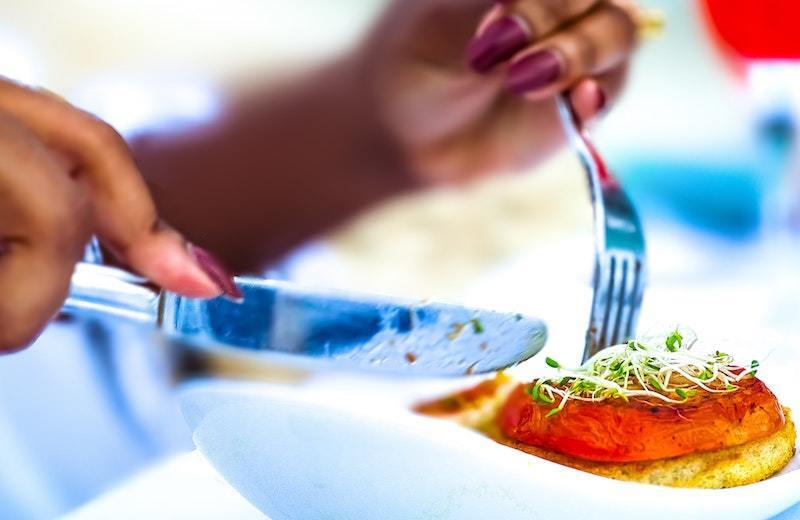
资源 Each carefully composed bite arrives on porcelain plates, like roasted bone marrow dotted with caviar or a quail egg cradled in truffle foam. Servers quietly explain each dish, signaling that this is no ordinary dinner. Over several hours, more plates will follow, each building on the last.
This is multi-course dining at its finest. Great tasting menus are choreographed experiences that reveal a chef's vision, celebrate ingredients at their seasonal peak, and create meals that linger with diners long after they leave the restaurant.
Whether it's a focused 5-course exploration or an ambitious 15-course journey, successful multi-course menus require mastering flow, balance, and timing. Each course must justify its place while building toward a memorable conclusion.
Here’s how to do multi-course dining right.
Understanding multi-course menu structure
A multi-course meal consists of small portions of different dishes, many of which showcase the chef's skills or highlight local flavors and ingredients. These structured dining experiences follow specific progressions designed to take diners on a culinary journey from light appetizers to rich main courses and satisfying desserts.
The traditional approach requires each course to flow from the previous plate into the following dish. This cohesive experience guides guests through the chef's vision while building anticipation and satisfaction throughout the meal.
Multi-course menus work particularly well for restaurants seeking to demonstrate culinary expertise and innovation that sets them apart from the competition. The format requires chefs to flex creative muscles while showcasing technical skills through precise plating and careful timing.
餐厅菜单模板
将这些菜单模板用作您菜单设计的起点,或借助这些模板为您的菜单增添新意。

The 5-course menu
The five-course menu balances storytelling with efficient service. Each course serves a clear purpose while showcasing the restaurant’s range (and without overwhelming guests).
Course 1: Amuse-bouche
The first course should be one or two small bites that establish the meal's tone. This course awakens the palate and signals the exciting dining experience ahead.
Course 2: Appetizer or soup
The second course, while still light, should be a more substantial dish. It should introduce key flavors or techniques that will be featured throughout the meal.
Course 3: Salad or light course
The third course should feature fresh, bright flavors that cleanse the palate. This course prepares diners for richer courses ahead.
Course 4: Main course
The fourth course should be the most substantial, featuring premium ingredients and advanced techniques. This course balances satisfaction with appropriate portions – you want people to feel full but not too stuffed.
Course 5: Dessert
The fifth course should conclude the meal on a memorable note. This course can be light and refreshing or rich and indulgent, depending on your menu.
The 7-course menu
Seven courses allow for more elaborate culinary storytelling, but require more time and planning. Diners commit 3+ hours, so every course must earn its place.
Course 1: Amuse-bouche
The first course should be a single perfect bite that establishes the meal's tone. This course is more focused than the 5-course versions.
Course 2: Appetizer
Similar to the five-course menu, the second course should be a more substantial, yet still light, dish. It serves to introduce the main flavors or techniques that will appear throughout the meal.
Course 3: Soup
For the third course, consider a warm dish, such as soup, to naturally guide the pace of the meal.
Course 4: Palate cleanser
For the fourth course, we're serving fresh items like granita, salad, or veggies to get your palate ready for the protein dishes coming up.
Course 5: Fish or Light Protein
This course sets the stage for the main protein, offering a lighter option before the more substantial course that comes next.
Course 6: Main Protein
This is the signature course, featuring premium ingredients and advanced culinary techniques. You want this course to be a showstopper.
Course 7: Dessert
The seventh course should provide the final impression diners take home. This course provides a natural conclusion to the meal, whether sweet or savory.
Innovative multi-course experiences from US restaurants
To inspire your menu, take a look at some restaurants that showcase interesting and creative approaches to multi-course dining:
Esmé (Chicago): This Michelin-starred restaurant transforms quarterly with local artist collaborations. Chef Jenner Tomaska creates 10-course menus served on custom pieces made by Chicago artists, blurring the lines between art and dining.
Atomix (New York City): Chef Junghyun Park's two Michelin-starred Korean restaurant offers a 10-course tasting menu at a horseshoe-shaped counter. It’s world-renowned, ranked #12 on The 50 Best Restaurants 2025.
Kochi (New York City): This eight-course Korean cuisine is inspired by street food. Each course highlights different facets of Korean fine dining, from hwe to bibimbap.
Langbaan (Portland): Earl Ninsom's 24-seat Thai restaurant offers a five-course menu blending traditional recipes with local ingredients. Reservations are highly sought after, typically booking out six months in advance.
Le Pigeon (Portland): Chef Gabriel Rucker's restaurant offers two 5-course French-inspired tasting menus using Pacific Northwest ingredients. Their food evolves with the seasons, and is credited with putting Portland on the culinary map when it opened in 2006.
The business of multi-course meals
Multi-course menus allow restaurants to charge premium pricing compared to à la carte dining. According to Statista, the median price of Michelin-starred restaurants' tasting menus worldwide was $179 as of April 2024, rising to $356 for three-star establishments.
Restaurants can often charge a premium for tasting menus because they tend to be more expensive than à la carte options due to the chef's expertise, premium ingredients, and the time required to create and serve multiple courses. Smaller portions work in restaurants' favor: expensive ingredients like wagyu become feasible when portioned across single courses rather than sized for full entrées. There is also much less food waste as the kitchen knows exactly what everyone will be eating.
However, execution must be flawless. Diners paying premium prices have elevated expectations for service, timing, and presentation. One poorly timed course or lukewarm dish can derail the entire experience (and potentially lead to a bad review).
The final course
Creating memorable multi-course menus requires understanding how to cook, how people experience food, and how flavors build and complement each other. Pacing affects satisfaction, and presentation influences perception.
The best multi-course menus tell stories: whether of a season, a place, or a chef's journey. Diners commit their time and money to your vision, so the experience should be worth remembering.
Whether implementing five-course dinners for special occasions or seven-course tasting menus as signature offerings, successful multi-course dining requires careful planning, precise execution, and commitment to quality that transforms ordinary meals into memorable experiences.
FAQ
How long should a multi-course meal take? Five-course meals typically run 2-2.5 hours, while seven-course experiences can extend to 3-3.5 hours. The key is maintaining momentum without rushing diners.
How do you determine portion sizes? Each course should be roughly 25-30% smaller than a typical single-course serving, but the cumulative effect should leave diners satisfied, not stuffed. Balance is everything.
What's the pricing strategy for tasting menus? Multi-course menus command premium pricing: typically 20-40% above à la carte options because you're selling experience and expertise, not just the food. Factor in increased labor, presentation, and the exclusivity factor.
这篇文章有帮助吗?
免责声明:此信息仅作为一般性参考,发布并不构成认可。Toast 不保证本内容中包含的任何信息、文本、图形、链接或其他项目的准确性或完整性。Toast 不保证如果您遵循本文的任何建议,就能取得任何特定结果。您可能需要咨询专业人士,如律师、会计师或商业顾问,以获取针对您情况的具体建议。
 趋势
趋势