Fine Dining Plating: 12 Essentials That Elevate Every Dish
Fine dining plating transforms a meal into a visual and sensory experience. Explore the essential techniques pro chefs use to elevate any dish.
作者
 RESOURCE
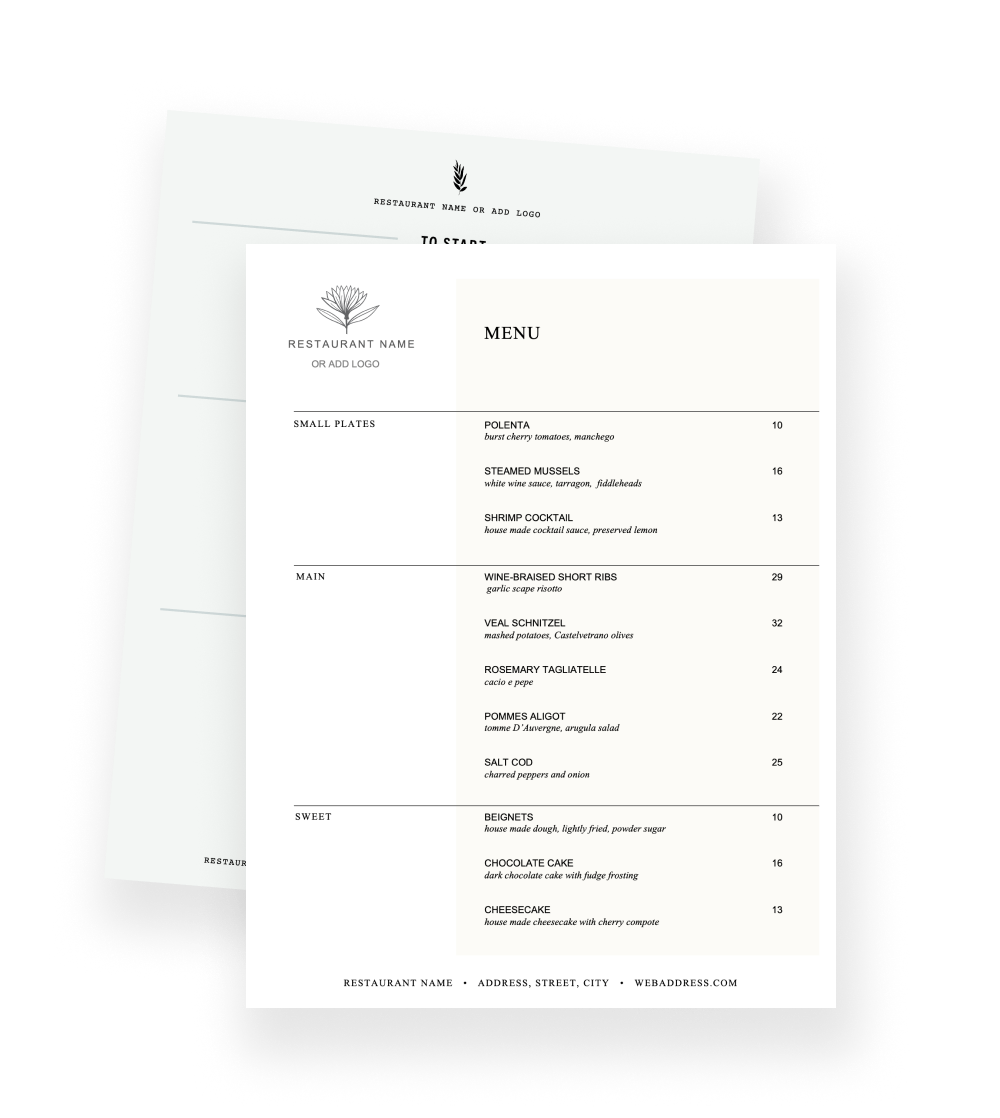
 Fine Dining Menu Templates
Use these fine dining menu templates as a starting point for your menu design or to give your menu a refresh.
免费下载
Fine dining plating isn’t just about making food look beautiful—it’s a vital part of the experience. The way chefs compose their dishes can set expectations, tell a story, and guide the diner through flavor, texture, and emotion before the first bite. As Sam Lesniak, executive chef at fine dining restaurant Cru Uncorked, explains:
“Plating, in my eyes, is so important… Being able to present your dish aesthetically is only the first step in creating a beautiful dish. Plating is a good way to transfer your energy and idea onto a canvas for others to absorb.”
On a fine dining menu, every plate is more than a recipe—it’s a moment of expression. From the use of negative space to the layering of ingredients, plating is where creativity meets control. In this guide, we’ll break down the essential elements that bring a dish to life visually—so every course feels intentional, elevated, and unforgettable.
Key takeaways
Fine dining plating isn’t just visual—it guides mood, pacing, and flavor experience.
Use balance, negative space, and color with precision to tell a story on the plate.
Carefully calibrate height, layering, and portion size to control impact and flow.
Plating enhances interaction—each element is placed to shape how the diner eats and feels.
A great presentation relies on intention, not excess—every detail must earn its place.
1. Balance and composition
Before adding flourishes or height, fine dining plating starts with balance. A well-composed plate feels intentional, elegant, and complete. It doesn’t just highlight the main ingredient—it creates a visual rhythm that prepares the diner for what’s to come.
Asymmetry with purpose: Rather than centering everything, fine dining often embraces off-center focal points. Use the rule of thirds to create movement and let the eye travel across the plate with intention.
Hierarchy of components: Position your “hero” item with space to breathe, and arrange supporting components to emphasize their relationship—like placing a tart element beside something rich to suggest contrast.
Visual weight and flow: Distribute colors, textures, and shapes in a way that feels balanced but dynamic. A tall, vertical element on one side might be offset by a horizontal smear or a low, structured cluster.
Composed stillness: Great balance isn’t static—it draws the eye and settles it. The plate should feel cohesive at a glance, with every component contributing to the whole without crowding or competing.
2. Color and contrast
In fine dining, color is never an afterthought—it’s a tool for storytelling. Used with care, it guides the eye, sets the mood, and deepens the emotional and sensory impact of a dish. As Executive Chef Ryan Ratino of Hive Hospitality puts it:
“Colorful plates for us can become distracting to the ingredients that we are trying to showcase. But for others it can add so much beauty to what they are trying to achieve... I believe also in embracing the colors of the season you are in, not forcing an ingredient for color that is out of season and letting it water down your flavor.”
Vibrant contrast: Bright herbs, jewel-toned reductions, and vivid sauces draw attention and suggest freshness or acidity. These colors signal that each element has a role to play.
Monochrome elegance: A restrained palette—like ivory fish, pale asparagus, and lemon foam—can feel ethereal and composed. In these moments, texture, form, and placement become the stars.
Temperature-enhanced tones: Chilled purées, oils, or gels often retain sharper colors than heated components. Pairing hot and cold not only adds contrast in temperature and texture, but also enhances visual drama.
Luxury signals: Rich tones like squid ink black, deep wine glazes, or gold leaf convey opulence. Use these colors sparingly to amplify a sense of indulgence.
3. Architectural plating and height
Elevation adds drama, sophistication, and dimension, transforming the plate into a miniature stage for the ingredients to perform.
Build with intention: Stack or lean elements to create gentle height and flow. A perfectly seared duck breast perched atop lentils, or a crisp garnish bridging two components, adds structure without excess.
Sculptural elements: Use delicate tuiles, dehydrated crisps, or swooping garnishes to introduce curves and vertical lines. These additions create motion and help frame the dish.
Structural stability: Every layer should serve a purpose. Use purées or mousses as anchors, and avoid height that topples or distracts. Great fine dining plating combines precision with practicality.
Depth over drama: Height should feel natural, not performative. The best architecture draws the diner in—inviting them to explore the dish from different angles, without compromising ease of eating.
4. Negative space and minimalism
Fine dining plating is as much about what’s left blank as what’s included. Intentional emptiness allows the food to breathe, creating contrast, clarity, and focus.
Purposeful emptiness: Leaving open space around the food draws attention to the plated components and conveys confidence in their quality and composition.
Less is elevated: A single quenelle beside a brushstroke of sauce and a crisp garnish can feel more luxurious than a crowded plate.
Framed by the plate: Wide-rimmed or asymmetrical plateware can enhance negative space, turning the dish into a visual statement.
Visual silence: Negative space helps avoid visual noise. It allows the diner to engage with the dish one element at a time, without distraction or clutter.
5. Garnishes and finishing touches
Garnishes should never just be an afterthought. Instead, they’re precision tools. The right finishing touch can elevate a dish, reinforce its flavors, and leave a lasting impression.
Refined restraint: Garnishes should be minimal, deliberate, and aligned with the dish’s core ingredients. Micro herbs, edible flowers, or citrus zest can add contrast, but only when they serve a purpose.
Tweezers, not tongs: Use tweezers to position garnishes with millimeter-level control. The final look should feel effortless, even if it’s anything but.
Texture and scent: Finishing elements can introduce crispness, aroma, or brightness. A toasted crumb, a scented oil, or a dusting of dehydrated citrus peel can add dimension without overwhelming the plate.
No garnish for garnish’s sake: If it doesn’t enhance flavor, texture, or aroma, it probably doesn’t belong.
6. Narrative and emotion
More than any technique, what defines fine dining plating is its ability to tell a story. A well-plated dish evokes place, season, and memory—often without a single word.
At Sails Restaurant in Naples, Chef Raj Holuss folds beet slices into a rose, anchored by feta and cucumber ribbons. “Real emotion is only achieved when the right ingredients bring the right color and balance,” he says—capturing how plating can express more than just skill.
Other chefs take a similar approach. Gavin Makava plates breadcrumbs like sand and seafoam-dressed greens to evoke an ocean shoreline. Andy Hyde calls plating “a language without words”—a way to guide diners through memory, meaning, and place.
Seasonal storytelling: Let the colors, textures, and arrangement reflect the time of year. A spring dish might evoke freshness and bloom, while a winter plate feels grounded and rich.
Sense of place: Use plating to evoke the dish’s cultural roots or origin. A foraged layout might mimic forest undergrowth, while a geometric pattern could reflect a dish’s urban or modernist leanings.
Memory and emotion: Some chefs plate to spark nostalgia or emotion—like scattering elements across the plate to mimic fallen petals, or creating a structured pattern that mirrors a childhood dish, reimagined.
Cohesion with concept: The plating should reflect your restaurant’s identity—whether it’s minimalist and cerebral or expressive and theatrical.
7. Plateware and visual framing
Fine dining plates are a deliberate choice—an extension of the dish’s concept, mood, and message. The right vessel elevates food presentation, while the wrong one can dilute it.
Form meets function: Choose plateware that complements the food in color, shape, and size. Wide rims, matte finishes, or custom ceramics can frame the dish like artwork without stealing the spotlight.
Support the story: A minimalist dish might shine on a stark white canvas, while a rustic, nature-driven plate could call for stoneware or organic textures. Every plate should echo the emotion of the food.
Balance and contrast: Consider how the plate interacts with color and structure. Dark plateware can intensify vibrant ingredients, while shallow bowls can cradle broths or soft elements without crowding.
Consistent elegance: Across the menu, plateware should reflect your restaurant’s visual identity. Fine dining thrives on cohesion.
8. Technical precision
The smallest details are crucial in fine dining restaurants. A sauce that’s slightly off-center or a garnish that’s out of place can disrupt the entire composition, and that’s why precision is everything.
If you’ve ever watched a chef plate a dish, you may have noticed that many skip the tongs or spoons and go straight in with their hands. As Chef Jae Lee puts it, “You can get more meticulous with your hands.” Danny Kim, who refers to this approach as using “human tongs,” agrees: our hands offer the best finesse for placing ingredients exactly where they belong.
Exacting standards: Each element should be placed with precision—clean lines, even spacing, and consistent portions across every cover.
Mastery in motion: Techniques like quenelles, fluid gels, foams, or droplets may appear simple but require repetition and skill to execute perfectly.
Controlled execution: Movements behind the pass are methodical, with tools like tweezers, squeeze bottles, and plating rings ensuring consistency without improvisation.
Cleanliness and clarity: No smudges, spills, or stray marks. A technically precise plate signals professionalism and improves the visual and sensory experience of the dish.
9. Temperature and timing
Temperature isn’t just about flavor—it’s about structure, texture, and plating integrity. Careful timing ensures each component reaches the guest at its best.
Preserving structure: Heat-sensitive elements like foams, gels, and oils are plated last to maintain their form and clarity. Cold components often require chilled plates to hold their shape.
Staged assembly: Dishes are built in phases to protect delicate ingredients. Stable bases come first, with finishing touches added just before service to avoid degradation.
Service coordination: Precision in the kitchen must be matched by timing on the floor. Plates are sent the moment they’re ready, minimizing time under lamps or in the pass.
10. Tactile flow and interaction
Fine dining plating doesn’t end with how a dish looks—it considers how the diner physically engages with it. From the first cut to the final bite, the arrangement can shape the entire sensory experience.
Encouraged bite paths: Position elements in a way that naturally leads the diner through a tasting arc—starting with light or acidic components, building toward richness, and ending with a cleansing note.
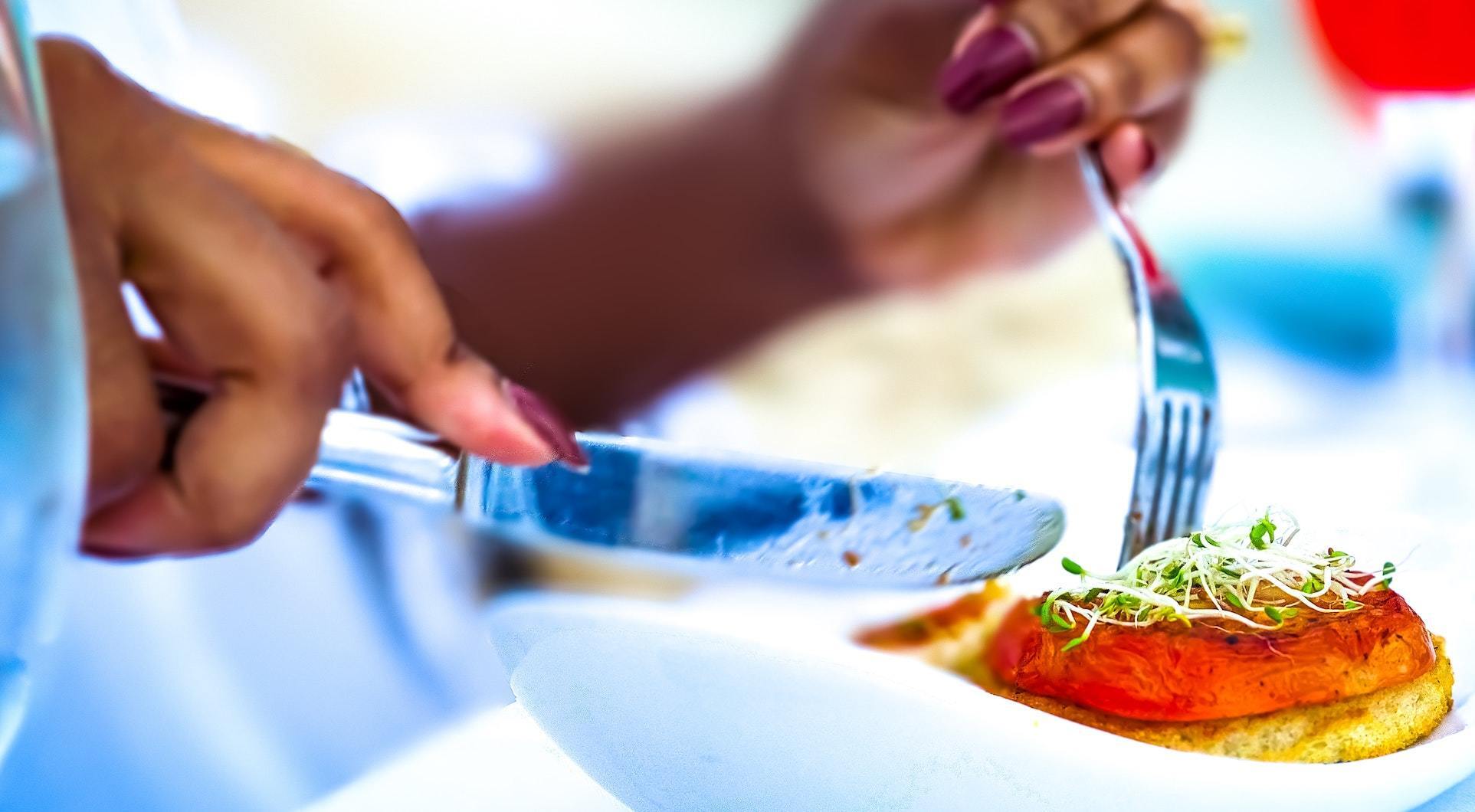
Cutting and scooping logic: Think about how a knife or fork will move through the plate. A quenelle beside a smear may suggest dragging the two together, while a crisp tuile bridging two textures encourages combination.
Playful interaction: Some fine dining dishes invite participation—like pouring a sauce tableside, cracking a sugar shell, or folding components together. Even on static plates, spatial cues can invite movement.
Multi-sensory design: Rough, smooth, soft, and crisp components should be placed to highlight contrast with every bite—not just visually, but physically.
11. Portioning and intentional scale
Portioning in fine dining isn’t about cutting food costs—it’s about calibrating intensity, pacing, and anticipation. Use smaller quantities to amplify flavor, not minimize it.
Precision over abundance: A single scallop, a narrow ribbon of vegetable, or a modest quenelle of mousse—all sized to deliver concentrated flavor and visual refinement.
Course-to-course pacing: In multi-course meals, portioning keeps the palate engaged without overwhelming the diner. Each dish adds to the rhythm of the experience.
Flavor as impact: Smaller portions allow chefs to be bold. Rich reductions, sharp acids, or umami-packed components can shine in ways that might overwhelm in larger quantities.
Micro-intentionality: Every bite should feel curated. Invite attention to detail and reward slow, thoughtful eating.
餐厅成本控制指南
使用本指南,您可以了解更多有关餐厅成本、如何跟踪成本以及如何最大限度地提高盈利能力的信息。

12. Sensory contrast and surprise
Some of the most memorable fine dining plates introduce an element of sensory surprise, creating moments of discovery and delight. As Sun Kim, head chef of Meta, explains:
“I usually like to plate my dishes in a simple but surprising manner, concealing many key ingredients before it is presented to the diner. I think that it is always important to bring an element of surprise to diner. For example, the Hamaguri Clam dish is nestled under a home-made white scallop sheet, created using scallops, which have been blended and pounded into thin sheets. The silken scallop sheets camouflage the Hamaguri Clam. This dish might seem ordinary to the naked eye, but upon cutting into the sheet, it reveals the sweet and briny flavours from the clam. Combined with fennel creme and confit fennel, it creates a refreshing dish.”
His approach captures what makes sensory contrast so powerful in fine dining—surprise isn’t a gimmick, but a way to heighten emotion, reveal layers, and reward curiosity.
Unexpected textures: A crisp tuile shattering over a soft custard or a liquid center hidden inside a shell creates contrast that goes beyond flavor—it's tactile and emotional.
Aromatics and theatrics: Plating may include cloches that trap scent, smoked domes lifted at the table, or garnishes added tableside to awaken the senses.
Subliminal cues: A plate that evokes a season, a place, or even a memory can trigger responses that go beyond taste.
The secret to great fine dining plating
Fine dining is as much about how a dish is presented as how it tastes. Every detail—from negative space to architectural height—tells a story, sets a mood, and guides the diner’s experience. Mastering these fine dining plating techniques is all about intention, restraint, and craft.

这篇文章有帮助吗?
免责声明:此信息仅作为一般性参考,发布并不构成认可。Toast 不保证本内容中包含的任何信息、文本、图形、链接或其他项目的准确性或完整性。Toast 不保证如果您遵循本文的任何建议,就能取得任何特定结果。您可能需要咨询专业人士,如律师、会计师或商业顾问,以获取针对您情况的具体建议。
 趋势
趋势