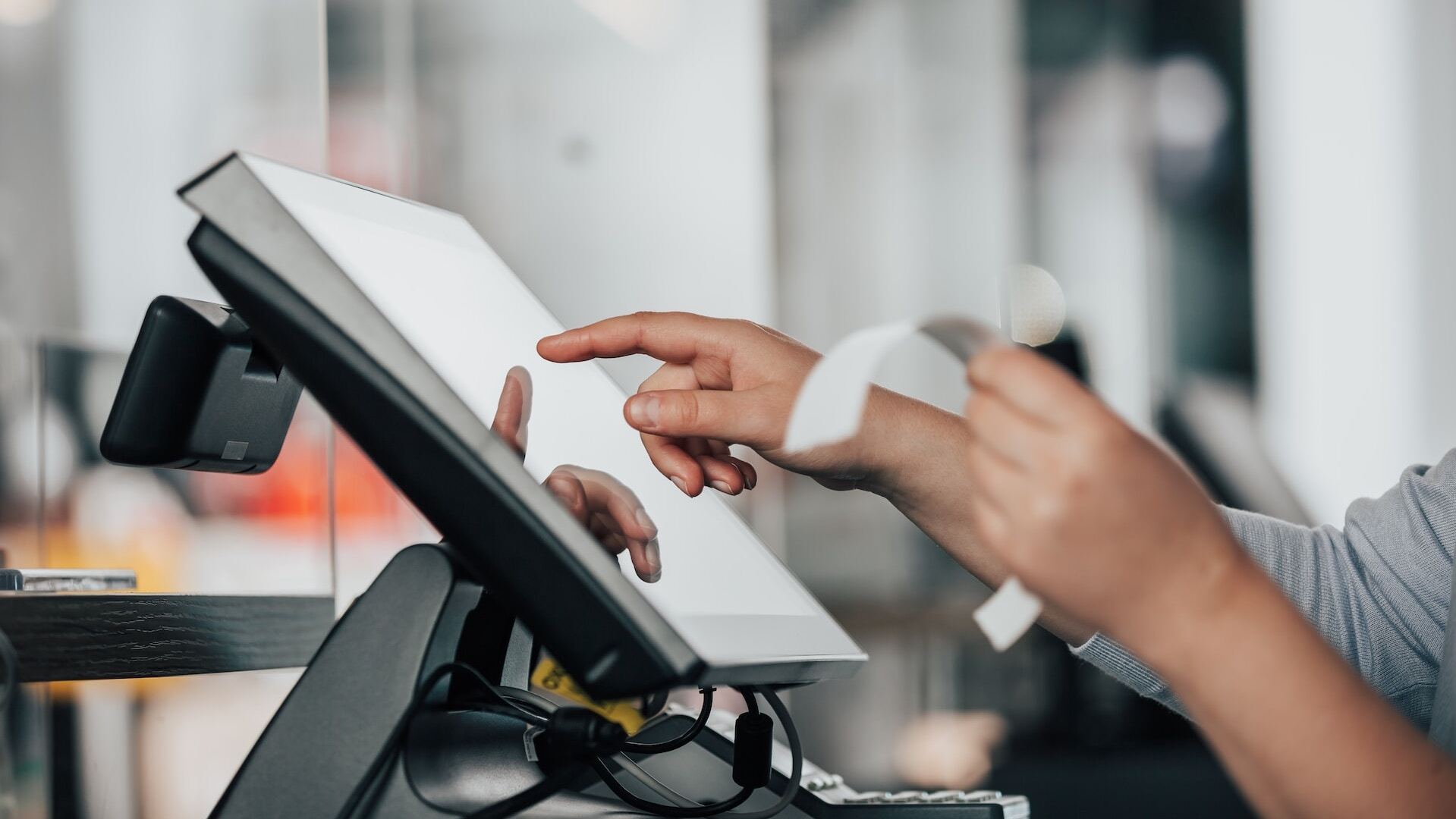
What Your Restaurant Online Ordering Tool Really Costs You
Understand the true cost of restaurant online ordering tools in Canada, from commissions to hidden operational impact on margins and guest experience.
Author
Online ordering has moved from a useful add-on to a core part of how restaurants operate in Canada. For many operators, it now represents a meaningful share of revenue, a key touchpoint for guest experience, and an increasingly complex cost centre.
Online ordering gives you chances to reach more customers, provide convenience, and increase sales. However, it can also come with new costs, added complexity, and pressure on profits. As your online business grows, having a well-structured approach becomes increasingly important.
TL;DR: Understanding what these tools really cost you isn't just about fees, though if you're curious about what different delivery platforms charge, our FAQ has you covered. It's also about seeing how those tools affect your margins, workflows, and long-term sustainability. The real opportunity is structuring your system so it works well with your restaurant.
The visible costs: what you can already see
Most operators start with the obvious costs. These are the ones that appear clearly on invoices or contracts and are relatively easy to quantify.
Commission-based models are the most widely discussed. In many cases, these take a percentage of each order, which can range significantly depending on the service model. At first glance, this can feel like a variable marketing cost. You only pay when you receive an order.
But the economics behave differently at scale. As online ordering grows, these fees scale with it. That means your most successful revenue channel can also become one of your most expensive.
Fixed costs are part of the picture too. Things like monthly platform fees, setup costs, payment processing charges, and integration fees form the foundation of what it costs to run an online ordering system. These are usually simpler to plan for, but they still have a real impact on your bottom line. Add them all together, and you've got a clear picture of what's driving your online margins.
The hidden costs: where margins quietly erode
Many important costs are hidden beneath the surface. These costs don’t show up as line items, but they can still affect your profits.
One of the most significant hidden costs is lost customer ownership. When orders flow through external platforms, the relationship with the guest often sits outside your control. You may not have access to meaningful customer data, which limits your ability to build loyalty, personalise offers, or drive repeat visits.
Over time, you might become dependent on paying to reach customers who already know your restaurant and would likely return on their own. What begins as a way to grow can turn into a regular cost that you have to manage.
Your menu can also hide costs. Many restaurant owners adjust their prices based on the ordering channel to cover fees. While this is common, customers can notice these differences which can affect how people view your brand and influence what they order or if they come back.
The kitchen feels the pressure too. Using multiple ordering channels adds complexity to your daily operations. Orders come in various formats, timing is harder to manage, and the chance of errors increases. What seems like a smooth experience for guests can create real stress for your staff when orders are coming in fast.
The operational reality: where cost meets workflow
This is the point where online ordering stops being a pricing question and starts becoming a service question.
Because in practice, it rarely comes through just one place. You might have orders coming in through your website, alongside orders from delivery apps, plus phone orders and walk-ins all hitting the kitchen at the same time. Sometimes that means multiple tablets, multiple systems, and multiple versions of the same menu in play.
When those systems do not talk to each other, your team ends up doing the work to connect them. Checking one screen, then another. Re-entering orders. Calling out clarifications. Trying to keep everything moving without losing track.
This is when service starts to feel stretched. The kitchen is no longer working at a steady pace. Orders come in all at once, tickets build, and timing becomes harder to hold together. Every new order leaves a little less room for mistakes.
For the guest, it still feels effortless. They tap, order, and expect everything to run smoothly. But inside the restaurant, that convenience often comes with added pressure and complexity for the team.
It's why so many operators are taking a fresh look at how their systems are set up. The answer isn't more tools. It's fewer, better-connected ones. Systems that pull orders into one place, keep the kitchen in sync, and make the day-to-day feel manageable again.
Because when it comes down to it, the real cost isn't just in the fees. It's in how hard your team has to work to keep everything running smoothly.
The guest experience trade-off
Online ordering also introduces a different kind of cost. One that sits between operations and perception.
When a guest orders online, they are still experiencing your brand. But that experience is mediated through a digital interface, a delivery process, and often a third-party interaction.
This creates a tension between convenience and control. The easier it is for guests to order, the more important it becomes that the experience still feels consistent and intentional.
When the experience breaks down, whether that's delays, wrong orders, or poor communication, the damage goes beyond your operations. It hits your reputation too.
And guest expectations aren't getting any lower. People are used to seamless digital experiences in pretty much every other part of their lives, and they bring those expectations with them when they order from you.
That's what makes online ordering so much more than just a way to take orders. Done right, it becomes a real part of how you deliver great hospitality.
A closer look at how operators are adapting
Many Canadian operators are not stepping away from online ordering. They are becoming more intentional about how they use it.
Smart operators aren't treating every online order the same anymore — they're thinking about channel strategy. Marketplaces like Uber Eats, DoorDash, and SkipTheDishes are great for getting your restaurant in front of new customers who might never have found you otherwise. But more and more, operators are also putting real effort into their own direct ordering channels, where they keep more control over the guest experience, their data, and their margins.
That shift is changing how online ordering fits into the business. Rather than absorbing costs evenly across all channels, operators are making clearer decisions about where those costs make sense. Some channels are allowed to carry higher acquisition costs, while others are designed to protect long-term value and repeat business.
It reflects a broader mindset change. Online ordering is no longer just about being present everywhere. It is about knowing what each channel is doing for your business, and using it accordingly.
Rethinking what “cost” actually means
When you take a step back, the cost of online ordering is not just a number on a report. It is a mix of things working together over time.
There is what you pay upfront, of course. But there is also what you trade off along the way. Control over the guest relationship. The ease of running your service. The flexibility to adapt when things change.
A lot of it comes down to how your setup actually works in practice. How your systems connect. How your team moves through a shift. How the experience feels from the guest’s side.
And it does not stay fixed. As online ordering becomes a bigger part of your business, those small trade-offs tend to grow with it.
This is why many operators are moving away from a purely cost-focused view and towards a systems-based view. The question is no longer just “What does this tool cost?” but “What does this system enable or constrain?”
The strategic takeaway for Canadian operators
Online ordering is not optional in the current Canadian market. It is a core part of how most restaurants operate and compete.
But how you set it up makes all the difference.
The operators who get the most out of online ordering tend to treat it as something to design, not just something to switch on. They think about how it fits into the flow of their restaurant, how it impacts their margins, and how it feels from the guest’s side.
They understand the trade-offs that come with it. The pull between convenience and control. Between driving more orders and protecting profitability. Between using technology and still delivering real hospitality.
And they make conscious choices about where to lean in and where to hold the line.
Because in the end, online ordering is not just about what it costs you. It is about what it enables your business to become over time.
FAQ
What is the true cost of online ordering for restaurants?
The true cost goes beyond fees and commissions. It includes operational complexity, lost customer data, and the impact on margins over time. How your system is structured often matters more than the headline cost.
How much do different delivery apps take in Canada?
Most major delivery platforms in Canada operate on commission-based pricing. Typical rates tend to fall between roughly 15% and 30% per order, depending on the level of service, delivery support, and in-app visibility selected. Platforms like Uber Eats and DoorDash offer different tiers, where higher commission comes with more visibility in the app or access to a broader delivery radius.
Is it cheaper to use third-party delivery apps or direct online ordering?
Third-party apps can help drive discovery and new customer acquisition, but they usually come with higher per-order costs. Direct online ordering typically has lower fees and gives you control over customer data, making it more effective for repeat business and long-term profitability.
Why do restaurants charge different prices on delivery apps?
Many restaurants adjust pricing on delivery platforms to offset commission fees and protect margins. While this helps maintain profitability, it can also affect how guests perceive value and consistency across channels.

Commission-free ordering, full control
Toast Online Ordering is commission-free and fully customised to your brand. Accept orders directly through your website, streamline operations with POS integration, and keep more of your hard-earned revenue.

Is this article helpful?
DISCLAIMER: This information is provided for general informational purposes only, and publication does not constitute an endorsement. Toast does not warrant the accuracy or completeness of any information, text, graphics, links, or other items contained within this content. Toast does not guarantee you will achieve any specific results if you follow any advice herein. It may be advisable for you to consult with a professional such as a lawyer, accountant, or business advisor for advice specific to your situation.

Subscribe to On the line
Sign up to get industry intel, advice, tools, and honest takes from real people tackling their restaurants' greatest challenges.
By submitting, you agree to receive marketing emails from Toast. We’ll handle your info according to our privacy statement. Additional information for California residents available here.