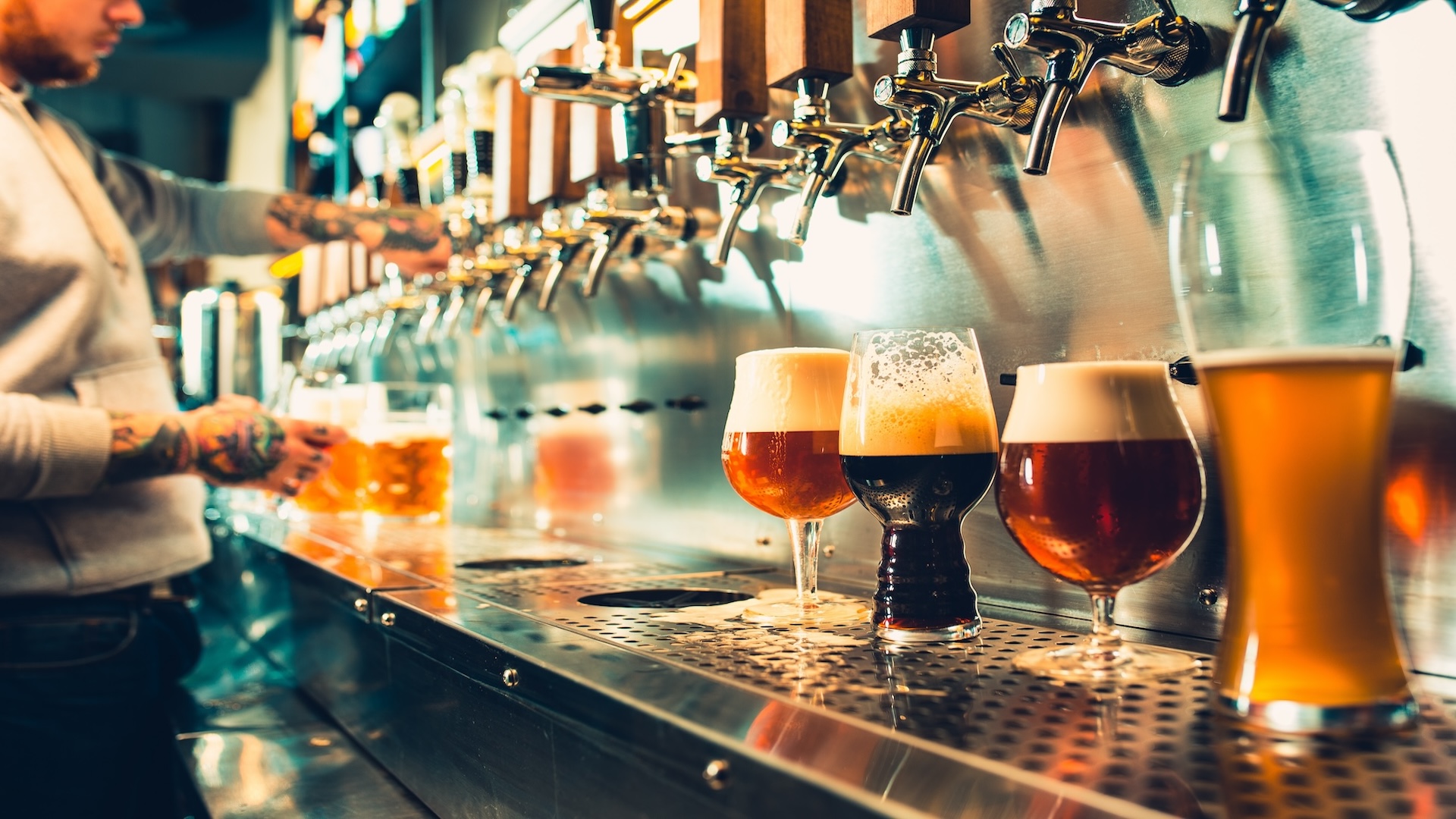
How to Start a Mobile Bar Business in Canada
There’s nothing dark and stormy about these tips for starting a mobile bar. It's time to pop the champagne and get started!
Author
Mobile bars are growing increasingly popular in Canada, offering an exciting way to join the hospitality industry without the steep costs of leasing a permanent venue.
Why Start a Mobile Bar in Canada?
The hospitality landscape is evolving, and mobile concepts are leading the way.
According to Toast's Voice of the Canadian Restaurant Industry report, nearly one-quarter of operators prioritize adopting new technology and streamlining operations, key benefits a mobile bar inherently offers.
Mobile bars offer a nimble, tech-forward model that aligns with shifting consumer expectations and helps operators stay lean and profitable.
Essential Steps for Starting Your Mobile Bar
1. Create a Business Plan
A detailed mobile bar business plan is crucial. Your business plan should include:
Target market
Event specializations (e.g., weddings, corporate events)
Business structure
Marketing strategy
Financial projections, including break-even points
Restaurant Business Plan Template
No matter where you’re at in your restaurant ownership journey, a business plan will be your north star. Organize your vision and ensure that nothing is overlooked with this free template.

2. Select Your Business Structure
Most Canadian businesses operate as corporations, partnerships, or sole proprietorships—each with its own rules around taxes and liability. Check the official Government of Canada website for more info.
3. Secure Funding
Though mobile bars have lower startup costs compared to brick-and-mortar bars, securing adequate funding is essential. Explore Canadian small business grants, loans from financial institutions, and crowdfunding platforms like FrontFundr.
4. Obtain Proper Licences and Permits
In Canada, mobile bars require specific licences:
Alcohol Licence: Apply provincially via authorities such as the Alcohol and Gaming Commission of Ontario (AGCO).
Business Licence: Obtain from your municipal government.
Food Service Licence: If you plan to offer food as part of your mobile bar experience, apply via your local health department. Always consult your municipal or provincial website for up-to-date requirements. If you’re serving across regions, make sure your licences cover each jurisdiction.
5. Find Suppliers and Order Inventory
Find reliable distributors of alcohol, mixers, and specialty drink suppliers within your market. Strong relationships with suppliers will provide you with quality products at reasonable prices. Local directories such as the Canadian Beverage Supply Chain Directory or trade organizations can help you source suppliers.
According to the Toast Consumer Preferences Survey 2025, in which 200 Canadian consumers were polled using Pollfish, price is the most important factor for Canadians when ordering from a mobile bar, followed closely by cocktail variety and bartender skill. Entertainment options are ranked as the least important feature, suggesting operators should focus primarily on quality drinks, pricing strategies, and service expertise.
6. Buy Equipment and a POS
Your mobile bar needs to be tight, fast, and efficient. Here’s the basic gear that you'll need to get started:
Bar tools like shakers, jiggers, muddlers, strainers
Glassware or eco-friendly cups
Portable fridges and ice machines
A reliable POS system (like Toast). It handles payments and lets your team take orders on the go
Restaurant POS Comparison Tool
A free, customizable Restaurant POS Comparison Tool to research and compare point of sale systems in one Excel spreadsheet or editable PDF.
7. Hire Your Team
Mobile bars typically operate with a lean staff, but you'll likely need several bartenders and assistant bartenders.
Consider experienced hospitality professionals who can deliver excellent service. Platforms such as Harri, Poached Jobs, or local hospitality groups on social media can help you source qualified staff.
8. Figure out Finances, Sales Forecasts, and Operating Expenses
Getting your numbers right from day one will help you stay profitable.
Key areas to map out:
Startup costs (vehicle, buildout, branding)
Recurring expenses (fuel, insurance, staffing, ingredients)
Sales forecast per event and monthly revenue goals
Emergency fund for vehicle repairs or cancellations
Use accounting software like QuickBooks Canada or Wave to stay on top of everything. Leverage POS reporting tools (like Toast) to monitor sales and identify your most profitable events or menu items.
9. Get Creative With Branding, Marketing, and Promotion
You’re not just selling drinks. You’re selling an experience.
According to the Toast Consumer Preferences Survey 2025, in which 200 Canadian consumers were polled using Pollfish, 45.5% of Canadians said unique menu items significantly attract them to new food and beverage establishments. Additionally, 51% rely heavily on word-of-mouth recommendations. The bottom line: prioritize a distinctive, appealing menu and excellent service to encourage positive reviews.
Consider using local social media influencers, participating in community events, and creating engaging digital content to build brand awareness.
10. Check The Necessary Legal and Regulatory Resources
Not sure how to navigate all the red tape? These are the key places to check:
These organizations can assist with such crucial matters as getting licenses, taxation, as well as trademarking your mobile bar company’s name.
Next Steps
Starting a mobile bar in Canada is a great idea. With the appropriate equipment, licenses, and gear, you can build a successful business and provide some unforgettable experiences. It's time to start drafting your mobile bar business plan - good luck!
 TOAST TECH
 Built for restaurants just like yours.
Toast’s restaurant technology includes point of sale, kitchen display screens, online ordering, loyalty, analytics, payroll, and more.
Is this article helpful?
DISCLAIMER: This information is provided for general informational purposes only, and publication does not constitute an endorsement. Toast does not warrant the accuracy or completeness of any information, text, graphics, links, or other items contained within this content. Toast does not guarantee you will achieve any specific results if you follow any advice herein. It may be advisable for you to consult with a professional such as a lawyer, accountant, or business advisor for advice specific to your situation.

Subscribe to On the line
Sign up to get industry intel, advice, tools, and honest takes from real people tackling their restaurants' greatest challenges.
By submitting, you agree to receive marketing emails from Toast. We’ll handle your info according to our privacy statement. Additional information for California residents available here.