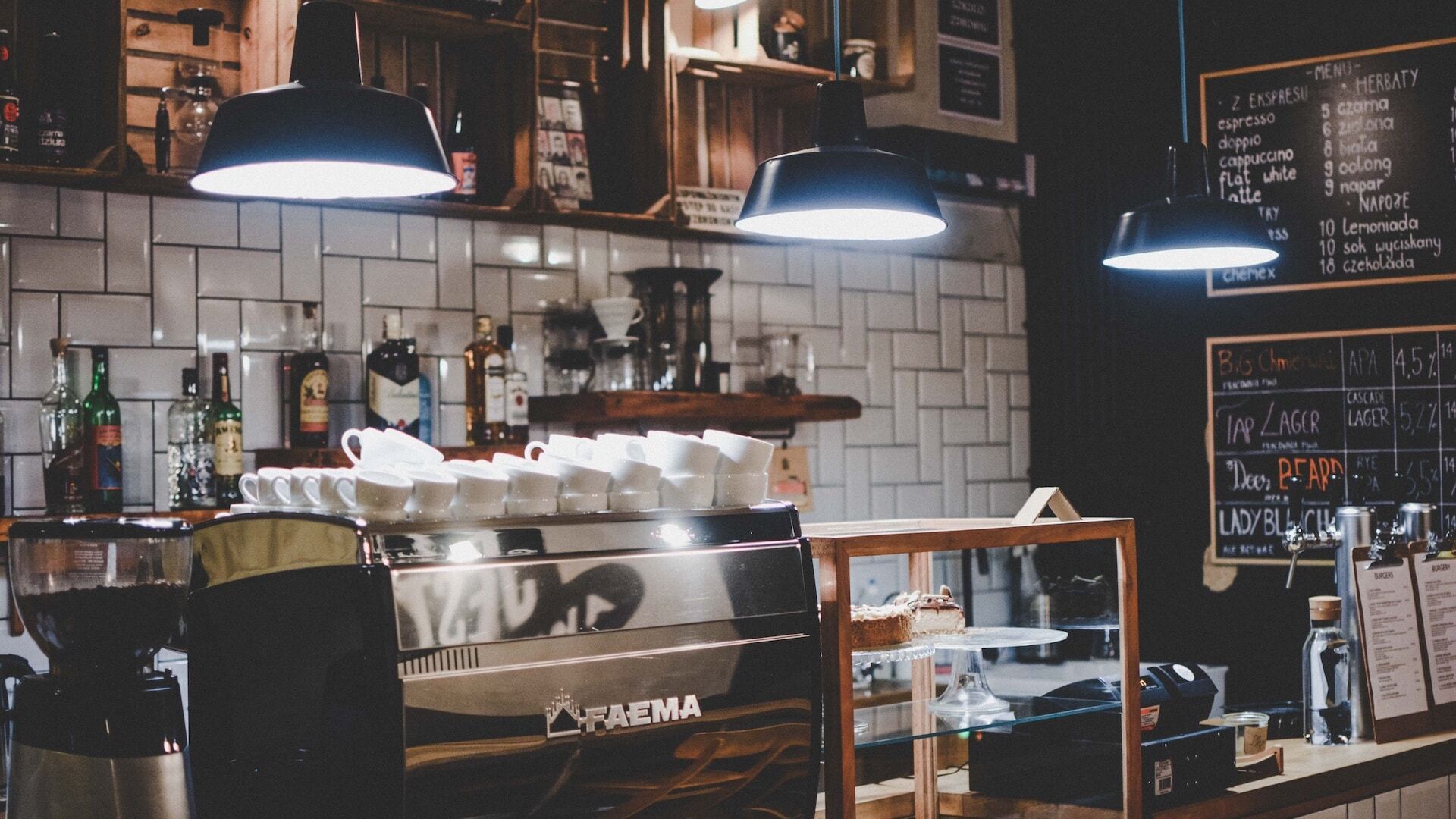
How to Design a Coffee Shop Menu in Canada
Deign a coffee shop menu in Canada that will keep customers coming back.

Author
Designing a menu might seem like a small task — but for Canadian coffee shops, it can be the difference between a one-time customer and a lifelong fan. A smartly designed menu does more than showcase your drinks. It subtly guides choices, reinforces your brand, and drives repeat visits.
Whether you’re opening your first café in Toronto or rebranding your third location in Vancouver, this guide will help you build a beautiful coffee shop menu that fits your vibe and increases revenue.
Restaurant Menu Templates
Use these menu templates as a starting point for your menu design or to give your menus a refresh.

Why Menu Design Matters
Your menu is a key part of the guest experience. It’s one of the first things people interact with — and one of the last things they use before placing an order. Great coffee menus:
Highlight your most profitable items
Make it easy to browse quickly
Reflect your brand and ambiance
Encourage upsells and repeat visits
What Canadian Diners Care About Most
According to the Toast Consumer Preferences Survey 2025, where 200 Canadian restaurant-goers were polled on their restaurant design and menu preferences, nearly 62% of Canadians prefer printed menus over digital alternatives like QR codes or screens. But readability and design still matter: 87% said they find bold fonts and colours acceptable as long as they’re readable.
And when it comes to callouts, Canadians are highly influenced by clear labelling:
84% are more likely to order “best sellers”
Icons like vegan or spicy scored higher than photos in terms of menu priorities
Canadian Coffee Shop Menu Design Tips
1. Use Layout to Drive Decisions
Use visual hierarchy to guide the eye. Top-centre or top-left placements tend to attract the most attention. Use boxes, headers, or colour changes to draw attention to key items, like your house blend or best-selling cold brew.
2. Limit Choice Fatigue
In our poll, the top menu annoyances included:
Too many options
Poor organisation
Outdated design
Keep each category (e.g., espresso-based, iced drinks, snacks) to around 6–8 items, which aligns with Canadian diner expectations.
3. Choose Fonts and Colours That Match Your Brand
Your font and colour choices should tell your restaurant's story before customers take their first bite.
If you run a sleek downtown spot, clean sans-serif fonts and a monochromatic palette might be your thing. Running a family-style Italian place? Maybe warm reds and a slightly more decorative font create that cozy, homey feel your diners love.
Whatever style you choose, make sure it feels authentically "you" - customers will spot a disconnect between your menu design and the actual restaurant experience from a mile away.
4. Highlight Your Best Sellers and Seasonal Items
Canadians are more likely to order items that are clearly marked as, locally sourced, or seasonal. Use callouts like:
“House Favourite”
“Seasonal Special”
“Chef’s Pick”
You can also highlight sustainability and local ingredients. Over 60% of Canadians surveyed say they are more likely to revisit a restaurant if the menu changes with the seasons.
5. Price Intentionally
Over half of Canadians (52%) actually prefer seeing clean, round numbers on menus. They'd rather see "$15" than "$14.99" - it feels more straightforward and less like a marketing trick.
Consider dropping the dollar signs and decimal points altogether. "15" looks cleaner than "$15.00" and psychologically feels less like spending money. It's a small change that many successful restaurants have embraced.
6. Add Icons That Matter
Those little symbols for vegan, gluten-free and spicy dishes? They're not just helpful - they actually influence ordering decisions more than food photos do, according to our survey.
A simple legend at the bottom of your menu can make life easier for customers with dietary needs while subtly highlighting options they might have overlooked. It's both practical and persuasive - the sweet spot for menu design.
7. Include Photos Strategically
High-quality photos can boost sales by up to 30% — but only if they’re professional. If you’re short on budget, consider embedding your Instagram feed or linking a QR code to your visual menu.
Wrapping Up
Your menu isn't just telling people what you sell - it's working for you around the clock. The best ones feel like a natural extension of your space and make ordering feel effortless.
When your menu design connects with what Canadian customers actually want and works seamlessly with your ordering system, you're creating something that goes beyond coffee - you're creating a place people want to return to again and again.
 TOAST TECH
 Built for restaurants just like yours.
Toast’s restaurant technology includes point of sale, kitchen display screens, online ordering, loyalty, analytics, payroll, and more.
Is this article helpful?
DISCLAIMER: This information is provided for general informational purposes only, and publication does not constitute an endorsement. Toast does not warrant the accuracy or completeness of any information, text, graphics, links, or other items contained within this content. Toast does not guarantee you will achieve any specific results if you follow any advice herein. It may be advisable for you to consult with a professional such as a lawyer, accountant, or business advisor for advice specific to your situation.

Subscribe to On the line
Sign up to get industry intel, advice, tools, and honest takes from real people tackling their restaurants' greatest challenges.
By submitting, you agree to receive marketing emails from Toast. We’ll handle your info according to our privacy statement. Additional information for California residents available here.