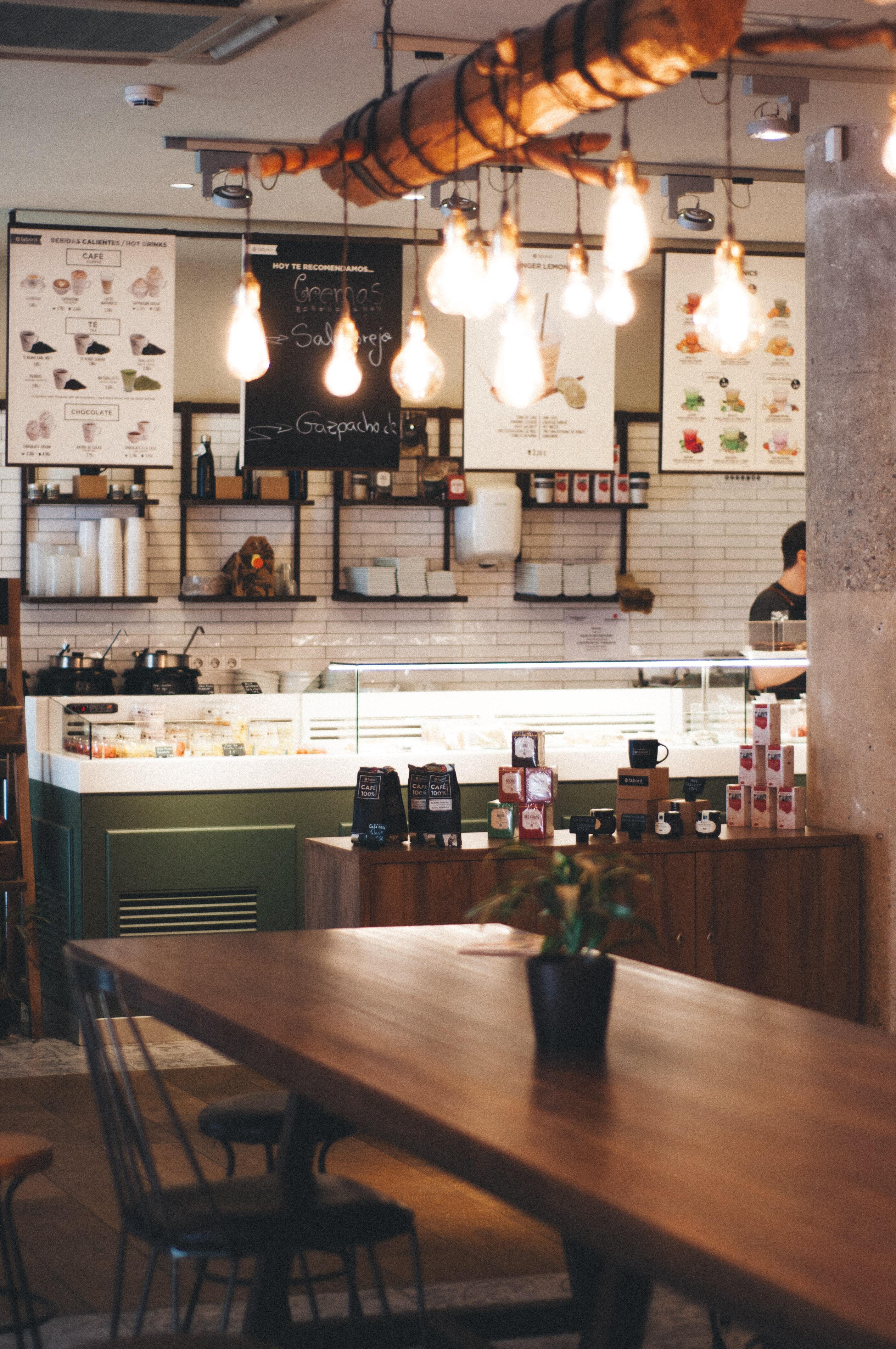
How to Design a Coffee Shop Floor Plan in Canada
Here’s how to design the coffee shop floor plan of your dreams.
Author
In Canada’s competitive coffee shop landscape, a thoughtful layout helps you stand out and sets the stage for long-term success.
A well-designed floor plan can make or break your coffee shop’s success. It’s about more than just style—it’s about smart space planning that enhances flow, accessibility, and profitability.
According to the Toast Consumer Preferences Survey 2025, where 200 Canadian consumers were polled on their restaurant design preferences, 64.5% of Canadians say coffee shops are their most-visited type of establishment. And over 80% say the design and layout of a space is at least somewhat important in their decision to return. This guide walks you through how to design a coffee shop floor plan tailored for the Canadian market.
What is a Coffee Shop Floor Plan?
A floor plan is a bird’s-eye view of your space, showing how your front-of-house and back-of-house areas connect.
It should clearly outline zones like seating areas, the coffee bar, washrooms, kitchen, storage, and entrances/exits.
Effective plans help staff move efficiently and make guests feel welcome from the moment they walk in.
Why a Great Layout Matters
Your café layout isn’t just about comfort—it’s about operations. A streamlined floor plan helps improve:
Order speed and staff coordination
Guest satisfaction and accessibility
Compliance with Canadian building codes (for example, accessible routes must have a minimum clear width of 1,100mm to allow safe and barrier-free movement)
Space optimisation and seating turnover
Accessibility Considerations in Canada
Provinces and municipalities each have unique building codes for accessibility.
In Ontario, for example, cafés must comply with AODA regulations, which cover everything from ramp access to washroom design.
Across the country, wide pathways and accessible restrooms are essential—32.5% of Canadian consumers say accessible washrooms are the most important accessibility feature.
Going beyond the minimum can set you apart. Use human-centred design to create a space that works for everyone—not just the average guest.
Planning Your Layout: Tools & Tips
1. Use Design Software
Digital planning tools can save you major headaches down the road. Programs like SmartDraw, ConceptDraw, or CadPro can help you digitally map out your space. That said, nothing beats working with someone who really understands Canadian hospitality spaces - consider reaching out to a local design firm that specializes in pubs, cafés and restaurants. They'll bring insights that generic software simply can't match.
2. Design Zones with Flow in Mind
People hate feeling confused about where to go and what to do when they walk into a space. Toast’s Consumer Preferences Survey 2025 research shows that 86% of customers consider clear ordering queues important, while 73% want to easily distinguish between ordering areas, dining spaces, and waiting sections.
Think about your own experiences. There's nothing worse than awkwardly hovering, unsure if you should seat yourself or wait to be seated. Your layout should gently guide visitors through their journey, making each transition feel natural and intuitive. When done right, people won't even notice how seamlessly they've moved from entrance to table to departure.
3. Include Staff-Only Areas
Don’t overlook staff break rooms and admin spaces. Setting aside back-of-house space boosts employee satisfaction—a key factor as restaurants work to improve retention (source: Voice of the Canadian Restaurant Industry report).
Layout by Zone: Best Practices
Entrance
First impressions matter. Design a welcoming entryway that flows naturally into the order zone. Signage, music, and scent can all influence the guest’s initial reaction.
Over 57% of Canadian guests say they notice cleanliness first—but ambiance and staff greeting also matter.
Coffee Bar
This is your café’s heart. According to Tyler Rutherford at Gusto 54, implementing handheld POS systems at the bar drastically reduced order times and improved guest satisfaction. Place espresso machines and POS stations for easy barista access, and make sure your pickup counter is clearly visible.
Seating Area
The industry standard is 60% guest space, 40% back-of-house. A 300m² café would allocate about 180m² to seating. That allows space for 100+ guests, based on Canadian estimates of 1.7–1.9 square metres per customer.
According to Toast’s Consumer Preferences Survey 2025, the top seating preference for Canadians is comfort, followed by privacy and décor. Many also prefer a mix of small tables and communal seating—plan accordingly.
Washrooms
Don’t underestimate their impact—clean, easy-to-navigate washrooms are a make-or-break for many guests. 79% of Canadians prioritize cleanliness when deciding where to eat (source: Retail Insider).
Layout Style Trends in Canada
When asked about their preferred design style, 46.5% of Canadians chose “rustic and cozy,” followed by “minimalist and modern”. Think wood textures, warm lighting, and earthy tones.
Need some inspiration? Join Brodie Vissers as he visits three standout cafés in Downtown Toronto serving specialty coffee and sharing stories that go beyond the brew.
Tech in the Layout
POS stations, charging outlets, and digital menus should blend seamlessly with your café’s layout.
Many Canadian restaurants are investing in tech to meet rising expectations, with 75% planning to increase their tech spend this year (source: Voice of the Canadian Restaurant Industry report). Consider where to place:
Countertop POS stations
Contactless tap payment areas
Self-serve pick-up counters
Bringing it All Together
Designing a great floor plan takes time, vision, and local insight. But when done right, it can boost efficiency, improve guest satisfaction, and create a space your team is proud of.
 TOAST TECH
 Built for restaurants just like yours.
Toast’s restaurant technology includes point of sale, kitchen display screens, online ordering, loyalty, analytics, payroll, and more.

Is this article helpful?
DISCLAIMER: This information is provided for general informational purposes only, and publication does not constitute an endorsement. Toast does not warrant the accuracy or completeness of any information, text, graphics, links, or other items contained within this content. Toast does not guarantee you will achieve any specific results if you follow any advice herein. It may be advisable for you to consult with a professional such as a lawyer, accountant, or business advisor for advice specific to your situation.

Subscribe to On the line
Sign up to get industry intel, advice, tools, and honest takes from real people tackling their restaurants' greatest challenges.
By submitting, you agree to receive marketing emails from Toast. We’ll handle your info according to our privacy statement. Additional information for California residents available here.