How to Design a Bakery Floor Plan in Canada
Starting a bakery from scratch? Here's how to design a bakery floor plan in Canada
Author
Whether you’re opening your first bakery or reworking a longtime favorite, your floor plan is one of the most important decisions you’ll make. It shapes the way your team works, how guests experience your space, and how profitable your business can be.
Here’s how to design a bakery floor plan that supports smooth operations, delivers a great guest experience, and keeps your business ready to grow.
1. Start With the Flow
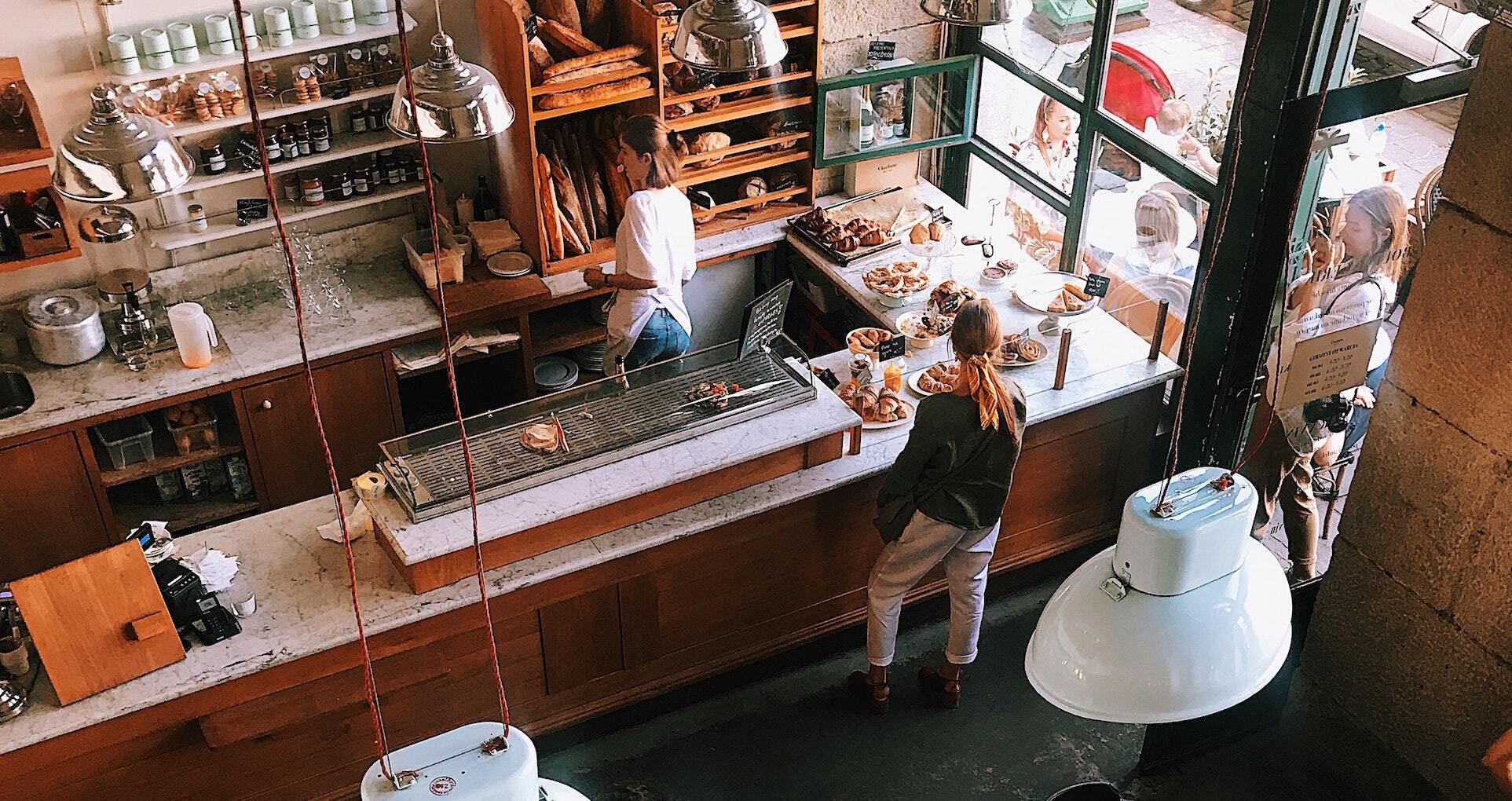
Before you think about furniture or decor, map out the movement: your customers, your staff, and your products. The best bakery layouts are built around how people move through the space — from the front door to the counter, and from the oven to the display case.
Ask yourself:
How will guests enter, line up, order, and exit?
How can staff move efficiently between prep areas, ovens, and front-of-house?
Where do bottlenecks happen — and how can you design them out?
A well-designed layout reduces back-of-house congestion, cuts down on staff fatigue, and speeds up service — all of which improve the bottom line.
2. Define Your Key Zones
Front of House
This is where your brand comes to life. Canadian guests expect a space that’s welcoming, intuitive, and comfortable — especially in bakery-café hybrids.
According to Toast’s 2025 Consumer Preferences Survey, where 200 Canadian consumers were polled on their restaurant design preferences:
41% said visible ordering queues are “very important”
46% prefer clearly marked areas like order, wait, and dine
59.5% prioritize seating comfort above all
46.5% of guests prefer rustic, cosy styles
What to include:
A clear entrance with line-of-sight to the counter
Digital or printed menus that are easy to scan
A mix of seating — booths, small tables, bar seating
Thoughtful lighting and decor
Kitchen & Prep
Your back-of-house needs to handle the pace of daily production without sacrificing safety. Keep raw and ready-to-eat areas separate, and build in clear walkways for staff. Sanitization stations and easy access to ingredients can reduce errors and save time.
Think about the flow of your daily operations. Where do your bakers need to stand? How do they grab ingredients, move between stations, and load the oven? Take actual measurements of your equipment before designing your layout—those few extra inches can make all the difference between a cramped kitchen and one that breathes.
Check out SmartDraw's bakery kitchen example below with their well-designed prep zones that keep everything flowing smoothly.

Source: AutoCad
Creating Temptation: Display Area
Your display cases are silent salespeople working 24/7. Place them where customers naturally look when they first walk in or along their path through your shop. Good lighting makes your pastries look irresistible, while smart organization helps customers find exactly what they're craving.
Remember to refresh your displays throughout the day—nothing kills appetite faster than empty trays or day-old items looking lonely under the lights.
Seating & Customer Zones
If your bakery includes dine-in service, invest in seating that encourages longer visits. In the Toast Consumer Preferences Survey 2025, in which 200 Canadians were asked about their restaurant design preferences, over a third, (35%), said that comfortable seating would make them spend longer in a bar or café.
Make sure to prioritize:
Comfortable chairs and a mix of solo and group seating
Natural lighting and airflow — highly rated across the board
Accessible layouts with wide paths and barrier-free washrooms
3. Follow Local Regulations
Canadian bakeries must meet both national and provincial standards. That includes:
Food safety: Follow Canadian Food Inspection Agency (CFIA) guidelines
Accessibility: Meet Accessibility Canada Act requirements for ramps, signage, and restrooms
Building codes: Check with your local zoning and fire department. Ontario operators, for example, should refer to the Ontario Building Code
Plan early to avoid expensive redesigns or delays.
4. Bake In Flexibility
Modern bakeries are multi-use spaces. You might serve the breakfast rush, host lunch dates, and offer take-home bread — all in one day. Your layout should support different dayparts without friction.
What helps:
Modular furniture that can be rearranged
Multi-functional stations that serve both dine-in and takeaway
Storage zones that are accessible but out of sight
According to our Voice of the Canadian Restaurant Industry report, sustainability is also top of mind: over 79% of Canadians want businesses to prioritize eco-conscious practices. Consider low-waste design, recycled materials, and energy-efficient lighting to meet guest expectations and reduce operating costs.
Restaurant Marketing Plan
Create a marketing plan that'll drive repeat business with this customizable marketing playbook template and interactive calendar.

5. Plan, Test, and Adjust
Before committing to a build, pressure-test your layout. Try this:
Observe other bakeries: Note what works and where people get stuck
Map it out: Use digital tools like RoomSketcher or Planner 5D
Get staff input: Your team knows what’s efficient - and what’s not
Soft launch or pop-up: Trial your layout before full rollout
Final Thoughts
Designing a bakery floor plan isn’t about copying trends - it’s about building a space that works for your guests, your staff, and your business model.
Whether you’re opening a sleek patisserie in downtown Montréal or a cosy bread shop in small-town Alberta, a well-planned layout will help you operate smoothly and grow sustainably.
 TOAST TECH
 Built for restaurants just like yours.
Toast’s restaurant technology includes point of sale, kitchen display screens, online ordering, loyalty, analytics, payroll, and more.
Is this article helpful?
DISCLAIMER: This information is provided for general informational purposes only, and publication does not constitute an endorsement. Toast does not warrant the accuracy or completeness of any information, text, graphics, links, or other items contained within this content. Toast does not guarantee you will achieve any specific results if you follow any advice herein. It may be advisable for you to consult with a professional such as a lawyer, accountant, or business advisor for advice specific to your situation.

Subscribe to On the line
Sign up to get industry intel, advice, tools, and honest takes from real people tackling their restaurants' greatest challenges.
By submitting, you agree to receive marketing emails from Toast. We’ll handle your info according to our privacy statement. Additional information for California residents available here.