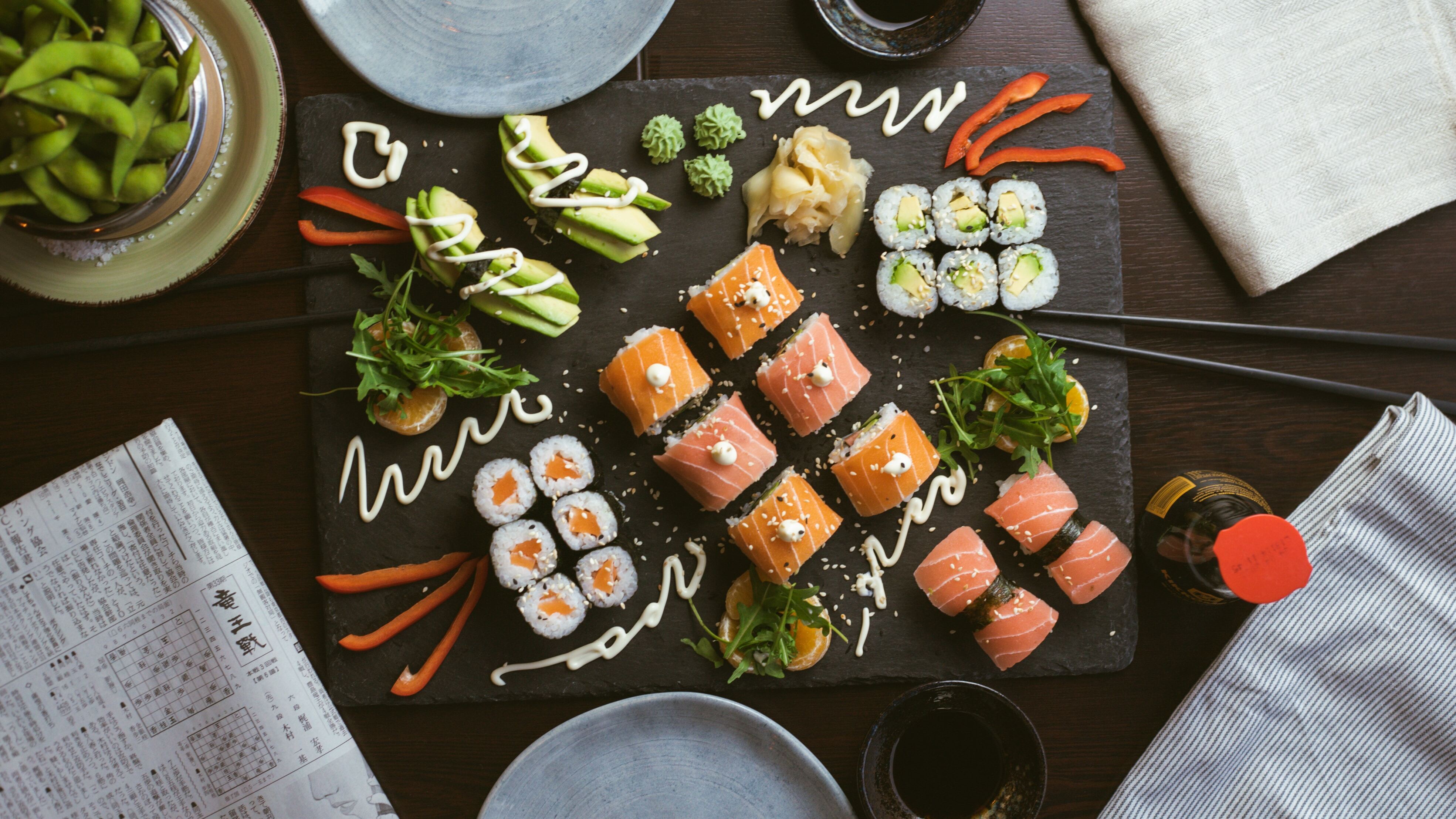
What Is Masago in Sushi: The Complete Guide
Complete guide to masago in sushi — capelin fish roe that adds color, crunch, and flavor to rolls. Learn about preparation, nutrition, sustainability, and culinary uses in 2026.

作者

 资源
资源 When you see those tiny, vibrant orange pearls adorning your California roll or scattered across your favorite sushi, you're looking at masago. Masago is the roe (eggs) of the capelin fish, a small species found in cold-water regions such as the North Atlantic and Arctic Oceans. As the global sushi market is projected to more than double — from $5.85 billion in 2024 to $10.76 billion by 2033, growing at nearly 8% annually — this ingredient has become a staple in sushi restaurants worldwide. It offers a distinctive burst of flavor, satisfying crunch, and eye-catching color that can transform ordinary rolls into visually stunning culinary experiences.
Key takeaways
Masago is the roe of the capelin fish, known for its tiny, colorful eggs that add crunch and flavor to sushi.
It is nutrient-rich and low in calories, offering protein, vitamin B12, and omega-3 fatty acids.
Masago is more affordable and accessible than other types of roe, such as tobiko, ikura, or caviar.
It is widely used in sushi rolls, gunkan-maki, spicy mayo toppings, and as a garnish.
Recipe Card Template
Train your team with this recipe card template, a customizable Excel sheet that outlines recipe requirements for chefs and back of house staff.

What is masago
“Masago comes from capelin (Mallotus villosus), which is a type of smelt fish,” explains Jacobo Lopez Ramirez, head sushi chef at Uchiko Austin. These small forage fish, about the size of a sardine, frequent cold-water regions and serve as an important food source for larger predators like codfish, seabirds, seals, and whales.
Female capelin begin releasing eggs at around 2 to 4 years of age and can carry 6,000 to 30,000 eggs.Masago is harvested from female capelin when the fish are full of eggs but before they have the chance to spawn, ensuring optimal quality and flavor.
The eggs are naturally pale yellow and translucent, but are typically dyed bright orange, red, green, or black to enhance their visual appeal when served in sushi. The recent introduction of medical-grade freezers to the culinary scene has given chefs access to masago on its own, since it can be processed and stored during peak spawning season.
Flavor and texture profile
Masago offers a mild, slightly salty flavor with a delicate crunch."This roe has been a delicacy in Japan and other Asian countries for centuries," says Rik Keijzer of School of Sushi. "The word 'masago' means 'sand' in Japanese, as the eggs resemble tiny grains of sand." True to its translated name, masago has a distinct texture that feels granular but pleasant, providing a nice contrast to other sushi ingredients.
Unlike larger roe like ikura (salmon roe) that produces a distinct "pop" when bitten, masago provides a satisfying crunch.Flavor-wise, masago is often compared to tobiko, though it is milder in taste and slightly more bitter than salmon roe.
For example, imagine biting into a salmon roll topped with masago. The smoothness of the fish and rice is interrupted by a gentle pop that doesn’t overpower the flavor but adds an unexpected layer of texture.
Culinary uses in sushi
Popular sushi applications
Masago is one of sushi’s most versatile ingredients. Its mild brininess, burst of color, and delicate crunch make it a favorite for chefs and diners alike. You’ll most often find it in:
California rolls: The bright orange pearls coating the outside don’t just look appealing, they add subtle texture and a mild, salty flavor that balances creamy avocado and sweet crab.
Gunkan-maki: Masago commonly appears in gunkan-maki, the “battleship” style sushi where seaweed forms a cup around seasoned rice, creating a pocket for the delicate roe.
Spicy rolls: Often mixed with spicy mayo, masago makes a flavorful topping for specialty rolls.
Garnishes: Sprinkled as a colorful accent on nigiri, sashimi, or rice bowls.
Color variations and flavoring
Japanese chefs love masago for its versatility. It can be flavored or dyed to suit different styles of sushi, adding both visual impact and unique taste. For example, masago might be mixed with wasabi for spice, combined with squid ink for dramatic black tones, or left natural for understated presentation. Common color variations include:
Orange: The most common presentation. Bright and eye-catching, it’s what most diners recognize on California rolls.
Green: Flavored with wasabi, giving it a spicy kick that pairs well with creamy or mild fillings.
Black: Colored with squid ink for a striking look and subtle umami depth. Often used in high-end sushi rolls for visual drama.
Red: Typically flavored with ginger or other natural seasonings. Adds a sharp, tangy note to balance rich or fatty fish.
Yellow: Infused with yuzu or other citrus flavorings, offering a refreshing burst that complements lighter sushi.
A sushi chef creating a new specialty roll might coat the outside with orange masago, mix green wasabi-flavored masago into the topping, and then finish with a drizzle of spicy mayo — turning a simple roll into a colorful, multi-layered bite.
Nutritional profile and health benefits
Calorie and macronutrient content
Masago is nutrient-dense while still relatively low in calories, especially in small servings:
1 tablespoon (14 grams): About 20 calories, making it a light addition to sushi.
1 ounce (28 grams): Roughly 6 grams of high-quality protein — similar to one large egg.
1 cup: Around 339 calories, 34 grams of protein, 21 grams of fat, and 8.5 grams of carbohydrates.
Even small amounts of masago pack a protein boost, making it both flavorful and functional in sushi dishes.
Key nutrients
Beyond protein, masago delivers an impressive range of vitamins and minerals:
Vitamin B12: More than 50% of the daily recommended value in a small serving. Essential for red blood cell production, nerve health, energy metabolism, and DNA synthesis.
Selenium: A potent antioxidant that supports thyroid function and strengthens the immune system.
Vitamin D: Important for bone health, calcium absorption, and overall immune support.
Iron: Plays a key role in transporting oxygen through the blood and preventing fatigue.
Magnesium: Supports muscle and nerve function, as well as energy production.
Riboflavin & Pantothenic acid (B vitamins): Aid in converting food into usable energy and maintaining healthy skin and eyes.
Phosphorus: Vital for healthy bones, teeth, and cellular repair.
Together, these nutrients make masago not only a flavorful garnish but also a meaningful contributor to a balanced diet.
Health benefits
Eating masago in moderation offers several nutritional perks:
Heart health: Rich in omega-3 fatty acids, masago supports hormone production that helps regulate blood clotting and reduces inflammation in artery walls, which can lower the risk of cardiovascular disease.
Protein benefits: Just 2 tablespoons provide about 6 grams of protein. Research shows high-protein foods can curb cravings and promote satiety, making them helpful in managing appetite.
Low mercury content: Because capelin are small forage fish low on the food chain, they contain far less mercury than larger species such as mackerel or swordfish, making masago a safer roe option.
Someone trying to boost their protein intake might swap their usual side of edamame for a sushi bowl topped with two tablespoons of masago, getting a quick 6 grams of protein without adding many calories.
Masago vs. other fish roe
Tobiko (flying fish roe)
Tobiko is often confused with masago, but there are several key differences:
Size: Slightly larger, with a firmer texture and more pronounced crunch.
Flavor: Bolder and smokier compared to masago’s mild brininess.
Color: Naturally golden, while masago is pale yellow and usually dyed.
Use: Chosen for dramatic texture and visual flair in sushi.
Caviar (sturgeon roe)
Caviar sits at the opposite end of the spectrum, representing luxury and indulgence:
Texture: Large, creamy eggs with a smooth, buttery mouthfeel.
Price: Considered a luxury delicacy with a much higher cost than masago.
Flavor: Rich and indulgent, versus masago’s crisp, salty burst.
Use: Served as a stand-alone delicacy, while masago is an everyday sushi garnish.
Ikura (salmon roe)
Ikura is another popular roe in sushi, but its qualities set it apart from masago:
Size: Much larger bright orange pearls that deliver a distinct “pop.”
Flavor: Creamy, rich, and buttery compared to masago’s lighter taste.
Color: Vivid orange, making it a centerpiece ingredient.
Use: Common on nigiri and donburi, while masago typically coats rolls or acts as a garnish.
Production and processing
Harvesting process
Capelin spawning season provides only a narrow window for collecting masago, usually from April to July, depending on the region. Females with nearly developed roe are most sought after. The process typically involves:
Catch window: April to July, when roe is fully developed but before spawning.
Method: The abdomen of the female capelin is carefully cut open to remove roe sacs.
Separation: Roe sacs are gently separated from surrounding tissues to maintain quality.
Processing and preservation
Once harvested, masago undergoes careful handling to ensure flavor, freshness, and longer shelf life. Typical preservation methods involve:
Freezing: Roe is often deep-frozen immediately after extraction to preserve peak freshness.
Cleaning and salting: The eggs are cleaned, then salted to enhance both shelf life and taste.
Flavoring: Some masago is further seasoned with ingredients such as wasabi or soy sauce to create unique variations for sushi chefs.
Sustainability considerations
Environmental impact
The role of capelin in marine ecosystems makes masago a complex sustainability issue. Capelin are considered an essential species, serving as food for codfish, seabirds, seals, and whales. Concerns include:
Ecosystem role: Capelin are integral species in cold-water food webs, making their population health critical to marine balance.
Decline in capelin stocks: Canada’s Department of Fisheries and Oceans reported a 70% decline in capelin between 2015 and 2018, driven more by environmental shifts than overfishing.
Conservation concerns: The World Wildlife Fund has flagged fishing practices that may add stress to already vulnerable populations.
Sustainability factors
Despite these challenges, masago itself is often considered a byproduct of the broader capelin fishing industry, which helps maximize resource use:
Byproduct use: About 80% of caught capelin is processed into fishmeal and fish oil for animal feed, while around 20% becomes roe for human consumption.
Waste reduction: This split maximizes the utility of each fish caught, helping minimize waste.
Best practices: Groups such as the Marine Stewardship Council encourage certified fisheries and sustainable aquaculture methods to reduce environmental impact.
If a sushi restaurant chose to source masago only from Marine Stewardship Council–certified fisheries, it could highlight this on the menu as a way to appeal to eco-conscious diners who want to know their meal supports sustainable practices.
Storage and handling
Proper storage techniques
Masago is delicate and needs careful handling. Follow these guidelines to maintain freshness:
Refrigeration: Keep in an airtight container and use within one week once opened.
Freezing: Properly sealed masago can last several months in the freezer without losing quality.
After thawing: Refrigerate and consume within 3 to 4 days for the best taste and texture.
Other roe: Like masago, tobiko also freezes well and retains its flavor when stored properly.
Quality indicators
Knowing what to look for helps ensure you’re buying fresh, high-quality masago:
Look for: Vibrant, bright colors such as orange, red, black, or green (wasabi-flavored).
Avoid: Dull, grayish, or faded-looking roe, which may indicate age or poor handling.
Safety and dietary considerations
Food safety
Masago is generally safe to eat when properly handled, but a few key points apply:
Preparation: Typically served raw but cured with salt and seasonings, which helps preserve freshness.
Safety level: Considered safe in the same way as sashimi or other sushi-grade seafood.
Storage: Must be stored and handled correctly to avoid spoilage.
Dietary restrictions
Because of its ingredients and preparation, masago may not be suitable for everyone:
Seafood allergies: As a fish product, it should be avoided by those with seafood sensitivities.
Added ingredients: Some suppliers include soy or food coloring, which may be problematic for certain diets.
Sodium levels: Naturally high in sodium and often paired with salty additions like soy sauce. People with high blood pressure should consume it in moderation.
Cost and availability
Masago is widely available and relatively affordable compared to other types of roe. Key points include:
Affordability: Priced much lower than premium roe such as caviar or even tobiko, making it an accessible option for sushi lovers.
Where to buy: Commonly stocked in Asian grocery stores, specialty fish markets, and sushi supply shops.
Storage forms: Often sold either frozen or refrigerated, allowing for longer shelf life and convenience.
Online ordering: Many retailers ship masago with insulated packaging to maintain freshness during delivery.
Final thoughts
Masago may be small in size, but it plays a big role in sushi. From its mild crunch and vibrant colors to its impressive nutrient profile, it’s a versatile ingredient that enhances both flavor and presentation. While sustainability and dietary considerations are worth keeping in mind, masago remains one of the most accessible and affordable ways to experience fish roe.
For sushi newcomers, it offers a gentle introduction to the world of roe without the intensity or high price of caviar or ikura. For seasoned sushi lovers, it’s a familiar favorite that continues to elevate rolls, garnishes, and creative flavor combinations.
Whether sprinkled on a California roll, mixed into spicy mayo, or used in innovative color variations, masago proves that sometimes the smallest ingredients make the biggest difference.
From accurate orders to real-time inventory, Toast supports the fast, detail-driven world of sushi, so you can drive revenue and delight guests. Learn more here.
FAQ
What does masago taste like?
Masago has a mild, slightly salty flavor with a delicate crunch. It's less intense than caviar and milder than tobiko, making it approachable for those new to fish roe.
Is masago the same as caviar?
No, masago comes from capelin fish while caviar comes from sturgeon. Masago is much smaller, less expensive, and has a different texture and flavor profile than traditional caviar.
Is masago safe to eat raw?
Yes, masago is typically served raw but is cured with salt and other seasonings. When properly handled and stored, it's safe to eat like other sushi-grade seafood.
What's the difference between masago and tobiko?
Tobiko (flying fish roe) is slightly larger, firmer, and has a more pronounced crunch than masago. Tobiko also has a bolder, smokier flavor compared to masago's milder taste.
How should I store masago?
Keep masago in an airtight container in the refrigerator and use it within a week once opened. It can be frozen for several months, but once thawed, it should be used within 3 to 4 days.


这篇文章有帮助吗?
免责声明:此信息仅作为一般性参考,发布并不构成认可。Toast 不保证本内容中包含的任何信息、文本、图形、链接或其他项目的准确性或完整性。Toast 不保证如果您遵循本文的任何建议,就能取得任何特定结果。您可能需要咨询专业人士,如律师、会计师或商业顾问,以获取针对您情况的具体建议。
 趋势
趋势