
What Is Continental Breakfast & What Does It Include?
A continental breakfast is simple, light, and convenient. Find out what’s usually included and how they differ from other breakfast styles.
作者
 资源
资源 A continental breakfast is a light, European-inspired morning meal built around simple staples like bread, pastries, fruit, and coffee. Unlike the hearty hot breakfasts found in Britain or America, it’s designed to be quick, easy, and satisfying without feeling heavy.
That balance of convenience, variety, and affordability is why you’ll find continental breakfasts everywhere — from hotel lobbies and airport lounges to cafes and conference centers. As Chef Maricel Gentile, owner of Maricel’s Kitchen and a 30-year food-service veteran, explains:
“I believe today’s most successful hotels are listening closely to what guests truly need—convenience, variety, and breakfast options that feel both nourishing and globally inspired.”
Chef Maricel Gentile
Owner of Maricel’s Kitchen
Whether you’re traveling or just looking for a no-fuss way to start the day, the continental breakfast has become a reliable go-to around the world. In this guide, we’ll cover what’s usually included, some modern twists, how it compares to other breakfast styles, and where it all began.
Key takeaways
A continental breakfast is a light, European-style meal built around pastries, bread, fruit, coffee, and other simple staples.
Its appeal comes from being convenient, affordable, and versatile — making it a favorite at hotels, cafes, and conference centers.
Modern twists often add protein boosts, health-conscious options, upscale touches, or regional specialties.
Compared to American or English breakfasts, continental spreads are lighter, quicker, and require less preparation.
The tradition began in 19th-century Europe as a practical, cost-effective alternative to hot breakfasts, and it’s now a global standard.
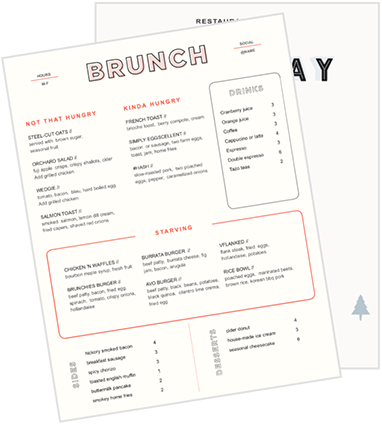
餐厅菜单模板
将这些菜单模板用作您菜单设计的起点,或借助这些模板为您的菜单增添新意。

What’s usually included in a continental breakfast?
At its core, a continental breakfast is all about keeping things light and simple. You won’t find sizzling bacon or stacks of pancakes here — instead, the spread leans toward items that are easy to prepare, easy to serve, and easy to enjoy on the go.
The goal is variety without excess — enough to fuel your morning without weighing you down. Here are the staples you’ll almost always see:
Breads and pastries: Croissants, muffins, bagels, toast, or rolls, usually served with butter, jam, or honey.
Hot beverages: A strong cup of coffee or a pot of tea is the star of the show, sometimes with hot chocolate as a bonus.
Juices: Orange juice is the classic, but apple, grapefruit, or other seasonal juices often make an appearance.
Fruit: Fresh options like apples, bananas, or melon slices, plus dried fruits such as raisins or apricots.
Cereals and yogurt: Lighter choices that add variety and a bit of protein.
Cheese or cold cuts: A nod to the European roots of the continental breakfast, adding just enough savory balance.
Modern twists on continental breakfast
While the traditional continental breakfast keeps things simple, many places today add creative touches to appeal to modern tastes. These updates give guests more variety and help businesses stand out. Some common twists include:
Protein boosts: Hard-boiled eggs, nut butters, or even small charcuterie boards for guests who want something more filling.
Health-focused options: Granola, overnight oats, plant-based milks, and smoothie stations to cater to wellness-minded eaters.
Upscale touches: Artisan pastries, fresh-pressed juices, or barista-style coffee elevate the experience into something more luxurious.
Local specialties: From French baguettes and spreads to Mediterranean olives and cheeses, many hotels highlight regional flavors to make their breakfasts memorable.
Continental breakfast vs. other types of breakfast
A continental breakfast isn’t the only option you’ll see at hotels and restaurants. Here’s how it stacks up against two of the most common alternatives.
American breakfast: Unlike the light, cold items in a continental spread, an American breakfast almost always features hot, cooked dishes. Think eggs, bacon, sausage, pancakes, or waffles. It’s heavier, more filling, and designed to keep you going through the morning.
English or Irish breakfast: A full English or Irish breakfast goes even further, with fried eggs, sausage, bacon, baked beans, grilled tomatoes, and toast. Compared to the quick, self-serve nature of a continental breakfast, it’s a sit-down meal that’s rich, savory, and hearty.
In short, a continental breakfast is about speed and simplicity, while American and English/Irish breakfasts lean toward cooked, hearty plates that take more time and effort to prepare.
How did continental breakfasts start?
The idea of the continental breakfast dates back to 19th-century Europe, when hotels needed a lighter, cheaper alternative to the hearty cooked breakfasts common in places like Britain. Travelers from continental Europe (hence the name) were used to starting their mornings with bread, pastries, and coffee rather than eggs, bacon, or sausage.
As tourism and business travel expanded, hotels across Europe and eventually the United States adopted the continental breakfast as a cost-effective, easy-to-serve option that still felt refined. It required less kitchen staff, less equipment, and less time to prepare than a full hot breakfast — but it still offered variety and a sense of hospitality.
Today, the continental breakfast is a global standard in hotels, cafes, and restaurants, continuing its original purpose: a light, flexible meal that appeals to a wide range of guests.
Travel light, eat continental
The continental breakfast may be simple, but that’s exactly what makes it timeless. From fresh pastries and coffee to modern touches like granola or local specialties, it strikes the perfect balance between variety and convenience.
And with breakfast prices on the rise, the continental style is light, flexible, and easy to enjoy whether you’re traveling, working, or just easing into the day. However, as Michelle Welsch notes in Tasting Table:
“Though dinner is often regarded as a chance to explore local fare, breakfasts offer a particularly unique window into a place. The way in which workers grab and go or sit and savor can offer insight into the lifestyle and culture of a community, and unique dishes like breakfast soup might be a departure from your normal breakfast spread.”
So while continental breakfasts deliver consistency and comfort, don’t forget to step beyond the lobby and taste how the locals start their day.
Frequently asked questions
Is continental breakfast free at hotels?
Not always. Some hotels include continental breakfast in the room rate, while others charge an additional fee. It’s best to check the hotel’s policy before booking.
What’s the difference between continental and complimentary breakfast?
“Continental” refers to the style of food served (light, European-inspired items like pastries, fruit, and coffee). “Complimentary” means it’s free of charge for guests. A complimentary breakfast could be continental, American, or even a buffet — it just depends on what the hotel offers.
Can I take food from a continental breakfast to my room?
Policies vary. Some hotels encourage guests to enjoy breakfast in the dining area, while others allow take-away plates or trays. Always check with the hotel staff to be sure.
What time is continental breakfast usually served?
Most hotels serve continental breakfast in the early morning, typically from 6 or 7 AM until 9 or 10 AM. Exact times depend on the property and guest needs.
Are there vegetarian options in continental breakfasts?
Yes. Since continental breakfasts emphasize breads, pastries, fruit, cereals, yogurt, and beverages, they’re naturally vegetarian-friendly. Protein add-ons like eggs or cold cuts may not be vegetarian, but there are usually plenty of plant-based choices.
Why is it called “continental” breakfast?
The term comes from continental Europe, where lighter morning meals (bread, pastries, and coffee) were the norm — in contrast to the heavier cooked breakfasts of Britain and America.
Do continental breakfasts include hot food?
Traditionally, no — the focus is on cold or room-temperature items. However, some modern continental breakfasts add simple hot foods like oatmeal or waffles to give guests more variety.


这篇文章有帮助吗?
免责声明:此信息仅作为一般性参考,发布并不构成认可。Toast 不保证本内容中包含的任何信息、文本、图形、链接或其他项目的准确性或完整性。Toast 不保证如果您遵循本文的任何建议,就能取得任何特定结果。您可能需要咨询专业人士,如律师、会计师或商业顾问,以获取针对您情况的具体建议。
 趋势
趋势
