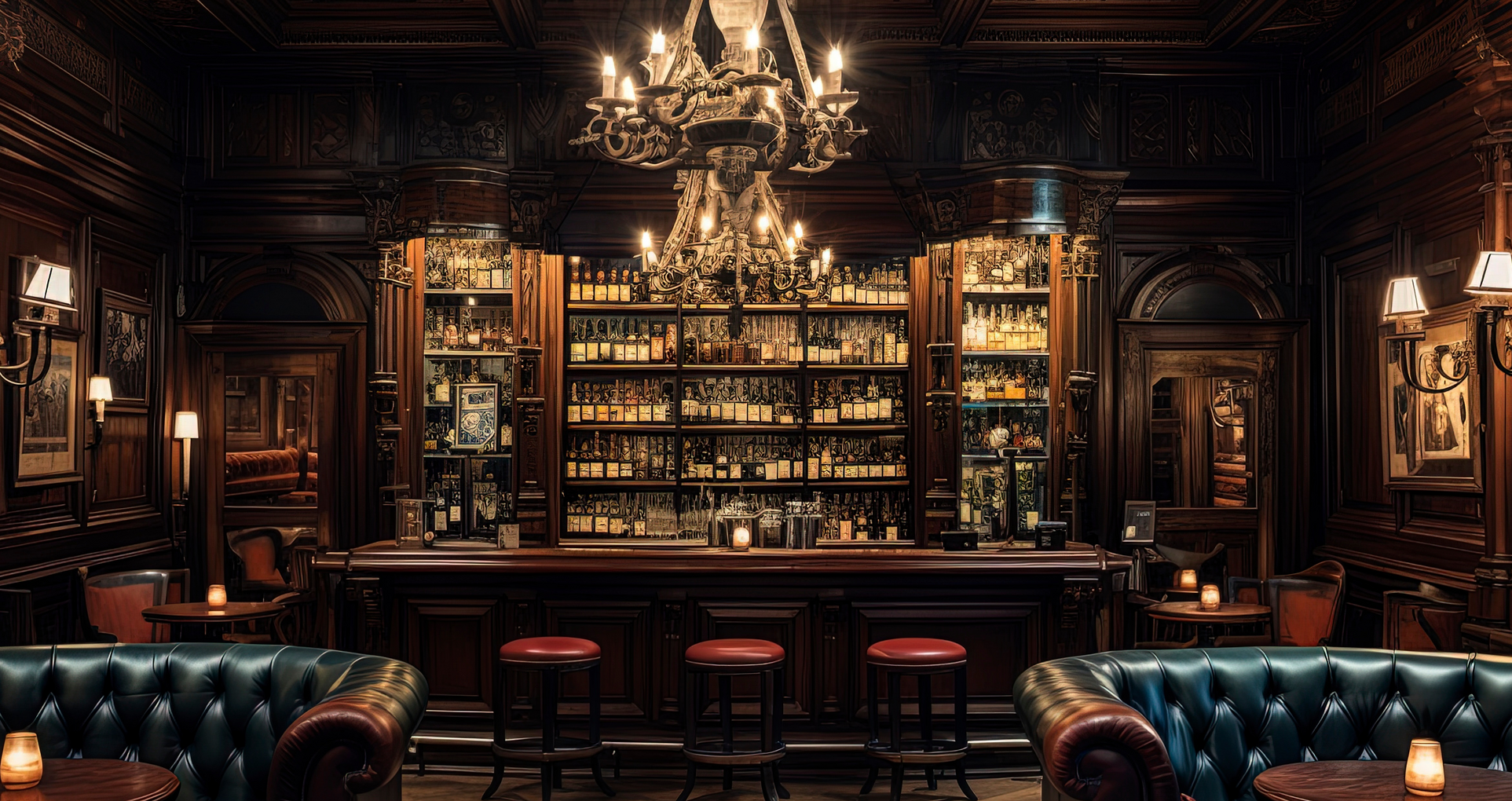
What Is a Supper Club? Everything You Need to Know
A supper club is a community-focused dining experience. Learn about their history, different types, and iconic examples both past and present.
作者
 RESOURCE
 Restaurant Event Planning Checklist
Download our easy-to-use checklist to help you stay organized, on-track, and calm through every step of the restaurant event planning process. From early prep weeks out to the day-of, this checklist is built to make your events shine.
免费下载When it comes to different types of restaurants, few offer the unique charm and community focus of a supper club. More than just a place to eat, a supper club blends hearty meals, friendly hospitality, and a relaxed, lingering atmosphere into an experience that feels like coming home. As Kate Nelson, editor-in-chief of Artful Living, notes:
"The Midwest supper club is sweeping the nation. Why? Because we're all craving a sense of familiarity, a feeling of belonging — and these eateries dish that up in ample servings."
Today, supper clubs range from traditional, family-run establishments in rural towns to modern pop-ups and underground dining experiences in big cities. Keep reading to learn what exactly a supper club is, how the tradition has evolved over the last century, and some standout examples from past and present.
Key takeaways
Supper clubs offer more than just a meal—they create a full evening experience centered around food, community, and conversation.
Traditional supper clubs feature hearty American classics, a relaxed cocktail hour, and a nostalgic, homey atmosphere.
Modern supper clubs range from secret pop-ups to chef-driven events, but all stay rooted in fostering connection and creativity.
Supper clubs differ from traditional restaurants by encouraging guests to linger, socialize, and enjoy a leisurely, multi-course meal.
From historic venues like the Rainbow Room to today's intimate gatherings like Vegetarian Brown Girls, supper clubs continue to evolve while celebrating tradition.
What is a supper club?
A supper club is more than just a restaurant—it’s a complete dining experience built around food, community, and tradition. While every supper club has its own personality, several core elements define the experience:
Fixed or limited menu: Supper clubs typically offer a simple, classic menu featuring American favorites like prime rib, steaks, fried chicken, and fresh fish. A Friday night fish fry is especially common in traditional Wisconsin supper clubs.
Signature cocktail culture: A brandy old fashioned is the unofficial drink of many supper clubs, kicking off the evening with a nostalgic nod to mid-century American dining.
Casual atmosphere, quality focus: Supper clubs aim to provide an upscale yet approachable experience, offering hearty meals, fair prices, and a welcoming space where guests are encouraged to linger rather than rush.
The relish tray tradition: Many supper clubs start meals with a complimentary relish tray—featuring items like carrots, celery, radishes, olives, pickled peppers, and a cheddar cheese spread with crackers.
Dessert as a social ritual: Instead of signaling the end of the night, dessert often invites guests back to the bar for an ice cream drink like a Grasshopper or Brandy Alexander, continuing the relaxed, social atmosphere well after the meal.
Supper club vs. traditional restaurant
While supper clubs and traditional restaurants both center around dining, the experience they offer is distinctly different. Here’s how they compare:
Experience over efficiency: Traditional restaurants often focus on serving as many guests as possible throughout the night. Supper clubs are built for lingering, encouraging guests to stay for the entire evening, from cocktails to dessert.
Pre-dinner relaxation: A hallmark of the supper club experience is a pre-dinner cocktail hour, where guests gather in a separate bar area before being seated. This creates a relaxed, social atmosphere before the meal even begins.
Menu and pace: While traditional restaurants usually offer broad, à la carte menus, supper clubs typically focus on a limited, multi-course menu of hearty American classics.
Personalized service: Supper clubs offer a more personal touch, with chefs or owners often interacting directly with guests to explain the menu, share inspiration, or simply create a welcoming environment.
Atmosphere and community: Supper clubs prioritize a cozy, nostalgic setting—often featuring vintage decor, live music, and a tight-knit, local vibe. Traditional restaurant concepts vary widely in style, but they typically don't aim for the same homegrown feel.
Traditional supper clubs vs. modern supper clubs
Today’s supper clubs take many forms, but they all trace their roots back to a shared tradition of food, community, and connection.
Traditional supper clubs
Traditional supper clubs first emerged in the United States during the 1920s and 1930s, tied to the rise of speakeasies and roadhouses during Prohibition. After Prohibition ended, these establishments transitioned into legitimate businesses, particularly thriving in rural towns across the Midwest, especially in Wisconsin.
By the mid-20th century, supper clubs had developed a distinct identity: cozy, family-owned venues serving hearty American classics, offering a pre-dinner cocktail hour, and encouraging guests to stay for live music and socializing long after the meal ended.
Modern supper clubs
In the 2010s, a modern interpretation of the supper club began to take hold, often referring to underground restaurants or pop-up dining experiences. Sometimes called guerrilla diners, home bistros, or secret restaurants, these gatherings are typically hosted by passionate home cooks rather than professional chefs.
Modern supper clubs can take place anywhere—from private homes to rented event spaces—and focus on fostering community, creativity, and connection. Many grew in popularity after the pandemic as people sought out more intimate, personal dining experiences.
For hosts like Helsinki-based home cook Emma Rane, the goal was simple: to turn "a curiosity to meet new people in my city" into real-world friendships through food and shared conversation.
餐厅营销计划
使用这份可定制的营销手册模板和互动日历,制作一份能促顾客户反复光顾的营销计划。

Types of supper clubs
While the classic Midwest-style supper club remains iconic, today's supper clubs come in a wide range of styles, each putting its own spin on the tradition. Here are some of the most common types you'll find:
Traditional Midwest supper clubs: These are the original style—family-owned, cozy, and focused on hearty American meals like steaks, seafood, and Friday night fish fries. A brandy old fashioned and a relish tray are almost guaranteed.
Modern pop-up supper clubs: In urban areas, chefs often host pop-up supper clubs in unconventional spaces like lofts, farms, or art galleries. These events typically feature creative, seasonal tasting menus and an emphasis on exclusivity and experience.
Private membership supper clubs: Some supper clubs today operate more like private social clubs, where members pay dues or require invitations. These spaces often blend fine dining with curated events, offering a highly personalized and exclusive atmosphere.
Chef-driven supper clubs: In this style, the focus is on the chef’s creative vision. Guests may enjoy a multi-course menu designed around a particular theme, ingredient, or culinary style, often with the chef personally introducing each course.
Destination supper clubs: Especially popular in rural areas, some supper clubs double as destination experiences. Guests travel specifically for the evening, enjoying scenic drives before settling in for a full night of cocktails, dining, and live entertainment.
Examples of supper clubs
Supper clubs have evolved over the decades, from glamorous nightspots to intimate pop-up experiences. Here are a few standout examples—both historic and modern—that showcase the variety and spirit of the supper club tradition.
Examples of historic supper clubs
Many of the earliest supper clubs blended fine dining with live entertainment, creating glamorous destinations that drew in celebrities and high society.
The 500 Club (Atlantic City, NJ): One of the most famous East Coast nightspots from the 1930s until the 1970s, the 500 Club regularly hosted legendary performers like Frank Sinatra, Sammy Davis Jr., Eartha Kitt, and Nat King Cole before closing after a fire in 1973.
The Rainbow Room (New York City, NY): Sitting atop the 65th floor of 30 Rockefeller Plaza, the Rainbow Room offered a formal supper club experience with breathtaking views. Throughout the 1930s and 1940s, it was a favorite of Hollywood royalty and New York high society, alongside iconic venues like the Copacabana and El Morocco.
Gus Stevens Seafood Restaurant & Buccaneer Lounge (Biloxi, MS): Known for its distinctive Moroccan-style architecture, Gus Stevens became a major entertainment destination in the 1950s and 1960s, hosting stars like Andy Griffith and Jerry Lee Lewis.
Examples of modern supper clubs
Today’s supper clubs reimagine the tradition in new ways—from cozy, chef-driven venues to intimate pop-up dinners that focus on creativity and connection.
Falls Landing at Artisan Plaza (Cannon Falls, MN): Opened by chef J.D. Fratzke, Falls Landing reimagines the classic supper club through the lens of early 20th-century North Country fish camps and hunting lodges.
Tortoise Supper Club (Chicago, IL): Located in downtown Chicago, Tortoise Supper Club offers a swanky atmosphere with live jazz on Fridays and Saturdays. The menu features classic American dishes like prime rib, steaks, and fresh seafood, all made from scratch. The venue is adorned with Chicago history, including mahogany from the original Pump Room and books from the Newberry Library.
Vegetarian Brown Girls (London, UK): Founded by mother-daughter duo Priya Bowry and Sudha Thanki, Vegetarian Brown Girls is an intimate vegan Gujarati supper club in North London. With just six seats per event, their monthly gatherings offer home-cooked dishes inspired by family recipes and East African influences from Sudha’s childhood in Uganda. Bowry explains:
“For us, it’s about creating an experience where you feel part of our story, where every dish feels like you can start a conversation, while every bite brings you closer to home… It’s where tradition meets cool, where food connects us all, and where the vibes are always just right.”
Supper clubs are where great food and great friends meet
Whether you're savoring a prime rib dinner in the Midwest or sharing a home-cooked meal at a pop-up in London, supper clubs offer more than just great food—they offer connection. Today's supper clubs continue to evolve with the restaurant industry, but they always stay true to their roots: bringing people together through warm hospitality and memorable meals!



这篇文章有帮助吗?
免责声明:此信息仅作为一般性参考,发布并不构成认可。Toast 不保证本内容中包含的任何信息、文本、图形、链接或其他项目的准确性或完整性。Toast 不保证如果您遵循本文的任何建议,就能取得任何特定结果。您可能需要咨询专业人士,如律师、会计师或商业顾问,以获取针对您情况的具体建议。
 趋势
趋势
