What Does MP Mean on a Menu? Understanding Market Price in 2025
What does MP mean on a menu? Learn how market price works, why it matters, and when it’s used in restaurants.
作者
 资源
资源 When dining out, you’ve likely encountered menu items marked “MP” instead of a specific dollar amount. This abbreviated notation stands for market price, a flexible pricing strategy that restaurants use to manage fluctuating ingredient costs while maintaining profitability. As of March 2025, menu prices at full-service restaurants are up 4.1% year-over-year, reflecting the broader economic pressures that make dynamic pricing models like MP more necessary than ever.
What market price means for restaurants
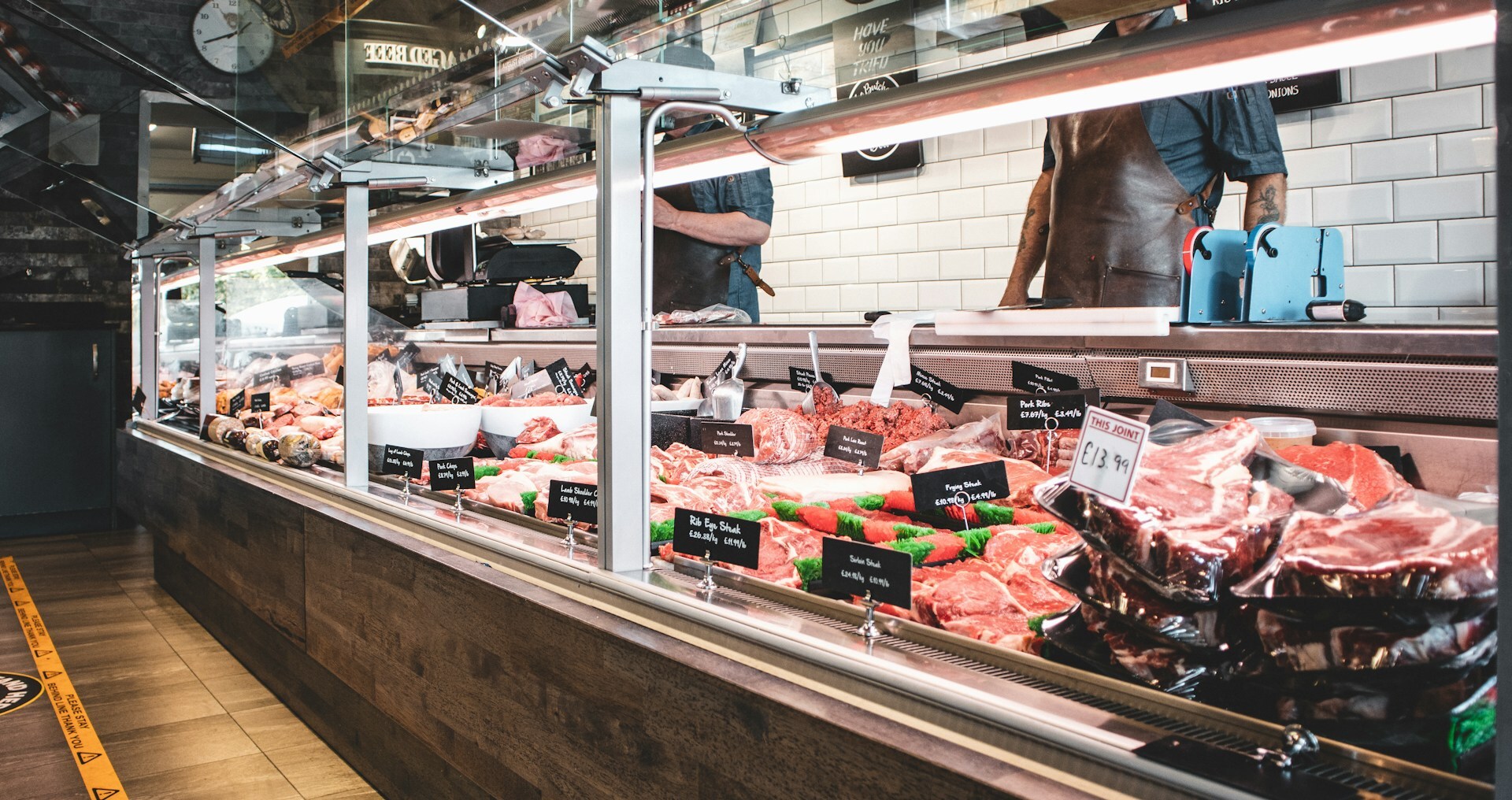
Market price is a fluctuating price for a dish that changes according to the cost of its main ingredients. A dish marked "MP" on the menu could cost $21 one day and $31 the next — it's up to the diner to ask. Rather than signaling an expensive meal, MP reflects real-time ingredient costs that restaurants pass along to customers.
But MP is more than just a mysterious menu abbreviation — it's a strategic tool. When ingredient costs fluctuate dramatically, restaurants face the choice of either absorbing losses when prices spike or overcharging customers when costs drop. Market pricing eliminates this dilemma by allowing real-time price adjustments.
Common items priced at market value
Market price is most commonly used for ingredients that are seasonal, unpredictable, or imported. These include:
Fresh seafood: Lobster rolls in New England, oysters by the piece, and wild-caught Alaskan salmon often fluctuate in price due to catch volume, weather, and transport costs.
Seasonal produce: Items like wild ramps, heirloom tomatoes, and chanterelle mushrooms have short harvest windows and unpredictable supply.
Special cuts of meat: Premium proteins such as Japanese A5 Wagyu or dry-aged steaks can vary in cost based on sourcing, aging, and limited availability.
Imported or limited-availability goods: Truffles, artisanal cheeses, and other imported ingredients are influenced by tariffs, shipping delays, and global market demand.
Seafood, in particular, highlights why market pricing exists. “Wild-caught fisheries are subject to the whims of Mother Nature, and that’s a big part of what goes into that market price,” says Curt Brown, a lobsterman and marine biologist at Ready Seafood, which sends lobster from coastal Maine around the world.
Weather conditions, daily catch yields, and fuel costs can shift seafood prices from one day to the next. For example, during peak Alaskan salmon season, it’s more available and affordable. Off-season, supply drops, and prices can spike. This kind of seasonal fluctuation is exactly what market price is designed to accommodate.
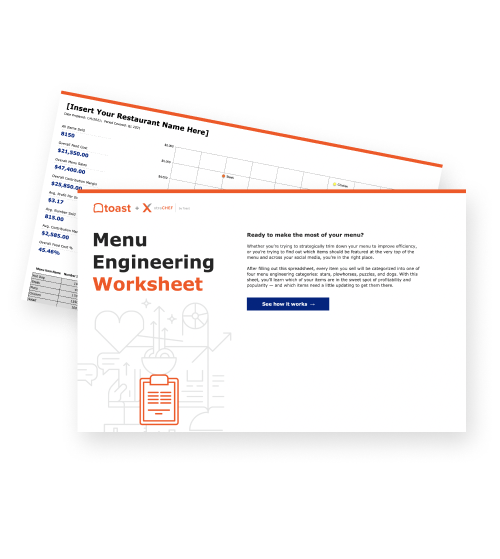
菜单工程工作表
这份菜单工程工作表包含复杂精细的菜单工程公式,您可借此分析餐厅菜单的优势与不足。

How restaurants calculate market price
Calculating market price starts with understanding your baseline costs — primarily, how much the raw ingredients for a dish currently cost. From there, restaurants add a markup to cover:
Labor: The time and skill required to prepare and serve the dish.
Overhead: Fixed expenses like rent, utilities, and equipment maintenance.
Operational costs: Other variable expenses, such as packaging or delivery supplies.
Today’s restaurant technology allows for smarter, more dynamic pricing. Tools like cost control software and modern point-of-sale (POS) systems can:
Track inventory and ingredient costs in real time: See price fluctuations as they happen, rather than relying on outdated data.
Automate market price calculations: Save time and reduce human error by letting the system update prices for you.
Help operators optimize prices quickly and accurately: Adjust prices with confidence based on current cost trends and profit goals.
These technologies make market pricing more responsive and data-driven, improving both accuracy and transparency for operators.
Customer perceptions and psychology
"I get asked about market price all the time," says Steven Wong, owner of Aqua Best seafood distributor in New York."It takes me a while to explain to customers what it really means."
Many diners assume that MP means expensive, or that it gives restaurants a blank check to name any price. But that’s not necessarily true.
Research shows that menu psychology significantly influences customer behavior. Many restaurant customers — including 64% of full-service customers and 47% of limited-service customers — say their dining experience is more important than the price of the meal. This suggests that quality-focused diners may be more receptive to market pricing when they understand the value proposition.
However, restaurants must balance market pricing strategically. If too many items are listed as market price, you may risk alienating customers who don't want their total bill to be a shock. A dish listed as MP might not look out of place on a fine-dining menu, but it could at a fast-casual restaurant.
Economic factors driving market prices
The restaurant industry has seen significant economic pressures affecting ingredient costs.Global seafood consumption has risen significantly in recent years. In the U.S. alone, consumers spend $102 billion on seafood annually. But as demand increases, so too have the costs of bait, fuel, and labor.
COVID-19 created lasting changes in supply chains and market dynamics."During COVID, our traditional markets, for the most part, disappeared overnight," says Brown. Cruise lines and restaurant chains like Red Lobster, which had accounted for the vast majority of his business, shut down. These disruptions continue to influence market pricing strategies across the industry.
Best practices for restaurants using market pricing
Train staff to communicate market price clearly
Successful market pricing hinges on two things — transparency and communication.
Curt Brown, Michael Billings, chief procurement officer for ButcherBox, and Steven Wong all agree — diners would have a deeper appreciation for MP items if they understood what goes into the price.
Restaurants should:
Train staff to clearly explain what “market price” means
Ensure servers can provide current prices when guests ask
Align market pricing with your brand and guests
Market pricing also depends on your restaurant’s concept and customer base.
Ask yourself:
How does a market-priced item fit with the rest of your menu?
Will your guests see the value or feel unsure?
Establishments should align MP usage with their brand positioning and guest expectations to make it feel natural, not jarring.
Technology solutions for market pricing
Restaurants don’t have to rely on guesswork when managing MP items — technology can do the heavy lifting.
The Toast Menu Price Monitor, available through Data by Toast, offers tools to:
Track pricing trends across the industry
Access data reports, including the Restaurant Trends Report
Use insights from surveys, holidays, and seasonal events
These features help restaurants make informed, timely decisions about when and how to adjust market prices.
Final thoughts
Market price is a practical solution for restaurants navigating fluctuating ingredient costs, especially for seafood, seasonal produce, and specialty items. While some diners may see MP as expensive or vague, it actually reflects real-time market conditions and helps restaurants continue offering fresh, high-quality ingredients without sacrificing profitability.
Understanding market pricing empowers both restaurant operators and diners. For restaurants, it offers flexibility and cost control. For guests, asking about MP items isn’t just acceptable — it’s encouraged. It shows curiosity, engagement, and an appreciation for ingredients that are truly in season.
FAQ
Is it rude to ask about market price items?
It is socially acceptable to ask what the market price is for a menu item at a restaurant. Restaurants expect customers to inquire about MP items, and staff should be prepared to provide current pricing.
Does market price always mean expensive?
No. Many consumers are under the impression that market price means the dish is expensive. But in reality, market price depends on the current market value of the key ingredients.
Why don’t restaurants just list a price?
Because ingredient costs — especially for items like seafood or seasonal produce — can fluctuate daily. Listing a fixed price could mean undercharging or overcharging. Market pricing allows restaurants to stay flexible and fair.
Can I ask for the market price before I decide to order?
Absolutely. Restaurants expect questions about MP items, and it’s perfectly normal to ask for the current price before making your decision. Transparency is part of the dining experience, especially with fluctuating costs.
这篇文章有帮助吗?
免责声明:此信息仅作为一般性参考,发布并不构成认可。Toast 不保证本内容中包含的任何信息、文本、图形、链接或其他项目的准确性或完整性。Toast 不保证如果您遵循本文的任何建议,就能取得任何特定结果。您可能需要咨询专业人士,如律师、会计师或商业顾问,以获取针对您情况的具体建议。
 趋势
趋势