What are Small Plates? Tapas, Dim Sum, Meze, Banchan, and More
Many cultures have different types of small plates. We'll give an intro to each of them below, and then get into the profitability of small plates.

作者
What are Small Plates?
In a restaurant, small plates are exactly what they sound like: small portions of menu items, usually meant to be ordered many at a time or on a rolling basis throughout a meal. Small plates are often shared among guests, so everyone gets to try a little of each item.
Many cultures have different types of small plates. We'll give an intro to each of them below, and then get into the profitability of small plates.
What kinds of small plates restaurants are there?
Tapas
Tapas come from Andalucia, in southern Spain, and traditionally, they're free with a purchase of a beer or glass of wine at a bar. The salty snack-size portions were seen to increase drink sales, which is how they came to be such a popular part of Spanish bars and taverns. Some of the most common tapas are platters of cured meats, cheeses, croquettes, simple sandwiches, plates of olives, potatoes, or tinned fish.
In North America, though, tapas are rarely free, and accordingly, the portions are often bigger than their Spanish counterparts. Guests are encouraged to order many dishes to share, anywhere from six to more than a dozen, making their tapas into a full meal.
Dim Sum
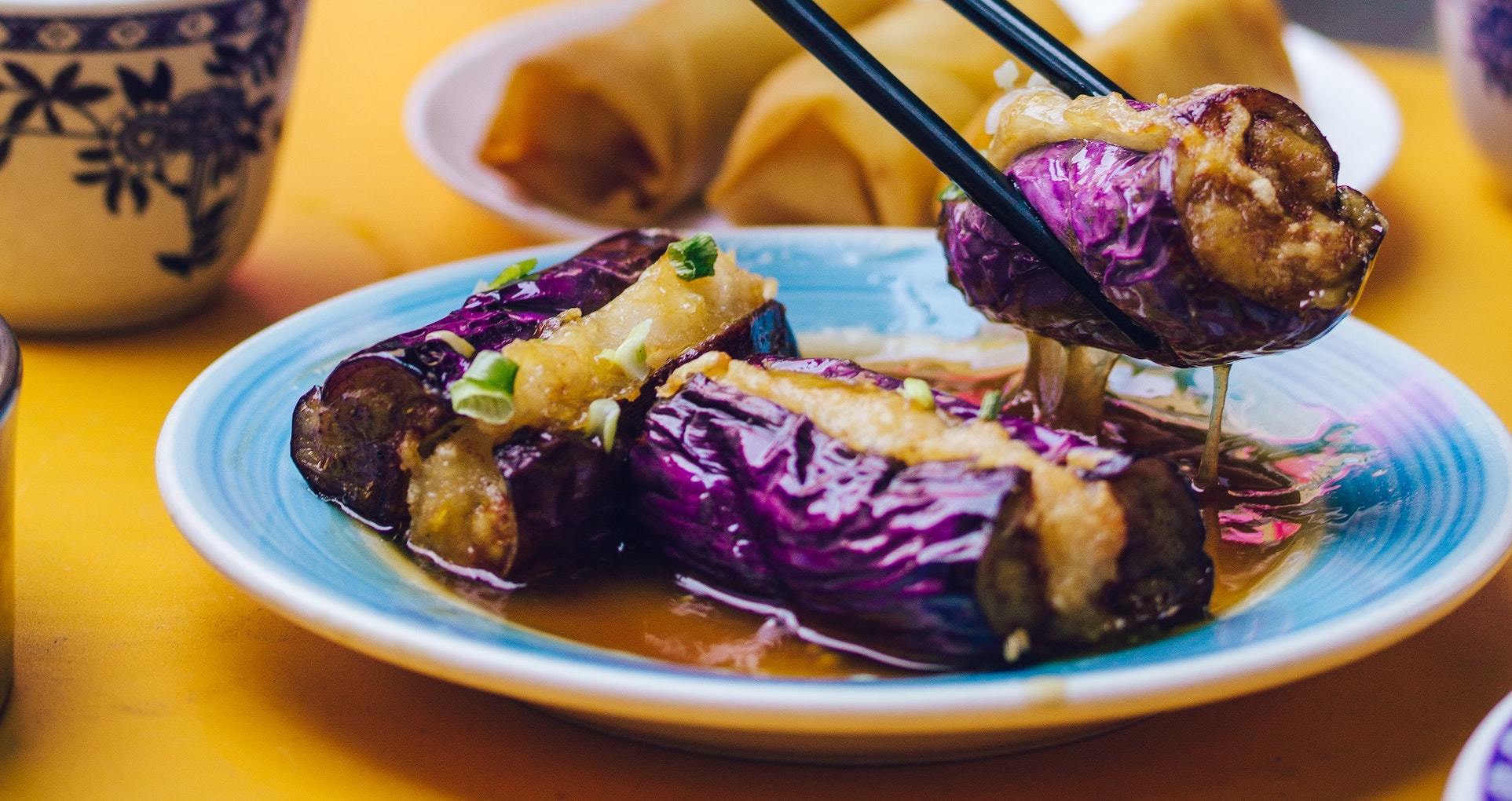
Dim Sum originated in teahouses in Guangzhou, China, and it's a cuisine that has won the hearts of diners all over the world. Some dishes are served in bamboo steamer baskets, while others come on plates.
In traditional dim sum restaurants, servers circle the dining room with carts of fresh dim sum, and guests see what's on each cart and take items as they please. Servers then mark off their selections on a paper menu to be tallied up at the end of the meal. Some dim sum restaurants operate with a menu where guests simply order a la carte.
Some of the most well-known dim sum dishes include shrimp dumplings, barbecue pork buns, short ribs, steamed rice rolls, rice in lotus leaf, curry squid, and fried sesame balls.
Meze (also known as Mezze or Mazza)
Meze are Mediterranean, Middle Eastern, and North African small plates, found in Turkey, Greece, Jordan, Lebanon, Cyprus, Bulgaria, Armenia, Syria, Serbia, Montenegro, Bosnia, and Croatia, among others.
The dishes vary significantly by region, but common threads include cheeses and other dairy products like labneh, pickled vegetables, seafood and fish, and cured meats.
In some areas like Greece, they're served as drink accompaniments similar to tapas, whereas in other areas they make up larger meals.
Banchan
Banchan are Korean small plates that can function as free side dishes or appetizers in some Korean restaurants, but in many situations, they're the star of the show: According to Korean food icon Maangchi, "[Banchan] are not just decoration or appetizers: they are the meal, along with soup and rice."
Some of the most well-known banchan include kimchi, seafood pancakes, stir-fried potatoes, pickled radishes, corn cheese, and spicy dried squid.
Why Guests Love Small Plates
Small plates give guests the opportunity to try lots of different dishes, without having to worry about not loving a dish that's entree-sized (and priced).
Small plates service tends to be quite social and collaborative, making it a great choice for large groups or smaller parties who want to try many dishes.
Since small plates are often made to accompany alcoholic beverages, dinner at a small plates restaurants is a great choice for a night out.
Why Restaurant Operators Love Small Plates
Small plates menus can be very profitable, since the portions of the food provided are small, and guests are encouraged to order a wide variety of dishes.
This means that if they order one expensive platter, like iberian ham or shrimp dumplings, chances are they'll also order a potatoes dish or a rice dish, which will balance out the expensive item and drive their meal's profit margin up. Train your staff to help guests build a full, balanced meal out of your offerings that will dazzle them and keep your cost of goods sold in check.
Related Resources
这篇文章有帮助吗?
免责声明:此信息仅作为一般性参考,发布并不构成认可。Toast 不保证本内容中包含的任何信息、文本、图形、链接或其他项目的准确性或完整性。Toast 不保证如果您遵循本文的任何建议,就能取得任何特定结果。您可能需要咨询专业人士,如律师、会计师或商业顾问,以获取针对您情况的具体建议。
