Sashimi vs Nigiri: The Complete Guide to Japanese Cuisine Essentials
Complete guide to sashimi vs nigiri differences. Learn about preparation, pricing, nutrition, and proper eating techniques for these popular Japanese dishes in 2026.

作者
 资源
资源 When dining at a Japanese restaurant, understanding the difference between sashimi and nigiri enhances your culinary experience and helps you make informed choices. In the United States, average per capita seafood consumption reached a record 20.5 pounds in 2021, showing how much Americans are embracing seafood in their diets. On a global scale, the sushi market — including nigiri and sashimi — was valued at $5.85 billion in 2024 and is projected to nearly double by 2033, reflecting soaring demand for authentic Japanese cuisine. While both sashimi and nigiri feature raw fish, they represent distinct culinary traditions with unique preparation methods, presentations, and flavors that define Japanese dining.
Key takeaways
Sashimi in Japanese cuisine is raw fish or seafood served without rice, offering the purest taste of fresh seafood.
Nigiri sushi combines hand-pressed vinegared rice with raw or cooked fish for a balanced one-bite experience.
Sashimi is lower in calories and carbs, while nigiri provides a more filling, well-rounded nutritional profile.
Sashimi tends to cost more for premium cuts of fish, while nigiri sushi delivers more variety and value.
餐厅菜单模板
将这些菜单模板用作您菜单设计的起点,或借助这些模板为您的菜单增添新意。

What is sashimi
Sashimi translates to "pierced body" in Japanese, referring to the traditional technique of slicing fresh fish immediately after being caught. This dish consists of thinly cut raw fish, shellfish, or occasionally meat served without rice, allowing the natural flavors and textures of the protein to shine.
Sashimi has ancient origins, dating back to when Japanese fishermen would carve their freshest catch and serve it immediately. The practice evolved over centuries into the refined art form seen today, where sashimi-grade seafood is caught using individual hand lines and iced immediately to maintain peak freshness.
The preparation requires exceptional skill, as different types of fish are cut in various thicknesses. Consistency is key. Premium sashimi showcases the chef's knife skills and understanding of each fish's unique characteristics.
What is nigiri
Nigiri, which means "two fingers" in Japanese, gets its name from the rice portion that must fit precisely on the chef's two fingers when pressing. This hand-pressed sushi consists of an oval-shaped mound of vinegared rice topped with a thin slice of raw fish.
Nigiri originated in 1824 by Hanaya Yohei from Ryogoku, Japan, who opened the first sushi stall on the banks of the Sumida River. The dish emerged during Japan's Edo Period as a convenient food that busy citizens could purchase from street stalls.
Chefs prepare nigiri with carefully seasoned sushi rice, gently pressed to hold its shape, then finished with a topping of fish or seafood. A touch of wasabi is often placed between the rice and fish to add flavor and help secure the piece.
Key differences between sashimi and nigiri
Rice presence
The fundamental difference lies in rice. Since nigiri is served with vinegared rice, it is considered a type of sushi, while sashimi is a standalone dish that focuses purely on the fish quality.
The role of rice makes the biggest distinction:
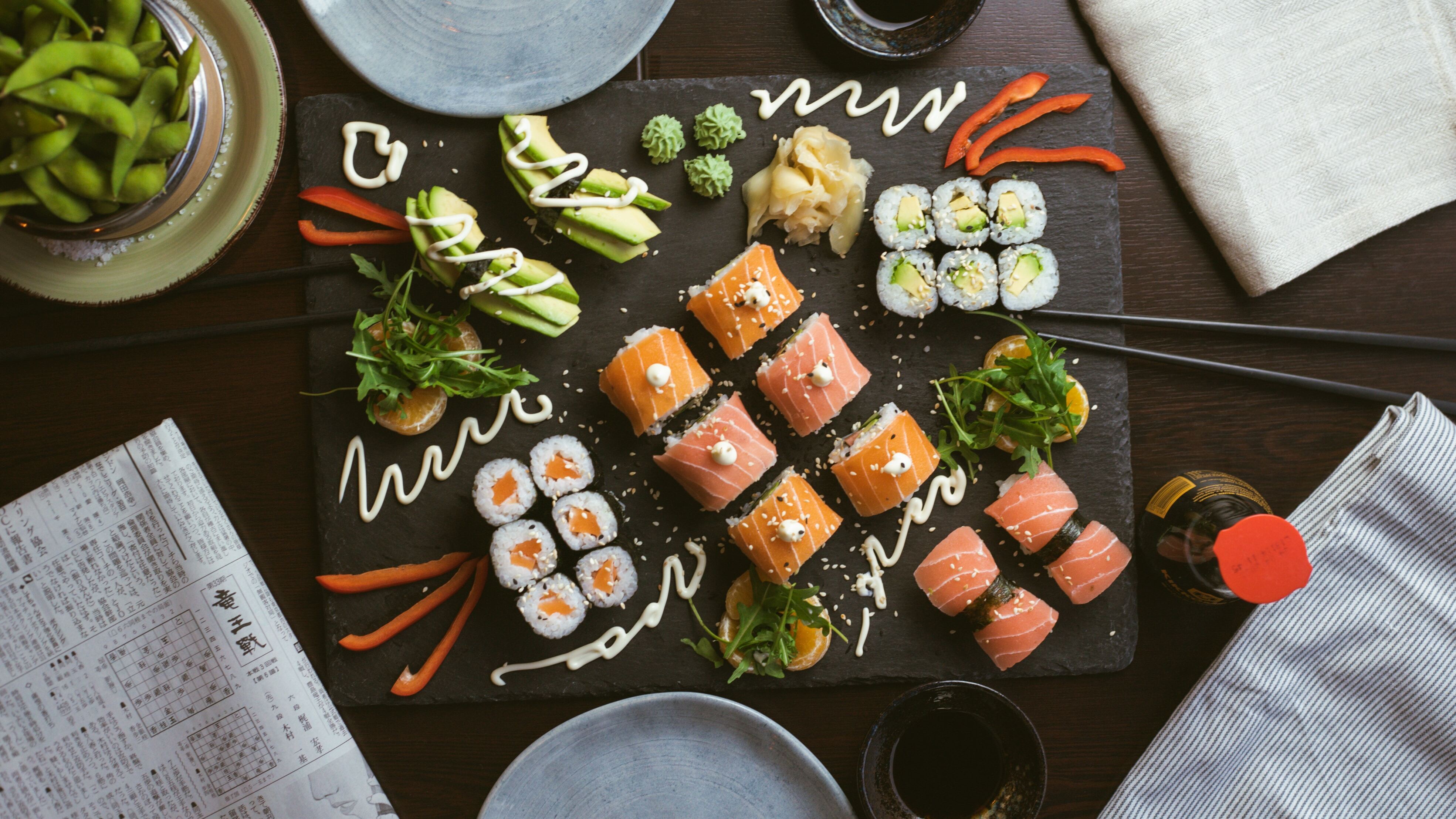
Nigiri: Served with vinegared rice, which makes it a type of sushi.
Sashimi: Purely raw fish or seafood without rice, focusing on the ingredient’s natural flavor.
Think of sashimi as highlighting the fish itself, while nigiri balances fish with the subtle tang of seasoned rice.
Portion and presentation
How each dish is plated and served creates a different dining experience:
Nigiri: One bite-sized piece with fish pressed over rice, often presented simply without extras.
Sashimi: Several slices of fish arranged with garnishes like shiso leaves, daikon radish, or cucumber for visual appeal.
If sashimi is the gallery showing off the fish, nigiri is the perfect “one-bite masterpiece.”
Ingredients flexibility
The variety of toppings and proteins also sets them apart:
Nigiri: Can feature raw fish or cooked items like eel (unagi), egg omelet (tamago-yaki), or vegetables.
Sashimi: Always raw, whether fish, seafood, or occasionally meats like wagyu beef.
Nigiri is a good choice for people easing into raw fish dining.
Eating method
Traditional etiquette differs slightly between the two:
Nigiri: Can be eaten with hands or chopsticks in one bite. When dipping in soy sauce, touch only the fish side to keep the rice intact.
Sashimi: Always eaten with chopsticks and dipped lightly in soy sauce or paired with wasabi and pickled ginger between bites.
At upscale sushi bars, chefs may brush soy sauce directly onto nigiri so you don’t need to dip at all.
Popular varieties
Common sashimi types
Sashimi showcases the natural flavors and textures of the seafood itself:
Salmon (sake): Buttery and mild with a smooth texture.
Fatty tuna belly (otoro): Rich, marbled, and prized for its melt-in-your-mouth feel.
Albacore (shiro maguro): Lighter, with a clean and slightly tangy flavor.
Octopus (tako): Chewy and mildly sweet.
Yellowtail (hamachi): Firm yet silky with a subtle sweetness.
Sea urchin (uni): Creamy, briny, and ocean-forward.
Wagyu beef: Occasionally served raw, offering a delicate marbled texture.
Each sashimi type highlights the ingredient’s unique taste without distraction from rice or seasoning. If you’re new to sashimi, starting with salmon offers a mild, buttery flavor that’s less intimidating than bold options like uni (sea urchin).
Popular nigiri options
Nigiri pairs vinegared rice with a variety of raw and cooked toppings:
Salmon (sake): A classic, often paired with a touch of wasabi.
Tuna (maguro/toro): Ranging from lean cuts to fatty, melt-in-your-mouth toro.
Yellowtail (hamachi): Balanced and slightly sweet, a sushi bar favorite.
Freshwater eel (unagi): Grilled and glazed, offering a smoky, savory option.
Octopus (tako): Firm and chewy, contrasting with soft rice.
Scallop (hotate): Sweet, delicate, and buttery in texture.
Sweet shrimp (ama-ebi): Served raw or lightly seared, with a natural sweetness.
Nigiri gives diners more flexibility, with both raw and cooked options for those easing into sushi.
Nutritional comparison
Sashimi nutrition
Sashimi is the leanest option, offering pure protein without rice or fillers:
Calories: 25 to 40 per ounce
Example: Salmon sashimi = ~41 calories per piece (62% protein, 38% fat)
Nutrients: Rich in omega-3 fatty acids, vitamins, and minerals
Best choice for low-carb or high-protein diets, with maximum nutrition and minimal calories.
Nigiri nutrition
Nigiri combines fish with vinegared rice for a more balanced profile:
Calories: 40 to 65 per piece (≈300 calories for six pieces)
Macros: ~70% carbs, 21% protein, 9% fat
Satiety: More filling due to the carbohydrate content from rice
A better option if you want a satisfying, balanced meal rather than just lean protein.
Pricing considerations
The cost difference comes down to portion size and the use of rice:
Sashimi: More expensive because it consists of thicker cuts and larger portions of premium protein. With no rice filler, you’re paying almost entirely for high-quality fish.
Nigiri: More budget-friendly since vinegared rice helps stretch smaller portions of fish, allowing restaurants to serve high-demand fish at a lower price point.
Premium cuts like otoro (fatty bluefin tuna) are among the most expensive nigiri options, typically costing $14 to $20 per piece at upscale sushi bars, while more common choices like hirame (flounder) often fall in the $7 to $10 range. At a high-end omakase dinner, sashimi platters featuring rare cuts such as otoro or uni can drive up the overall cost, while a nigiri sampler usually offers more variety at a relatively lower per-piece price.
Proper eating techniques
How to eat nigiri
Nigiri is a type of sushi designed to be eaten in a very specific way for the best flavor and texture:
Hands or chopsticks: Nigiri is designed as finger food, so eating with hands is acceptable.
Soy sauce: Dip only the fish side to avoid over-soaking and breaking the rice.
Chef’s touch: At higher-end restaurants, the chef may brush soy sauce directly onto the fish, so no dipping is needed.
One bite: Consume each piece whole to experience the balance of flavors.
How to eat sashimi
Sashimi has its own etiquette, focused on highlighting the natural flavor of the fish:
Chopsticks only: Always eaten with chopsticks, never with hands.
Soy sauce + wasabi: Dip lightly to enhance, not overwhelm, the natural flavor.
Palate cleansers: Use pickled ginger or cucumber between bites to reset your taste buds.
Appreciation: Focus on the unique texture and flavor of each fish variety.
Picture sitting at a sushi bar in Tokyo — the chef hands you nigiri already brushed with soy sauce. In that setting, dipping it again wouldn’t just overwhelm the flavor, it could also be seen as dismissing the chef’s craft. At its core, nigiri etiquette means preserving the delicate balance of rice and fish. By contrast, sashimi etiquette is all about savoring the fish itself.
Choosing between sashimi and nigiri
For calorie-conscious diners
Sashimi is ideal for anyone watching calories or carbs:
Sashimi: Offers maximum protein with minimal calories, typically 25 to 40 per ounce.
Nigiri: Higher in calories because of the rice, averaging 40 to 65 per piece.
For balanced nutrition
Nigiri works better if you want a satisfying, well-rounded meal:
Nigiri: Provides protein and carbs, with added flavor from seasoned rice.
Sashimi: Pure protein and healthy fats, but less filling on its own.
If you’re on a low-carb diet, sashimi aligns perfectly. But if you’re grabbing a quick lunch between meetings, nigiri’s rice makes it a more satisfying option.
For fish appreciation
Sashimi is the purest way to enjoy high-quality fish, while nigiri adds balance:
Sashimi: Lets you focus on the fish’s flavor, texture, and freshness without distraction.
Nigiri: Creates a symphony of flavors by pairing vinegared rice with the fish.
Quality considerations
Both sashimi and nigiri require sashimi-grade fish, handled and stored with strict standards to ensure freshness and safety for raw consumption. Beyond that, the artistry of each dish comes down to different skills.
Sashimi
Sashimi highlights the purity of the fish itself, so presentation is key:
Freshness: Fish must be extremely fresh and carefully stored.
Knife skills: Precise slicing showcases texture and flavor.
Presentation: Often includes garnishes like shiso leaves or daikon for visual balance.
Nigiri
Nigiri depends on the harmony between rice and fish:
Rice preparation: Sushi rice must be perfectly seasoned and at the right temperature.
Balance: The ratio of fish to rice has to be exact for the intended one-bite experience.
Technique: Pressing the rice with two fingers requires skill to keep it light yet firm.
Even Michelin-starred chefs emphasize how crucial the rice is to nigiri’s success. Yoshio Sakuta, chef-owner of the one-MICHELIN-Starred Sushi Sakuta, explains his approach. “The key is to mix quickly so that each grain of rice is coated with vinegar without making it too sticky,” says Sakuta, who serves his shari at different temperatures depending on the type of fish it’s paired with.
This meticulous attention to detail highlights why nigiri is more than just fish on rice — it’s a demonstration of the chef’s skill in achieving perfect balance, bite after bite.
Final thoughts
Sashimi and nigiri may look similar at first glance, but they offer two very different dining experiences. Sashimi celebrates the natural flavor of raw fish in its purest form, while nigiri pairs fresh seafood with vinegared rice for a balanced, one-bite masterpiece.
Whether you’re choosing based on nutrition, price, or simply taste preference, both dishes highlight the artistry of Japanese cuisine. For those who want lean protein and a focus on fish quality, sashimi is the way to go. For a filling and well-rounded option with more variety, nigiri makes an excellent choice.
The best approach? Try both — together, sashimi and nigiri showcase why Japanese dining has become a global favorite.
From accurate orders to real-time inventory, Toast supports the fast, detail-driven world of sushi, so you can drive revenue and delight guests. Learn more here.
菜单工程工作表
这份菜单工程工作表包含复杂精细的菜单工程公式,您可借此分析餐厅菜单的优势与不足。


这篇文章有帮助吗?
免责声明:此信息仅作为一般性参考,发布并不构成认可。Toast 不保证本内容中包含的任何信息、文本、图形、链接或其他项目的准确性或完整性。Toast 不保证如果您遵循本文的任何建议,就能取得任何特定结果。您可能需要咨询专业人士,如律师、会计师或商业顾问,以获取针对您情况的具体建议。
 趋势
趋势