Retail Price Meaning: The Basics Every Retailer Should Know
Prices shape how customers see value and make buying decisions. Learn what retail price means and how it differs from other types of pricing.
作者
 RESOURCE
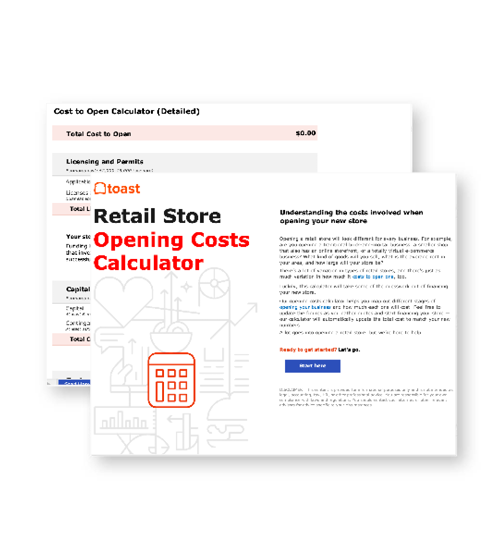
 Retail Store Opening Costs Calculator
This free calculator lays out some of the fundamental financial costs of opening a retail store, so you can start planning and bring your dream business to life.
免费下载Pricing plays a bigger role in customer decisions than many new retail businesses realize. In fact, one survey found that 91% of consumers worldwide say the most important factor when considering a purchase is whether it offers good value for the money.
Knowing what retail price means is essential to price products clearly, communicate value to customers, and turn costs into consistent revenue.
Key takeaways
Retail price is the final, customer-facing price shown on shelves, menus, tags, or checkout screens.
Retail pricing connects business costs to revenue, covering expenses like labor, overhead, and product costs.
The selling price can change due to discounts or promotions, even when the retail price stays the same.
Retail Marketing Plan
Create a marketing plan that'll drive repeat business with this customizable marketing playbook template and interactive calendar.

What does retail price mean?
Retail price is the amount a customer pays for a product when buying it from a business. It’s the final price shown to shoppers, either on a shelf, menu, tag, or checkout screen.
For retailers and restaurants, the retail price is what turns costs—like ingredients, labor, and overhead—into revenue. While customers only see one number, that price reflects everything it takes to produce, sell, and serve the product.
Retail price vs. wholesale price
Retail price and wholesale price refer to two different points in the supply chain:
Wholesale price is what a retailer pays a supplier for a product in bulk.
Retail price is what the customer pays when purchasing that product individually.
The difference between wholesale and retail price helps cover operating expenses and generate profit for the business.
Retail price vs. list price
Retail price and list price are often confused, but they’re not always the same:
List price is the suggested or advertised price of a product.
Retail price is the actual price customers see and pay in-store or online.
In some cases, the list price may be higher than the retail price due to promotions, markdowns, or competitive pricing.
Retail price vs. selling price
Retail price is the standard price of an item, while the selling price is the amount a customer ultimately pays after any adjustments. Selling price can change due to:
Discounts and promotions
Coupons or loyalty rewards
Time-based or demand-based pricing
When a discount is applied, the retail price stays the same—but the selling price changes.
How does retail pricing work?
Retail pricing works by starting with a product’s cost and determining a price that supports both profitability and customer demand. In simple terms, businesses:
Calculate the total cost to produce or acquire an item.
Add a margin to cover expenses and profit.
Set a retail price customers are willing to pay.
For example, if a retailer buys a shirt from a supplier for $15, they also need to account for costs like rent, staffing, and inventory handling. After adding a margin to cover those expenses and profit, the retailer might price the shirt at $30. That $30 price tag is the retail price customers see when shopping in-store or online.
Numbers don’t lie—but they do sell
While retail pricing strategies can become complex, the retail price itself remains the clear, customer-facing number that connects business operations to sales. Getting the basics right makes it easier to price consistently, explain prices with confidence, and build trust with customers.
Retail Branding Guide
This Retail Branding Guide will give you tips on how to create a brand that stands out, attracts customers, and drives repeat visits.
FAQ
What does retail price mean?
Retail price is the amount a customer pays to purchase a product or service from a retailer, covering costs, overhead, and profit.
How is retail price different from wholesale price?
Wholesale price is what retailers pay suppliers for products in bulk, while retail price is higher and reflects the cost of selling directly to consumers.
What factors determine retail prices?
Retail prices are influenced by product costs, labor and overhead expenses, market demand, competition, brand positioning, and desired profit margins.
Can retailers charge more than the manufacturer’s suggested retail price?
Yes, retailers can price products above the suggested retail price, though demand, competition, and customer perception typically determine whether that pricing is sustainable.
How do restaurants calculate menu prices?
Restaurants typically calculate menu prices by factoring in ingredient costs, labor, overhead, target profit margins, and what customers are willing to pay.
Why do retail prices vary between different stores?
Prices can vary due to differences in operating costs, location, supply chain expenses, pricing strategies, and the type of customer experience each store offers.
Retail Store Opening and Closing Checklist
Use this free PDF checklist to set your staff up for success, every shift.

这篇文章有帮助吗?
免责声明:此信息仅作为一般性参考,发布并不构成认可。Toast 不保证本内容中包含的任何信息、文本、图形、链接或其他项目的准确性或完整性。Toast 不保证如果您遵循本文的任何建议,就能取得任何特定结果。您可能需要咨询专业人士,如律师、会计师或商业顾问,以获取针对您情况的具体建议。
 趋势
趋势