
Restaurant Technology: 14 Essential Tools for 2026
Explore the restaurant technology operators use today — from POS and handhelds to kitchen displays, payroll, and AI-driven insights.
作者
 资源
资源 Restaurant technology includes the hardware and software restaurants use to manage orders, payments, kitchen workflows, employees, inventory, guest relationships, and business performance.
These systems matter because they can reduce manual work, connect front- and back-of-house teams, and give operators a clearer view of what is happening across the business.
The technology becomes more useful when each tool shares information with the others. The Toast Platform is one example of this connected approach, bringing point of sale, payments, digital ordering, kitchen operations, employee management, marketing, and reporting into one restaurant-focused system.
Below, we break down the essential types of restaurant technology, what each one does, and how Toast products connect them across the restaurant.
Key takeaways
Restaurant technology includes the hardware and software used to manage orders, payments, kitchen workflows, employees, inventory, guests, and business performance.
A point-of-sale system typically serves as the center of a restaurant’s technology stack by connecting sales with other operational functions.
Connected restaurant technology improves efficiency by reducing manual work, preventing duplicate data entry, and keeping information consistent across systems.
Restaurants should choose technology based on their service model, sales channels, staffing needs, operational complexity, and plans for growth.
The Toast Platform connects essential restaurant technologies in one restaurant-focused system, giving operators a clearer view of their operations and data.
餐厅设备检查清单
开餐厅还是升级餐厅?不要遗漏任何必备设备!我们的餐厅设备检查清单内容全面,可免费下载。

14 essential types of restaurant technology
Restaurant technology | Primary function |
Point-of-sale system | Manage menus, orders, checks, and sales |
Payment processing | Accept and record guest payments |
Restaurant-grade hardware | Give employees reliable ordering and payment devices |
Kitchen display system | Route and organize orders in the kitchen |
Online ordering and delivery | Accept direct pickup and delivery orders |
Restaurant website and mobile ordering | Maintain a direct digital storefront |
Reservation and table management | Manage bookings, waitlists, tables, and service flow |
Inventory and food-cost management | Track ingredients, invoices, recipes, and costs |
Scheduling and time tracking | Coordinate shifts and record employee hours |
Payroll and tip management | Pay employees and distribute tips |
Guest CRM and loyalty | Understand and reward repeat guests |
Restaurant marketing | Run targeted campaigns and promotions |
Reporting and analytics | Monitor sales, labor, menu, and location performance |
Catering and event management | Coordinate large orders and private events |
1. Point-of-sale system
A restaurant point-of-sale system manages orders, menus, checks, discounts, taxes, and sales transactions. It serves as the operational center of many restaurant technology stacks because nearly every sale begins or ends in the POS.
Modern restaurant POS systems can support multiple ordering channels rather than functioning solely as cash registers. Servers may enter tableside orders on handheld devices, counter-service employees can take orders at fixed terminals, and digital orders can enter through online ordering platforms or delivery integrations.
Because so much activity passes through the POS, its connections affect the rest of the business. An integrated POS can send orders to the kitchen, record payments, track employee sales, update reports, recognize loyalty members, and maintain consistent menu information across ordering channels.
Toast POS connects in-store and digital orders through one restaurant-focused system. Using one menu, one set of reports, and one source of order data means operators can manage more sales channels without building a separate workflow for each one.
2. Payment-processing technology
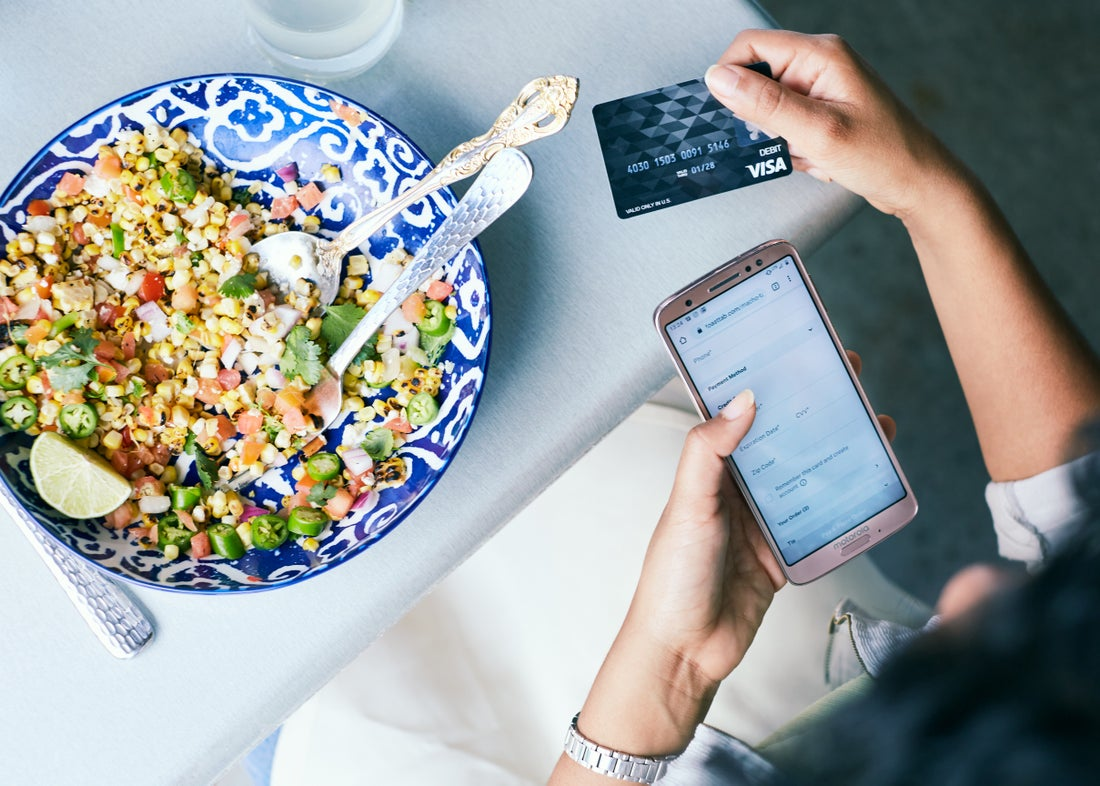
Restaurant payment-processing technology enables businesses to accept credit cards, debit cards, digital wallets, contactless payments, gift cards, and other payment methods. It also connects each payment with the corresponding order, check, employee, and location.
Restaurants need technology services that can operate at the speed of service. A delayed or disconnected payment process can slow table turns, create lines, complicate reconciliation, and leave managers matching transactions with orders after the shift.
Integrated processing keeps order and payment information in the same environment. This connection makes it easier to close checks, manage tips, review transactions, issue refunds, and reconcile sales.
Toast Payment Processing works as the payment layer of the Toast Platform, connecting in-person and online transactions with Toast POS, takeout, delivery, and financial-management tools. That means restaurant operators can manage orders and their associated payments through the same system.
3. Restaurant-grade hardware
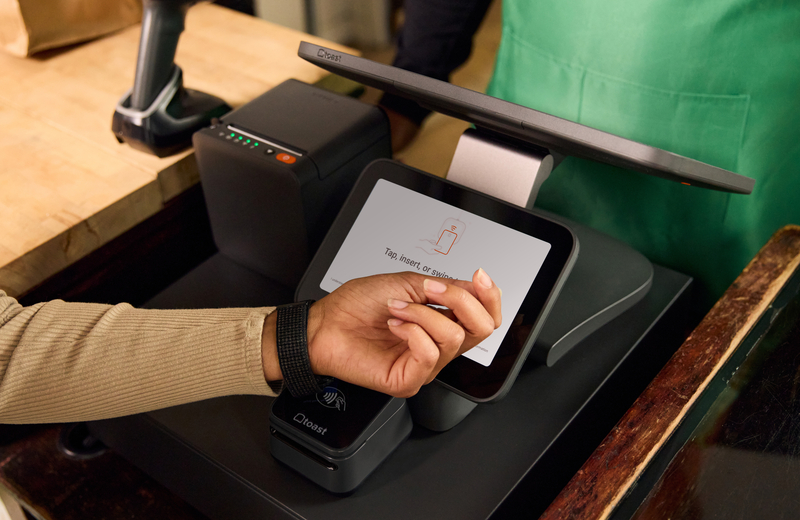
Restaurant hardware includes fixed POS terminals, handheld ordering devices, card readers, guest-facing displays, receipt printers, self-ordering kiosks, routers, and kitchen screens.
The right mix depends on the restaurant’s service model. A full-service restaurant may prioritize handheld devices that let servers order and accept payments tableside. On the other hand, a quick-service restaurant may need fixed terminals and self-ordering kiosks to keep lines moving.
Toast restaurant hardware is designed for restaurant environments and connects directly with the Toast Platform. Options such as Toast Go® handheld POS devices let employees take orders and payments away from a stationary terminal, while Toast self-ordering kiosks give guests another way to browse, customize, and submit orders.
4. Kitchen display system
A kitchen display system, or KDS, replaces or supplements printed tickets with digital order screens. It organizes incoming orders, routes items to the correct preparation stations, tracks fulfillment times, and helps employees see what needs to be prepared next.
Kitchen technology is particularly valuable when orders arrive from several sources. Without a centralized system, dine-in checks, online orders, delivery tickets, and kiosk orders can create separate queues that employees must manually organize.
A KDS connected to the POS can consolidate those orders and route individual items according to the restaurant’s kitchen configuration. It can also improve communication between front- and back-of-house teams by updating order status as items are prepared.
The Toast Kitchen Display System syncs with Toast POS to keep orders organized and route tickets to the appropriate kitchen stations. Because orders enter through the same platform, kitchen teams can manage dine-in and digital demand through a shared production workflow.
5. Online ordering and delivery technology
Online ordering technology lets guests browse a digital menu, customize items, pay, and select pickup or delivery without calling the restaurant. For operators, it creates a direct sales channel that can remain open wherever guests search for the business.
Toast Online Ordering connects digital orders with Toast POS and kitchen operations. Real-time menu information, order-volume controls, pickup and delivery options, guest communications, and integrated loyalty help restaurants manage digital sales as part of the existing operation.
Toast reports that 78% of surveyed customers using Online Ordering as part of its Digital Storefront Essentials package strongly agreed that it helped save them time. Restaurants that want to offer delivery can also use Toast Delivery Services, while integrations can help bring orders from third-party marketplaces into the restaurant’s technology stack.
6. Restaurant website and mobile-ordering technology
A restaurant website acts as the digital front door of the business. It gives prospective guests a place to find the menu, hours, locations, contact information, online ordering, gift cards, reservations, catering details, and other essential information.
The operational challenge is keeping that information accurate. If the website, POS, and online ordering system use separate menu databases, every price or item change may need to be made several times.
Toast Websites syncs menu and pricing information with Toast POS, which means operators can update core information without manually editing the same details across disconnected systems. Built-in online ordering can also keep guests on the restaurant’s direct digital storefront from discovery through checkout.
Restaurants that want a dedicated mobile experience can use the Toast Branded Mobile App to connect mobile ordering, loyalty, and guest communications. The app gives regulars a direct way to return while keeping orders tied to the restaurant’s wider Toast system.
7. Reservation and table-management software
Reservation and table-management software helps restaurants manage bookings, waitlists, seating assignments, table status, and guest information. It’s especially important for full-service restaurants that need to balance advance reservations with walk-in demand.
An effective system should do more than store names and reservation times. Hosts need an accurate view of the dining room, servers need to know when tables are seated, and managers need information that helps them understand pacing and demand.
Toast Tables brings reservations, waitlists, table management, and guest profiles into the Toast Platform. Connecting table status with the POS helps hosts and service teams see what is happening in the dining room without maintaining an isolated reservation system.
8. Inventory and food-cost management software
Restaurant inventory technology tracks ingredients, quantities, purchase prices, recipes, invoices, waste, and cost of goods sold. These tools help operators understand what they have, what they use, what they waste, and how supplier-price changes affect margins.
Basic inventory counts answer how much product is on hand. More connected systems can compare purchases and counts with POS sales to estimate expected ingredient usage and identify gaps between actual and theoretical food costs.
xtraCHEF by Toast combines invoice automation, recipe costing, inventory processes, and Toast POS sales data. The platform can use ingredient-price changes and beginning and ending inventory information to support cost-of-goods-sold reporting, while mobile count lists replace some paper spreadsheets and clipboards.
9. Employee scheduling and time-tracking software
Scheduling technology helps managers build schedules, communicate shifts, manage availability, and respond to staffing changes. Time-tracking tools then record when employees clock in, take breaks, and clock out.
When scheduling, time tracking, and sales data remain separate, managers may struggle to compare staffing with actual demand. Employees may also have to navigate several tools to view schedules, request changes, and confirm hours.
Toast Scheduling helps restaurant managers create and communicate schedules through the same broader platform used for operations. Connecting scheduling with POS labor and sales data can help managers evaluate labor needs using information from actual restaurant activity.
10. Payroll and tip-management software
Restaurant payroll technology calculates wages, taxes, deductions, and employee payments. Restaurants also need tools for handling tipped employees, tip pools, shift information, and the connection between hours worked and pay received.
Payroll becomes more complicated when managers must collect hours, tips, and employee information from separate systems. Manual transfers add administrative work and create more opportunities for errors.
Toast Payroll and Team Management integrates with Toast POS so timesheets are embedded in payroll. Hours, shift edits, breaks, and tips can move from restaurant operations into the payroll process without being entered again.
Toast says the median payroll-processing time for Toast Payroll customers is 15 minutes or less, based on internal data from January through October 2024; individual results may vary.
Restaurants can also connect Toast Tips Manager with payroll workflows, while Toast Pay Card and PayOut give eligible employees additional ways to receive wages or tips.
11. Guest CRM and loyalty technology
A restaurant customer relationship management system, or guest CRM, organizes information about the people who visit or order from the business. Depending on the system, guest profiles may include contact information, order history, visit frequency, preferences, loyalty activity, and feedback.
Loyalty technology uses that relationship data to encourage repeat visits. Guests may earn rewards based on spending or visits and redeem them during future in-store or online purchases.
Toast Guest CRM connects guest information with restaurant transactions, giving operators a clearer view of how individual customers interact with the business. Toast Loyalty then lets restaurants create customized rewards based on visits or dollars spent.
Because Toast Loyalty works across in-store and online channels, points can be tracked automatically with purchases. Guests can enroll at the register, through digital receipts, while ordering online, or through a direct signup link.
12. Restaurant marketing technology
Restaurant marketing technology helps businesses reach guests through email, text messages, digital advertising, promotions, offers, and gift cards. These tools turn restaurant and guest data into communications designed to bring people back.
Marketing becomes more relevant when it reflects actual guest behavior. A restaurant may want to contact regulars, reach guests who have not returned recently, promote a limited-time menu item, or encourage online customers to visit in person.
Toast Email Marketing connects campaigns with the restaurant’s guest and transaction data. That connection helps operators create targeted messages without exporting POS information into a completely separate marketing database.
Toast Gift Cards add another connected revenue and marketing tool. Restaurants can sell physical and digital cards, accept e-gift cards online and in-store, and review gift-card activity through Toast reporting.
13. Reporting and restaurant analytics
Restaurant reporting software turns operational activity into information that owners and managers can use. Common reports cover net sales, order volume, labor, menu mix, payment methods, discounts, tips, dining channels, and location performance.
A reporting platform is only as useful as the information entering it. When orders, payments, labor, inventory, and guest activity live in disconnected tools, operators may have to assemble reports manually before they can understand what happened.
Toast Reporting and Analytics uses data generated throughout the Toast Platform to help operators monitor sales and operational performance. Restaurants can compare sales across time periods or locations, filter performance by day of the week, and track menu-item sales across in-store and online menus.
Toast Now extends that visibility to a mobile management app. Owners and managers can monitor restaurant performance, view trends, and compare locations without relying exclusively on a back-office computer.
14. Catering and event-management software
Catering and event technology helps restaurants manage larger orders, private events, inquiries, proposals, contracts, deposits, invoices, production details, and guest communications.
These orders often require different lead times, menus, minimums, and payment schedules than standard dine-in or takeout orders. Trying to coordinate every detail through email threads, spreadsheets, and handwritten notes can make it difficult for the entire team to see the current plan.
Toast Catering & Events helps restaurants manage catering and event activity from planning through execution. Depending on the package, guests can order and pay online, teams can generate order documents, clients can receive invoices, and employees can keep event communications within the Toast Platform.
Connect your restaurant technology with Toast
Every restaurant needs a different combination of technology, but the essential systems should support one another. The Toast Platform combines restaurant-grade hardware, point of sale, payment processing, kitchen operations, digital ordering, employee management, guest engagement, cost controls, reporting, and third-party integrations.
This connected approach gives restaurant operators one platform for managing more of the business and turns separate technologies into a coordinated operating system.
餐厅运营手册模板
使用这份免费模板,您可以轻松列出所有运营程序,并确保日常运营尽可能一致。
FAQs
What is restaurant technology?
Restaurant technology includes the hardware and software used to manage orders, payments, kitchen workflows, employees, inventory, guest relationships, and business performance.
What’s the most important piece of restaurant technology?
The point-of-sale system is typically the most important restaurant technology because it can connect orders with payments, kitchen operations, reporting, employees, and guest data.
How does restaurant technology improve efficiency?
Restaurant technology improves efficiency by automating repetitive tasks, reducing duplicate data entry, connecting front- and back-of-house workflows, and giving managers faster access to operational data.
Do small restaurants need the same technology as large ones?
No, small restaurants generally need a simpler technology stack, while larger and multi-location businesses may require more advanced tools for staffing, inventory, reporting, and location management.
Is it better to use one connected platform or separate best-in-class tools for each function?
A connected platform is usually more efficient because data moves between restaurant functions automatically, although specialized tools may be useful when a restaurant has needs the primary platform cannot meet.
餐厅开办计算工具
此计算工具列出了开办餐厅所需的一些基本财务成本,您可以据此开始规划并开办自己心目中的餐厅。
这篇文章有帮助吗?
免责声明:此信息仅作为一般性参考,发布并不构成认可。Toast 不保证本内容中包含的任何信息、文本、图形、链接或其他项目的准确性或完整性。Toast 不保证如果您遵循本文的任何建议,就能取得任何特定结果。您可能需要咨询专业人士,如律师、会计师或商业顾问,以获取针对您情况的具体建议。
