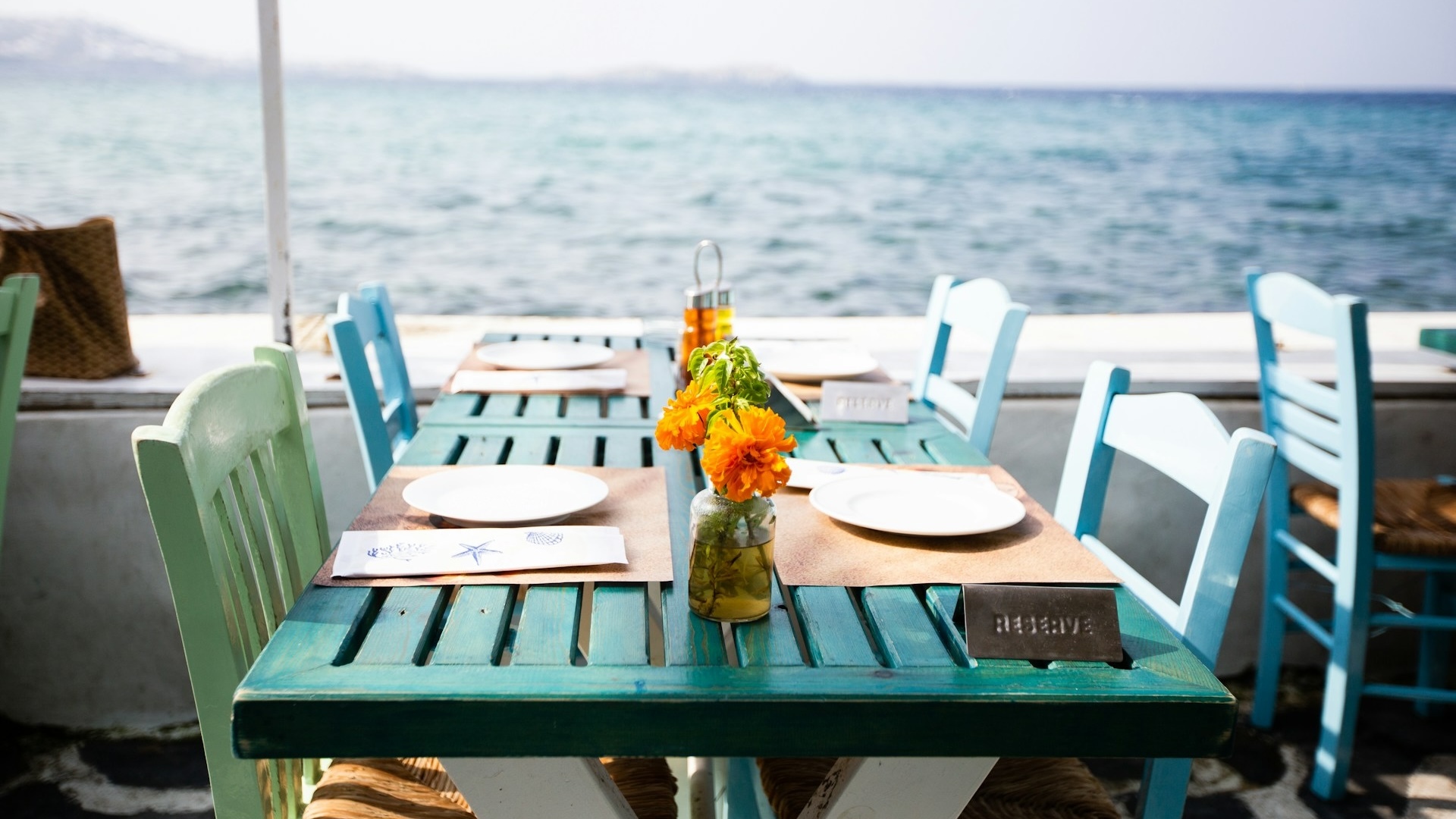
Restaurant Reservation Etiquette
Master restaurant reservation etiquette with expert tips on booking, canceling, and dining behavior that shows respect for restaurants and fellow diners.

作者
 RESOURCE
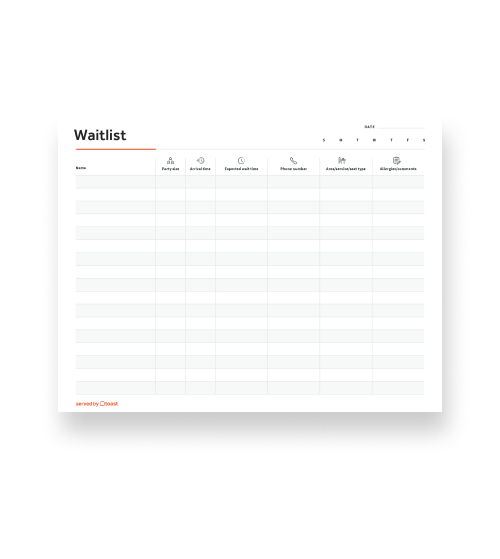
 Restaurant Waitlist Template
A template to help your host keep track of walk-ins and provide estimated wait times, keeping guests happy and staff organized.
免费下载Remember when making a dinner reservation meant picking up the phone and talking to someone? Those days are mostly behind us. Now we're dealing with apps, waitlists, booking fees, and reservation systems that seem to know everything about your dining habits.
The rules have changed, and they matter more than you might think. Restaurants are running tighter operations than ever, and a no-show or last-minute cancellation can genuinely hurt a small business.
Whether you're trying to snag a weekend reservation at that new spot everyone's talking about or just want to avoid being "that customer" who drives restaurant staff crazy, here's what you need to know about reservation etiquette.
Making restaurant reservations etiquette
Be honest about party size and timing
Restaurants staff their teams and order ingredients based on expected covers. Booking a smaller or larger table "just to get in the door" and then showing up with a different number of people creates operational challenges and takes tables away from groups that actually need the space.
If your party size changes, call the restaurant as soon as possible. They may be able to accommodate you at a different table or adjust their preparations accordingly.
Understand peak times and pricing
Prime dining slots (7-9 PM on weekends) are the most coveted and often come with the strictest policies. Consider embracing happy hour; early dining slots between 4-6 PM often offer better availability and sometimes special pricing.
Many restaurants now offer different experiences throughout the evening, from early bird specials to late-night menus. Understanding these options can help you find availability while discovering new dining experiences.
Cancellation etiquette
The financial impact of no-shows
Restaurant owners consistently report that no-shows create significant financial strain. Dave Bonomi, owner of Peanut Park Trattoria in Chicago, experienced 52 cancellations or no-shows on Valentine's Day 2025, resulting in roughly $3,000 in lost revenue for his independently owned restaurant.
"People just don't respect reservations," Bonomi said. "I think they assume the restaurant will fill those seats without issue, but some just don't have the foot traffic."
The data supports these concerns: according to OpenTable, 28% of Americans made a reservation and didn't honor the booking in 2021, with just six no-shows capable of wiping out the slim profits of a 40-seat restaurant.
When and how to cancel
Cancel as early as possible: The moment you know you can't make your reservation, contact the restaurant. Even calling five minutes after your reservation time is helpful, as it allows restaurants to potentially seat walk-in guests.
Use proper communication channels: Call the restaurant directly rather than sending Instagram DMs or social media messages. A former restaurant industry professional notes: "The host is not hanging out on the company's Instagram."
Understand cancellation policies: Many restaurants now charge cancellation fees, typically ranging from $10-45 per person for standard reservations. High-end establishments may charge significantly more. Read the fine print when booking.
Emergency situations: Most restaurants will waive cancellation fees for genuine emergencies, but this requires direct communication with management, not an automated cancellation through an app.
The rise of cancellation fees
Good news for restaurants: guests are canceling reservations 19% less often in 2024 than in 2023, largely due to the implementation of cancellation fees. These policies are proving effective in encouraging guest commitment.
Reservation cancellation rates dropped to 17% in Q3 2024, down from 19% the previous year. This improvement suggests that clearer policies and financial incentives are helping establish better reservation etiquette.
Restaurant Waitlist Template
A template to help your host keep track of walk-ins and provide estimated wait times, keeping guests happy and staff organized.

Arrival and seating etiquette
Timing your arrival
Most restaurants will hold your table for about 15 minutes past your reservation time. However, policies vary significantly by establishment, so calling ahead if you're running late is always appropriate.
Arriving extremely early can also create challenges. If you arrive 20-30 minutes before your reservation, the restaurant may not have your table ready, especially if they're still seating the previous party.
Group dinners
Ensure your full party arrives together: Many restaurants require all guests to be present before seating, particularly during busy periods. Coordinate with your party to arrive within a few minutes of each other.
Communicate changes: If party members are running late or can't make it, inform your server immediately. This allows them to adjust service timing and potentially offer the table to waiting guests if your party size significantly decreases.
Waitlist etiquette
Managing expectations
When joining a waitlist, guests wait an average of 20 minutes before canceling. Understanding these statistics can help set realistic expectations.
72% of diners will wait no more than 30 minutes for a table, with younger diners (ages 25-35) more willing to wait longer than older guests.
Being present and responsive
Stay near the restaurant and respond quickly when your table is ready. Hosts are juggling multiple waitlists and reservations, and disappearing when called can mean losing your spot and disrupting the entire seating flow.
Special occasion reservations
Planning ahead for peak times
Popular dates and holidays require advance planning. These occasions often have special menus, pricing, and stricter cancellation policies.
Valentine's Day (52%), New Year's Eve (42%), and the Super Bowl (34%) are the three biggest occasions when Americans make restaurant reservations.
Managing group celebrations
Large group reservations often require deposits and have specific policies. Call the restaurant directly for parties of eight or more to discuss seating arrangements, menu options, and payment policies.
Many restaurants offer private dining rooms or special group menus for large celebrations. These options often provide better service and atmosphere than trying to accommodate a large group in the main dining room.
The bottom line on reservation etiquette
Good reservation etiquette comes down to one thing: treat your booking like you mean it. Show up when you say you will, call if plans change, and be honest about your party size.
The restaurants that notice you're reliable? They're the ones who'll work with you when you really need that favor: squeezing you in at the last minute or holding your table when you're stuck in traffic. Plus, following these guidelines means you'll avoid awkward situations, surprise fees, and becoming the customer that restaurant staff dread.
Whether it's a casual dinner or your anniversary celebration, a little consideration goes a long way in today's reservation landscape.
FAQ
How early should I make a reservation for a special occasion? For major holidays like Valentine's Day or New Year's Eve, book 4-6 weeks in advance. Popular restaurants often release these reservations exactly 30 days prior, so mark your calendar.
What's the proper way to cancel a reservation? Call the restaurant directly as soon as you know you can't make it. Even last-minute cancellations help restaurants manage their seating and potentially accommodate walk-ins.
Are cancellation fees really necessary? Yes, for restaurants operating on thin margins. No-shows can cost a 40-seat restaurant significant revenue, and fees encourage committed bookings while protecting restaurant profitability.
What if the restaurant is running behind on my reservation time? Most restaurants will seat you within 15 minutes of your reservation time. If there's a longer delay, politely ask the host for an estimated wait time and whether they can offer anything to make you comfortable.
Can I modify my reservation through third-party apps? While possible, calling the restaurant directly is often more reliable and allows for better communication about any special requests or changes to your booking.
这篇文章有帮助吗?
免责声明:此信息仅作为一般性参考,发布并不构成认可。Toast 不保证本内容中包含的任何信息、文本、图形、链接或其他项目的准确性或完整性。Toast 不保证如果您遵循本文的任何建议,就能取得任何特定结果。您可能需要咨询专业人士,如律师、会计师或商业顾问,以获取针对您情况的具体建议。
 趋势
趋势

