Empower Growth with a Reliable Restaurant Location Strategy
Learn how to build a reliable restaurant location strategy to help spur business growth.

作者
 资源
资源 Location, location, location — am I right?
Choosing the right location for your restaurant can significantly impact the success of your business. That’s why a restaurant location strategy is critical.
In this article, you’ll learn what exactly a restaurant location strategy is, why it’s important to create one, and how to build a reliable strategy that can help spur business growth.
餐厅经营计划模板
无论您处于餐厅经营的何种阶段,一份经营计划都将是您的指路明灯。利用这份免费模板梳理自己的愿景,确保万无一失。


What is your restaurant location strategy?
A well-thought out location strategy involves a thorough restaurant business strategy, market research, and an understanding of the specific needs of your new concept.
Different types of restaurants require different location strategies. For example, an easily accessible location with high traffic may be an important factor for a fast-food restaurant, whereas a food truck could benefit from regular changes in location to target different areas and events.
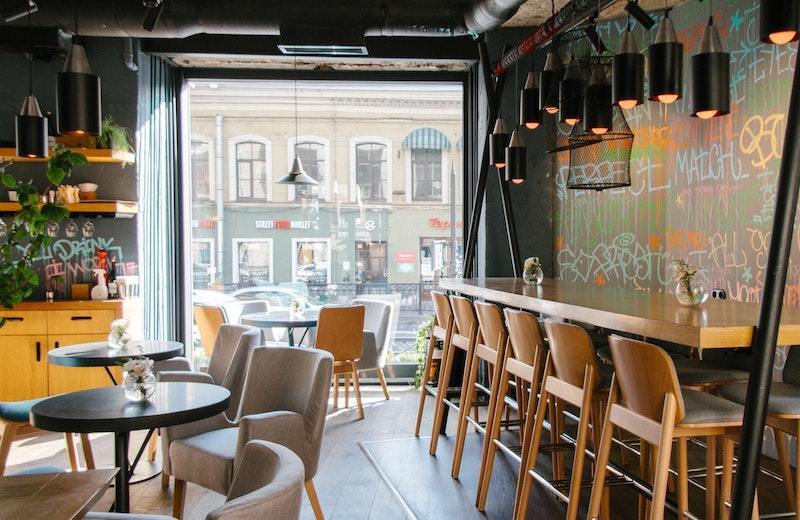
On the other hand, coffee shops and eateries may prioritize finding a cozy and convenient spot that attracts regular customers.
A thorough understanding of the restaurant industry and your specific restaurant concept is crucial to creating an effective restaurant location strategy. This may mean conducting local market research and competitive analysis.
Determining guest demographics, average income levels, driving and foot traffic patterns, and even crime rates can help determine location suitability. Public transit can be another important consideration. You may want to see if there are plenty of potential online ordering customers if you’re planning on that being a significant part of your revenue.
Once you’re open, these are all considerations that can factor into your restaurant marketing strategy.
A comprehensive restaurant business plan can also help operators define their location strategy. The perfect location for your restaurant would be one that aligns with your target audience and caters to the needs of your restaurant concept.
Importance of guest demographics in a thorough restaurant location analysis
Understanding target audience demographics is a critical aspect of conducting a thorough restaurant location analysis.
The makeup of the local population can significantly impact the success of your restaurant.
Demographic factors such as age, income levels, and cultural backgrounds influence customers' dining preferences, food choices, and spending habits. Knowing this information can help you tailor your menu, interior design, and marketing efforts to target your desired audience effectively.
For example, if your restaurant concept is focused on upscale fine dining, you might consider locating in an area with a higher average income level.
On the other hand, if you aim to attract a younger demographic, you might choose a location near a college campus or in a trendy neighborhood.
Understanding the demographics can also help you assess the demand for specific cuisines or dietary preferences, enabling you to create a menu that resonates with potential customers.
Analyzing foot traffic in the area is another valuable aspect of researching guest demographics. Consider the number of people passing by the potential location and assess whether they are within your target market. The more foot traffic aligned with your target audience, the higher the potential customer base for your restaurant.
How to consider zoning laws for your restaurant business expansion
When expanding your restaurant business, it can be essential to consider zoning laws to ensure compliance and a smooth expansion process. Zoning regulations vary across different jurisdictions, including federal, state, and local levels. Understanding these regulations is crucial to avoid legal and operational complications.
Accessibility and parking options are primary considerations for zoning. Adequate parking spaces for your customers can significantly impact the success of your restaurant, especially for eateries located in suburban or commercial areas where car travel is prevalent. Research the zoning regulations in your desired area to ensure that there are sufficient parking spaces for your restaurant's needs.
Additionally, assess other accessibility factors such as proximity to major roads, public transportation, and the layout of the physical space.
Square footage requirements and limitations are other zoning considerations to keep in mind during the expansion of your restaurant business. Review the zoning regulations to ensure that the new space meets the minimum requirements for a restaurant operation. Understanding these regulations will help you assess the feasibility of expansion and avoid any potential issues in leasing or purchasing real estate.
In general, consulting with professionals who have experience in zoning and real estate matters is beneficial when navigating the complexities of zoning laws. They can provide guidance and help you adhere to all zoning requirements, ensuring a smooth expansion process.
Restaurant location strategy is the first step for your growing business
Choosing the right location is undoubtedly a critical step for the success of any restaurant. However, a restaurant's growth and success depend on more than just the location.
Restaurant owners and aspiring restaurateurs should consider other essential factors to ensure their business thrives.
For example, staying ahead of the latest food trends can help satisfy the evolving tastes and preferences of guests. By incorporating new and innovative menu items, you can attract new customers and keep existing ones coming back for more. Keep an eye on emerging culinary trends, experiment with fusion cuisine, or explore underrepresented cuisines to provide unique dining experiences to your guests.
Moreover, embracing restaurant technologies can boost your operations and enhance guest experiences.
Utilizing tools for invoice automation, inventory control, and kitchen operations can streamline processes, reduce human error, and improve efficiency.
Implementing online ordering platforms and mobile payment options can also enhance convenience for your customers and increase sales.
Continually seeking ways to improve your guests' dining experiences and ensuring the highest quality of service may need to be a priority. By focusing on customer satisfaction and leveraging the power of technology, you can establish a strong reputation, build a loyal customer base, and sustain increased sales.
While finding the best location for your restaurant is crucial, it is essential to take a holistic approach to restaurant growth. Understanding guest demographics, staying compliant with zoning laws, embracing new food trends, and using restaurant technologies are all vital elements in creating a thriving restaurant business.
 TOAST TECH
 Built for restaurants just like yours.
Toast’s restaurant technology includes point of sale, kitchen display screens, online ordering, loyalty, analytics, payroll, and more.
这篇文章有帮助吗?
免责声明:此信息仅作为一般性参考,发布并不构成认可。Toast 不保证本内容中包含的任何信息、文本、图形、链接或其他项目的准确性或完整性。Toast 不保证如果您遵循本文的任何建议,就能取得任何特定结果。您可能需要咨询专业人士,如律师、会计师或商业顾问,以获取针对您情况的具体建议。
 趋势
趋势