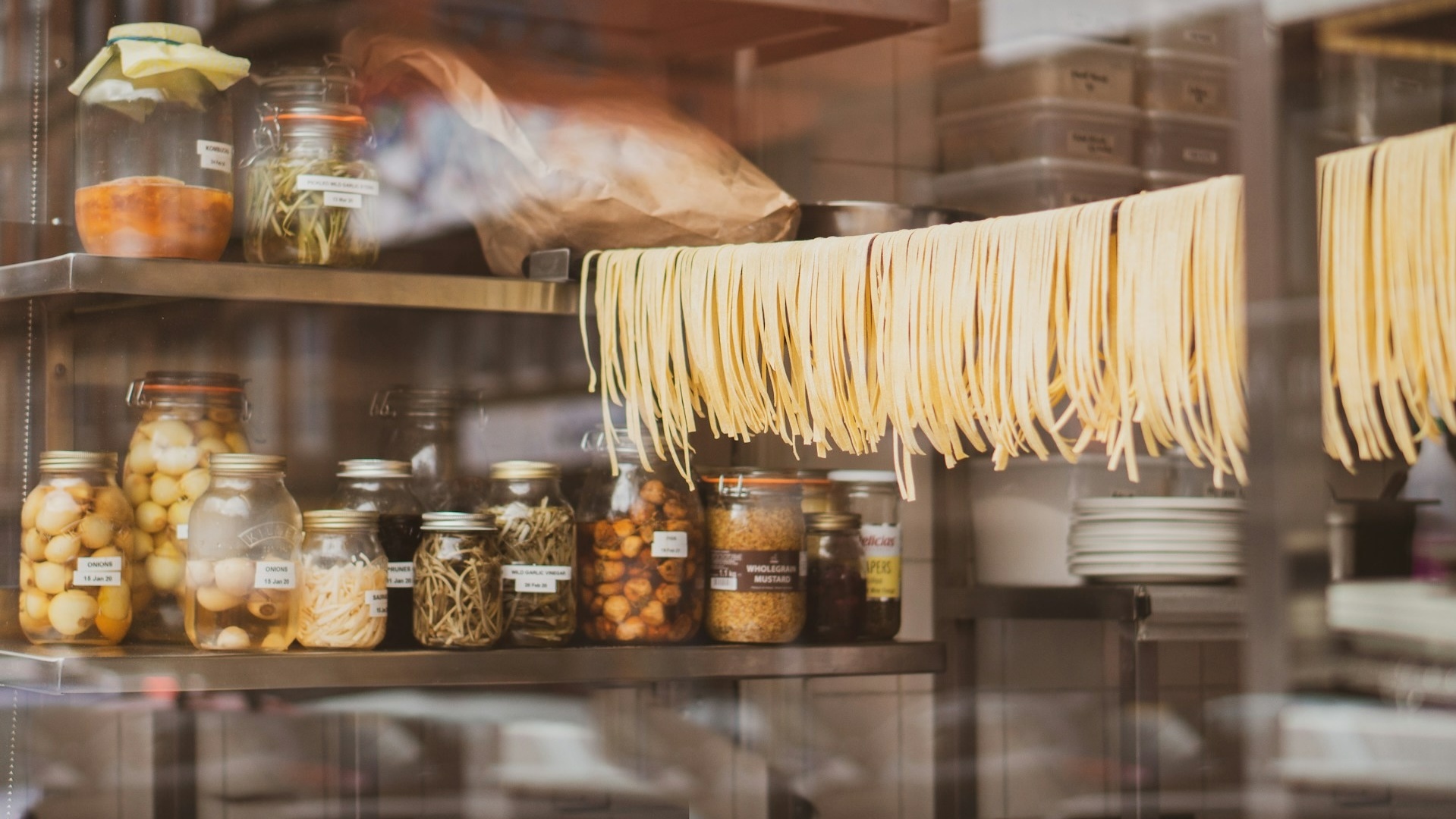
15 Classic Italian Dishes: A Guide to Regional Italian Cuisine <a aria-label="Footnote" class="text-[inherit] font-[inherit]" id="-ref" href="#" role="doc-noteref"> <sub class="align-super"> 2025 </sub> </a>
Explore the rich traditions and flavors that make Italian cuisine a global culinary treasure.

作者

 RESOURCE
 Recipe Card Template
Train your team with this recipe card template, a customizable Excel sheet that outlines recipe requirements for chefs and back of house staff.
免费下载
Italian cuisine is celebrated as one of the world's most beloved and influential culinary traditions, characterized by its emphasis on simple, high-quality ingredients and regional diversity. From the simple pizza in Naples to the rich risottos of Milan and the sun-ripened tomatoes of Sicily, Italian food tells a story of cultural heritage, family traditions, and an unwavering commitment to culinary excellence. Reaching $247 billion in 2022, the global Italian cuisine market highlights the enduring popularity of Italian dishes. Given its appeal and diversity, it’s no wonder Italian cuisine ranks as the world’s favorite.
Regional diversity in Italian cooking
Northern Italian cuisine
The north of Italy, including regions like Lombardy and Piedmont, offers rich, butter-based dishes that reflect the cooler climate. Milan's famous osso buco and creamy risotto Milanese showcase the region's sophisticated approach to comfort food. In this region, polenta often replaces pasta as the preferred staple served with various ragù and meat dishes. The inclusion of butter rather than olive oil distinguishes many northern dishes from their southern counterparts.
Central Italian traditions
Tuscany and Rome define much of what the world considers classic Italian cuisine. Roman dishes like cacio e pepe and amatriciana demonstrate the beauty of simplicity in Italian cooking. These pasta dishes, using few but high-quality ingredients, epitomize the Italian approach to food. Tuscan cuisine, known for its rustic elegance, features dishes that highlight the region's exceptional olive oil, white wines, and artisanal ingredients.
Southern Italian and Sicilian flavors
Southern Italian cooking, including Neapolitan and Sicilian cuisines, embraces the Mediterranean's bounty. Naples gave the world pizza Margherita, while Sicily contributed pasta alla Norma, featuring eggplant, tomatoes, and ricotta. The South's cuisine makes abundant use of tomatoes, olive oil, capers, and anchovies, creating dishes that burst with sun-ripened flavors.
Traditional cooking methods and techniques
Often referred to as the "Godfather of Italian Gastronomy," Antonio Carluccio was celebrated for his love of Italian ingredients and traditional recipes, inspiring countless chefs and food lovers with his knowledge, warmth, and love for simple, quality ingredients. “Italians live for food,” Carluccio said. “You have to desire food, not being greedy but being discerning about what you eat, and pay attention and love your food. If you don’t have those three things you stop cooking because there would be no point, it would just be a job, no fun. Food, it’s not only preparation but fun in eating. It’s good for the brain, for the body, the spirit, for everything.”
To truly appreciate Italian cuisine, it's essential to understand the traditional cooking methods and techniques that have shaped its authentic flavors and textures:
The foundation: soffritto
At the heart of Italian cooking lies the soffritto, a foundational mixture of sautéed onions, celery, and carrots that forms the base of countless dishes. The proper preparation of soffritto requires patience and attention — the vegetables must be diced uniformly and cooked slowly in olive oil until they develop a deep flavor without browning.
Pasta making and cooking
The art of pasta preparation involves several crucial techniques:
Fresh pasta demands precise ratios of eggs to flour, proper kneading to develop gluten, and specific shaping methods for varieties like tortellini, ravioli, and fettuccine. Dried pasta requires an understanding of proper cooking times to achieve the perfect al dente texture, abundant salted water, and the crucial practice of reserving pasta water for sauce binding.
Sauce making fundamentals
Italian sauce preparation follows time-honored methods:
Tomato-based sauces range from light marinara to complex ragù bolognese, each requiring specific techniques and timing. Oil-based sauces like authentic pesto traditionally use a mortar and pestle, while preparations like carbonara demand precise temperature control to achieve their signature creamy texture without scrambling the eggs.
菜单工程工作表
这份菜单工程工作表包含复杂精细的菜单工程公式,您可借此分析餐厅菜单的优势与不足。

Essential Italian dishes
Pasta masterpieces
Italian pasta dishes represent the heart of the cuisine:
Carbonara: A Roman classic combining eggs, pecorino cheese, black pepper, and crispy pancetta
Lasagna: Layers of pasta, bolognese sauce, and béchamel
Linguine alle Vongole: Celebrating the simplicity of pasta with clams and white wine
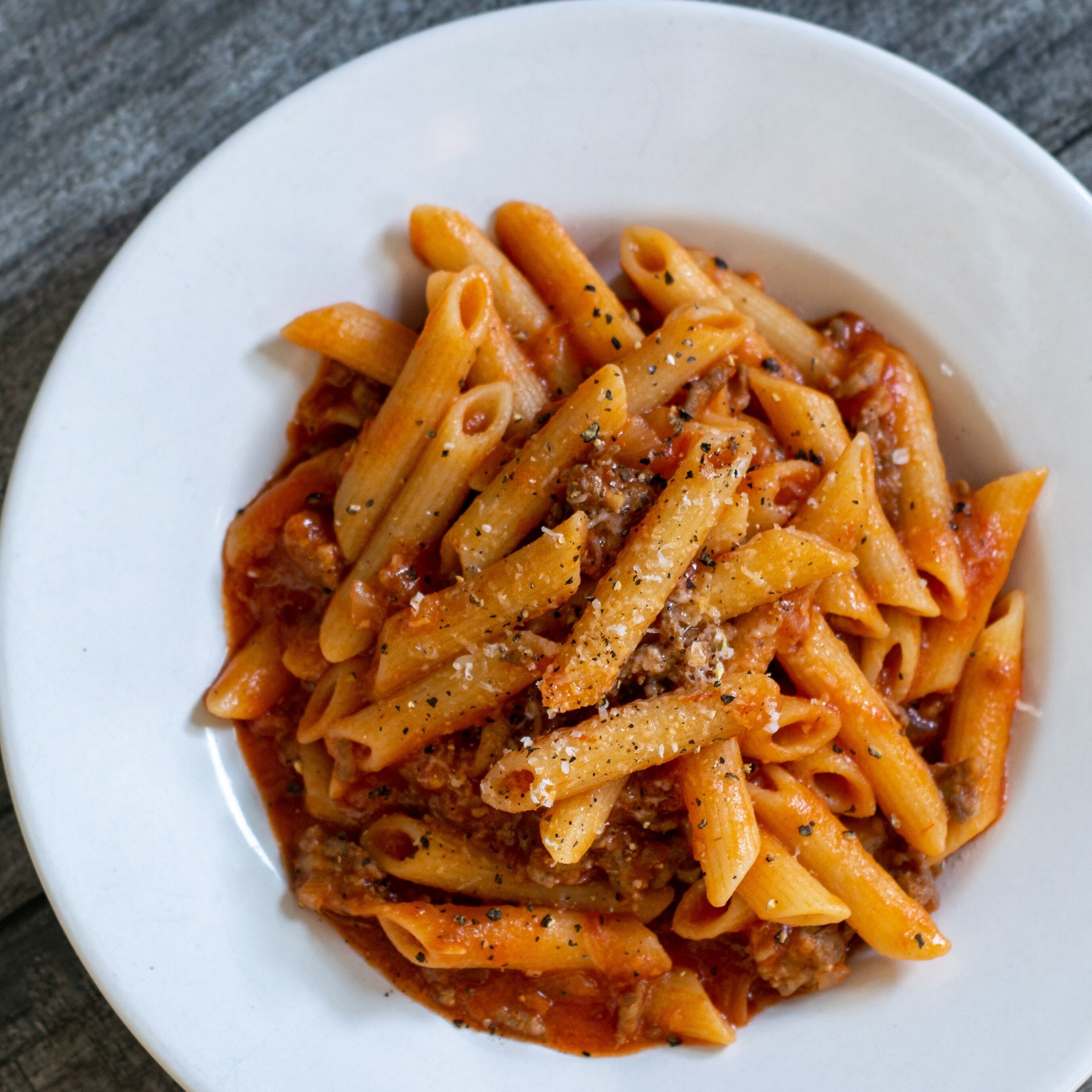
Penne all'Arrabbiata: Spicy tomato sauce showcasing Roman heat
Risotto variations
The art of making risotto requires patience and technique:
Risotto alla Milanese: The classic saffron-infused version
Risotto ai Funghi Porcini: Wild mushroom with porcini
Risotto di Scampi: Seafood risotto with scampi and white wine
Risotto ai Carciofi or Risotto alle Zucchine: Seasonal variations featuring artichokes or zucchini
Main courses (secondi)
Italian main dishes showcase regional diversity:
Osso Buco: Braised veal shanks from Lombardy
Veal Milanese: Crispy breaded cutlet from Milan
Eggplant Parmigiana: Layers of eggplant, mozzarella, and tomato sauce from Naples
Polenta con ragù: Polenta with various ragù from Veneto
The art of Italian ingredients
Foundation elements
Quality ingredients form the backbone of Italian cooking:
Extra virgin olive oil: Sourced from various regions such as Tuscany, Puglia, and Sicily
San Marzano tomatoes: Sweet, rich flavor, ideal for enhancing sauces
Fresh herbs: Particularly basil, and fennel, add vibrant flavor and aromatic depth
Authentic Parmigiano-Reggiano and Pecorino Romano: Adds savory flavor and distinct texture
Fresh produce
Seasonal vegetables play a crucial role:
Roman artichokes: Often braised with garlic, mint, and olive oil
Fresh zucchini: Added to a variety of dishes from light sautés to stuffed preparations
Vine-ripened tomatoes: Used fresh in caprese or cooked in sauces
Wild mushrooms: Creates earthy, rich flavors in dishes like risottos, pastas, and sauces
Cured meats and cheeses
Italy's salumi and formaggi traditions include:
Prosciutto di Parma: Served thinly sliced to highlight its sweetness and nutty richness
Fresh mozzarella: Enjoyed in salads, on pizzas, or with tomatoes and basil to enhance its creamy texture and mild, milky flavor
Aged ricotta: Grated over pasta or salads to deepen its bold, slightly tangy flavor
Regional salamis: Crafted with local spices and techniques for a diverse array of flavors
Traditional course structure
Antipasti (appetizers)
The meal begins with:
Bruschetta with various toppings: Toasted bread with toppings such as tomato and basil, prosciutto and fig, or mozzarella and pesto
Traditional antipasto platters: An assortment of cured meats, cheeses, marinated vegetables, and olives
Caprese salad with buffalo mozzarella: Combination of buffalo mozzarella, vine-ripened tomatoes,fFresh basil, extra virgin olive oil, sprinkle of sea salt
Marinated vegetables: Artichokes, roasted peppers, zucchini, eggplant, mushrooms
Primi Piatti (first courses)
First courses typically feature:
Fresh pasta dishes: Tagliatelle al Ragù Bolognese, Ravioli di Ricotta e Spinaci, Fettuccine al Tartufo
Risotto variations: Risotto alla Milanese, Risotto al Barolo, Risotto alla Zucca
Gnocchi preparations: Gnocchi al Pomodoro, Gnocchi al Pesto, Gnocchi con Gorgonzola
Regional specialties: Pappa al Pomodoro (Tuscany), Spaghetti alla Carbonara (Lazio), Agnolotti del Plin (Piedmont)
Secondi Piatti (main courses)
Main courses focus on:
Grilled or roasted meats: Porchetta, Coniglio alla Cacciatora, Pollo alla Diavola
Fresh seafood: Fritto Misto di Mare, Branzino al Sale, Zuppa di Pesce
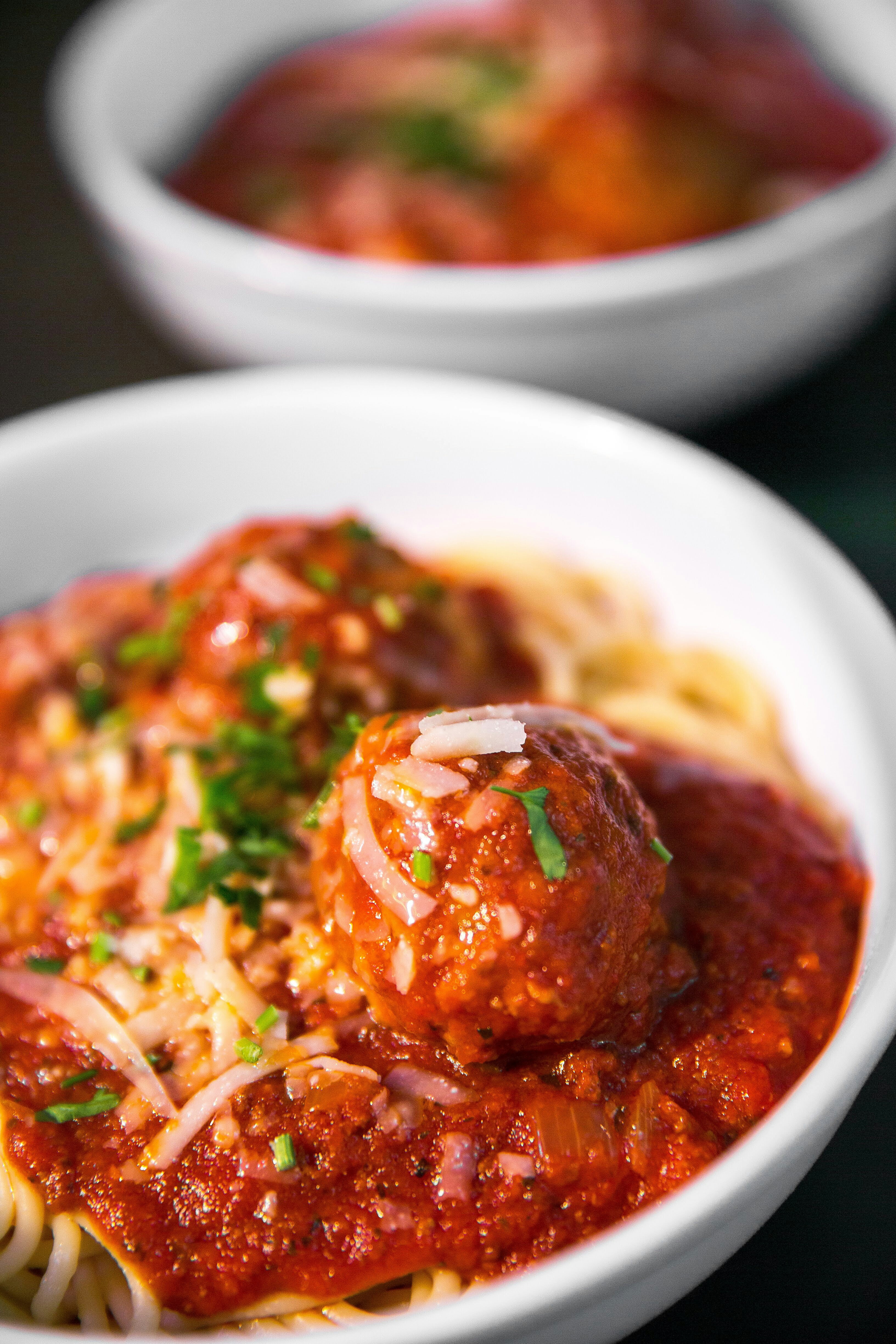
Classic meatballs: Polpette al Sugo, Polpette di Ricotta, Polpette di Manzo
Regional specialties: Arrosticini (Abruzzo), Abbacchio alla Romana (Lazio), Bistecca alla Fiorentina (Tuscany)
餐厅菜单模板
将这些菜单模板用作您菜单设计的起点,或借助这些模板为您的菜单增添新意。
Italian wines and food pairings
Regional traditions
Italy's wine regions produce distinctive varieties:
Northern wines:
Barolo with rich meat dishes: red wine, bold, complex, aromatic
Prosecco as aperitivo: sparkling wine, balanced sweetness, crisp acidity
Soave with light pasta: white wine, light, refreshing, and versatile
Central wines:
Chianti Classico with Tuscan dishes: red wine, vibrant acidity, firm tannins, and complex
Brunello di Montalcino with roasted meats: red wine, intense, elegant, and ages well
Verdicchio with seafood: white wine, crisp acidity, freshness, and mineral character
Southern wines:
Primitivo with robust dishes: red wine, bold, rich, flavorful
Nero d'Avola with rich dishes: red wine, complex, structured, and age-worthy
Fiano with light fare: white wine, aromatic, medium- to full-bodied, rich texture
Traditional pairing principles
Wine pairing follows regional rules:
Light whites with seafood antipasti: Bright acidity and delicate flavors enhance the freshness of the seafood.
Medium-bodied reds with tomato sauces: Balanced acidity and tannins enhance the sauce’s richness and complement the tomato’s natural acidity.
Full-bodied reds with rich meat dishes: Bold structure, intense flavors, and tannins complement the depth and richness of the meat.
Dessert wines with traditional sweets: Sweetness and rich flavors complement and enhance the sugary, often complex flavors in desserts.
Desserts and coffee culture
Classic desserts
Italian sweets emphasize simple elegance:
Tiramisu: Coffee-soaked ladyfingers with mascarpone
Panna cotta with seasonal fruits: Sweet, silky custard with fruit
Regional specialties: Cannoli (Sicily), Pastiera Napoletana (Campania), Sfogliatella (Campania)
Holiday traditions: Panettone (Christmas), Colomba di Pasqua (Easter), Cartellate (New Year’s Eve)
Coffee traditions
Coffee culture is integral to dining:
Espresso rules after meals: Espresso only, no milk, typically no sugar
Regional variations: Caffè Napoletano (Naples), Caffè Corretto (Venice), Espresso with Lemon Peel (Rome)
Proper coffee etiquette: Quick espresso, no to-go cups, keep it simple
Bring Authentic Italian Dining to Your Restaurant
Whether enjoying a simple pasta with tomato sauce or an elaborate multi-course meal paired with regional wines, Italian cuisine demonstrates how quality ingredients, proper technique, and thoughtful wine selection create extraordinary dining experiences. From family trattorias to Michelin-starred restaurants, the commitment to excellence in Italian cooking continues to influence global culinary trends while maintaining its distinctive character and regional diversity.
This living cuisine shows how traditional recipes and modern innovations can coexist, creating a culinary tradition that honors its past while embracing the future. From home kitchens to fine dining establishments, the principles of Italian cuisine — quality ingredients, proper technique, and respect for tradition — continue to captivate food lovers worldwide.
这篇文章有帮助吗?
免责声明:此信息仅作为一般性参考,发布并不构成认可。Toast 不保证本内容中包含的任何信息、文本、图形、链接或其他项目的准确性或完整性。Toast 不保证如果您遵循本文的任何建议,就能取得任何特定结果。您可能需要咨询专业人士,如律师、会计师或商业顾问,以获取针对您情况的具体建议。
 趋势
趋势
