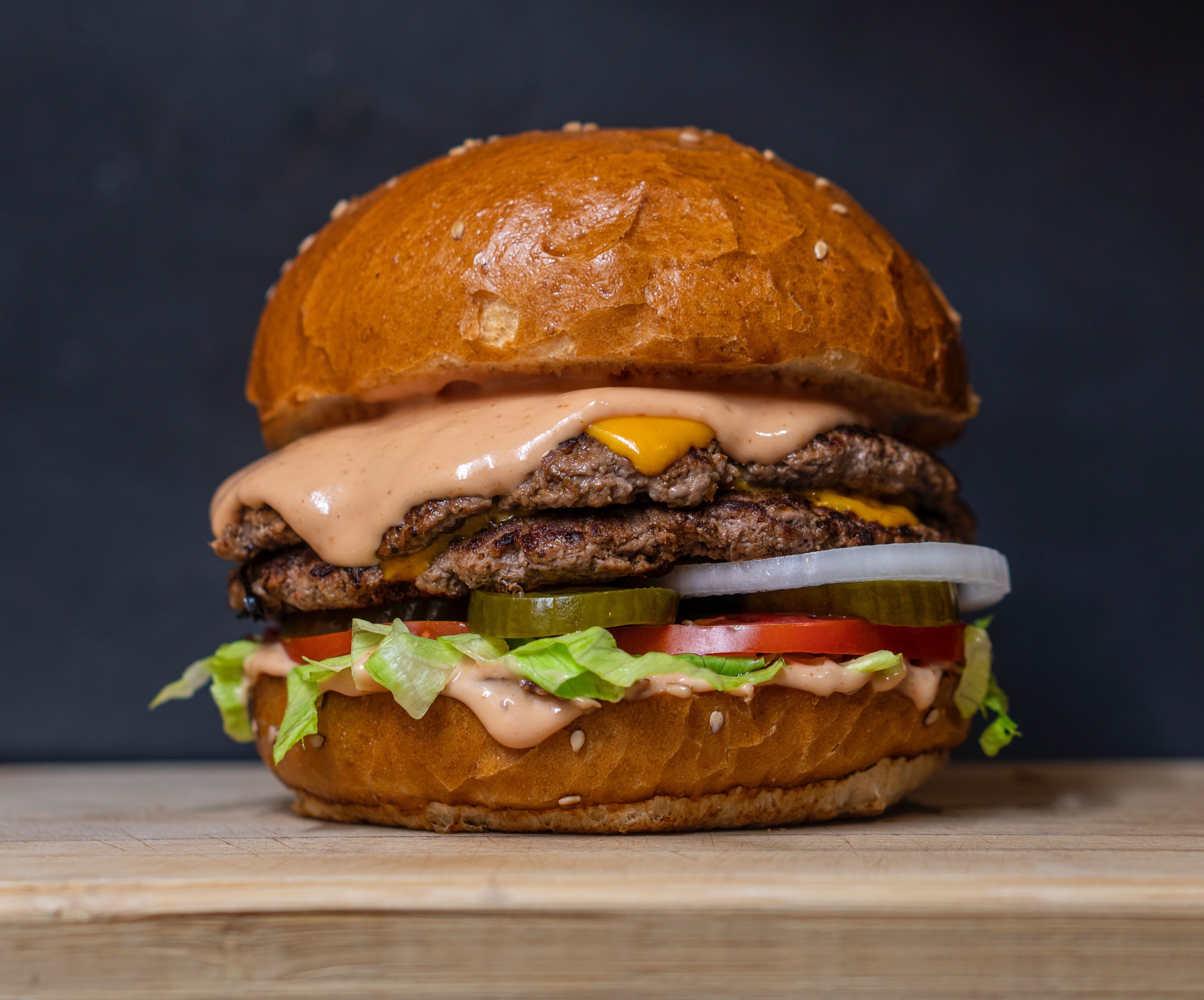
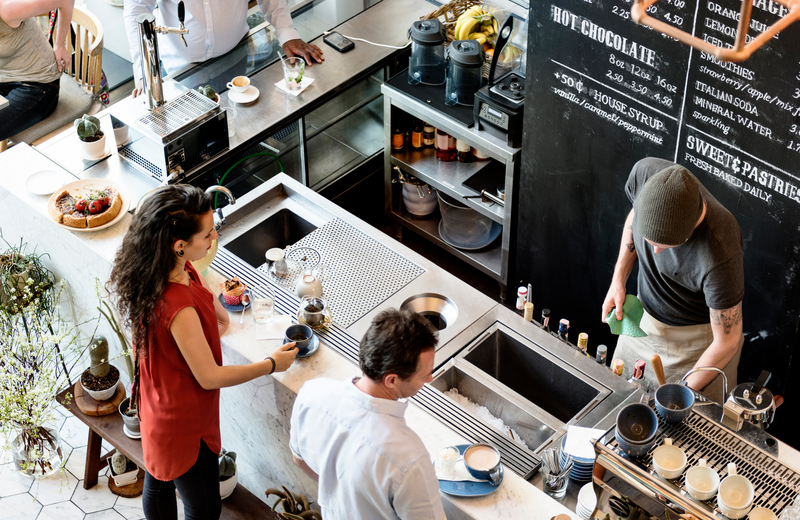
How to Open a Burger Joint: Step-by-Step Guide
Opening a burger joint? This step-by-step guide covers everything from startup costs and equipment to menu pricing and marketing strategies.
作者
 RESOURCE
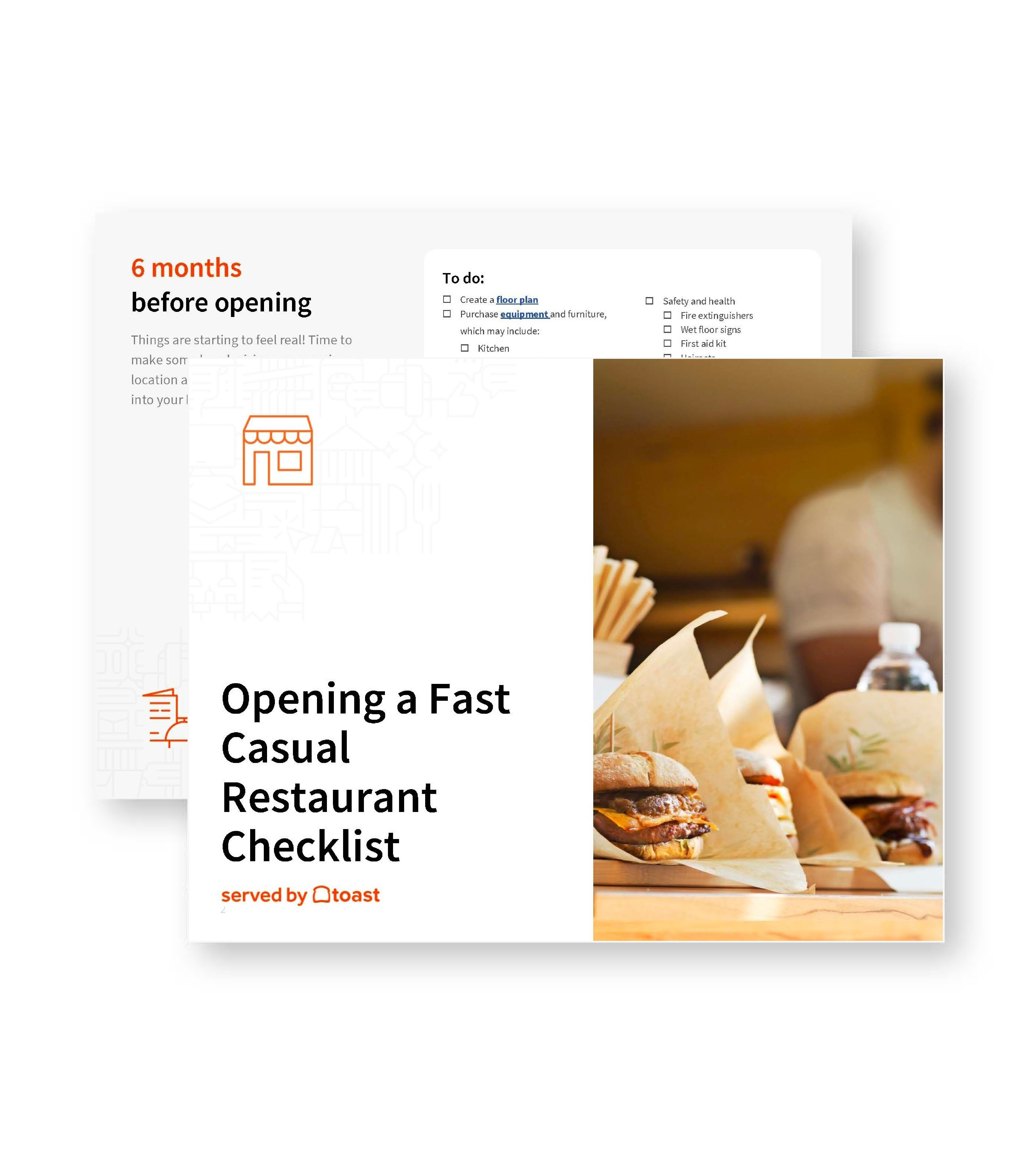
 Opening a Fast Casual Restaurant Checklist
So many things go into opening a fast casual restaurant. With this free PDF checklist, you'll set your new business up for success.
免费下载Opening a burger joint can be an exciting and potentially profitable venture in the ever-growing food industry. In 2024, American consumers reported eating an average of three burgers per month from foodservice operators, and across the U.S., roughly 50 billion burgers are consumed each year. This enormous demand creates ongoing opportunities for new burger restaurants to capture loyal customers and stand out. With the right planning, equipment, and strategy, you can create a burger restaurant that thrives in a competitive market. This comprehensive guide will walk you through the essential steps to open your own burger joint.
Understanding the burger restaurant market
The burger market remains one of the most resilient segments in the food service industry. Despite being a classic American offering, burger restaurants continue to evolve and attract customers through innovation, quality ingredients, and unique concepts. One example is Francis Burger Joint in Minneapolis, which set out to be a "gateway" vegan concept — a place where even skeptical diners could discover how satisfying plant-based food can be. "We started with the aim to be a comfortable, welcoming, warm neighborhood joint, knowing that taking great care of our neighbors and guests would be the foundation of a successful restaurant and business," says co-founder Brendan Viele.
Stories like this show that even non-traditional, plant-based burger concepts can find strong footing in today's market. What makes burger joints particularly attractive for entrepreneurs is their relatively straightforward business model and the universal appeal of their core product. According to BusinessDojo, opening a burger joint typically requires an investment ranging from $20,000 to $500,000 or more, depending on factors like location, size, and concept.
餐厅经营计划模板
无论您处于餐厅经营的何种阶段,一份经营计划都将是您的指路明灯。利用这份免费模板梳理自己的愿景,确保万无一失。

Creating a business plan
Before purchasing equipment or signing a lease, develop a comprehensive business plan that outlines your vision, target market, financial projections, and operational strategy. Your business plan should include:
Concept and brand identity: What makes your burger joint special? Will you focus on gourmet burgers, classic fast food, organic ingredients, or a unique theme?
Target market: Who are your ideal customers? Understanding your demographic helps with location selection, menu design, and marketing strategy.
Competitive analysis: Research other burger restaurants in your area to identify gaps in the market that your concept can fill.
Menu development: Create a preliminary menu with a pricing strategy that reflects your concept while ensuring profitability.
Financial projections: Estimate startup costs, monthly expenses, expected revenue, and when you anticipate breaking even.
Funding strategy: Determine how you'll finance your burger joint, whether through personal savings, loans, investors, or a combination.
A strong example of understanding your target market is MrBeast Burger, which launched as a delivery-only concept aimed at young, tech-savvy fans of YouTube star MrBeast. By focusing on an audience already engaged with digital content and delivery apps, the brand rapidly expanded nationwide without needing physical storefronts. Clearly defining your target customers — and how they prefer to order and eat — can shape every decision from your menu to your marketing strategy.
Estimating startup costs
Understanding the financial requirements of opening a burger joint is crucial for success. According to restaurant industry data, the average cost to open a restaurant is around $275,000 or $3,046 per seat. For burger joints specifically, costs can vary widely based on your concept and location. Major expense categories include:
Real estate and location
Your location will significantly impact your business's success and costs. Options include:
Leasing commercial space: Rent for a burger restaurant can range from $2,000 to $12,000 per month, depending on size and location.
Building from scratch: This option provides the most customization but requires the highest upfront investment.
Food truck or kiosk: A more affordable option with startup costs closer to $60,000.
Licenses and permits
You'll need various permits and licenses to legally operate your burger joint:
Business license: Allows you to legally operate a business in your city or county and is typically required before opening your doors.
Food service license: Issued by the local health department, this license certifies that your establishment meets food safety regulations for preparing and serving food.
Health department permit: A separate permit that often requires an inspection to verify that your kitchen, storage, and sanitation practices meet public health standards.
Fire department permit: Required to ensure your restaurant complies with fire safety codes, including proper exits, extinguishers, sprinklers, and occupancy limits.
Liquor license (if applicable): Necessary if you plan to serve beer, wine, or spirits; obtaining one can be a lengthy process and often involves local and state approvals.
Sign permit: Authorizes you to install exterior signage and ensures it meets zoning regulations for size, placement, lighting, and aesthetics.
Music license (if playing music): Needed to legally play copyrighted music for customers, often through licensing organizations like ASCAP, BMI, or SESAC.
The cost of these permits varies by location but typically ranges from a few hundred to several thousand dollars.
Kitchen equipment
A well-equipped kitchen is essential for any burger joint. Essential equipment includes:
Grill/griddle: For cooking burgers, a commercial flat-top griddle is essential. These can cost between $2,000 to $6,000.
Fryers: For french fries and other fried items, commercial deep fryers range from $1,000 to $5,000.
Refrigeration: Walk-in coolers ($5,000 to $10,000) and commercial refrigerators ($2,000 to $7,000) for storing ingredients.
Food prep equipment: Including cutting boards, knives, food processors, and mixing bowls.
Kitchen Display System (KDS): To manage orders efficiently, a KDS can cost around $100 for software plus the cost of displays.
According to Toast's restaurant equipment guide, other essential items include warming equipment, sinks, storage containers, and cleaning supplies.
餐厅设备检查清单
开餐厅还是升级餐厅?不要遗漏任何必备设备!我们的餐厅设备检查清单内容全面,可免费下载。
POS and payment systems
A reliable point of sale system is crucial for managing orders, payments, and inventory. According to Toast, POS software typically costs between $60 to $250 monthly, with hardware costs starting at around $700.
Modern POS systems offer features beyond basic transaction processing, including:
Inventory management: Track ingredient usage in real time, set automated reorder points, and reduce waste by monitoring stock levels digitally.
Employee scheduling and payroll: Simplify staff management by creating schedules, tracking hours worked, and processing payroll directly through your POS system.
Customer relationship management: Collect customer data, track ordering habits, and run loyalty programs or targeted promotions to encourage repeat business.
Sales analytics and reporting: Generate detailed reports on daily sales, best-selling menu items, and peak business hours to make smarter operational decisions.
Interior design and furnishings
Creating the right atmosphere is important for your burger joint's brand. Costs include:
Seating and tables: Choose durable, comfortable furniture that matches your brand aesthetic and accommodates the expected flow of customers.
Lighting fixtures: Good lighting sets the mood, highlights key areas like the ordering counter, and can even make your food look more appetizing.
Signage and menu boards: Clear, well-designed signage helps customers navigate your space easily and can reinforce your brand identity.
Decor elements: Small touches like wall art, greenery, and color schemes create a memorable atmosphere and influence customer perception.
Kitchen layout design: An efficient kitchen layout improves workflow, reduces ticket times, and ensures that staff can operate safely and comfortably.
Burger Bodega combines New York-style bodega aesthetics with Houston's local art scene. The interior features graffiti murals, neon signage, and a layout reminiscent of classic East Coast corner stores. This distinctive design not only creates an immersive dining environment but also reinforces the brand's identity and community ties.
Many startup restaurants overspend on decor, so focus on creating a clean, appealing space that reflects your brand without breaking the bank.
Initial inventory
Your opening inventory should include all ingredients needed for your menu, plus some extra to account for unexpected demand. For a burger joint, key inventory items include:
Meat (beef patties, chicken, veggie alternatives): Stock a variety of proteins to meet different customer preferences, including plant-based options for vegetarians and vegans.
Buns and bread: Choose high-quality buns that complement your burgers, and consider offering gluten-free options for customers with dietary restrictions.
Toppings (e.g., lettuce, tomatoes, onions, pickles): Fresh, crisp toppings add flavor and texture — be sure to source them from reliable vendors to maintain consistency.
Condiments and sauces: House-made sauces or premium condiments can help distinguish your burgers and elevate the overall customer experience.
Sides (e.g., french fries, onion rings): Offer classic sides that pair well with your burgers, and consider adding a signature side to differentiate your menu.
Beverages and desserts: A well-rounded selection of drinks and sweet treats can boost check averages and create opportunities for upselling.
Packaging materials: Stock eco-friendly and durable packaging if you offer takeout, as presentation and sustainability can influence customer loyalty.
Initial inventory costs can range from a few thousand dollars to over $20,000, depending on your menu's complexity and expected volume.
Developing your menu and pricing strategy
Your menu is the heart of your burger joint. When creating it, consider:
Menu focus and differentiation
According to Toast's menu costing guide, differentiation is key: "If you are using the very best product that you can source, you should be paid a premium price for it." Consider how your burgers will stand out:
Unique burger combinations: Create signature burgers with unexpected ingredient pairings that surprise and delight customers, giving them a reason to choose you over competitors.
Specialty ingredients or preparation methods: Highlight premium ingredients or unique cooking techniques (like smoking or sous vide) to justify higher menu prices and attract foodies.
House-made sauces or condiments: Crafting your own sauces adds a personalized touch and can become a memorable selling point that sets your burgers apart.
Locally sourced ingredients: Sourcing meats, produce, and dairy locally supports your community, appeals to eco-conscious customers, and can improve ingredient freshness.
Diet-specific options (vegetarian, vegan, gluten-free): Offering inclusive menu items ensures you can serve a wider audience and makes your restaurant more attractive for group dining.
Hangry Burger in Springfield, Virginia, is a strong example of menu differentiation done right. They offer unique burger combinations like the "Mushroom Meltdown," featuring gruyere cheese, caramelized onions, sautéed shiitake mushrooms, and house-made dijonnaise on a toasted brioche bun. Their menu also highlights diet-specific options such as the "Unlawful Falafel," a house-made falafel burger, giving vegetarian and vegan diners a creative alternative. By focusing on specialty ingredients, house-made sauces, and inclusive offerings, Hangry Burger appeals to a wide range of customers while justifying premium pricing.
菜单工程工作表
这份菜单工程工作表包含复杂精细的菜单工程公式,您可借此分析餐厅菜单的优势与不足。
Pricing strategy
Effective menu pricing ensures profitability while remaining competitive. Toast's restaurant food pricing guide outlines several approaches:
Cost Plus Pricing: Calculate all costs (ingredients, labor, overhead) and apply a markup.
Value-Based Pricing: Set prices based on what customers perceive the value to be.
Competition-Based Pricing: Price items relative to what competitors charge.
For burgers specifically, research shows the most expensive burger in a market typically sets a ceiling for what customers expect to pay. If competitors sell burgers at $11, you'll need significant differentiation to justify charging $14.
Recipe costing
Accurately calculating food costs is essential for profitability. For each menu item:
List all ingredients and their quantities
Calculate the cost of each ingredient based on the purchase price
Add labor costs required to prepare the item
Factor in a portion of overhead expenses
Apply your desired profit margin
Ideal food costs for restaurants typically range from 28% to 35% of the menu price, though this can vary based on your concept and location.
Staffing your burger joint
Your team will play a crucial role in your restaurant's success.
Essential positions
Key positions for a burger joint include:
Chefs/cooks: Responsible for food preparation and cooking.
Cashiers/servers: Handle customer orders and payment.
Kitchen assistants: Support food prep and cleaning.
Manager: Oversees daily operations and staff.
What to look for when hiring
When hiring, look for individuals with:
Relevant experience in food service: Prior experience in kitchens or front-of-house roles reduces the learning curve and helps maintain efficiency from day one.
Knowledge of food safety practices: Hiring staff familiar with safe food handling, storage, and sanitation minimizes health risks and supports compliance with regulations.
Customer service skills: Friendly, attentive employees create positive experiences that encourage repeat visits and build your restaurant’s reputation.
Reliability and teamwork abilities: Dependable, team-oriented staff help ensure smooth daily operations, reduce absenteeism, and foster a supportive work environment.
According to Restaurant Engine, restaurant owners should "plan to pay their staff a living wage for their area - even if that's well beyond minimum wage." This helps reduce turnover and strengthens your business long-term.
Restaurant New Hire Onboarding Checklist
Bringing new employees onto your team can be both exciting and challenging. Use this free PDF checklist to set your staff up for success.
Marketing and promotion
Effective marketing is essential for attracting customers to your new burger joint. Consider these strategies:
Pre-opening marketing
Before opening day, build excitement and awareness in your community with these pre-launch marketing strategies:
Create social media profiles and begin building an audience: Start posting behind-the-scenes content, teaser menus, and launch announcements to generate early buzz and anticipation.
Develop a website showcasing your concept and menu: A simple, well-designed site builds credibility, gives customers easy access to your hours and menu, and improves your online visibility.
Host a soft opening for friends, family, and local influencers: Soft openings allow you to gather feedback, work out service kinks, and start building word-of-mouth marketing before the grand opening.
Distribute flyers and promotional materials in the neighborhood: Physical marketing is still effective, especially for driving local foot traffic and creating brand recognition in your immediate area.
Contact local media for potential coverage: Reach out to newspapers, blogs, and TV stations with a compelling story pitch about your restaurant’s unique concept or community ties.
Ongoing promotion
After your launch, keep momentum going and build customer loyalty with these ongoing promotion strategies:
Implement a loyalty program to encourage repeat visits: Rewards programs — whether punch cards or digital apps — incentivize customers to return and help build a base of regulars.
Create special promotions for slow periods: Limited-time deals during off-peak hours can boost sales and keep staff busy during traditionally slower times.
Engage with customers on social media: Responding to comments, sharing user-generated content, and running contests help build a loyal and enthusiastic online community.
Collect and respond to customer feedback: Listening to customer reviews — both positive and negative — helps you improve operations and shows customers you value their opinions.
Consider local partnerships or community involvement: Collaborating with local schools, sports teams, or charities can enhance your brand image and create goodwill in the community.
Aioli Burger offers a tiered loyalty program that rewards customers with "stars" for every dollar spent. These stars can be redeemed for various perks, ranging from free fries or lemonade to exclusive items like a private food truck event. This program not only incentivizes repeat visits but also fosters a strong community around the brand.
Toast recommends creating a comprehensive marketing plan that outlines your strategies for building and maintaining your customer base.
Technology and operations
Modern burger joints can benefit from various technologies to streamline operations:
POS system
A restaurant-specific POS system like Toast can help manage:
Order taking and processing: Streamline orders from multiple channels (dine-in, takeout, delivery) to keep kitchen operations running smoothly and avoid errors.
Inventory tracking and management: Track ingredient usage in real time, set par levels, and automate reordering to prevent shortages or waste.
Employee scheduling and time tracking: Simplify shift planning, monitor clock-ins and outs, and forecast labor needs based on sales patterns.
Customer data and loyalty programs: Collect customer information for targeted marketing efforts and offer rewards to incentivize repeat business.
Sales reporting and analytics: Analyze sales data to identify best-sellers, low performers, and peak hours, helping you make smarter menu and staffing decisions.
Bareburger, an organic and all-natural burger chain, uses Toast POS to streamline operations across its locations. With Toast, they manage dine-in, takeout, and delivery orders in one system, track inventory usage in real time, and collect customer data to fuel their loyalty program. Using a comprehensive restaurant-specific POS like Toast has helped Bareburger maintain consistency, improve efficiency, and scale their business as they expand.
Online ordering and delivery
With the growing popularity of food delivery, consider:
Setting up your own online ordering system: Direct online ordering lets you keep more of the profits by avoiding high third-party fees and provides more control over the customer experience.
Partnering with third-party delivery platforms: Using services like Uber Eats, DoorDash, or Grubhub can quickly expand your reach, but usually involves commissions of 15% to 30%.
Offering curbside pickup options: Curbside pickup accommodates customers who prefer convenience without delivery fees, especially during lunch hours and busy weekends.
Implementing a mobile app for your restaurant: An app allows loyal customers to easily order ahead, collect rewards, and receive push notifications about new promotions or menu items.
Inventory management
Effective inventory control prevents waste and ensures you always have the necessary ingredients:
Establish par levels for key ingredients: Setting minimum inventory thresholds helps ensure you always have essential items on hand without overstocking.
Implement a first-in, first-out (FIFO) system: Using older inventory first minimizes food spoilage, improves food safety, and protects your profit margins.
Conduct regular inventory counts: Routine checks help spot discrepancies early, prevent theft, and give you better control over your food costs.
Use technology to track usage and automate ordering: Inventory management software can analyze usage patterns and automatically reorder items, saving you time and reducing human error.
Final considerations
Health and safety compliance
Maintaining proper health and safety standards is critical:
Follow all local health department regulations: Complying with local codes helps prevent costly fines, closures, and negative reviews tied to safety violations.
Implement food safety protocols: Create clear, written food safety procedures — like temperature logs and hygiene checklists — to train and guide your team.
Train staff on proper handling procedures: Regular training ensures everyone knows how to store, prepare, and serve food safely, protecting both customers and your business.
Schedule regular deep cleaning: Deep cleans reduce the risk of pests, bacteria buildup, and equipment malfunctions, all of which can impact operations and inspections.
Financial management
Monitor your finances closely, especially during the first year:
Track daily sales and expenses: Consistent tracking helps you spot trends, correct problems early, and better forecast your cash flow needs.
Analyze food and labor costs regularly: Keeping a close eye on prime costs — food and labor — ensures you maintain healthy profit margins as you grow.
Adjust pricing or operations as needed: Stay flexible and willing to tweak menu prices, portion sizes, or staffing levels based on your financial data.
Maintain an emergency fund for unexpected expenses: Setting aside extra cash for repairs, slow periods, or emergencies gives you a financial cushion to survive early challenges.
Continuous improvement
The restaurant industry evolves constantly, so be prepared to adapt:
Solicit and respond to customer feedback: Encouraging and acting on feedback shows customers you care and can uncover simple ways to improve your offerings.
Stay aware of industry trends: Follow food service news, attend local events, and watch competitors to stay ahead of changes in customer preferences.
Regularly evaluate and refresh your menu: Seasonal updates and new limited-time items keep customers interested and give you chances to boost sales.
Invest in staff training and development: Ongoing training builds stronger, more motivated teams and reduces costly turnover.
FAQ: Opening a burger joint
How much does it cost to open a burger joint?
Startup costs typically range from $20,000 for a small kiosk to $500,000+ for a full-service restaurant, with the average being around $275,000. Major expenses include equipment, real estate, licenses, and initial inventory.
What equipment is essential for a burger restaurant?
Essential equipment includes commercial grills/griddles ($2,000 to $6,000), deep fryers ($1,000 to $5,000), refrigeration ($2,000 to $10,000), food prep surfaces, point of sale system, and smallwares like utensils and cookware.
How do I price my burger menu?
Effective pricing requires understanding your costs (ingredients, labor, overhead), analyzing competitors' prices, and considering your brand positioning. Most burger joints aim for food costs between 28% to 35% of the menu price.
Should I lease or buy equipment?
For new restaurants, leasing equipment can reduce initial costs and provide flexibility. However, purchasing equipment is typically more cost-effective long-term if you have the capital available.
How long until my burger joint becomes profitable?
Most restaurants take between 6 to 24 months to become profitable. Having sufficient working capital to cover expenses during this period is crucial for success.
How can I make my burger joint stand out?
Differentiate through unique menu offerings, quality ingredients, exceptional service, attractive atmosphere, or innovative concepts. Finding your niche is key in the competitive burger market.
What licenses do I need to open a burger restaurant?
Required licenses typically include a business license, food service permit, health department license, sign permit, and liquor license if serving alcohol. Requirements vary by location, so check with local authorities.
By following this guide and adapting these strategies to your specific concept, you'll be well on your way to opening a successful burger joint that stands out in the competitive restaurant landscape.


这篇文章有帮助吗?
免责声明:此信息仅作为一般性参考,发布并不构成认可。Toast 不保证本内容中包含的任何信息、文本、图形、链接或其他项目的准确性或完整性。Toast 不保证如果您遵循本文的任何建议,就能取得任何特定结果。您可能需要咨询专业人士,如律师、会计师或商业顾问,以获取针对您情况的具体建议。
 趋势
趋势