28 Food Presentation Ideas To Make Every Plate Pop
Explore food presentation ideas to elevate the experience at your restaurant. From garnishes to dishware, learn how to make every plate unforgettable.
作者
 RESOURCE
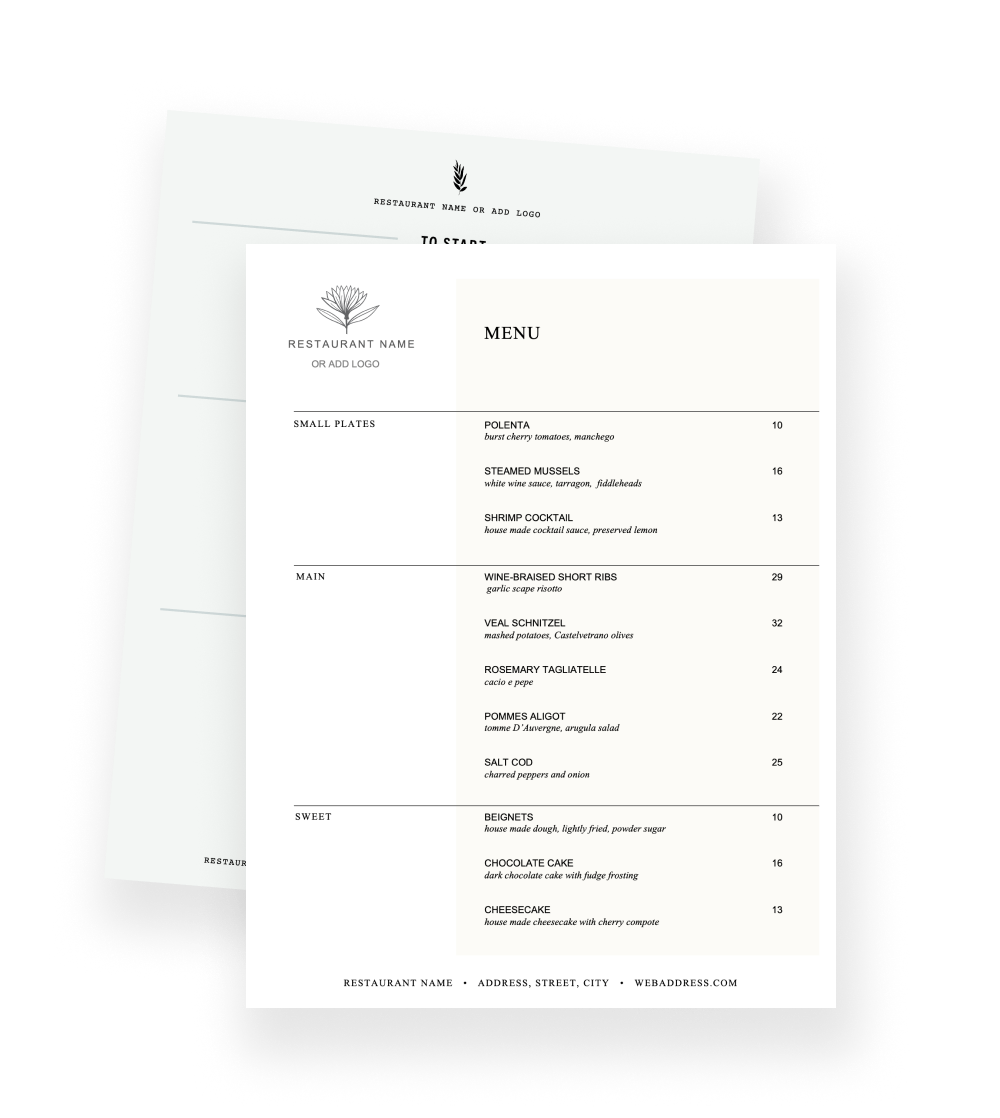
 Fine Dining Menu Templates
Use these fine dining menu templates as a starting point for your menu design or to give your menu a refresh.
免费下载We eat with our eyes first, and science backs it up. In fact, a recent study found that something as simple as a garnish placed near a main dish can shape our entire impression of a meal, affecting appetite and perceived quality. Plus, from social media buzz to online menus and delivery apps, the way your food looks often determines whether it gets noticed at all.
Whether you’re plating fine dining entrees or café desserts, presentation is your chance to make a lasting impression. In this guide, we’ll explore food presentation ideas that can help you make every plate stand out!
Key takeaways
Visual presentation directly impacts how guests perceive taste, quality, and freshness.
Simple plating techniques like height, asymmetry, and texture layering can make a big impact.
Garnishes aren’t just decorative—they enhance flavor, aroma, and visual appeal.
The right dishware reinforces your concept and elevates the entire dining experience.
Creative, interactive presentation turns meals into memorable, shareable moments.
Fine Dining Menu Templates
Use these fine dining menu templates as a starting point for your menu design or to give your menu a refresh.

Food plating presentation ideas
Food presentation starts with how you plate. Whether you're serving fine dining entrees or casual brunch fare, the arrangement can elevate perception before the first bite. The best plating doesn’t scream for attention—it invites it. As Markus Glocker of Bâtard explains:
“It should look very refined and elegant, but it should also look effortless, even if you have a lot of technique behind it.”
Build height: Stack or lean ingredients to create elevation. A composed tower or angled protein adds drama and dimension to the plate, making it feel more dynamic.
Use negative space: Resist the urge to fill the entire plate. Leaving intentional blank space draws attention to the food itself and signals refinement. It’s a minimalist move that makes a big impression.
Play with asymmetry: Plating everything dead center can look static. Try offsetting elements or aligning them using the rule of thirds. Asymmetry creates natural visual flow and interest.
Layer textures visibly: Crispy, creamy, crunchy—let each texture show. For example, a crispy potato chip topping on a velvety purée not only contrasts in taste but gives the eye something to grab onto.
Ideas for garnishes and finishing touches
The smallest details can often make the biggest difference. Garnishes may be decorative, but they also add flavor, aroma, and intention to a dish. For example, at Atomix, dishes are topped with geometric tuiles molded from ingredients like burdock root or milk. These edible garnishes add both crunch and visual flourish, bringing depth without distraction.
Top with edible flowers or microgreens: Delicate, colorful, and packed with personality, edible flowers and microgreens add freshness and a pop of color that elevates even the simplest dish.
Add drizzles or dots of sauce: Use a squeeze bottle or spoon to add intentional flair. Whether it’s a swirl of coulis or dots of aioli, artistic sauce placement frames the plate and gives it polish.
Use flavored powders or dusts: Think chili-lime salt, citrus ash, or beetroot dust. These add color and subtle flavor while signaling creativity and thoughtfulness.
Incorporate aromatic garnishes: Finish with lemon zest, fresh herbs, or toasted spices to activate the senses. Aroma is a powerful part of taste, and a great garnish teases that before the first bite.
Dishware and serving vessel presentation ideas
The right dishware can enhance your presentation, tie into your brand identity, and turn a meal into an experience. For example, at Amano by Diego Oka in Miami, the presentation begins long before the food hits the plate, because the chef also makes the plates! Oka handcrafts over 400 custom ceramic vessels for his eight-course tasting menu, each designed to complement the textures, shapes, and stories of the dish it holds.
Use black or matte plates: Dark backgrounds make vibrant ingredients pop and bring a modern, upscale feel. Matte finishes also reduce glare, giving the food a richer visual texture.
Serve in mini cast irons, cocottes, or bamboo baskets: Individual vessels add personality and help retain heat. Whether it's mac and cheese in a cast iron or dumplings in a steamer basket, the container becomes part of the story.
Try clear glassware or layered jars: Perfect for parfaits, layered salads, or deconstructed dishes. Transparent containers show off colors and textures while supporting vertical presentation.
Use rustic boards or stone slabs: Wooden boards, slate tiles, or even banana leaves can signal earthiness, comfort, or a farm-to-table ethos. Just be sure they’re food-safe and practical for service.
Ideas for adding color and contrast
Using bold contrasts and thoughtful color pairings not only makes a dish more appealing, it communicates freshness, flavor, and balance before the first bite.
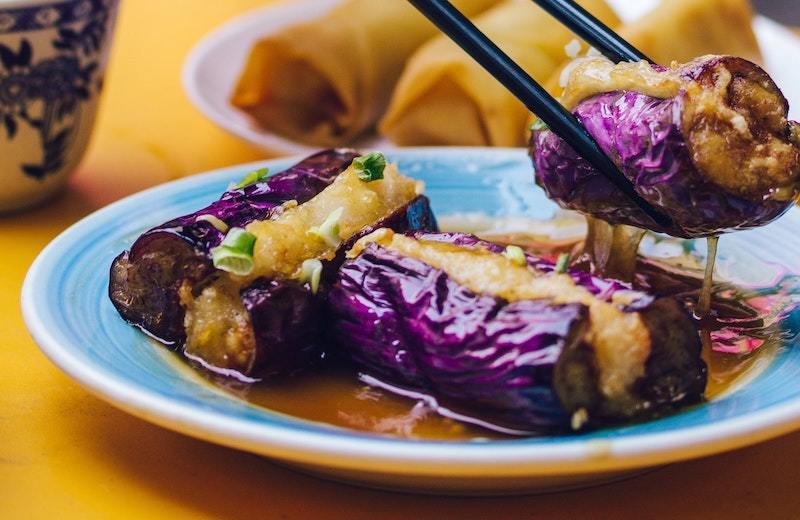
Pair vibrant ingredients: Ingredients like beets, turmeric, pomegranate, or purple cabbage naturally stand out. Use them strategically to bring brightness and life to your plate.
Mix warm and cool tones: Balance rich, warm colors (like roasted carrots or seared meat) with cool hues (like cucumber, yogurt, or fresh herbs) for a more balanced and inviting look.
Highlight contrasting textures visually: Don’t just think about feel; make the contrasts visible. A crispy tuile over a glossy custard or crushed nuts atop a silky mousse adds visual interest and texture at a glance.
Add brightness with herbs and citrus: Chopped chives, parsley oil, lemon zest, or grapefruit segments can lift the entire look and feel of a dish, especially paired with monotone or beige-colored ingredients.
Interactive food presentation ideas
Sometimes the most memorable presentations are the ones that surprise or involve the guest. These ideas add theater, anticipation, and a sense of play to the dining experience.
For instance, at LEV, a pop-up dinner series in Brooklyn, food becomes site-specific performance art. Guests might encounter a shawarma station set up on a sidewalk or plated dishes served beside the Brooklyn Bridge. Each event is designed around its setting, turning food presentation into an immersive, place-based experience that blurs the line between art and dining.
Serve sauces or broths tableside: Pouring a consommé or dressing at the table adds drama and freshness while involving the guest in the final step of the dish.
Use smoke-filled cloches or dry ice: Lifting a cloche to release aromatic smoke or unveiling a misty dish shrouded in dry ice adds a multi-sensory “wow” factor that guests won’t forget.
Design deconstructed dishes: Present components separately and encourage guests to mix, stack, or dip. It adds interactivity while letting them experience the dish in new ways.
Incorporate hidden fillings or layered surprises: From molten chocolate centers to stuffed arancini, hidden elements create a delightful reveal that adds depth and excitement to the dish.
Concept-driven food presentation ideas
Your presentation should reflect your restaurant’s identity. As Matthew Gray, Global Vice President Culinary at Valor Hospitality, wrote for Hospitality Net:
“The majority of our outlets are concept-driven, which guides the presentation style we use. For example, at Cloudland Resort’s Auld Alliance in the mountains of Georgia, which blends Scottish and French influences, we focus on keeping the presentation simple, yet elegant and authentic. Our in-house “Haggis” with Foie Gras and Vidalia Onion Cream is a straightforward dish with only three elements, carefully chosen to highlight the quality of each ingredient… When guests see that dish, they become part of the dining journey we’re creating. This approach captures everything I believe in when it comes to food presentation: authenticity, simplicity and a connection to the concept.”
Whether rooted in tradition or built around a bold new concept, let your plating echo the story you’re trying to tell. Presentation isn’t just aesthetic, it’s narrative!
Plate in a bento-style box: Great for variety-forward concepts, especially in Japanese or fusion cuisine. Compartmentalized plating offers visual order and a choose-your-own-adventure vibe.
Use banana leaves, tortillas, or flatbreads as a base: Swap traditional plates for edible or thematic foundations. It’s authentic, tactile, and emphasizes cultural roots—especially in Southeast Asian, Indian, or Latin cuisines.
Lean into minimalism or maximalism: Both a sparse Scandinavian plate or an over-the-top Thai street food platter can work. Just make sure the presentation aligns with your brand and concept.
Let your brand story shine through: Use plating to reinforce who you are—whether that’s rustic and homespun, avant-garde and modernist, or nostalgic and diner-inspired.
Dessert presentation ideas
Desserts are your chance to end on a high note, and presentation plays a huge role in how memorable that final impression is. This is the time to be bold, playful, or indulgently over-the-top.
Use geometric molds or precise cuts: Sharp lines, clean angles, and uniform shapes make desserts look refined and intentional—perfect for layered cakes, frozen mousse, or semifreddo.
Add luster dust, edible gold, or sugar art: A little sparkle goes a long way. Edible metals and delicate sugar pieces turn desserts into works of art and elevate special-occasion plating.
Use splatter or brushstroke techniques: Channel your inner abstract artist by adding chocolate, coulis, or caramel in bold swipes or Pollock-style splatters for visual energy and flair.
Play with temperature and texture: Think hot sauce over cold ice cream, crispy tuile on creamy panna cotta, or frozen elements with warm, gooey centers. Surprise the senses and create contrast in every bite.
Turn food presentation ideas into memorable moments
Great food deserves a great presentation. Whether you’re plating with precision or embracing a more playful style, the goal is to make the experience unforgettable. Start with the basics, stay true to your concept, and don’t be afraid to have a little fun along the way!
这篇文章有帮助吗?
免责声明:此信息仅作为一般性参考,发布并不构成认可。Toast 不保证本内容中包含的任何信息、文本、图形、链接或其他项目的准确性或完整性。Toast 不保证如果您遵循本文的任何建议,就能取得任何特定结果。您可能需要咨询专业人士,如律师、会计师或商业顾问,以获取针对您情况的具体建议。
 趋势
趋势