
Farm to Table Menu: Embracing Seasonal, Local Ingredients in 2025
In 2025, seasonal, local, and sustainable isn’t just a trend — it’s how smart restaurants are winning hearts and building community.
作者
 RESOURCE
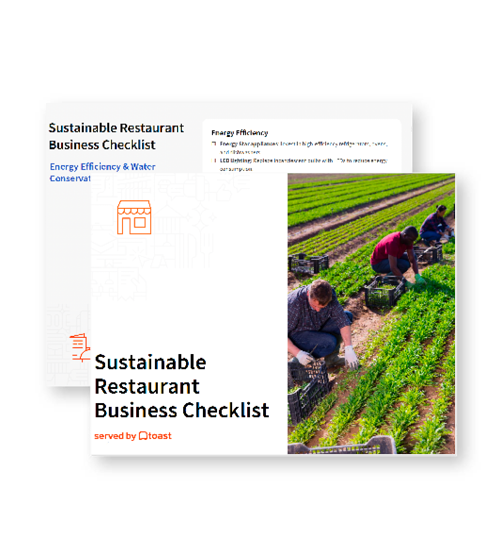
 Sustainable Restaurant Business Checklist
Use this free checklist to help your restaurant run efficiently while minimizing its environmental impact.
免费下载In today's culinary landscape, farm-to-table dining has evolved from a trend to a fundamental approach that celebrates freshness, sustainability, and community connection. In 2025, this philosophy is about shortening the distance between where food is grown and where it’s served — creating menus that not only tantalize taste buds but also support local economies and reduce environmental impact. According to the National Restaurant Association, 76% of adults say they are more likely to visit a restaurant that offers locally sourced food, highlighting the growing demand for transparency and regional sourcing in modern dining.
菜单工程课程
参加本课程,充分发挥菜单的作用。学习菜单心理学与设计、在线菜单管理,以及如何调整菜单以提升销售额。

What defines a farm-to-table menu
A farm-to-table restaurant sources ingredients locally through close partnerships with nearby farms, ranches, breweries, and other producers — offering fresh, seasonal meals while supporting the regional economy.
A philosophy rooted in place
Farm-to-table dining is more than a sourcing strategy — it’s a commitment to transparency and connection. By collaborating with local wineries, ranches, fisheries, and farms, restaurants create menus that reflect their region’s harvest. This approach invites diners to trace the journey of their meal and deepen their appreciation for how it's grown, raised, or produced.
Relationships that matter
At its core, farm-to-table restaurants believe that where your food comes from is as important as what you eat, championing the ideology of "know your farmer, know your food." This philosophy drives restaurant owners to forge meaningful relationships with local producers, ensuring ingredients maintain optimal freshness and nutritional value.
Taste, nutrition, and sustainability
The benefits extend beyond just taste. Farm-to-table menus typically feature ingredients that haven't traveled thousands of miles, meaning they're harvested at peak ripeness rather than being picked early to survive long transportation journeys. This results in food that's not only more flavorful but also more nutritious and environmentally sustainable.
Seasonal adaptation: The cornerstone of farm-to-table menus
Unlike conventional restaurants with static offerings, farm-to-table establishments embrace menu evolution that follows nature's calendar.
Nature’s calendar — guided by the harvest
Seasonal menus may be more environmentally and cost-friendly, as restaurants won't have to pay more to source out-of-season ingredients from faraway places. This approach not only reduces the carbon footprint associated with food transportation but also ensures diners experience ingredients at their peak quality.
A fresh menu every season
Every three months, many farm-to-table restaurants update their menus to celebrate the new flavors that accompany the change in seasons. This perpetual renewal process keeps dining experiences fresh and exciting, encouraging repeat visits from customers eager to discover the latest seasonal creations.
Spring 2025: Celebrating the season's bounty
As we embrace spring 2025, farm-to-table restaurants are showcasing the vibrant flavors of this rejuvenating season.
A shift toward lighter, plant-based fare
Spring ingredients offer an abundance of fresh, nutritious produce that can be transformed into delicious plant-based dishes, perfect for health-conscious diners seeking lighter fare after winter's hearty meals.
Botanical flavors and seasonal creativity
Chefs are blending botanical flavors with fresh spring ingredients like rhubarb, peas, fava beans, and citrus for refreshing seasonal dishes. These ingredient combinations not only deliver exceptional taste but also create Instagram-worthy presentations that drive social media engagement and attract new customers.
Microgreens and functional food trends
Spring menus feature microgreens and sprouts, which add nutritional density and concentrated flavor to dishes. These nutrient-packed greens have become increasingly popular among health-conscious diners and represent the growing consumer demand for functional foods that offer both culinary enjoyment and nutritional benefits.
Technology's role in modern farm-to-table operations
Today's farm-to-table restaurants are leveraging technology to enhance their operations while staying true to their traditional values.
Smarter tools for better margins
With tools like xtraChef, restaurants can easily determine profit margins and access sales data to find optimal pricing for seasonal dishes, helping mitigate the impact of rising food costs while maintaining profitability.
Flexible POS systems for dynamic menus
Point of sale (POS) systems designed specifically for restaurants allow for easy menu modifications, both for in-restaurant and online orders. This flexibility is crucial for farm-to-table establishments that need to make frequent menu adjustments based on ingredient availability and seasonality.
Streamlined operations with Toast
Toast POS helps restaurants simplify operations and create a seamless guest experience, allowing staff to focus more on hospitality and less on administrative tasks. This technological support enables farm-to-table restaurants to maintain their commitment to quality and sustainability while running efficient, profitable businesses.
Building relationships with local producers
The foundation of any successful farm-to-table menu is strong relationships with local food producers.
Sourcing starts with trust
Farm-to-table restaurants typically work with numerous local farmers to source the freshest and highest quality products available, often visiting farms personally to understand growing practices and harvest schedules. As Nick Strawhecker, chef and owner of Dante in Omaha, Nebraska, shared, “The local farmers markets are a good place to start. Walk around and talk to the producers. Tell them what you are doing and ask them what they are good at and enjoy growing.” This boots-on-the-ground approach helps foster real relationships built on mutual respect and shared goals.
Planning ahead with the harvest in mind
Establishing strong connections with local farms helps restaurant owners understand anticipated harvest timelines, ensuring a steady supply of fresh ingredients throughout the year. This collaborative approach not only supports local agriculture but also strengthens the farm-to-table ethos that customers value.
Seasonal menus begin with supplier conversations
When implementing a farm-to-table concept, it's recommended to plan four menus — one for each season — after consulting with suppliers. These conversations provide invaluable insights into what ingredients will be available and in what quantities, allowing chefs to plan their seasonal offerings with confidence.
Menu engineering for success
Creating a profitable farm-to-table menu requires careful planning and strategic pricing.
Sustainability as a selling point
According to the latest research from Datassential, 90% of consumers say sustainability matters to them, with Gen Z diners ranking natural, organic, and sustainable items as highly important. This consumer preference creates an opportunity for restaurants to command premium prices for dishes featuring high-quality local ingredients.
Seasonal ingredients, smart cost control
Seasonal foods help keep costs down while offering dishes that diners crave at specific times of the year. By combining sustainability efforts with seasonal menus, restaurants can provide tailored dining experiences that keep loyal customers returning and spreading the word about their offerings.
Quality drives loyalty
According to a 2022 study, 68% of diners rank food quality as the most important factor when deciding where to dine. Farm-to-table restaurants that consistently deliver exceptional quality through fresh, local ingredients create a compelling value proposition that resonates with quality-conscious consumers.
Marketing your farm-to-table concept
Effectively communicating your farm-to-table philosophy is crucial for attracting and retaining customers who share your values.
Promote your values with transparency
Restaurants can highlight eco-friendly practices to appeal to environmentally conscious consumers through website content, social media, and in-restaurant signage.
Make the most of social media
Social media campaigns, particularly on Instagram, TikTok, and Facebook, with engaging content such as behind-the-scenes looks at farm visits or user-generated content challenges can build brand awareness and customer engagement. These platforms offer the perfect opportunity to showcase the visual appeal of farm-fresh ingredients and finished dishes.
Credit your sources
When sourcing locally, it's generally good practice to credit your sources on your menu. This transparency not only builds trust with customers but also supports your suppliers by increasing their visibility and potentially connecting them with new business opportunities.
Challenges and considerations
While farm-to-table menus offer numerous benefits, they also present unique challenges for restaurant operators.
The unpredictability of farming
Farms are, by nature, seasonal operations, which means restaurants must be prepared to make last-minute menu changes if a crop is lost or damaged. This requires flexibility and creativity from kitchen staff who must adapt to unexpected ingredient shortages.
Navigating industry pressures
With rising food costs, policy shifts, and ongoing labor challenges putting pressure on the industry, seasonal ingredients remain a chef's best ally. By focusing on what's locally abundant and in season, restaurants can mitigate some financial pressures while still delivering exceptional dining experiences.
Long-term payoff
Though starting a farm-to-table restaurant takes time, energy, and prep work, the payoff can be amazing. The investment in building strong supplier relationships and creating flexible, seasonal menus ultimately yields a distinctive culinary identity that can set your restaurant apart in a competitive market.
Notable farm-to-table success stories
Several restaurants have become exemplars of the farm-to-table movement, demonstrating how this philosophy can translate into successful business models.
Blue Hill at Stone Barns — Hudson Valley, NY
Blue Hill at Stone Barns, a Michelin Star farm-to-table restaurant in the Hudson Valley, brings in rotating chefs who prepare unique tasting menus featuring in-season, fresh, and local ingredients. This approach keeps their offerings fresh and exciting while showcasing the region's agricultural bounty.
Malibu Farm — California
Malibu Farm in California sources produce, meat, and seafood from local farms, markets, and fisheries, emphasizing sustainability and transparency. Their commitment to these values has resonated with diners, contributing to their popularity and success.
Odd Duck — Austin, TX
Odd Duck in Austin, Texas, operates as a seasonal farm-to-table restaurant with a menu fully sourced locally. The restaurant prides itself on strong relationships with local farmers, sustainable business practices, and unique dishes that showcase the best of Texas agriculture.
Sustainability as a core value
The farm-to-table movement aligns perfectly with growing consumer interest in sustainable dining options.
Kitchen innovation meets environmental impact
Whole-ingredient cooking
Whole-ingredient cooking — using beet tops for sauces, radish greens in soups, and citrus peels in infused syrups — minimizes waste while maximizing flavor. These practices not only support environmental sustainability but also help restaurants control costs by utilizing every part of their premium ingredients.
Preserving the season
Preserving seasonal flavors through techniques like pickling, fermenting, and making shrubs extends the availability of seasonal ingredients, allowing chefs to incorporate distinctive seasonal tastes throughout the year while reducing food waste.
Consumer preferences driving change
Understanding evolving consumer preferences is crucial for farm-to-table restaurants seeking to remain relevant and appealing.
Health-conscious and sustainability-focused
Diner preferences are shifting, with millennials and Gen Z leading the way toward healthier foods, sustainable options, adventurous flavors, and a touch of nostalgia. Farm-to-table menus are well-positioned to address these preferences through their natural emphasis on quality, sustainability, and seasonal creativity.
Gen Z and the rise of flexitarian eating
Gen Z is focused on sustainability, health, and wellness, and their food choices are more likely than any previous generation to embrace flexitarian eating habits. This demographic trend supports the continued growth of farm-to-table dining, which often features plant-forward dishes that align with flexitarian preferences.
Toast reports that 71% of restaurant-goers ages 20-29 actively seek out restaurants that prioritize health-conscious choices. Additionally, 33% of guests find it very important for restaurants to offer healthy options, and another 41% find it somewhat important. This data underscores the significant market opportunity for farm-to-table concepts that naturally emphasize fresh, nutritious ingredients.
Looking ahead: The future of farm-to-table
Value-driven dining in a high-cost era
The farm-to-table movement continues to evolve, adapting to new challenges and opportunities in the restaurant industry. With grocery store prices estimated to increase 3.2% this year on top of the nearly 25% increase since 2020, consumers are increasingly interested in value-driven dining experiences. Farm-to-table restaurants that effectively communicate the value proposition of their fresh, local ingredients can thrive despite these economic pressures.
Ingredient transparency on the rise
According to Technomic, the restaurant industry will see more menu items with greater emphasis on ingredient origins and specifications in the coming years. Vague menu descriptors are giving way to transparent listings that specify not just the ingredient but its variety, origin, and production methods — information that farm-to-table restaurants are uniquely positioned to provide.
Tech + human touch
Digital evolution with a human touch is emerging as a key opportunity, as operators find ways to leverage technology while maintaining personal connections. This balanced approach allows farm-to-table restaurants to enhance operational efficiency without sacrificing the authentic, community-focused experience that defines their brand identity.
FAQ about farm-to-table menus
What exactly does "farm-to-table" mean?
Farm-to-table refers to a restaurant that sources its food locally, usually through direct partnerships with local farms, ranches, breweries, or other food producers. The movement promotes fresh produce, healthy meals, and supports the local economy by bringing food directly from farms to dining tables.
Why are farm-to-table menus typically more expensive?
Farm-to-table restaurants often charge premium prices because they source high-quality ingredients from small local producers who use sustainable farming practices. These practices typically yield superior products but at higher costs than industrial farming. Additionally, seasonal ingredients and small-batch production don't benefit from the economies of scale that mass-produced foods enjoy.
How do farm-to-table restaurants handle seasonal limitations?
Farm-to-table restaurants typically plan four seasonal menus after consulting with their suppliers. They also employ preservation techniques like pickling, fermenting, and freezing to extend the availability of seasonal ingredients. Many also maintain flexible menus that can be adjusted based on ingredient availability.
Are all ingredients in a farm-to-table restaurant locally sourced?
Often, restaurants cannot source all the food they need for dishes locally, so only some dishes or ingredients are labeled as local. Most farm-to-table restaurants prioritize local sourcing but may supplement with non-local ingredients when necessary, especially for items that cannot be grown in their region.
How can I verify that a restaurant is truly farm-to-table?
Look for transparency in menu descriptions that name specific farms or producers. Ask servers about ingredient sources — knowledgeable staff at genuine farm-to-table restaurants can typically provide details about where ingredients come from. Check the restaurant's website and social media for evidence of relationships with local producers, such as farm visits or producer profiles.
What environmental benefits do farm-to-table restaurants offer?
Farm-to-table menus rely on regionally-sourced ingredients, which supports local farmers and reduces the major fossil fuel consumption associated with importing ingredients from outside the country. Additionally, these restaurants often partner with farms using sustainable growing practices, further reducing environmental impact.
Final thoughts
By embracing the farm-to-table philosophy, restaurants create meaningful connections between diners, producers, and the land itself. As we move through 2025, this approach continues to resonate with consumers seeking authentic, sustainable dining experiences that nourish both body and community. Whether you're a restaurant owner looking to implement this concept or a diner seeking more mindful eating options, the farm-to-table movement offers a delicious path forward that honors both culinary tradition and innovation.
As menus continue to evolve with the seasons, the farm-to-table movement reminds us that sustainability isn't a limitation — it's a creative opportunity. With every new harvest comes the chance to deepen connections, delight guests, and redefine what it means to dine well.
这篇文章有帮助吗?
免责声明:此信息仅作为一般性参考,发布并不构成认可。Toast 不保证本内容中包含的任何信息、文本、图形、链接或其他项目的准确性或完整性。Toast 不保证如果您遵循本文的任何建议,就能取得任何特定结果。您可能需要咨询专业人士,如律师、会计师或商业顾问,以获取针对您情况的具体建议。
 趋势
趋势
