What Are the Best Restaurant Subscription Ideas?
Restaurant subscriptions are changing how guests stay loyal. Explore creative ideas to boost revenue, build community, and keep diners coming back.
作者
 资源
资源 Running a restaurant means juggling a lot of unknowns—but subscriptions help take some of the guesswork out. They bring in steady revenue, build loyal fans, and make it easier to plan for the weeks ahead.
“The program keeps growing every month… We get the orders well in advance for ordering and prep, so it’s easy to plan for our kitchen,” says Heather Bublick, co-owner of Soul & Smoke in Evanston, Illinois. The restaurant’s Meat of the Month subscription offers members a fully prepared takeout meal.
From coffee clubs to chef’s table nights, there are endless ways to make a subscription work for your restaurant. Here are ten ideas to help you get started.
Key takeaways
Restaurant subscriptions create steady revenue and help restaurants plan more efficiently.
There’s a subscription model for every concept, from daily coffee passes to high-end tasting experiences.
Guests love programs that mix convenience, value, and a sense of exclusivity.
Starting small makes it easier to refine what works before scaling up.
Creative, well-managed subscriptions keep guests engaged and coming back for more.
餐厅营销计划
使用这份可定制的营销手册模板和互动日历,制作一份能促顾客户反复光顾的营销计划。

1. Coffee or beverage subscriptions
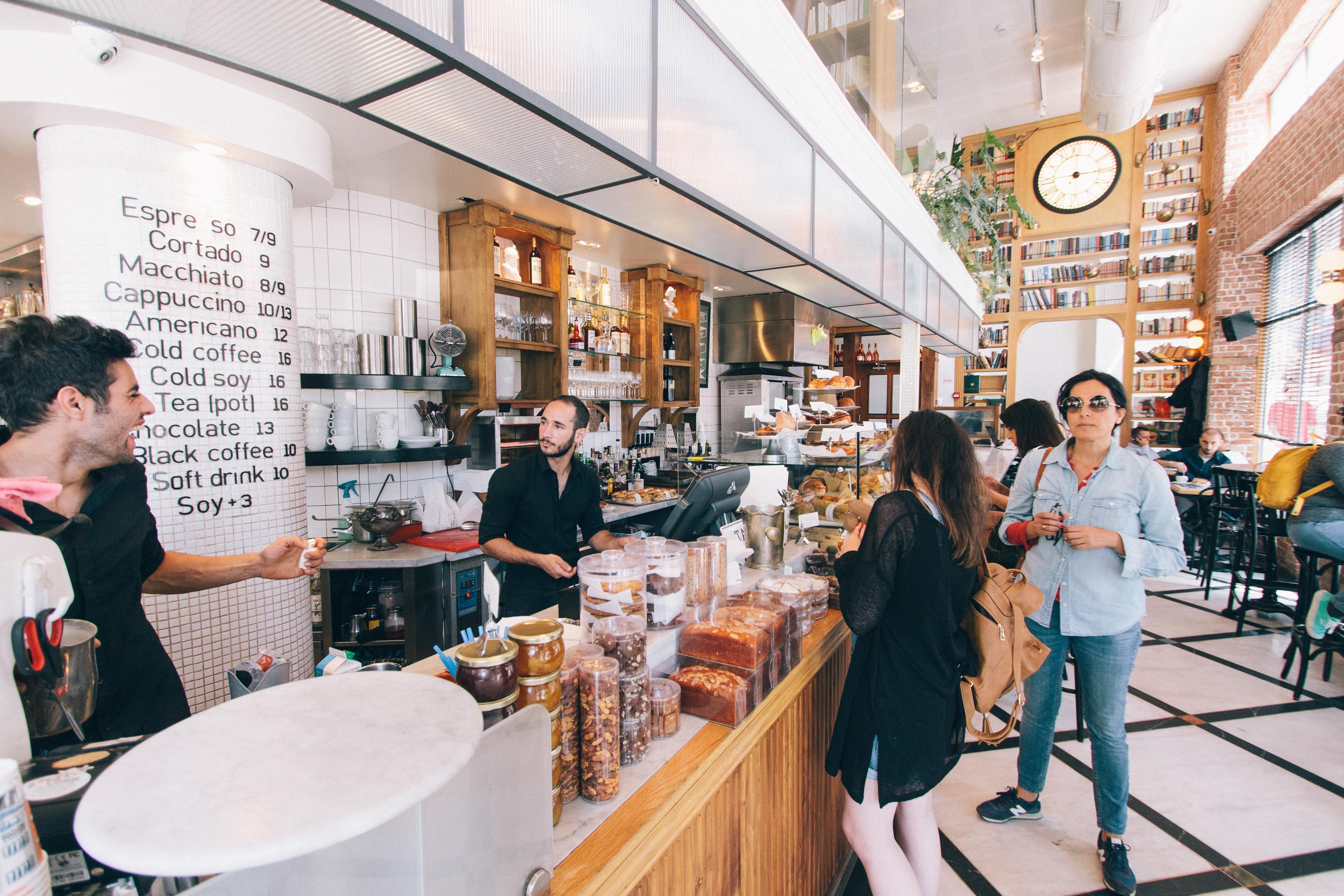
Beverage plans are one of the easiest restaurant subscriptions to launch—and one of the most effective for driving repeat visits. Perfect for cafes, diners, and quick-service spots with strong morning or midday traffic.
Ideas
Offer unlimited or tiered drink plans (e.g., one coffee a day or unlimited refills).
Include tea, smoothies, or soft drinks to broaden appeal.
Use your POS to track usage and promote new menu items.
Pros
Builds daily habits and brand loyalty.
Predictable recurring revenue.
Easy to manage with minimal food cost.
Cons
Requires consistent product quality to keep members happy.
Can cause bottlenecks during rush hours if not well-managed.
2. Lunch club memberships
Lunch subscriptions turn casual visitors into weekday regulars. They’re ideal for restaurants in business districts or college towns where convenience and consistency matter.
Ideas
Offer prepaid weekly or monthly lunch passes.
Include rotating menu options to keep things fresh.
Pair with online ordering or mobile pickup for speed.
Pros
Encourages repeat business and steady midday traffic.
Simplifies forecasting for ingredients and staffing.
Appeals to busy professionals and students.
Cons
Works best with predictable volume and efficient operations.
May need careful portion control to protect margins.
3. Family meal or dinner kits
Family meal subscriptions make weeknights easier for guests while driving steady takeout and delivery sales for restaurants. They’re ideal for casual concepts, barbecue joints, or family-friendly spots looking to build routine traffic.
Ideas
Offer weekly bundles with entrées, sides, and desserts that serve 2–4 people.
Rotate themes (e.g., Taco Tuesday, Pasta Night) to keep things fun and seasonal.
Provide ready-to-heat or mix-and-match options for flexibility.
Pros
Increases order size and consistency.
Great for boosting off-peak revenue, especially early evenings.
Strengthens brand connection through convenience and reliability.
Cons
Requires solid packaging and portioning systems.
Can add complexity for kitchens during dinner rush.
4. VIP tasting or chef’s table experiences
Exclusive tasting subscriptions turn regulars into superfans. They work best for upscale restaurants or chef-driven concepts where diners crave something special and personal.
Ideas
Offer monthly tasting menus, wine pairings, or chef’s table events.
Provide members early access to menu launches or seasonal dishes.
Add exclusive perks like signed menus or behind-the-scenes experiences.
Pros
Builds high-value relationships with your biggest fans.
Generates buzz and social media visibility.
Great for showcasing creativity and brand identity.
Cons
Requires coordination and premium ingredients.
Limited scalability—works best as a niche, high-end offering.
5. Loyalty plus memberships
A paid “Loyalty Plus” tier rewards your most dedicated guests while creating a new revenue stream. It’s perfect for restaurants that already have an engaged customer base or digital loyalty program.
Ideas
Offer exclusive perks like free delivery, priority reservations, or bonus reward points.
Create members-only discounts, early access to specials, or invite-only events.
Use your POS or CRM system to track engagement and tailor offers.
Pros
Turns casual guests into long-term regulars.
Provides predictable monthly income.
Strengthens brand loyalty and customer retention.
Cons
Works best for restaurants with existing repeat traffic.
Requires consistent communication to remind members of value.
6. Wine or cocktail subscriptions
A beverage club can elevate your brand and give guests a reason to celebrate every month. Ideal for upscale restaurants, bars, or concepts with a strong beverage program.
Ideas
Curate monthly bottles of wine, cocktail kits, or spirit flights.
Pair drinks with small bites, tasting notes, or recipes for a complete experience.
Offer local pickup or partner with delivery services for convenience.
Pros
Builds excitement and community around your beverage program.
Great for upselling and introducing new menu items.
Can align with holidays, seasons, or events for easy marketing.
Cons
May require additional licensing for alcohol delivery.
Inventory tracking and compliance can add complexity.
7. Seasonal menu boxes or “taste of the month”
Seasonal boxes keep your menu top of mind and your guests curious about what’s next. These subscriptions work especially well for bakeries, cafes, or chef-driven restaurants with rotating specials.
Ideas
Feature limited-edition dishes, desserts, or local ingredients each month.
Offer themed boxes tied to seasons or holidays.
Include a handwritten note or behind-the-scenes story from your chef to make it personal.
Pros
Encourages repeat engagement and anticipation.
Great for testing new menu items before adding them permanently.
Builds emotional connection with your brand through storytelling.
Cons
Requires careful planning to maintain quality and variety.
Can lead to waste if inventory isn’t managed closely.
8. Pantry or merch subscriptions
Pantry or merch boxes extend your restaurant’s brand beyond the dining room. They’re ideal for restaurants with signature sauces, spices, or fan-favorite staples customers crave at home.
Ideas
Ship items like sauces, coffee beans, condiments, or spice blends.
Include branded merch like mugs, aprons, or tote bags for extra flair.
Offer seasonal drops or limited editions to drive urgency.
Pros
Builds passive income and brand loyalty.
Promotes your restaurant even when guests aren’t dining in.
Perfect for pairing with online storefronts or eCommerce integrations.
Cons
Requires packaging, shipping logistics, and product storage.
Margins can be lower without scale or strong fulfillment partners.
9. Brunch or happy hour Passes
Everyone loves a good brunch or happy hour, and turning those into exclusive, member-only experiences can build serious buzz. These subscriptions work great for restaurants with strong weekend or bar programs.
Ideas
Offer early access to reservations or member-only seating blocks.
Include perks like discounted cocktails, appetizers, or live entertainment.
Rotate seasonal menus or themed events to keep things fresh.
Pros
Encourages repeat visits during profitable times.
Builds community and excitement around recurring events.
Great marketing tool for social media and word of mouth.
Cons
Limited capacity may restrict scalability.
Requires consistent event quality to retain members.
10. Community giveback subscriptions
Give customers a way to do good while dining well. A community-based subscription adds purpose to your program and strengthens local connections.
Ideas
Donate a portion of each subscription to a local food bank or nonprofit.
Host quarterly volunteer events or charity dinners for members.
Let subscribers vote on which causes to support each month.
Pros
Builds goodwill and strengthens your brand’s community reputation.
Appeals to values-driven diners.
Can generate positive local press and social content.
Cons
Profit margins are lower due to donations.
Requires transparency and follow-through to maintain trust.
Commitment — but make it edible
Restaurant subscriptions are a smart way to deepen guest relationships, smooth out revenue, and keep your brand top of mind. They work at every level—from Michelin-starred spots like Gravitas, which keeps takeout demand alive through its Supper Club, to major chains like P.F. Chang’s, which uses subscriptions to bring guests back more often.
Of course, not every experiment sticks (just ask On the Border’s short-lived Queso Club). But even those trials show how much potential there is in the model. Start small, test what fits your concept, and grow from there.
With a little creativity and the right tools, a great subscription program can keep your guests coming back long after their first bite.
The Guide to Restaurant Sales
In this Guide to Restaurant Sales, you’ll learn the metrics you need to measure to understand the financial health of your restaurant. Plus, you’ll get tons of great ideas that’ll help you learn how to improve sales in your restaurant.
FAQ
What percentage of restaurant customers are interested in subscriptions?
Interest is strong across younger generations — most Gen Z, millennial, and Gen X diners say they’d likely join a meal subscription program. Baby boomers are less enthusiastic but still open to the idea.
How much should a restaurant subscription cost?
It depends on your concept. Many restaurants find success with affordable monthly tiers — enough to feel like a deal for guests while still covering your costs and driving repeat visits.
Do restaurant subscriptions actually increase revenue?
Yes. Subscriptions provide steady, predictable income and encourage regular visits. They also strengthen customer loyalty and make sales easier to forecast.
What’s the biggest challenge with restaurant subscriptions?
Keeping subscribers engaged. Programs need to deliver consistent value — whether that’s savings, perks, or new menu experiences — to avoid cancellations.
Can small restaurants offer subscriptions?
Absolutely. In fact, smaller spots can thrive with local or niche programs, like coffee passes, family meal kits, or VIP tasting nights. Start simple and scale what works.


这篇文章有帮助吗?
免责声明:此信息仅作为一般性参考,发布并不构成认可。Toast 不保证本内容中包含的任何信息、文本、图形、链接或其他项目的准确性或完整性。Toast 不保证如果您遵循本文的任何建议,就能取得任何特定结果。您可能需要咨询专业人士,如律师、会计师或商业顾问,以获取针对您情况的具体建议。
 趋势
趋势