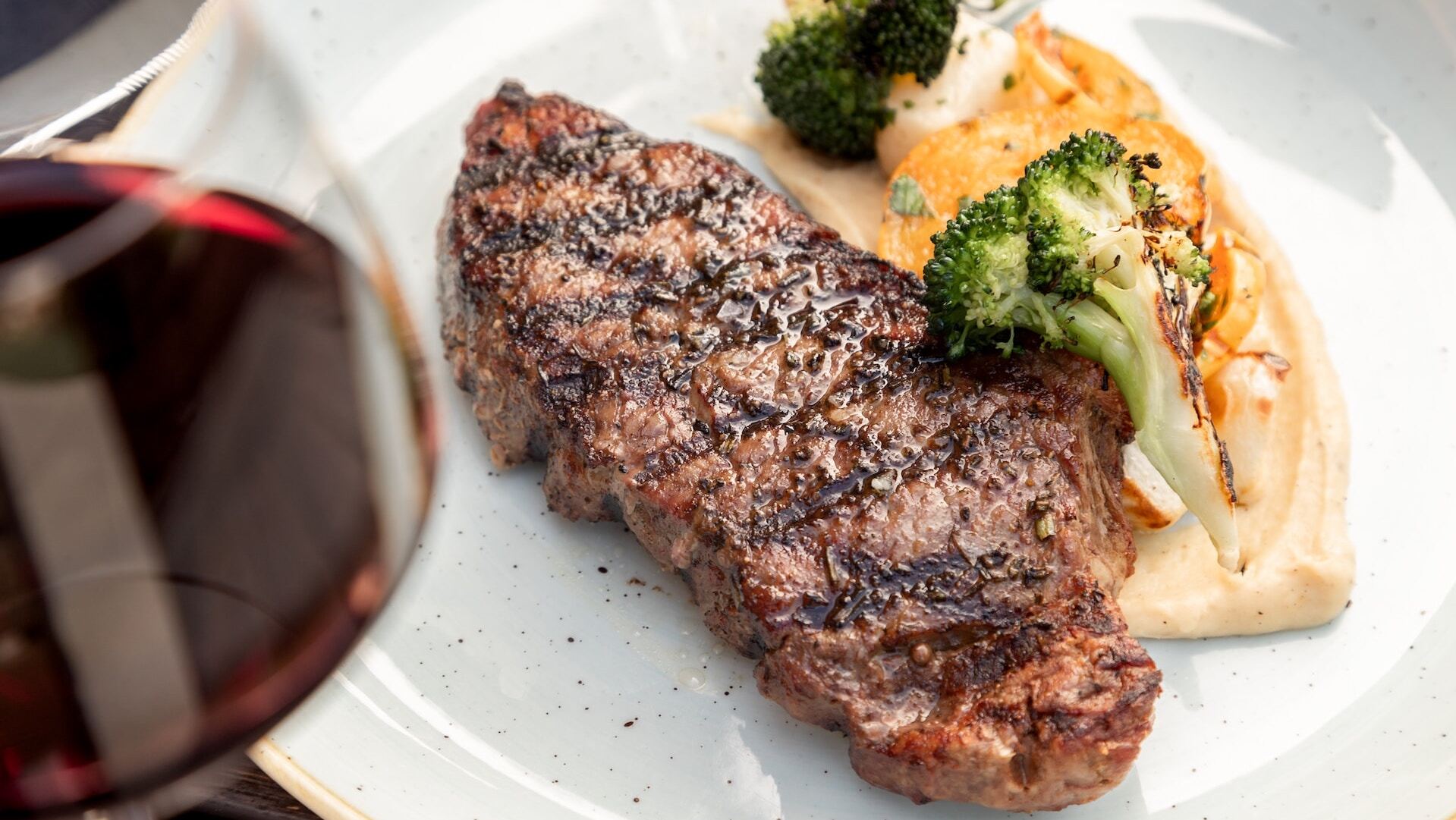
7 Best Cuts of Steak & How To Choose The Right One
Choosing the right type of steak can make or break your meal. Discover the best cuts of steak and how to choose the right one for you.

作者
 RESOURCE
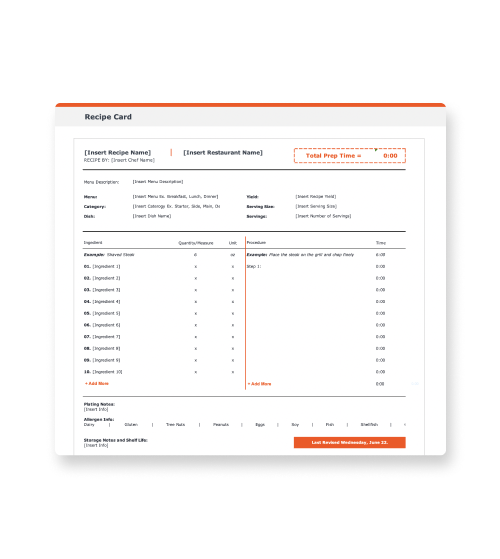
 Recipe Card Template
Train your team with this recipe card template, a customizable Excel sheet that outlines recipe requirements for chefs and back of house staff.
免费下载Steak might just be the ultimate crowd-pleaser, but not all cuts are created equal. Some are buttery tender, others are packed with bold, beefy flavor, and a few strike the perfect balance of both. Choosing the right cut comes down to what you’re cooking, who you’re cooking for, and how much you want to spend.
Whether you’re planning a special occasion dinner or launching your own steakhouse, knowing your way around the most popular cuts of steak makes ordering — or cooking — a whole lot easier.
Key takeaways
Different cuts of steak offer unique balances of tenderness, flavor, and leanness — there’s no single “best” cut.
Ribeye is the go-to for rich flavor, filet mignon wins on tenderness, and sirloin or flank shine for affordable, everyday meals.
Cooking methods matter: marbled cuts thrive on high heat, while leaner cuts benefit from marinating and quick cooking.
Price and portion size are key considerations — some cuts are better for individual servings, while larger steaks like porterhouse are perfect for sharing.
Knowing the strengths of each cut helps you pick with confidence, whether for a backyard grill, a weeknight dinner, or a special occasion.
Recipe Card Template
Train your team with this recipe card template, a customizable Excel sheet that outlines recipe requirements for chefs and back of house staff.

7 best cuts of steak
From luxurious filets to affordable sirloins, each cut has its own flavor, texture, and best use case. Here are seven of the most popular cuts of steak and what makes each one stand out.
1. Ribeye
Ribeye is a steakhouse favorite thanks to its rich marbling and bold flavor. Cut from the rib section of the cow, it’s juicy, tender, and loaded with beefy taste. Ribeye is best enjoyed grilled or pan-seared to medium or medium-rare, letting the fat melt and infuse the meat. It’s a go-to for special occasions or indulgent dinners where flavor is the star.
2. Filet mignon (tenderloin)
Filet mignon comes from the tenderloin, the least-worked muscle on the cow — which makes it the most tender cut of steak. It’s buttery soft, lean, and has a mild flavor compared to fattier cuts like ribeye.
Because of its small size and delicate texture, it’s often reserved for fine dining or celebratory meals. Filet mignon is usually cooked quickly over high heat and served medium-rare to preserve its tenderness. As butcher Rosangela Teodoro, owner of Teodora’s Boucherie Gourmande, explains:
“Filet mignon is the most tender and lean meat in the cow. It is a very protective muscle that gets minimal activity. There is just one simple texture profile in the filets which makes a preference for those who like a more non-fatty, mild, slightly sweet and velvety refined taste eating experience.”
3. New York strip (striploin)
The New York strip, also called a striploin, strikes a balance between tenderness and flavor. It’s cut from the short loin, located behind the ribs, and has less marbling than ribeye but more chew than filet. This makes it a classic all-around steakhouse cut: hearty enough to satisfy, but still tender and flavorful. It’s great for grilling, pan-searing, or broiling.
4. T-bone and porterhouse
These iconic steaks come with two cuts in one: tenderloin on one side of the bone and strip steak on the other. The porterhouse is cut further back on the short loin, so it contains more tenderloin than the T-bone, but both are generous, show-stopping cuts. They’re perfect for sharing or for special steakhouse-style meals. Because of their size, they do best when seared and then finished in the oven.
5. Sirloin
Sirloin is a versatile, affordable cut that delivers a lot of value. It’s leaner and firmer than ribeye or strip, but still flavorful and tender when cooked properly. Sirloin is a great choice for everyday cooking or meal prep because it’s budget-friendly and adapts well to grilling, broiling, or pan-searing. Chef Barry Miles, senior strategic account chef for Cargill, points out that location matters:
“Cuts in the middle of the animal, such as middle meats and around the sirloin area, don’t have as much connective tissue, which means they are perfectly suited for grilling.”
6. Flank and skirt
Both flank and skirt steak are long, thin cuts with a big beefy flavor. They have more connective tissue, which makes them less tender, but when marinated and cooked quickly over high heat, they shine. These cuts are perfect for tacos, fajitas, stir-fries, or salads — anything that benefits from slicing the steak thinly against the grain.
7. Flat iron, hanger, and other rising stars
Cuts like flat iron and hanger used to fly under the radar, but they’ve gained popularity for their intense flavor and relative affordability. Flat iron is especially tender and well-marbled, while hanger (sometimes called “the butcher’s steak”) has a rich, almost gamey flavor. These cuts are great for grilling or pan-searing and make excellent alternatives to pricier steaks.
How to choose the best cut for you
Finding the right steak depends on what you value most — from flavor and tenderness to price and cooking method. Here’s a breakdown of the key factors to consider.
Cooking method
How you cook a steak can matter just as much as which cut you choose. Well-marbled steaks like ribeye and strip are perfect for grilling or pan-searing at high heat.
Leaner cuts like skirt, flank, or sirloin benefit from marinating and quick cooking to stay tender. Large cuts like porterhouse do well with a sear-then-oven method. As Katie Flannery, COO at Flannery Beef, explains:
“A steak is never just a steak. And when it comes to picking the best cut, well, that’s up for debate. The most important thing is how you’re cooking it, followed by personal preference.”
Flavor, tenderness, and leanness
Every cut has a different balance. Ribeye is prized for its rich marbling, which gives it a bold flavor. Filet mignon is buttery soft, thanks to being one of the least-worked muscles. Sirloin and flank, on the other hand, are leaner — meaning they have less fat, fewer calories, but also a firmer texture.
Price considerations
Some cuts, like ribeye, filet, and porterhouse, are premium steaks and often come with a higher price tag. Leaner or less well-known cuts like sirloin, flat iron, and hanger tend to be more affordable while still delivering plenty of flavor.
Portion size and sharing
Some cuts are better suited for individuals, while others are made for sharing. A filet or strip is ideal for a single serving, while a porterhouse or T-bone offers a generous portion that can easily be split between two people.
Find a steak that’s a cut above the rest
The best cut of steak isn’t about finding one “winner” — it’s about matching the right cut to the right occasion. Ribeye offers indulgent richness, filet mignon brings tenderness for special meals, and leaner cuts like sirloin or flank keep weeknight dinners practical and flavorful.
What really matters is knowing the strengths of each cut — how they taste, how they cook, and how they fit your budget. Once you understand those differences, you can pick with confidence, whether you’re firing up the grill for a backyard cookout, visiting your local steakhouse, or just making a quick steak salad at home.
Frequently asked questions
What is the most tender cut of steak?
Filet mignon is widely considered the most tender cut. It comes from the tenderloin, a muscle that gets very little use, which gives it that buttery-soft texture.
Which steak has the most flavor?
Ribeye takes the crown for flavor thanks to its heavy marbling. As the fat melts during cooking, it infuses the meat with a rich, beefy taste.
What's the best steak for grilling?
Steaks with good marbling and thickness — like ribeye, New York strip, or T-bone — shine on the grill. Leaner cuts like flank or skirt also work great when marinated and cooked quickly over high heat.
How thick should a steak be?
A steak that’s about 1 to 1½ inches thick is ideal. It’s thick enough to build a nice crust on the outside while still keeping the inside juicy and tender.
What temperature should I cook steak to?
It depends on your preference: rare (120–125°F), medium-rare (130–135°F), medium (140–145°F), medium-well (150–155°F), and well-done (160°F+). Use a meat thermometer for accuracy — and remember steaks will continue to cook slightly as they rest.
这篇文章有帮助吗?
免责声明:此信息仅作为一般性参考,发布并不构成认可。Toast 不保证本内容中包含的任何信息、文本、图形、链接或其他项目的准确性或完整性。Toast 不保证如果您遵循本文的任何建议,就能取得任何特定结果。您可能需要咨询专业人士,如律师、会计师或商业顾问,以获取针对您情况的具体建议。
 趋势
趋势