Bar Cleaning Checklist: Daily, Weekly, & Monthly Hygiene Tasks
Good hygiene is a must for success in the bar industry. Use this bar cleaning checklist to stay on top of essential daily, weekly, and monthly tasks.
作者
 资源
资源 Cleanliness isn’t optional in the bar industry. According to a 2024 CDC report, nearly one in four people believe a restaurant meal has made them sick, yet only 8% actually report it. That means for every complaint you hear, there could be a dozen more silently walking out the door—and not coming back.
A simple bar cleaning checklist is one of the easiest ways to protect your guests, your staff, and your bottom line. From daily wipe-downs to monthly deep cleans, a clean bar keeps everything running smoothly—and keeps customers coming back.
Key takeaways
A clean bar isn’t just about appearances—it’s essential for guest safety, team efficiency, and staying compliant with health codes.
Breaking tasks into daily, weekly, and monthly routines helps staff stay on track and avoid missed spots.
Daily cleaning sets the tone for smooth shifts, while closing routines ensure a fresh start for the next day.
Weekly and monthly deep cleans prevent equipment breakdowns, pest issues, and sanitation violations.
The right tools—like labeled spray bottles, brushes, and gloves—make consistent cleaning easier and more effective.
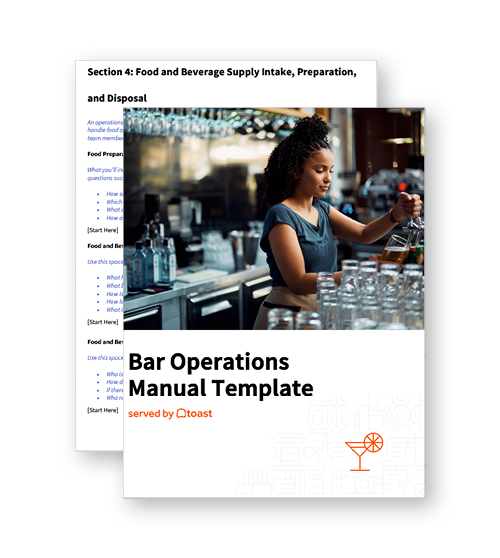
酒吧运营手册模板
使用这份免费模板,您可以轻松列出所有运营程序,并确保日常运营尽可能一致。

Daily bar cleaning checklist
Cleanliness is a team effort—and it starts with daily routines. From opening prep to mid-shift maintenance to end-of-day deep cleans, a consistent cleaning schedule keeps your bar running smoothly and up to code.
Opening tasks
The opening shift sets the tone for the entire day. A clean, organized bar at the start of service ensures staff can work efficiently, guests feel comfortable, and health standards are maintained from the moment doors open.
Wipe down all bar tops, tables, and stools.
Sanitize sinks, ice wells, and prep surfaces.
Restock clean glassware, garnishes, napkins, and straws.
Check and refill soap, paper towel, and sanitizer dispensers.
Ensure bar mats are clean and in place.
Confirm all bar tools (shakers, strainers, jiggers) are clean and organized.
Inspect under-bar storage for spills or sticky spots and wipe as needed.
Make sure trash and recycling bins are empty with fresh liners.
During shift tasks
Even in the middle of a busy shift, cleanliness matters. Staying on top of small messes and maintaining sanitized tools ensures fast service, keeps your workspace safe, and prevents buildup that can lead to bigger problems later.
Spot clean spills and sticky surfaces immediately.
Rinse and sanitize bar tools between uses as needed.
Wipe down high-touch areas like bar rails and POS screens.
Keep garnish trays covered and replace items that look wilted or old.
Empty trash and recycling if bins start to fill up.
Keep the floor behind the bar dry and free of debris.
Use a clean towel or rag—never reuse dirty ones for food prep areas.
Closing tasks
Closing time is your chance to reset the bar for the next shift. Cleaning at the end of the night prevents health hazards, extends the life of your equipment, and ensures the morning crew starts fresh.
Wash and sanitize all bar surfaces, including counters, shelves, and POS stations.
Deep clean bar tools, shakers, strainers, and bar mats.
Empty and sanitize ice wells, drip trays, and garnish containers.
Sweep and mop the floor behind and around the bar.
Take out trash and recycling; replace liners.
Run the glass washer or wash glassware using the three-compartment sink.
Wipe down liquor bottles and speed rails if sticky.
Restock napkins, straws, and clean glassware for the next shift.
Weekly bar cleaning checklist
Some tasks don’t need to be done every day, but if you skip them too long, they can quickly snowball into health code violations or equipment failures. A solid weekly routine tackles the grime that builds up in harder-to-reach spots and keeps your bar equipment performing at its best.
Schedule these tasks on slower days or assign them to specific team members to ensure nothing slips through the cracks.
Clean and flush beer tap lines (follow manufacturer or distributor guidelines).
Sanitize soda guns, nozzles, and diffusers.
Deep clean under-bar refrigeration units and check for expired items.
Wipe down and organize liquor shelves and bottle displays.
Polish brass, metal fixtures, and mirrors.
Clean shelving and cabinets beneath the bar.
Disinfect high-touch equipment like POS terminals and remotes.
Check for sticky residue on the floor under mats and give it a deep scrub.
Inspect garnishes, syrups, and mixers for freshness and expiration dates.
Monthly and deep cleaning tasks
Deep cleaning is key to maintaining a safe, functional bar that can pass inspections and handle heavy foot traffic. These monthly tasks cover areas that don’t get daily attention but can harbor bacteria, cause equipment failures, or attract pests if ignored.
Set a recurring reminder or assign rotating responsibilities to make sure these jobs actually get done.
Pull out and clean behind and beneath bar equipment (coolers, ice machines, shelving).
Descale ice machines and bar dishwashers.
Clean air vents, filters, and HVAC grates to improve airflow and reduce dust.
Conduct a thorough pest inspection and sanitize affected areas if needed.
Wash walls and baseboards behind the bar.
Disinfect and organize storage closets or dry goods areas.
Deep clean sinks and drains to prevent odors and clogs.
Review cleaning logs and replenish any low or missing supplies.
Inspect tools, mats, and equipment for wear and replace if needed.
Bar cleaning tools and supplies checklist
A clean bar is only as good as the tools behind it. Having the right cleaning supplies on hand—and clearly labeled—makes it easier for staff to stay consistent and efficient.
Sanitizer buckets and labeled spray bottles
Bar towels and microfiber cloths (consider color-coding for different tasks)
Mops, brooms, dustpans, and floor cleaner
Glasswasher or access to a three-compartment sink setup
Brushes for beer taps, soda guns, drains, and tight spaces
Disposable gloves and cleaning aprons
Squeegees for glass or stainless steel
Trash bags and recycling liners
Cleaning caddies or carts for organization
Pest control supplies (as needed, per health code guidance)
Shake, stir, sanitize
Keeping a bar clean isn’t just about appearances—it’s about staying compliant with health codes, making guests feel safe, and delivering the kind of experience that keeps them coming back. Whether it’s daily wipe-downs or monthly maintenance, assigning specific tasks to staff helps build accountability and consistency.
Print out your checklist, post it where the team can see it, and revisit it often. A spotless bar isn’t just a nice touch—it’s essential to running a successful bar.
FAQ
How often should bars be deep cleaned?
Bars should be deep cleaned at least once a month. This includes cleaning behind and under equipment, descaling ice machines, sanitizing storage areas, and checking for pests. Some high-traffic bars might consider bi-weekly deep cleans to stay ahead of wear and buildup.
What's the minimum temperature for sanitizing water?
The minimum temperature for hot water sanitizing is 171°F (77°C). Utensils and glassware should be fully immersed at this temperature for at least 30 seconds to be considered sanitized.
For handwashing, the FDA recommends a minimum water temperature of 85°F (29°C), in accordance with the Uniform Plumbing Code. Always follow local health department guidelines and manufacturer instructions for both chemical and hot water sanitizing procedures.
Can the three-compartment sink be used for other purposes?
The three-compartment sink should only be used for washing, rinsing, and sanitizing bar tools, glassware, and equipment. It should not be used for handwashing, dumping drinks, or prep work.
How often should beer lines be cleaned?
Beer lines should be cleaned at least every two weeks using a cleaning solution recommended by the manufacturer or distributor. Regular cleaning prevents buildup of yeast, mold, and bacteria, which can affect safety, flavor, and equipment performance.
What happens if a bar fails a health inspection?
If a bar fails a health inspection, it may face fines, a conditional rating, temporary closure, or even loss of license, depending on the severity of the violations. The bar must address the issues, undergo reinspection, and demonstrate compliance to resume normal operations.
这篇文章有帮助吗?
免责声明:此信息仅作为一般性参考,发布并不构成认可。Toast 不保证本内容中包含的任何信息、文本、图形、链接或其他项目的准确性或完整性。Toast 不保证如果您遵循本文的任何建议,就能取得任何特定结果。您可能需要咨询专业人士,如律师、会计师或商业顾问,以获取针对您情况的具体建议。
 趋势
趋势