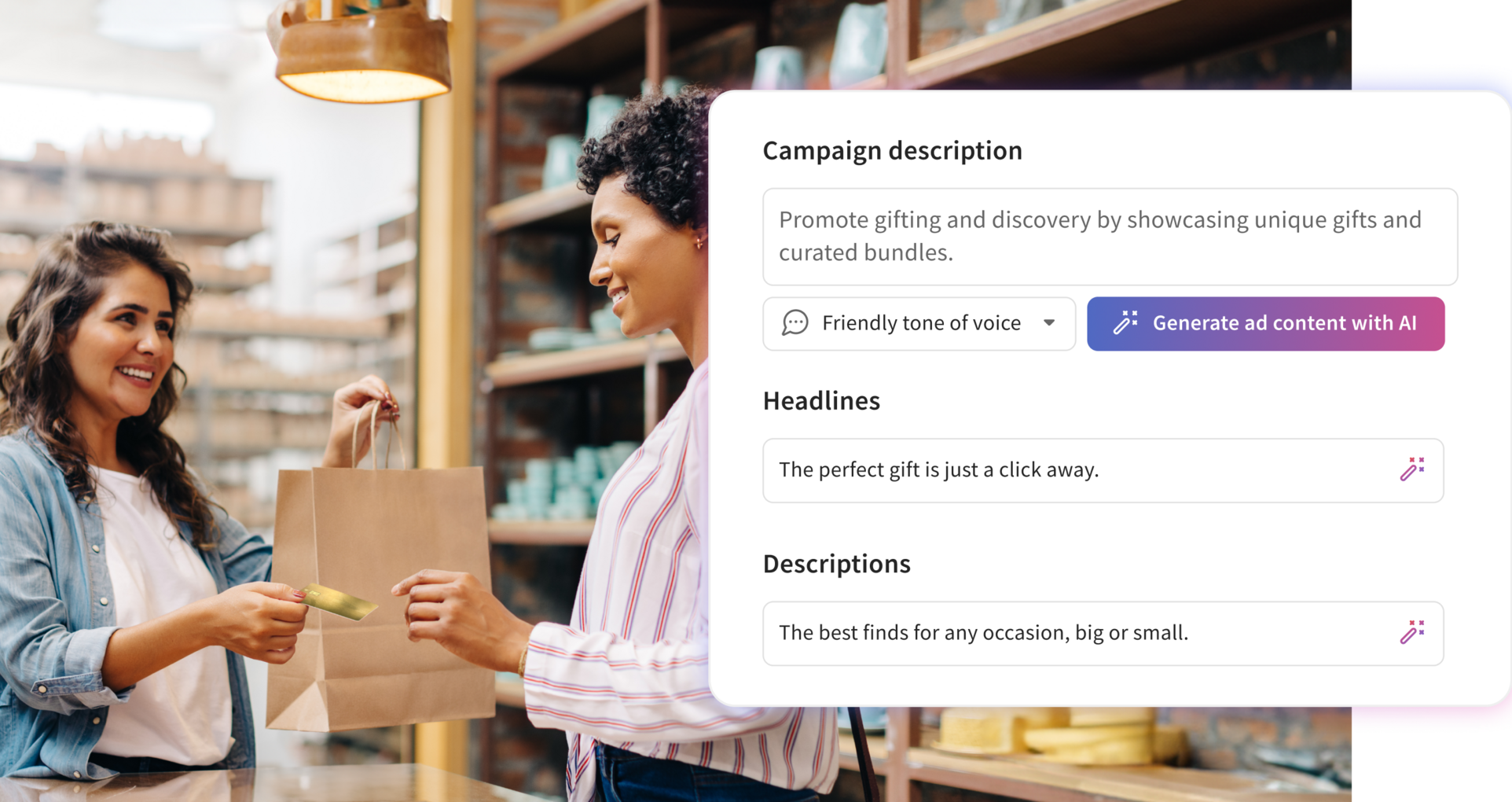
How AI Is Changing the Retail Industry: 5 Key Trends for 2026
Artificial intelligence is reshaping how retailers operate and engage customers. Discover key trends showing how AI is changing the retail industry.
作者

 RESOURCE
 Retail POS Comparison Tool
This customizable Retail POS Comparison Tool enables you to research, evaluate, and compare point of sale systems side by side in one Excel spreadsheet.
免费下载While early AI adoption focused on back-office tasks like demand forecasting and inventory management, retailers are now using AI in more visible ways—shaping how customers shop, discover products, and interact with brands.
From personalized recommendations and AI-powered assistants to new approaches to pricing, merchandising, and search, AI is influencing nearly every part of the retail experience.
In this article, we’ll explore how AI is changing the retail industry today, where retailers are seeing real impact, and what these shifts mean for the future of shopping and retail operations.
Key takeaways
AI is shifting from back-office retail functions to customer-facing experiences that shape how shoppers discover, evaluate, and buy products.
Most retailers are adopting AI through focused point solutions rather than sweeping transformations to reduce risk and show clear impact.
Organizational readiness, trust, and change management are major factors slowing AI adoption, not the technology itself.
AI-driven discovery and search are changing how shoppers find products, pushing brands to compete on relevance and credibility rather than ad spend.
Retailers that integrate AI thoughtfully—across data, content, and customer experience—are better positioned for long-term success.
Retail Branding Guide
This Retail Branding Guide will give you tips on how to create a brand that stands out, attracts customers, and drives repeat visits.

1. AI is moving from behind-the-scenes operations to customer-facing retail experiences
For years, AI in retail lived mostly behind the scenes—powering demand forecasting, inventory optimization, and supply chain planning. Today, that’s changing. Retailers are increasingly using AI in customer-facing tools that help shoppers discover products, make decisions, and complete purchases more easily.
How AI is showing up for shoppers
AI shopping assistants: Retailers like Walmart and Amazon are rolling out AI-powered assistants that help customers search for products, compare options, and find what they need faster.
Smarter fulfillment and availability: These tools connect directly to supply chain data, improving inventory accuracy and fulfillment speed.
AI-powered customer support: Williams-Sonoma expanded its AI customer service assistant across brands to resolve issues faster while reducing service costs.
Extended shopping experiences: Beyond support, brands are experimenting with tools like AI meal-planning assistants to add value after the purchase.
How AI is shaping merchandising and personalization
Data-driven product decisions: Fashion retailers like Stitch Fix use AI to guide design and merchandising choices, such as which colors or styles to stock.
Virtual try-on and visualization: Generative AI tools allow shoppers to see how outfits or products might look before buying.
Personalized beauty recommendations: Brands like Sephora combine AI assistants with AR tools to match products to individual skin tones and preferences.
Why it matters for retailers
Reduces operational costs while improving the customer experience.
Helps anticipate shopper needs earlier in the buying journey.
Increases confidence and conversion through personalization.
Creates new opportunities at the shopper interface, where search, discovery, and comparison happen.
2. AI is driving measurable gains through targeted, point-solution applications
Instead of deploying massive, all-in-one AI platforms, most retailers are adopting AI through focused point solutions. These tools target specific challenges—such as personalization, pricing, analytics, or merchandising—making it easier to see results without disrupting entire organizations.
Why retailers are choosing point solutions
Faster implementation with less organizational change.
Clear, measurable impact tied to specific business goals.
Lower risk compared to large, multi-department rollouts.
Examples of AI point solutions in retail
Personalized in-store experiences: Birdzi uses AI to analyze shopper behavior at the trip level, helping grocers deliver more relevant offers. The company reports increases in basket size, visit frequency, and customer retention.
Dynamic pricing and demand forecasting: Platforms like 7Learnings use machine learning to predict how customers will respond to different price points before changes go live. By combining sales data with external signals like weather and seasonality, retailers can better align pricing and marketing while reducing manual work.
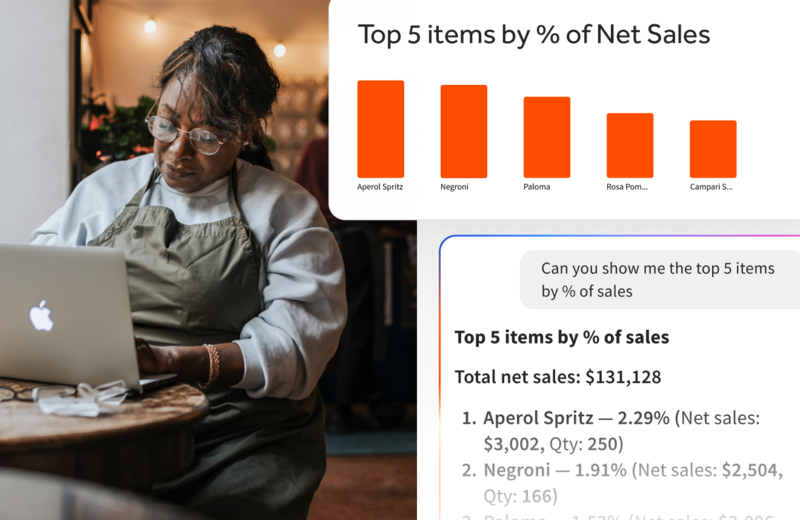
Faster analytics and insight generation: Lumi AI turns complex analytical workflows into simple natural language prompts, surfacing performance insights in seconds instead of hours or days.
First-party data activation: Brij helps brands transform warranty registrations, email signups, and other first-party data into personalized content and offers across the customer journey.
Why it matters for retail operations
Improves efficiency without overwhelming teams.
Supports higher conversion and smarter pricing decisions.
Makes personalization scalable without increasing manual effort.
3. Retail AI adoption is progressing gradually due to organizational and integration challenges
AI has the potential to transform nearly every part of retail, but adoption is happening gradually. Implementing AI isn’t just a technical shift—it changes how teams work, make decisions, and trust automated systems. That level of disruption makes it difficult for retailers to roll out multiple AI tools at once.
Why AI adoption takes time in retail
Organizational change: Teams must adjust workflows and decision-making processes to work alongside AI.
Trust and accountability: Retailers need confidence in AI-driven recommendations before relying on them at scale.
Change management: Rolling out AI across multiple departments can create internal friction if not carefully managed.
How vendors are responding
Focused use cases: Most AI providers concentrate on narrow applications rather than multi-department platforms.
Land-and-expand strategies: Even broader platforms, such as Envive’s “merchandising brain,” typically start with one function before expanding.
Executive involvement: Successful implementations often require CEO- and board-level commitment to drive long-term adoption.
What this means for the future
AI adoption in retail will continue incrementally rather than all at once.
Retailers will increasingly rely on AI to support pricing, merchandising, marketing, and customer engagement decisions.
Long-term success depends as much on leadership and culture as on technology itself.
4. AI is changing how shoppers discover and evaluate products
AI is reshaping the front end of the shopping journey. Instead of starting with keyword searches or scrolling through ads, more shoppers are using AI tools to explore ideas, compare options, and narrow choices—especially when time or decision fatigue is high, such as during the holidays.
Why AI-driven discovery matters for shoppers
Growing role in purchasing: Salesforce predicts AI will drive $263 billion in global holiday sales, representing 21% of all holiday orders.
Higher-intent traffic: Adobe reports AI-driven visits to retail sites surged 760% year over year, with those shoppers 30% more likely to convert and generating 8% more revenue per session.
More informed decisions: AI often sends shoppers who have already researched, compared, and refined what they’re looking for.
How shoppers are using AI today
Asking conversational, scenario-based questions instead of typing keywords.
Comparing prices, features, and reviews more quickly.
Discovering new or lesser-known brands through recommendations rather than ads.
For many consumers, this makes shopping feel more efficient—and sometimes more enjoyable. Retail tech CEO Amrita Bhasin described AI as a stand-in for in-store help:
“I feel like I’ve got that physical store associate that I’m talking to, so I feel like I’m getting better recommendations… It has really changed the game.”
Not all shoppers are fully sold yet, but AI is increasingly shaping how people explore options and make sense of crowded retail choices.
5. AI-powered search is disrupting retail marketing and how brands compete for visibility
As shopper behavior changes, retail marketing is changing with it. AI-powered search is reducing the influence of traditional keyword-based SEO and paid placements, forcing brands to rethink how they earn visibility.
Why this shift matters for marketers
AI shopping is becoming mainstream: About 25% of UK consumers already use AI to shop, according to PwC.
Younger shoppers are leading adoption: KPMG reports 30% of shoppers aged 25–34 use AI to find products, compared with just 1% of those over 65.
Seasonal pressure accelerates change: AI-assisted discovery plays an outsized role during gift-heavy periods like Christmas.
How AI changes retail visibility
Products are ranked based on relevance, credibility, availability, and sentiment, not ad spend.
Reviews, accurate product data, and trusted sources matter more than keyword density.
Traditional “pay-to-rank” models lose influence as discovery becomes algorithmic and conversational.
As Emma Ford, director of digital transformation at PwC UK, explains:
“Retailers can’t buy their way into the search — they have to earn it. The experience, expertise, authenticity and trustworthiness [of a brand online] help. Sentiment across the internet is really important.”
How brands are adapting
Shifting focus from traditional SEO to AI-readable content and richer product descriptions.
Improving data quality around availability, specifications, and real-world use cases.
Investing more in reviews, forums, and content that answers genuine customer questions.
Artificial intelligence, real deals
AI is no longer a future concept in retail—it’s already reshaping how businesses operate, how shoppers discover products, and how brands compete for attention. From customer-facing assistants and personalized experiences to AI-driven discovery and search, the technology is influencing nearly every stage of the retail journey.
As AI continues to evolve, retailers that focus on clear data, credible content, and meaningful customer experiences are most likely to succeed. The retailers that win won’t simply adopt AI—they’ll integrate it in ways that make shopping easier, more relevant, and more efficient.
FAQ
What is driving AI adoption in retail?
AI adoption in retail is driven by the need to improve efficiency, personalize customer experiences, and make better decisions using data. Retailers are also responding to changing shopper behavior, rising operational complexity, and competitive pressure.
How much are retailers investing in AI?
Retail AI investment varies widely by company size and strategy. Most retailers are starting with targeted, lower-risk investments in specific AI tools—such as pricing, personalization, or analytics—rather than large, company-wide transformations.
Can small retailers benefit from AI?
Yes, small retailers can benefit from AI by using focused, affordable tools that automate tasks like inventory forecasting, pricing, or customer communication. Cloud-based AI solutions make it easier for smaller teams to access advanced capabilities without large upfront costs.
What are the most common AI applications in retail?
Common AI applications in retail include demand forecasting, inventory optimization, personalized product recommendations, dynamic pricing, AI-powered customer support, and search and discovery tools that help shoppers find relevant products faster.
How accurate is AI demand forecasting?
AI demand forecasting can be more accurate than manual methods when it’s trained on high-quality data and monitored regularly. However, its effectiveness depends on data quality, changing market conditions, and how well retailers integrate AI insights into decision-making.
Will AI replace human retail workers?
AI is more likely to change retail roles than replace them entirely. Most AI tools are designed to support staff by automating repetitive tasks, improving decision-making, and freeing employees to focus on customer service, creativity, and strategic work.

这篇文章有帮助吗?
免责声明:此信息仅作为一般性参考,发布并不构成认可。Toast 不保证本内容中包含的任何信息、文本、图形、链接或其他项目的准确性或完整性。Toast 不保证如果您遵循本文的任何建议,就能取得任何特定结果。您可能需要咨询专业人士,如律师、会计师或商业顾问,以获取针对您情况的具体建议。
 趋势
趋势
