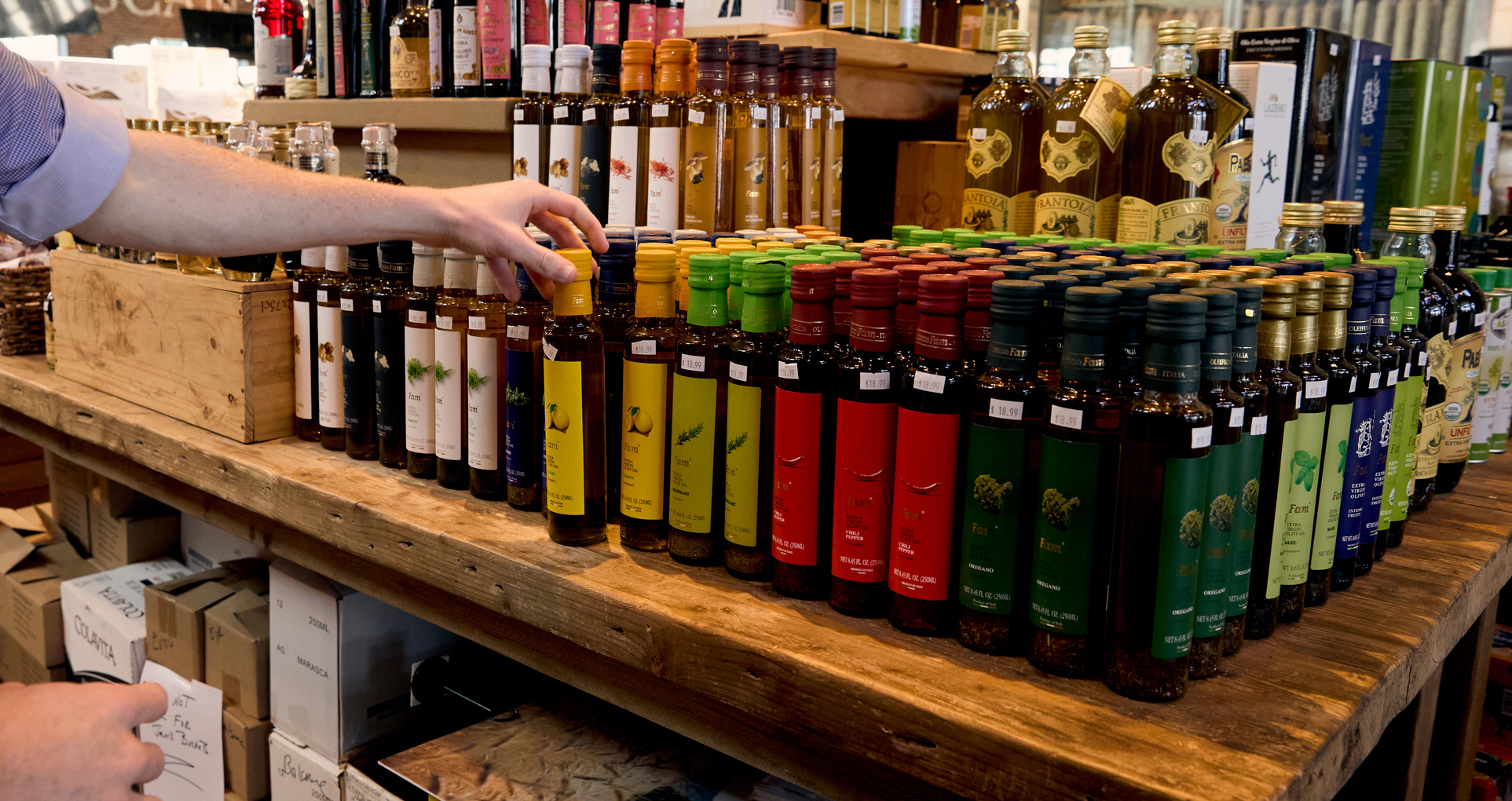

You've probably noticed it by now. That bottle of extra virgin olive oil you casually tossed in your cart for years suddenly costs more than a nice bottle of wine. You may have switched to smaller bottles or started measuring out portions. Perhaps you've even caught yourself wondering if this is all just corporate price-gouging disguised as "supply chain issues."
In reality, it’s not corporate greed. Climate change has disrupted olive production across the Mediterranean, leading to lower supply and skyrocketing prices.
How extreme weather affected Mediterranean olive groves
To understand the current prices, you need to know just how dependent the world is on Mediterranean olive oil. Spain alone normally produces about 40% of global olive oil, with Italy, Greece, and Portugal contributing most of the remainder.
Spain produced 854,000 tons in the 2023/24 season, which, while up 28% from the previous year, was still far below the normal output of around 1.3-1.4 million tons.
Producer prices for extra virgin olive oil in Spain's Jaén region hit €355 per 100 kg in May 2025, though this represented a 53% drop from the previous year's crisis levels. At the peak of the shortage, Spanish olive oil prices reached nearly €900 per 100 kg, driving retail prices to new heights.
What made this crisis particularly severe was how multiple climate disasters reinforced each other. Prolonged drought weakened olive trees, making them more vulnerable to heat stress during critical flowering periods. When trees did produce fruit, many olives contained less oil due to water stress, further reducing yields per acre.
Italy's southern regions faced similar water shortages, while Greece experienced its own production challenges. Industry experts warn that Italian production could fall between 170,000 and 200,000 tons due to ongoing drought and high temperatures in southern regions.
Production is recovering, but slowly
The good news is that favorable spring rains in 2024 helped Mediterranean groves recover.
Spain produced 1.38 million tons of olive oil in the 2024/25 crop year, a significant increase from previous years, though still below the forecasted 1.65 million tons. Global production for 2024/25 could reach 3.375 million tons, a 32% increase from the previous year.
This recovery has started bringing prices down from their peaks.
Spanish olive oil prices have dropped below €4.00 per kilogram, trading at approximately €3.8 to €5.0 for conventional grades. Industry leaders predict further declines, with one executive expecting prices to return to €3-4 levels seen in 2021-2022.
The recovery varies significantly by region.Andalusia, Spain's largest olive oil producing region, saw production reach nearly 981,000 tons by the end of January 2025, compared to just 574,295 tons in the previous crop year. The province of Jaén alone more than doubled its production, rising from 205,387 tons in 2023/24 to 469,562 tons by the end of January 2025.
However, the benefits are taking time to reach consumers. Industry experts note it takes around three months for reduced producer prices to reach supermarket shelves. And, consumer prices in the EU fell only 13.9% in February 2025 compared to the previous year, still leaving olive oil expensive by historical standards.
Broader supply chain impacts
The olive oil crisis exposed just how geographically concentrated olive oil production really is. The European Union produces roughly 67% of the world's olive oil, with non-Mediterranean countries accounting for less than 2.5% of world production. This concentration made the supply shortage particularly acute when Mediterranean weather disasters struck.
When Mediterranean production dropped, there were few alternative sources to fill the gap. Countries like Australia, Chile, and Argentina produce olive oil, but in much smaller quantities that couldn't offset Mediterranean shortfalls.
The crisis also revealed how long the olive oil supply chain really is.
Olives harvested in October and November don't typically reach consumer shelves until months later, after processing, bottling, and distribution. This lag meant that even as 2024 harvests improved, consumers continued paying high prices for oil produced during the worst of the drought.
How consumer behavior shifted during the crisis
The crisis significantly changed how people buy and use olive oil.
Olive oil consumption dropped 20% during the high-price period, falling to levels not seen since 2004. Many consumers switched to alternative oils like sunflower, canola, or vegetable oil for everyday cooking, reserving olive oil for special occasions or finishing dishes.
Households shifted consumption patterns, with many buying more sunflower oil than olive oil during the shortage, demonstrating how quickly preferences can change when prices spike. Consumers began treating olive oil more like a premium ingredient rather than a basic cooking staple.
What this means for your kitchen
The olive oil shortage offers important lessons about food pricing and supply chain resilience. While production is recovering and prices are beginning to fall, the experience has reset expectations about what quality olive oil should cost.
For consumers, this means adjusting shopping habits and cooking practices. The days of using extra virgin olive oil for all cooking tasks may be over for budget-conscious households. Instead, many are learning to use different oils for different purposes, saving olive oil for applications where its flavor matters most.
The crisis also highlighted the value of understanding food seasonality and supply chains. Olive oil, like wine, is an agricultural product subject to annual harvest variations. Weather, timing, and regional differences all affect quality and availability in ways that aren't immediately obvious to consumers accustomed to year-round, consistent pricing.
Whether you're planning your household budget or running a restaurant, building in flexibility for food cost volatility has become increasingly important in a world where extreme weather events are becoming more frequent and severe.
The olive oil crisis may be easing, but its lessons about supply chain vulnerability and the true cost of quality food production will likely influence markets and consumer behavior for years to come.
免责声明:此信息仅作为一般性参考,发布并不构成认可。Toast 不保证本内容中包含的任何信息、文本、图形、链接或其他项目的准确性或完整性。Toast 不保证如果您遵循本文的任何建议,就能取得任何特定结果。您可能需要咨询专业人士,如律师、会计师或商业顾问,以获取针对您情况的具体建议。