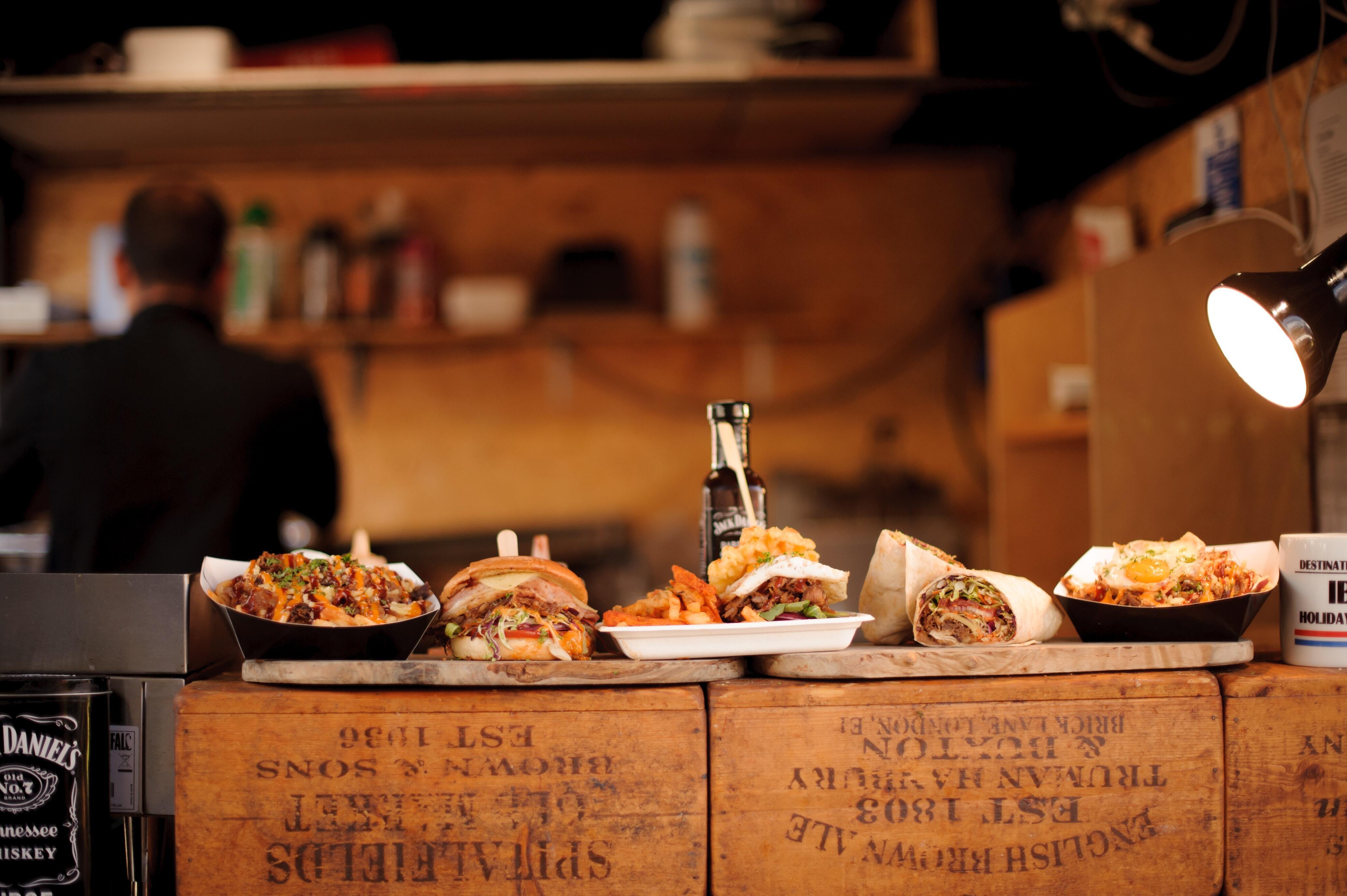
What is a full service restaurant (FSR)?
A full-service restaurant is a restaurant that offers table service, where the dining experience is guided by a server from start to finish.
Behind every memorable dining experience is a full service restaurant operator juggling countless moving parts. The 2025 Voice of the Restaurant Industry Survey captures their voices, revealing how they’re adapting to rising costs, changing diner habits, and new tech tools to keep service profitable.
To better understand how restaurants navigate the current climate and their priorities for the future, Toast surveyed 712 restaurant decision-makers from across the country from April 18, 2025, to May 13, 2025, for its annual Voice of the Restaurant Industry Survey1. Of those 712 restaurant decision-makers, approximately 358 identified as full-service restaurants (FSRs), offering a detailed look at the realities behind a great dining experience.
We’ll unpack what the 2025 FSR data reveals and what it means for your business today.
Key takeaways
What is a full-service restaurant?
To start, let’s define what a full-service restaurant (FSR) is, and what it looks like in 2025. A full-service restaurant offers table service, where the dining experience is guided by a server from start to finish. It differs greatly from counter service, fast-casual restaurants, limited service restaurants, and self-service.
Guests are seated, orders are taken, food service is delivered, and payment is completed at the table, often ending with a friendly farewell on the way out.
In 2025, however, the full-service process goes beyond simply serving menu items. These establishments focus on creating memorable guest experiences through thoughtful details like table settings, ambiance, and even entertainment. Their goal is to provide not just a meal, but a customer experience that keeps guests coming back.
Let’s explore how full-service dining establishments are performing today and what they anticipate in the year ahead.

Rising food costs and inflation impact on FSRs
Inflation remains a top concern for FSR operators. Nearly one in four (24%) ranked inflation as their top pain point this year, a 9-point increase from 2024.
Rising food and supply costs are putting additional pressure on margins, forcing operators to make difficult pricing decisions.
As a result, 51% of FSR operators say they plan to raise menu prices if the cost of goods continues to climb over the next 12 months, up 5 points from last year. A recent Toast study reveals that 57% of diners understand why restaurants need to raise prices.
If you're considering a price increase, transparency is key. Start by training waitstaff to confidently explain price adjustments when customers ask. Proactively communicate value through updated menu descriptions that highlight quality ingredients or preparation techniques. And don't shy away from emphasizing the broader story—rising labor costs, supply chain challenges, and ingredient quality all play a role.
Most diners get it. Clear, honest communication turns a potentially awkward conversation into an opportunity to build trust.
Restaurant hiring challenges and labor market solutions
Hiring also continues to be a major obstacle for full-service eateries, as 42% report facing moderate to extreme hiring challenges in today’s labor market.
These challenges can extend beyond filling open roles. Many operators struggle to maintain consistent staffing levels, which can impact service quality. As competition for talent remains high, FSR operators are increasingly exploring new strategies to improve recruitment, boost retention, and optimize labor productivity.
Operators are preparing to do more with less; 49% of FSR operators say they would focus on increasing staff efficiency and speed of service if labor challenges intensify over the next 12 months.
This may reflect a broader industry shift toward operational efficiency. Restaurants are refining workflows, cross-training employees, and adopting technology that streamlines both front-of-house and back-of-house tasks to do more with less.
Restaurant profitability strategies and revenue growth
FSR operators are focused on profitability, with 41% citing it as their top business goal for the year ahead. Many are exploring new ways to optimize operations, whether through AI adoption or smarter inventory management to strengthen their bottom line.
If consumer spending weakens, 47% of full-service restaurant operators say they would ramp up marketing and advertising efforts in response. This is a testament to the industry's resilient mindset. Rather than retreating during tough times, operators are doubling down on creative promotions, digital engagement, and community outreach to stay top of mind and maintain steady traffic despite economic headwinds.
The smart move? Don't wait for a downturn to build your marketing muscle. Start strengthening your strategy now so you're ready to pivot when conditions shift. Our Restaurant Marketing Guide offers practical tactics to help you stay competitive in any economic climate.
AI adoption in restaurant operations
Full-service restaurant operators are increasingly embracing artificial intelligence as a core business tool. An impressive 83% say they feel comfortable using AI, and that comfort is translating into action, as 80% plan to use it even more in the future.
The enthusiasm makes sense. Operators are seeing real benefits: 78% believe AI helps them work more efficiently. Trust is high too, with 77% saying they trust AI with their business needs and an equal share agreeing that AI tools offer strong value for the money.
The industry has moved beyond curiosity and toward confident adoption, viewing AI as both reliable and cost-effective for enhancing performance across the restaurant.
Ready to put AI to work, but not sure where to start? Download our Restaurant AI Prompt Library. It takes the guesswork out of what to ask, giving you ready-to-use prompts that help you tackle everything from menu optimization to marketing emails. No thinking required.
Restaurant expansion plans and new location openings
Despite ongoing concerns about inflation and profitability, FSRs continue to demonstrate remarkable resilience. Operators are navigating a complex environment by finding creative ways to adapt, and their determination shows in their growth plans. One in four FSR operators say they're very likely to open a new restaurant concept or location within the next 12 months.
That's a powerful signal. This level of investment reflects the industry's long-term vision. Restaurateurs are doing more than weathering short-term pressures; they're also positioning themselves for expansion and innovation. The drive to grow and connect with guests remains a defining strength of the full-service restaurant community.
Planning to expand? Our Restaurant Expansion Checklist walks you through everything you need to consider before opening your next location, from site selection and financial planning to staffing and technology infrastructure.
FSR: fantastic service restaurants
Full-service restaurant owners and operators have every reason to feel optimistic heading into 2026. Yes, the challenges are real. Rising costs, staffing pressures, and economic uncertainty aren't going anywhere. But neither is the industry's resilience and creativity.
The data tells an obvious story: operators are embracing AI, refining operations, and even planning for expansion. These are growth strategies.
At the end of the day, guests value quality above all else. Deliver a high-quality experience, from the food on the plate to the service at the table, and they'll keep coming back. That's the competitive edge that no economic headwind can take away.
Ready to dive deeper? Check out the full report to explore comprehensive insights on what's shaping the restaurant industry in 2025. And if you're curious how quick-service restaurants are navigating similar challenges, check out our QSR report for a complete picture of the industry.


2025 Restaurant Operator Survey Methodology
1To help better understand the restaurant industry, Toast conducted a blind survey of 712 restaurant decision-makers in the United States from April 18, 2025, to May 13, 2025. Respondents include a mix of both full-service and quick-service restaurants. For the sake of this report, Toast focused on the 358 FSR operators. Respondents were not made aware that Toast was fielding the study. Panel providers granted incentives to restaurant respondents for participation. Using a standard margin of error calculation, at a confidence interval of 95%, the margin of error on average is +/- 3%.
2024 Restaurant Operator Survey Methodology
2To help better understand the restaurant industry, Toast conducted a blind survey of 755 restaurant decision-makers operating 16 or fewer locations in the United States, including both Toast and non-Toast customers from May 17, 2024, to June 2, 2024. Respondents include a mix of both full-service and quick-service restaurants. Respondents were not made aware that Toast was fielding the study. Panel providers granted incentives to restaurant respondents for participation. Using a standard margin of error calculation, at a confidence interval of 95%, the margin of error on average is +/- 4%.
Toast Menu Pricing Survey Methodology
3Toast conducted a blind survey on this topic of 850 U.S. adults ages 18 and older on April 23, 2024. Respondents were not made aware that Toast was fielding the study. Using a standard margin of error calculation, at a confidence interval of 95%, the margin of error on average is +/- 3 - 5%.
免责声明:此信息仅作为一般性参考,发布并不构成认可。Toast 不保证本内容中包含的任何信息、文本、图形、链接或其他项目的准确性或完整性。Toast 不保证如果您遵循本文的任何建议,就能取得任何特定结果。您可能需要咨询专业人士,如律师、会计师或商业顾问,以获取针对您情况的具体建议。
 趋势
趋势