Restaurant Cleaning Checklist: The Ultimate Guide
Use our restaurant cleaning checklist to create a cleaning schedule for your restaurant to improve general health and safety. Get our restaurant cleaning checklist now.

ผู้เขียน
 RESOURCE
Restaurant Cleaning Checklist
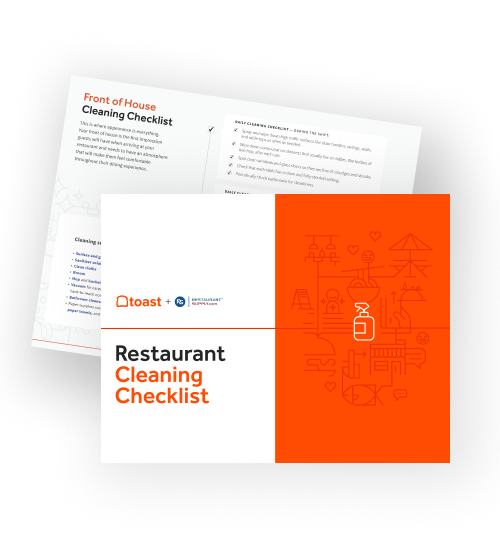
Download the Restaurant Cleaning Checklist, created in partnership with RestaurantSupply.com, to keep track of the cleaning tasks that need to be completed in your restaurant.
ดาวน์โหลดฟรีThanks to strict restaurant industry standards and regulations, it's fair to say that restaurants are amongst the most regularly cleaned public spaces around. Maintaining a robust cleaning routine is essential to protect both staff and customers. Using a restaurant cleaning checklist is a great way to start.
From proper handwashing techniques (stick to the 20-second rule!) to regular surface sanitizing and restaurant deep cleaning, adhering to both Health Department requirements and CDC guidance is critical. Especially when dealing with multiple high-trafficked spaces, each requiring its own set of cleaning protocols, from the bar to the bathroom, and from the dining room to the kitchen, a list is invaluable for keeping everything in order.
That's why we're taking out the guesswork so you can get down to the dirty work. Our restaurant cleaning schedule checklist sample includes a daily cleaning checklist, a weekly cleaning checklist, and a monthly cleaning checklist for each area of your establishment.
Take a look at the sample checklist below and modify it to meet the needs of your restaurant, and then train your staff to follow your cleaning list. Your entire restaurant will remain spotless and your diligence will be rewarded. This list will help you to follow safety regulations, maintain safer working conditions for your business, avoid potential issues, and create a positive customer experience every time.
Restaurant Health Inspection Checklist
This free checklist gives you all the tips and tricks you need to ace your next inspection.


Subscribe to On the line
Sign up to get industry intel, advice, tools, and honest takes from real people tackling their restaurants' greatest challenges.
เมื่อส่งข้อมูล แสดงว่าคุณตกลงที่จะรับอีเมลการตลาดจาก Toast เราจะจัดการข้อมูลของคุณตาม คำชี้แจงความเป็นส่วนตัว ดูข้อมูลเพิ่มเติมสำหรับผู้อยู่อาศัยในรัฐแคลิฟอร์เนียได้ที่ คลิกที่นี่
Restaurant Cleaning: From Front to Back of House
Front of House Cleaning Checklist
Your front of house is the first impression guests will have when arriving at your restaurant and needs to be an atmosphere that will make them feel comfortable throughout their dining experience. This is where appearance is everything. Make sure your guests can see that you have a completely clean restaurant if you want to achieve maximum customer satisfaction.
Cleaning Supplies Needed:
Surface and glass spray cleaners.
Sanitizer solution (bleach).
Clean cloths.
Broom.
Mop and bucket of hot soapy water.
Vacuum for carpeted areas and hard-to-reach nooks.
Bathroom cleanser and toilet brush.
Paper supplies such as toilet paper, paper towels, and napkins.
Daily
During the Shift:
Spray and wipe down high-touch areas like door handles, railings, seats, and table tops as often as needed. During a health crisis, have a staff member do this much more frequently than usual.
During a health crisis, it’s also worth considering removing any communal condiments that usually live on tables, like bottles of ketchup, and providing them only when asked — and wiping them down after each use.
Spot clean windows and glass doors so they are free of smudges and streaks.
Check that each table has a clean and fully stocked setting.
Periodically check bathrooms for cleanliness.
When Closing Out:
Prepare silverware and napkins for the next shift.
Spray and wipe down menus.
Spray and wipe down all tabletops.
Thoroughly clean and sanitize bathroom surfaces.
Sweep and mop floors.
Vacuum up any visible crumbs or debris from rugs.
Weekly
Once a Week:
Vacuum harder-to-reach areas.
Dust all fixtures and secondary surfaces.
Spray and wipe down all glass surfaces and mirrors.
Sanitize and scrub the toilets.
Tend to any live plants.
Monthly
Once a Month:
Check carpets, curtains, chairs, and other upholstered items for damage.
Deep clean the bathrooms.
Vacuum cobwebs and dust ceiling fans.
Bar Cleaning Checklist
The bar is a busy area that’s on full display to guests. It’s important to keep it clean for both safety purposes as well as for appearance.
Cleaning Supplies Needed:
Surface spray cleaners.
Several clean bar rags.
Sanitizer solution (bleach).
Trash bags.
Broom.
Daily
During the Shift:
Wipe down the bar, very frequently. Use sanitizing solution often and switch out your bar rag more often than usual during a health crisis.
Run glassware through the dishwasher.
Refill disposables like napkins, stirrers, and straws.
Empty trash and recycling bins.
When Closing Out:
Clean and empty garnish trays.
Wipe down bottles and speedwells.
Clean soda guns.
Empty and sanitize ice wells.
Remove floor mats for cleaning.
Sweep floor.
Weekly
Once a Week:
Spray and wipe down the surfaces inside coolers.
Dust and wipe down bottles and shelves behind the bar and any decorative fixtures.
Clean and flush keg lines.
Clean behind any movable equipment.
Monthly
Once a month:
Check carpets, curtains, chairs, and other upholstered items for damage.
Vacuum cobwebs and dust ceiling fans.
Deep clean the floors.
Dust light fixtures, bar shelves, and any other fixtures.
Restaurant Prep List Template
Use this free template to organize daily tasks for prep cooks, keep your team aligned, and make sure your kitchen runs smoothly from open to close.
Back of House Cleaning Checklist
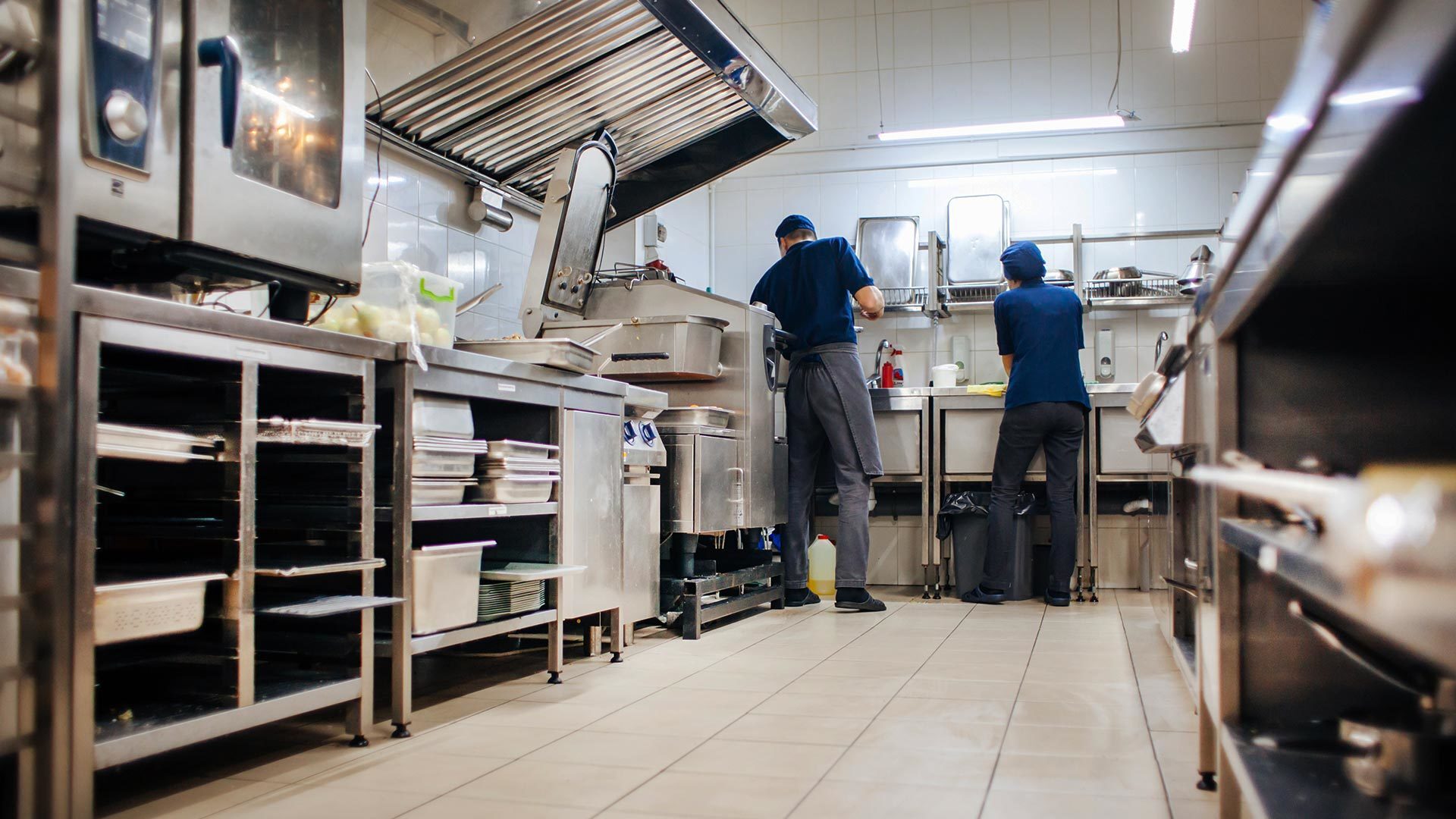
The back of house can get messy quickly as food and dirty dishes come and go. It’s crucial for the safety of staff and guests alike to stay on top of restaurant kitchen cleaning tasks.
Cleaning Supplies Needed:
Surface and glass spray cleaners.
Clean cloths.
Steel wool pads.
Sanitizer solution (bleach).
Stainless steel cleaner.
Commercial dishwasher detergent.
Degreaser.
Hand soap.
Food prep gloves.
Broom.
Mop and bucket of hot soapy water.
Trash bags.
Paper towels.
Power washer.
Stiff bristle deck brush.
Daily
Prep Station
During the Shift:
Check that all food prep areas are clean before preparing any food.
Wipe down and sanitize countertops when preparing different foods.
Wrap and date everything after it’s been placed into a new container.
Shuttle tools to the dish pit as needed.
When Closing Out:
Clean equipment and tools, and take cutting boards, bowls/containers, etc. to the dish pit.
Wipe and sanitize food prep surfaces and polish all stainless steel surfaces including ice makers and refrigeration units.
Remove floor mats for cleaning.
Sweep and mop the floors.
Refill soap and paper towel dispensers.
Place dirty towels and linens in the appropriate bins.
Break down cardboard boxes for recycling.
Empty trash bins.
The Line
During the Shift:
Scrape down griddles and grills between use.
Clean up any big spills or splatters.
Check the temperatures on hot or cold food-holding units.
Sanitize surfaces after preparing any potentially dangerous foods.
During a health crisis, enforce surface sanitization at certain time intervals, like every hour or half-hour.
When Closing Out:
Clean the grills and griddles and empty drip trays.
Filter the fryer oil.
Empty and sanitize any hot or cold food-holding units.
Clean equipment and tools, including beverage dispensers and coffee machines, and take pots/pans, etc. to the dish pit.
Degrease and sanitize all surfaces.
Remove floor mats for cleaning.
Sweep and mop the floors.
Place dirty towels and linens in the appropriate bins.
Empty trash bins.
The Dish Pit
During the Shift:
Empty the dishwasher from last night’s run.
Collect, wash, and return food prep equipment during gaps between runs of dishes and glassware.
Mop the floor periodically to prevent slipping.
When Closing Out:
Place all remaining restaurant kitchen tools, containers, and gear in the dishwasher and run overnight.
Hand wash any gear that cannot be run through the dishwasher.
Clean and sanitize the washing station and sinks.
Lift up floor mats and run through the dishwasher or spray with a power washer.
Sweep and mop.
Place dirty towels and linens in the appropriate bins.
Take out the trash and recycle.
Weekly
Prep Station
Once a Week:
Empty shelves and clean the surfaces of the walk-in and reach-in coolers.
Toss out any ingredients that are no longer fresh.
De-lime coffee makers.
Check any pest prevention traps that may need cleaning or replacing.
The Line
Once a Week:
Replace the fryer oil.
Clean the inside and outside of ovens and steamers.
Clean fan guards, vents, and hoods.
The Dish Pit
Once a Week:
Check that the floor and sink drains are clean and flowing.
Monthly
Prep Station
Once a month:
Fully empty and deep clean the walk-in.
Replace pest traps if needed.
The Line
Once a month:
Deep clean the fan, vents, and hoods.
Wash the floor and the walls.
Clean and empty grease traps.
The Dish Pit
Once a month:
Deep clean the floor.
Clean out drains and remove any blockage.
Now that we’ve covered the steps required to keep your front of house, bar, and back of house in the best shape, let’s dive into some restaurant cleaning best practices that will keep your entire restaurant squeaky clean, compliant with local health codes, and avoid negative customer reviews or fines from a failed health inspection.
Cleaning Tip #1: Focus on Preventing Foodborne Illness
The outbreak of food-related diseases like E. coli and the Norovirus have affected the reputations and long-term success of many restaurants in the United States, including Chipotle, which is still struggling to clear its name years after a widespread E. coli scandal.
Especially during a viral outbreak like COVID-19, make sure to enforce proper handwashing. All staff must wash hands with soap and warm water for 20 seconds — that’s two full “Happy Birthday” songs — even during the rush, and even if they’re worried a steak will overcook in the meantime. Preventing the transmission of viruses is the number one priority.
Foodborne illness can be attributed to bacteria, which can multiply quickly when food is kept at what is considered to be an unsafe temperature: above 41 degrees and below 140 degrees Fahrenheit. Bacteria can also produce toxins that make food unsafe for consumption.
Other factors that can contribute to foodborne illnesses in restaurants include:
Improper washing of hands (including fingernails).
Staff coming in sick and coughing or sneezing near prep surfaces or on food.
Poor storage of food items.
Cross-contamination (toxins from uncooked meat can be transferred to vegetables used in salads).
Improperly cleaned cooking equipment and eating utensils.
Contamination of work areas, equipment, and utensils.
Food that’s been exposed to cockroaches, flies, and other restaurant pests.
E. coli contamination, norovirus infection, and food poisoning are some of the critical food safety issues that you must always avoid at all costs. Make sure all of your surfaces are sanitized, ingredients are stored safely, and food is properly prepared to ensure customers leave your restaurant full and satisfied, not in need of hospitalization.
Cleaning Tip #2: Check the Health Department’s Guidelines
Many restaurants shudder at the thought of a health and safety inspection. If your restaurant receives a bad inspection score, it may need to close temporarily or display a “B” or “C” grade in its window, both of which could cost your business thousands of dollars in lost sales. A study by Baruch College at the City University of New York found that 88% of New Yorkers use the city’s health department letter grades in making their dining decisions, and 76% feel more confident eating in an “A” grade restaurant.
Don’t wait for a bad health score to happen to your restaurant before setting the bar on food safety. Instead, use the health department standards as guidelines to inform the food safety and cleaning processes in your restaurant. After all, the standards are there to help businesses deliver top-notch service and maintain a safe, sanitary eating and drinking establishment. Check with your city’s health department, or whichever department conducts health inspections, to get the complete list of what an inspector is looking for when evaluating your front- and back of house. And as we mentioned above, during a health crisis, follow the CDC’s recommendations to prevent the spread of viruses.
For example, if the health code states that salad bar containers must be cleaned at least every 24 hours, make removing and cleaning all the salad bar containers at the end of each shift a part of the daily routine. This way, cleaning becomes a habit for your team and you’ll never have to worry if your restaurant kitchen is compliant.
If your restaurant receives low marks from an inspection, respond constructively and cooperate fully with authorities to learn what systems your restaurant needs to have in place to be compliant and operate a safe establishment. In cities like New York, Milwaukee, and Toronto where Department of Health ratings must be on public display, a Grade A sign in the window can help bring new customers in the door, so it’s important to make sure you’re crossing all your T’s and dotting your I’s when it comes to health and safety inspections.
For more support navigating inspections, Relevant Systems and Berger Food Safety Consulting are offering a comprehensive re-opening action plan with best practices, legal documentation requirements, and detailed food safety procedures.
Cleaning Tip #3: Prevent Pest Proliferation
Make sure to keep your restaurant pest-free by reducing the opportunities for critters to get a free lunch. Here are a few restaurant cleaning best practices that prevent pests:
Wipe up food residue in coolers.
Always clean equipment quickly after use.
Don’t let food-contact surfaces get dirty and greasy.
Store food in airtight containers.
Move bags to the trash cans rather than letting them sit around the kitchen.
Capture stray fruit flies with a small cup of soap mixed with tequila or apple cider vinegar.
Of course, don’t hesitate to call in the professionals from pest control when needed. What crawls in the kitchen always makes its way out in one way, shape, or form and you don’t want that to be on a plate or in a glass.
If you see any of the following signs of pests, don’t wait until you’ve got a full-scale invasion on your hands to act. Here are some signs you may have crawly things in your kitchen or behind the bar:
Roach or rodent droppings.
Shredded cardboard or paper for rodent nesting.
Sounds of scratching or skittering in the walls.
Cardboard or plastic containers that appear to have been chewed upon.
Unusual odors could be from dead rodents or large roach populations.
Small piles of dirt from ant movement.
Flying insects around food storage and prep areas (catch them now before they make their way into the dining room, or someone’s soup).
Much like hair in your food, the signs of pest infestation are enough to make a guest’s stomach turn. An affected kitchen runs the risk of alienating current and would-be guests: All it takes is one poor online review saying there were flies in the air or ants running across the table for your reputation to be tarnished.
And when the health inspector pays a visit or receives a report of pests, they can have your restaurant closed down because of sanitation and food safety issues.
Cleaning Tip #4: Train Staff to Prioritize Food Safety
In a restaurant, several pairs of hands handle food before it reaches a customer. Educating and training your entire staff, front- and back-of-house, in proper hygiene, food safety, and overall cleanliness is key to making sure every guest has a safe, sanitary dining experience — and this training is even more crucial during health crises.
Restaurant training is not a one-time thing, especially when it comes to food safety. You need to consistently follow up with your staff when it comes to the restaurant cleaning and food safety standards you have put in place. It’s important to see that everyone is doing things the way they should be done every day, not just the days immediately after a training session. To keep things in check, try the following:
Post reminders on particular cleaning procedures in strategic places like above the sink and next to the time clock.
Regularly share short training videos with restaurant cleaning tips via email.
Spot-check staff cleaning behavior just as the health department would (grades optional).
Celebrate exemplary cleaning habits among your team so others might model their behavior.
Cleaning Tip #5: Put Yourself in the Customer’s Shoes
Abiding by Health Department guidelines will do most of the work for you when it comes to maintaining a clean restaurant, but to truly deliver a clean and enjoyable experience for your guests, put yourself in their shoes and make sure you aren’t overlooking any aspects of the dining experience that could use a cleaning. Here are a few things to consider:
Is the restaurant’s entryway tidy and welcoming — the walkway free of litter and the windows clean and sparkling?
Is the host stand uncluttered, the banquettes free of dust, and the menus clean of smudges?
Have tables and floors been properly wiped and swept since the last seating, and have napkins, condiments, and table arrangements reset?
Are the bathrooms clean, odor-free, and stocked with toilet paper, towels, and soap?
Audit the cleanliness of your dining experience by having a member of your staff have a test meal. From the moment they’re seated until they complete the payment process, have them record any aspects of their dining experience — the menu, the salt and pepper shakers, or the window sills, for example — that need cleaning. This list will give your team a better idea of areas you may habitually overlook when cleaning your restaurant that could leave a bad taste in your guests' mouths.
Other Related Restaurant Resources
How to Make Restaurant Cleaning Second Nature
Health codes are just the bare minimum for cleanliness. By considering the cleanliness and the ambiance of your restaurant from front to back, and from floor to ceiling, you’ll deliver an experience that will delight all the senses and get the thumbs-up from food safety inspectors and customers alike.
Restaurant cleanliness begins with great staff training. Use the above front-of-house, bar, and back of house, and restaurant kitchen cleaning checklist when creating your server-side work checklists and closing checklists. This way you can make sure that every area of your restaurant is clean and sanitary throughout meal service, upon closing, and when you open your doors the next morning.
FAQs
What are the benefits of having a restaurant cleaning checklist?
A cleaning checklist ensures that every area of the restaurant is regularly cleaned and maintained. This not only keeps everything hygienic and looking good but also ensures your business complies with health and safety regulations. Additionally, regular cleaning enhances customer satisfaction and extends the life of commercial kitchen equipment and furnishings. A clean restaurant creates a much better atmosphere for both staff and guests.
What should a restaurant cleaning checklist include?
A restaurant cleaning checklist should cover daily, weekly, and monthly tasks for all areas of the restaurant, including the kitchen, dining area, restrooms, and storage spaces. It should also include the cleaning supplies you'll need for the tasks. Tasks might include sanitizing surfaces, deep-cleaning appliances, washing floors, and checking for pest control.
Should I hire a professional cleaning service to deep clean?
Hiring restaurant cleaning services can be a great investment. Professionals have the expertise and equipment to thoroughly clean hard-to-reach areas and tackle tough grease and grime. Deep cleaning ensures your restaurant meets health and safety regulations and helps maintain equipment. Regular professional cleanings can complement your in-house routines and save time.
Kitchen Opening and Closing Checklist
Ensure your back of house runs like a well oiled machine with these customizable kitchen opening and closing checklists.
บทความนี้มีประโยชน์สำหรับคุณหรือไม่
ข้อความปฏิเสธความรับผิดชอบ ข้อมูลนี้จัดทำขึ้นเพื่อวัตถุประสงค์ในการให้ข้อมูลทั่วไปเท่านั้น และการเผยแพร่ข้อมูลนี้ไม่ถือเป็นการรับรองใดๆ Toast ไม่รับประกันความถูกต้องหรือความสมบูรณ์ของข้อมูล ข้อความ กราฟิก ลิงก์ หรือรายการอื่นใดที่รวมอยู่ในเนื้อหานี้ Toast ไม่รับประกันว่าคุณจะได้รับผลลัพธ์ที่เฉพาะเจาะจงใดๆ หากคุณปฏิบัติตามคำแนะนำในเอกสารนี้ คุณอาจต้องปรึกษาผู้เชี่ยวชาญ เช่น ทนายความ นักบัญชี หรือที่ปรึกษาทางธุรกิจ เพื่อขอคำแนะนำที่เหมาะสมกับสถานการณ์ของคุณโดยเฉพาะ
 กำลังมาแรง


Subscribe to On the line
Sign up to get industry intel, advice, tools, and honest takes from real people tackling their restaurants' greatest challenges.
เมื่อส่งข้อมูล แสดงว่าคุณตกลงที่จะรับอีเมลการตลาดจาก Toast เราจะจัดการข้อมูลของคุณตาม คำชี้แจงความเป็นส่วนตัว ดูข้อมูลเพิ่มเติมสำหรับผู้อยู่อาศัยในรัฐแคลิฟอร์เนียได้ที่ คลิกที่นี่