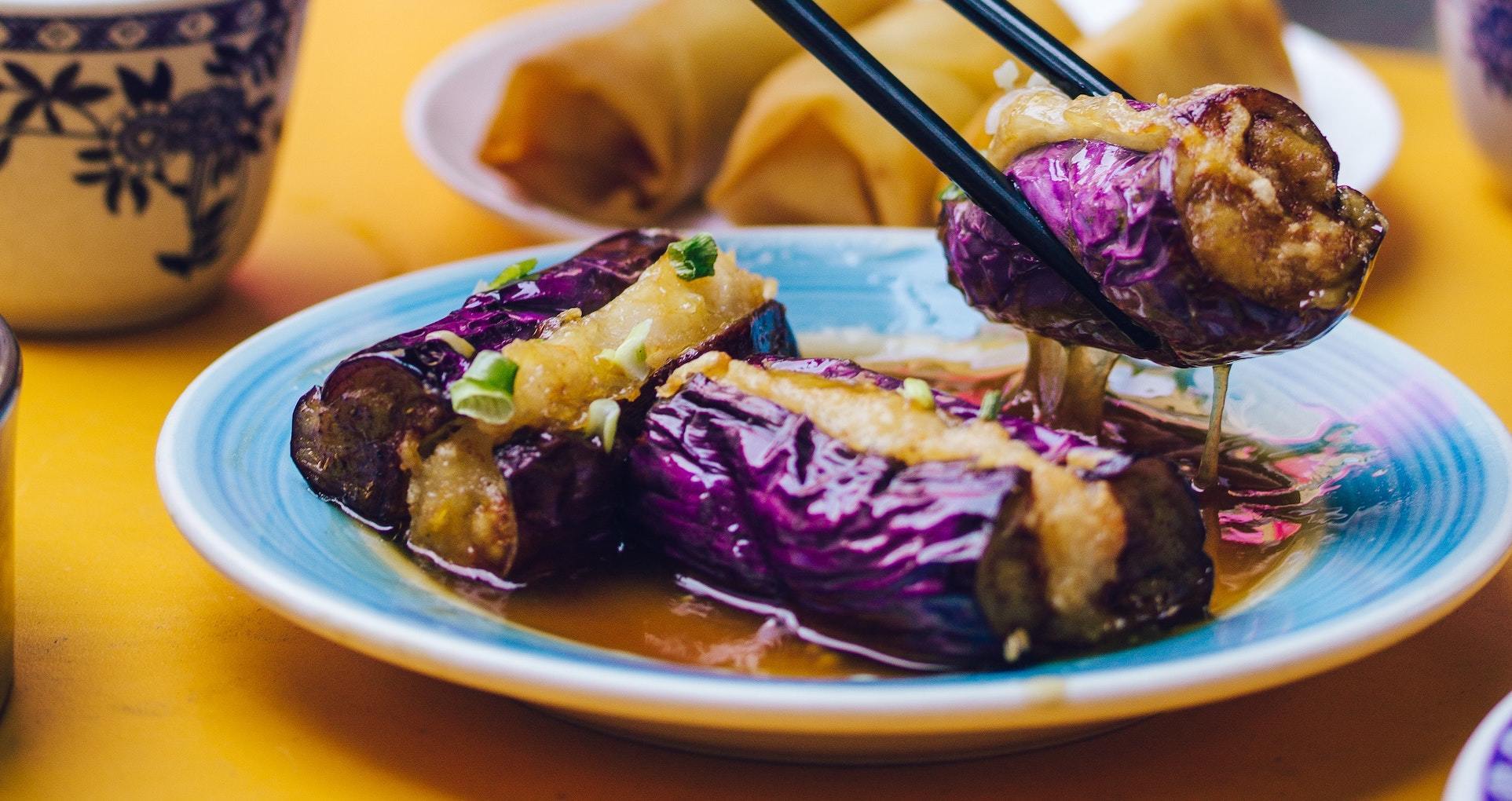
Food Plating Techniques: 10+ Dish Presentation Tips For 2025
The visual appeal of your dish presentation impacts how diners perceive its taste and quality. Discover essential food plating techniques and tips here.

ผู้เขียน
 RESOURCE
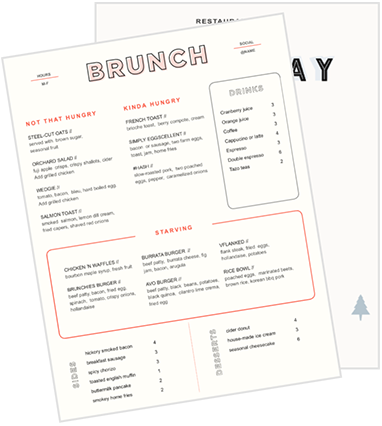
Restaurant Menu Templates
Use these menu templates as a starting point for your menu design or to give your menus a refresh.
ดาวน์โหลดฟรีPlating isn’t just the final step before service—it’s also where a dish turns into an experience. As Doug Paine, chef of Juniper and Bleu Northeast Seafood, puts it:
“In the culinary arts, the plating is really the artistic part… Everything else is technique and skill. It’s not until you’re putting the food on a plate that it becomes an expression of how you feel, and what you want the dish to say.”
In this guide, we’re skipping the broad food presentation theory and focusing on specific plating techniques chefs use every day to make dishes look intentional, balanced, and crave-worthy.
Key takeaways
Great plating starts with strong composition—balance, color, and focal points set the stage for everything else.
Stacking and layering add height and texture, drawing attention without compromising structure or flavor.
Swipes, dots, and quenelles aren’t just decorative—they guide the eye, control portions, and pace flavor delivery.
Negative space and deconstructed layouts let ingredients shine while inviting diner interaction.
Finishing touches matter—garnishes, dusting, and asymmetrical layouts can elevate a dish from good to unforgettable.
Restaurant Menu Templates
Use these menu templates as a starting point for your menu design or to give your menus a refresh.

1. Basic plating techniques
Before diving into specific plating techniques, it’s essential to understand how to build a plate that looks intentional, balanced, and appealing. Strong composition creates structure for your creativity, and helps ensure every dish feels like it belongs on your menu.
Balance and harmony: Avoid overcrowding or clustering everything in the center. Consider size, shape, texture, and color as you place each component.
Focal points and the rule of thirds: Just like in photography, placing your main item off-center often results in a more dynamic presentation. Use the “rule of thirds” to guide the eye across the plate naturally—starting with the protein or hero element, then flowing toward supporting ingredients or sauces.
Clock-style plating: If you’re looking for a structured starting point, the classic clock method is a go-to. This layout helps maintain balance while giving newer cooks a simple, repeatable framework to build around. Chef Richard Sandoval explains:
“Place the protein between 3 and 9 o’clock, the starch between 9 and 11, and the vegetables between 11 and 3.”
Color and contrast: Contrasting colors and textures make dishes stand out instantly. Use bright herbs, vibrant vegetables, and sauces with high visual impact to draw attention. Pair light and dark elements, soft and crisp components, to add depth and dimension. A splash of color can signal freshness and elevate a simple dish.
2. Stacking, layering, and height
Adding height to a plate can draw attention and add dimension. Chef Han Liguang, chef-owner of Labyrinth, explains how thoughtful layering contributes not just to the plate’s structure but to the entire dining experience:
“My focus of flavour pairings is reflected in my plating style, where the ingredients are plated in layers in accordance to their taste profiles and the dimension it adds to the dish. I refrain from using too much garnish or sauce, which takes away focus from the produce. A diner’s experience begins with the chef’s plating, as it determines and aids how the diner would navigate through the dish. The plating affects the entry of food, which then inevitably the flavours and their pairings which hit the palate.”
Build vertical dimension: Stack proteins on starches or layer soft ingredients over crisp ones to add structure and depth. A grilled steak over a bed of lentils, for example, naturally centers the plate while giving it height.
Use supports for stability: Use firm elements—like mashed vegetables, crispy polenta, or purées—as bases or anchors to support looser items. Avoid toppling towers by checking that each layer contributes both flavor and function.
Highlight textures: Layering isn’t just visual. Stack in a way that highlights contrasts—like a seared scallop atop a creamy cauliflower purée with a crispy garnish on top.
3. Smears, swipes, and paint strokes
These techniques may be visually striking, but they’re not just for show. Done right, a swipe or smear guides the diner’s eye, adds motion to the plate, and introduces flavor in a measured, intentional way.
Spoon smears: Use the back of a spoon to pull a purée or sauce into a clean, elongated shape. This technique adds a sense of movement and can serve as a base for proteins or vegetables.
Brush strokes: For a more dramatic effect, use a pastry brush to paint sauces or reductions directly onto the plate. This technique works especially well with vibrant ingredients—like beet purée or chimichurri—and lends an abstract, artistic flair.
Controlled application: These elements should feel deliberate, not decorative for decoration’s sake. Limit to one or two strokes per plate, placed to lead the eye or anchor other components.
4. Dots, drops, and quenelles
Small details can add precision and polish to any dish, and few techniques offer as much control and elegance as well-placed dots or carefully formed quenelles. These finishing touches don’t just elevate aesthetics—they help with portion control, consistency, and pacing flavor across each bite.
Quenelles, in particular, are deceptively simple in appearance but technically challenging to master. As Cindy Khoo, executive pastry chef at Hilton Singapore, explains:
“It’s one of the basics we learnt at the start of our culinary journey. It took me a couple of months to be able to execute it confidently… A lot of it comes down to the movement, the flair.”
Precision dots and drops: Use squeeze bottles or piping bags to apply sauces, coulis, or infused oils in evenly spaced dots. Whether arranged in a straight line, a curve, or scattered with purpose, these drops create rhythm and contrast on the plate.
Asymmetry with intention: Try creating offset or radial patterns to make the dish feel modern and fresh. Irregular arrangements can add spontaneity—as long as they’re still balanced.
Quenelles for soft components: Shape ice cream, mousse, or even soft cheeses into smooth, three-sided ovals using two spoons or a single hot spoon. Khoo recommends placing the spoon in warm water before scooping and adjusting technique based on the texture and temperature of the food.
5. Molds, rings, and geometric layouts
Structure and symmetry bring order to a plate. This technique is especially useful in high-end or minimalist settings, but even casual concepts can benefit from the clean lines and portion control it brings.
Plating rings for shape and height: Use metal rings to mold grains, tartare, risottos, or layered salads into clean, repeatable forms. Gently tamp down to hold shape, but avoid compressing delicate ingredients.
Form and function: Structured elements provide a solid base for stacking or anchoring looser textures. A shaped grain medallion can hold a protein in place while adding height.
Geometric layouts: Go beyond rings by arranging components in precise lines, triangles, or grids. This works well for tasting menus or small plates, where uniformity and visual clarity are key.
Split composition: Plate two distinct components—such as contrasting flavors, cuisines, or preparations—on opposite sides of the plate with a clean divide between them.
6. Deconstructed, negative space, and landscape plating
Separating components on the plate can create an experience that’s both visual and interactive—giving diners the opportunity to mix bites and follow the flow of the dish. The key to this style is restraint and control. It may look effortless, but it’s all about composition, flow, and precision.
Deconstructed presentation: Place ingredients apart to showcase them individually. This works especially well when diners are meant to combine elements themselves or appreciate distinct flavors in each bite.
Use of negative space: Don’t feel the need to fill every inch of the plate. A generous margin of empty space draws attention to the food and gives each element room to breathe.
Landscape plating: Inspired by natural scenes, this technique stretches components horizontally across elongated plates. Think of the plate as a terrain—peaks of protein, valleys of purée, and scattered herbs or crumbs like foliage.
Modular plating: Arrange components in a way that invites the diner to mix and match bites. Instead of blending everything before it hits the plate, each item is treated as a standalone building block.
7. Garnish and finishing techniques
Garnishes may be small, but they carry big weight. The right finishing touch can tie the entire plate together—visually, aromatically, and texturally. Chef Mena Hughes emphasizes the power of simplicity when it comes to garnish:
“If you have some parsley or any kind of greenery that complements your dish, place a sprig of that on top of your protein or even your vegetable... Fresh herbs just make the plate look finished... You don’t want to overdo it. Because then the extras take away from the main event.”
Precision placement: Use tweezers to place microgreens, herb leaves, edible flowers, or citrus zest exactly where they belong. A well-placed garnish can highlight a key flavor or lead the eye toward the focal point.
Dusting and sprinkling: Apply finishing powders—like sumac, matcha, cocoa, or dehydrated beet—using a fine-mesh sieve for even coverage. Sprinkle finishing salts, seeds, or spice blends with care to add texture and visual interest.
Less is more: Every garnish should earn its place on the plate. Aim for touches that reinforce the dish’s identity rather than distract from it.
8. Asymmetry and controlled chaos
Not every dish needs to be perfectly balanced or centered. In fact, leaning into asymmetry can make plating feel more natural and engaging. Controlled chaos brings warmth and life to a plate, helping food feel more real and approachable, even in fine dining settings.
Breaking symmetry: Offset your main component slightly, and scatter complementary elements in a way that feels loose but still purposeful. Irregular placement can create a sense of movement and spontaneity.
Mimicking nature: Use natural cues—like how leaves fall, how roots spread, or how a landscape curves—to inspire organic, imperfect arrangements. Think seasonal vegetables arranged like a garden path or sauces drizzled like a stream.
Intentional imperfection: This technique isn’t about being messy—it’s about suggesting looseness while maintaining control. The plate should still feel cohesive, not chaotic.
9. Texture contrast through placement
One of the most overlooked aspects of plating is how physical textures interact and where they’re positioned. The goal is to encourage diners to experience contrast not just in flavor, but in how the dish feels as they eat it.
At King Pho in Okemos, Michigan, a dish like the bun tofu illustrates this perfectly. Cool, silky vermicelli noodles form the base, topped with warm, slightly charred tofu, crisp pickled vegetables, and crushed peanuts. Finished with a pour of fish sauce, the contrast of temperatures and textures—soft, crunchy, chewy, and fresh—turns a simple bowl into a multi-sensory experience.
Juxtapose textures: Position smooth, creamy, or velvety elements beside crunchy, crisp, or chewy ones. A silky purée beneath a seared scallop, or a crisp garnish on a soft mousse, creates a tactile dialogue with each bite.
Play with temperature: Place hot and cold items in ways that heighten awareness of both. A chilled quenelle on a warm brownie doesn’t just contrast in texture—it reinforces the sensory surprise through placement.
Layer for interaction: Allow texture to touch and interact with one another. Press crispy elements lightly into softer bases, or allow sauces to pool around seared proteins to invite mixing without muddying flavors.
The secret sauce behind the best plating techniques
Plating should make your food look good, but it’s also about creating an experience that’s thoughtful, balanced, and easy to execute across your kitchen team. Whether you’re stacking for height, swiping with intention, or using negative space to let ingredients shine, the right plating techniques help all the dishes on your restaurant’s menu look as good as they taste.
บทความนี้มีประโยชน์สำหรับคุณหรือไม่
ข้อความปฏิเสธความรับผิดชอบ ข้อมูลนี้จัดทำขึ้นเพื่อวัตถุประสงค์ในการให้ข้อมูลทั่วไปเท่านั้น และการเผยแพร่ข้อมูลนี้ไม่ถือเป็นการรับรองใดๆ Toast ไม่รับประกันความถูกต้องหรือความสมบูรณ์ของข้อมูล ข้อความ กราฟิก ลิงก์ หรือรายการอื่นใดที่รวมอยู่ในเนื้อหานี้ Toast ไม่รับประกันว่าคุณจะได้รับผลลัพธ์ที่เฉพาะเจาะจงใดๆ หากคุณปฏิบัติตามคำแนะนำในเอกสารนี้ คุณอาจต้องปรึกษาผู้เชี่ยวชาญ เช่น ทนายความ นักบัญชี หรือที่ปรึกษาทางธุรกิจ เพื่อขอคำแนะนำที่เหมาะสมกับสถานการณ์ของคุณโดยเฉพาะ
 กำลังมาแรง
Subscribe to On the line
Sign up to get industry intel, advice, tools, and honest takes from real people tackling their restaurants' greatest challenges.
เมื่อส่งข้อมูล แสดงว่าคุณตกลงที่จะรับอีเมลการตลาดจาก Toast เราจะจัดการข้อมูลของคุณตาม คำชี้แจงความเป็นส่วนตัว ดูข้อมูลเพิ่มเติมสำหรับผู้อยู่อาศัยในรัฐแคลิฟอร์เนียได้ที่ คลิกที่นี่