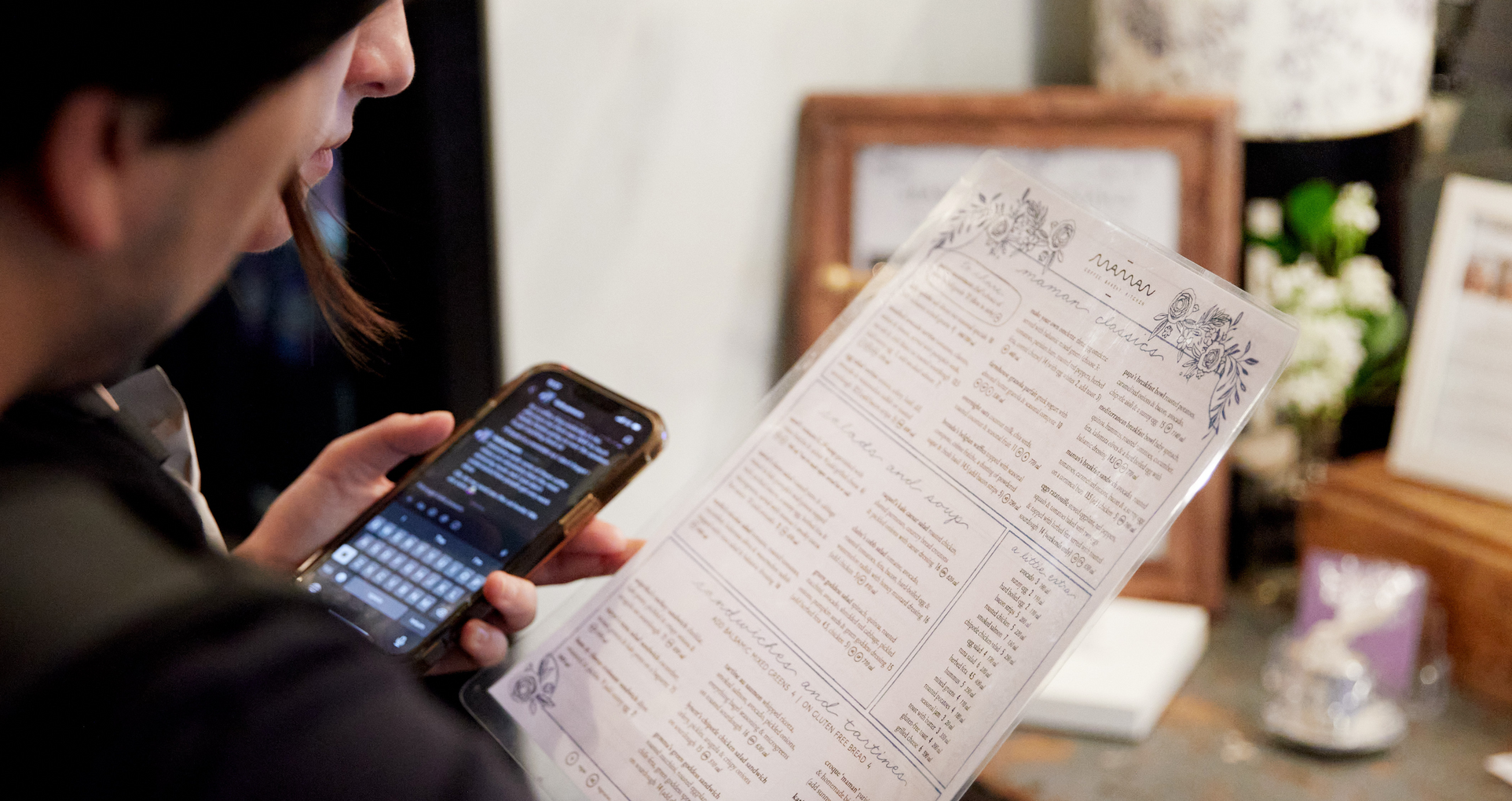
How To Write Menu Descriptions: 7 Essential Tips [+ Examples]
A great menu description should both inform and sell. Learn how to write menu descriptions that delight your restaurant's guests and boost sales.
ผู้เขียน
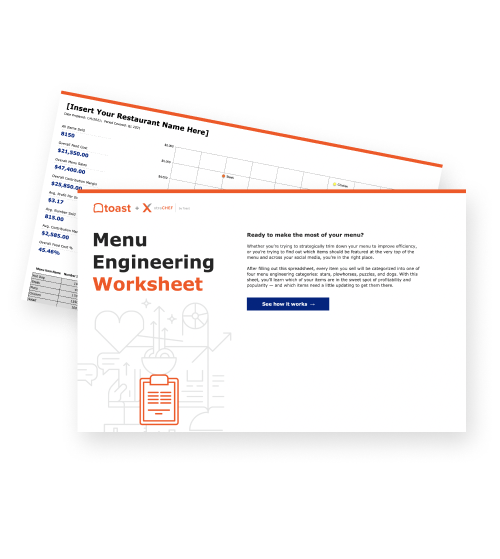
 RESOURCE
 Menu Engineering Worksheet
Use this menu engineering worksheet, complete with intricate menu engineering formulas, to determine areas of strength and weakness in your restaurant's menu.
ดาวน์โหลดฟรีBefore a guest even steps foot in your restaurant, your menu is already doing the talking. According to a US Foods survey, 83% of Americans check the menu ahead of time, and more than half decide what they'll order before they walk through the door. And when they do? 65% say the item description plays a key role in what they choose.
In other words, your menu descriptions aren’t just informative—they’re persuasive. The right words can spark curiosity, elevate perception, and turn a glance into a sale.
Keep reading to learn why menu descriptions aren’t just an afterthought, and how to write one that stirs the senses, reflects your brand, and helps every dish stand out.
Key takeaways
Your menu descriptions influence what guests order—often before they even arrive.
A great menu description balances clarity with creativity to spark interest and drive sales.
Use sensory language and highlight ingredients or prep methods to boost perceived value.
Tailor your tone to match your restaurant’s brand—consistency builds trust and connection.
Keep refining your descriptions over time by testing, tweaking, and adapting to what resonates.
Why do your menu descriptions matter?
Well-written menu descriptions can make the difference between a guest glossing over a dish or feeling compelled to order it. They set expectations, spark curiosity, and influence purchasing decisions in subtle but powerful ways.
Drive sales: A well-crafted description can turn a decent dish into a must-try item. Highlighting key ingredients, preparation techniques, or the story behind the dish adds value and increases perceived quality—making guests more likely to splurge.
Shape the guest experience: Menu descriptions offer a preview of the flavors, textures, and emotions a dish delivers. Descriptive language helps guests imagine the meal before it hits the table, building anticipation and elevating the dining experience.
Reflect your brand: Whether your restaurant is playful and casual or refined and elegant, your menu design should match. Descriptions are a chance to reinforce your concept and voice with every item.
Reduce friction: Clear, informative descriptions help guests feel confident in their choices, especially those with dietary restrictions or unfamiliar with certain ingredients. This can reduce questions for staff and improve table turn times.
 Start optimizing your menu
 Toast Menu Checker
Fresh ideas for your restaurant menu in 3 quick steps.

How to write a good menu description
A great menu description entices, informs, and reinforces your brand all at once. Whether you’re writing from scratch or refreshing an existing menu, keep these simple tips in mind.
1. Keep it concise, but impactful
A great menu description doesn’t need to be long—it just needs to hit the right notes. Aim for one to two sentences per item: enough to inform, intrigue, and tempt without overwhelming your guests. Think of it as the elevator pitch for your dish.
Focus on what makes the item unique, and cut any unnecessary filler. Instead of saying “This dish is made with fresh ingredients that are carefully prepared,” just say what they are: “Fresh basil, hand-stretched mozzarella, and vine-ripened tomatoes.”
Short, sharp language keeps the menu readable and punchy.
2. Use vivid, sensory language
Words have the power to evoke taste, texture, and even emotion. Use sensory details to help guests imagine the experience of eating the dish. Describing a salad as “crisp,” a dessert as “velvety,” or a chicken thigh as “charred to perfection” brings it to life on the page.
While well-chosen adjectives can elevate simple ingredients, moderation is key—focus on specific, evocative words rather than over-the-top flourishes. The goal is to stir the senses, not write poetry.
Martine Montgomery, general manager at The Progress in San Francisco, told Eater: “While we don’t necessarily list all of our ingredients in our dishes, we like to describe how the ingredients come together.”
At their restaurant, the emphasis is on communicating flavor, texture, and the relationships between ingredients. This shows how thoughtful descriptions can help diners connect with a dish beyond just its components.
3. Highlight key ingredients and techniques
Guests want to know what they’re ordering—and why it’s worth it. Call out standout ingredients, especially those that are locally sourced, seasonal, or premium. Details like “wild-caught Atlantic salmon,” “heirloom tomatoes,” or “truffle-infused aioli” can instantly raise the perceived value of a dish.
You can also include preparation methods when they add appeal. Words like “wood-fired,” “slow-braised,” or “house-fermented” hint at craftsmanship and effort, reinforcing quality without having to say it outright.
4. Tell a story (when appropriate)
A quick backstory can turn a standard dish into something memorable. If a recipe is inspired by your chef’s heritage, a local tradition, or a creative twist on a classic, say so. For example: “A nod to the owner’s Sicilian roots, this pasta uses a generations-old family pesto recipe.”
Storytelling works best on signature items or specials—anything you want to spotlight or give extra personality. Just keep it brief, and make sure it fits your overall tone. As food critic John Kessler puts it:
“So many chefs see themselves as writers, and a lot of them are. They’ve got stories to tell, more now than they used to.”
If your team has a meaningful connection to a dish, share it. Guests appreciate that kind of authenticity—it adds depth to the experience and helps them feel connected to your restaurant.
5. Match your brand voice
Your menu is an extension of your restaurant’s personality. A refined French bistro and a punk rock ramen shop shouldn’t sound the same—and neither should their menus. Whether your brand voice is elegant, playful, cheeky, or rustic, your descriptions should reflect it.
For example, a burger might be described as “Dry-aged beef with smoked gouda and caramelized onion on a brioche bun” at an upscale spot, or as “Our messy, melty ode to cheeseburgers—loaded with gouda, grilled onions, and attitude” at a more irreverent concept.
6. Consider dietary clarity
Good descriptions not only sell the dish—they make it easier for guests to order confidently. Flag common dietary categories like vegetarian, vegan, or gluten-free using icons, abbreviations, or brief callouts within the description.
For instance: “Butternut squash risotto with sage brown butter (V, GF).” This quick transparency builds trust and saves staff from having to field repeat questions during service.
Research published in the Journal of Foodservice Business Research found that offering vegetarian menu options had a significant positive effect on customer satisfaction — and that satisfaction, in turn, drove both willingness to pay more and intent to return.
7. Test and tweak
Menu descriptions aren’t set in stone. Track which items perform well and consider experimenting with different wording for underperformers. Sometimes a small tweak—like swapping in a more appetizing adjective or emphasizing a different ingredient—can make a surprising difference.
You can also test seasonal versions of descriptions or use A/B testing if your menu is digital. The goal is to treat your menu like a dynamic tool, not a static list.
Restaurant Menu Templates
Use these menu templates as a starting point for your menu design or to give your menus a refresh.
Examples of good menu descriptions
Great menu descriptions aren’t one-size-fits-all—they reflect your restaurant’s concept, your guest experience, and your voice. Here are a few fictional examples across different types of restaurants to show how description strategies can shift depending on your brand:
Fine dining
Menu item: Seared Scallops
Menu description: Butter-poached dayboat scallops with fennel pollen, smoked leek ash, and a citrus beurre blanc.
Why it works: Elegant, concise, and ingredient-driven. It emphasizes technique and premium components while maintaining restraint and sophistication.
Fast casual
Menu item: Spicy Chicken Sandwich
Menu description: Crispy chicken thigh tossed in our housemade hot honey glaze, stacked with pickles and slaw on a toasted brioche bun.
Why it works: Straightforward, craveable, and sensory. It highlights texture (crispy, toasted), flavor (hot honey, pickles), and key details (housemade).
Family-style comfort food
Menu item: Grandma’s Sunday Lasagna
Menu description: Layers of hand-rolled pasta, slow-simmered beef ragu, creamy ricotta, and melted mozzarella—just like Nonna used to make.
Why it works: Warm and nostalgic. It connects emotionally through storytelling while still calling out standout ingredients.
Trendy fusion spot
Menu item: Korean BBQ Tacos
Menu description: Charred bulgogi beef, kimchi slaw, gochujang aioli, and scallions on a grilled corn tortilla.
Why it works: Modern and punchy. It uses familiar words with a twist, keeping things vibrant and on-brand for a fusion concept.
Plant-based cafe
Menu item: Golden Glow Bowl
Menu description: Roasted turmeric cauliflower, quinoa, massaged kale, avocado, and citrus tahini dressing (V, GF).
Why it works: Health-forward and descriptive. The language emphasizes nutrition, color, and freshness—core values for the audience.
From meh to mouthwatering: Give your menu descriptions a glow-up
Whether you’re highlighting seasonal ingredients, telling a story, or matching your restaurant’s voice, the right menu description can elevate a guest’s experience and influence what ends up on their plate.
As your menu evolves, refining your descriptions should go hand in hand with introducing new items. After all, a well-written description can make even a simple dish feel unforgettable—and that’s what keeps guests coming back!

Subscribe to On the line
Sign up to get industry intel, advice, tools, and honest takes from real people tackling their restaurants' greatest challenges.
เมื่อส่งข้อมูล แสดงว่าคุณตกลงที่จะรับอีเมลการตลาดจาก Toast เราจะจัดการข้อมูลของคุณตาม คำชี้แจงความเป็นส่วนตัว ดูข้อมูลเพิ่มเติมสำหรับผู้อยู่อาศัยในรัฐแคลิฟอร์เนียได้ที่ คลิกที่นี่
FAQ
How long should a menu description be? Aim for 1–2 sentences, or roughly 15–25 words—enough to inform and entice without overwhelming guests.
What words sell food on a menu? Sensory words like "crispy," "slow-roasted," "hand-crafted," and "house-made" boost appeal, as do specific ingredient callouts like "wild-caught" or "locally sourced."
Should menu descriptions include allergen information? Yes, include common dietary labels (V, VG, GF) within descriptions or use icons to help guests with dietary restrictions order confidently.
For additional information and disclosures, check out how Toast's Menu Checker works.
บทความนี้มีประโยชน์สำหรับคุณหรือไม่
ข้อความปฏิเสธความรับผิดชอบ ข้อมูลนี้จัดทำขึ้นเพื่อวัตถุประสงค์ในการให้ข้อมูลทั่วไปเท่านั้น และการเผยแพร่ข้อมูลนี้ไม่ถือเป็นการรับรองใดๆ Toast ไม่รับประกันความถูกต้องหรือความสมบูรณ์ของข้อมูล ข้อความ กราฟิก ลิงก์ หรือรายการอื่นใดที่รวมอยู่ในเนื้อหานี้ Toast ไม่รับประกันว่าคุณจะได้รับผลลัพธ์ที่เฉพาะเจาะจงใดๆ หากคุณปฏิบัติตามคำแนะนำในเอกสารนี้ คุณอาจต้องปรึกษาผู้เชี่ยวชาญ เช่น ทนายความ นักบัญชี หรือที่ปรึกษาทางธุรกิจ เพื่อขอคำแนะนำที่เหมาะสมกับสถานการณ์ของคุณโดยเฉพาะ
 กำลังมาแรง
Subscribe to On the line
Sign up to get industry intel, advice, tools, and honest takes from real people tackling their restaurants' greatest challenges.
เมื่อส่งข้อมูล แสดงว่าคุณตกลงที่จะรับอีเมลการตลาดจาก Toast เราจะจัดการข้อมูลของคุณตาม คำชี้แจงความเป็นส่วนตัว ดูข้อมูลเพิ่มเติมสำหรับผู้อยู่อาศัยในรัฐแคลิฟอร์เนียได้ที่ คลิกที่นี่