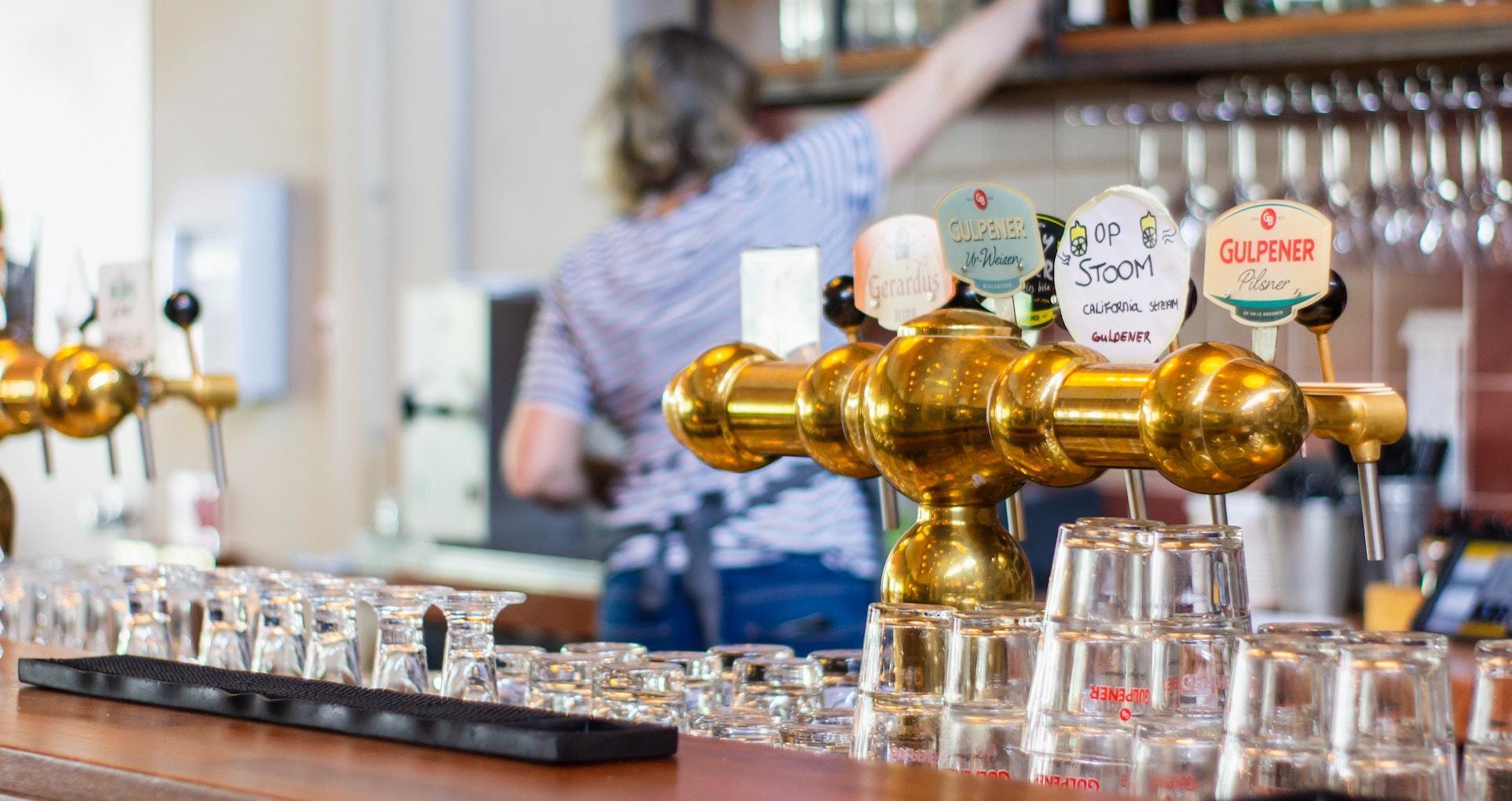
How To Do Brewery Branding (Ideas and Examples)
Learn about brewery branding and how these tools and tactics can help you reach your beer-loving customers.

ผู้เขียน
 RESOURCE
The Ultimate Guide to Restaurant Branding
Use this guide to get tips on how to create a restaurant brand that stands out, attracts customers, and drives repeat visits.
ดาวน์โหลดฟรีThe United States alone has over 8,000 breweries as of 2021. According to the Brewers Association, this includes regional breweries, micropubs, and taprooms — which are often local, intimate businesses. So how can owners attract customers when there are already a plethora of options, all while keeping current customers engaged and coming back again and again?
The answer is by building a strong brewery brand.
Memorable digital marketing is key in 2026. Making sure that your brewery has an accessible and active online brand can be an impactful way to establish an audience of loyal patrons. But restaurant branding includes much more than just creating an eye-catching restaurant logo.
Brewery Equipment Checklist
Opening or upgrading a brewery? Don't miss any essential equipment! Download our free, comprehensive Brewery Equipment Checklist.

How do you brand a brewery?
First off, branding is different from a brand. Branding is the way things sound, feel, and look — think logo, color palette, merchandise, tone of voice, language, and overall “vibe”. A brand includes all of these factors as well as the actual perception of your brewery as a whole.
A brand includes the look and energy of the brewery, as well as how you present your business online.
Ways to Develop a Brewery Brand
Create a strong concept and vision for your brewery.
Put together a mission statement that aligns with your vision for the business.
Determine where you’re positioned in the marketplace and scope out the competition.
Develop a brand voice and tone for your brewery.
Create a fully cohesive visual brand that matches your voice with design, colors, logos, merchandise, and overall aesthetic.
Evolve your brand over time using brand guidelines and an inspirational lookbook.
Your brand serves as a guide in making decisions about your brewery, which will help you to stay on track with the mission, values, and purpose that you set for your business.
With a growing interest in regional and craft beers and an increase in foreign competition in the brewery industry, building brand loyalty is as important as ever. 52% of consumers say they recommend restaurants they’re loyal to to others. Needless to say, loyal customers are a prime way to spread the word about your brewery.
So, how are breweries with strong branding doing it?
Restaurant Marketing Plan
Create a marketing plan that'll drive repeat business with this customizable marketing playbook template and interactive calendar.
5 Steps to Building a Brewery Brand
Develop a mission statement for your brewery.
The mission statement serves as the foundation for your culture, and how people build a relationship with your brewery brand. It should showcase your brewery’s unique offerings and perspective within the industry and community. And it doesn’t need to be a mile long essay — just a brief sentence or two to show potential customers what you’re all about.
Think about the customers who come into your brewery as you draft your statement. How’s your brewery serving them and what about it is a major draw for them? Are there unique aspects to your beer that stand out, like a generations-old family recipe? Are you an inclusive brewery leader seeking to create community?
Each brewery brand starts out with a story. To help get to that story, ask yourself the following questions.
Who are you and what are you doing?
Why are you doing it?
Where are you doing it and why?
What do you want to accomplish?
How will you get there?
Position your brand in the market.
Next is your brand positioning — how your brand differs from your competitors. It determines how your brewery is going to stay in your customers’ minds long after they’ve left. To figure out your brewery’s position in the market, use “the four Ps”.
Price — your brewery pricing strategy is a perfect starting point to help you position your brand from the get-go. It’ll also allow you to accurately scope out who your real competition is.
Place — the physical location of your brewery.
Product — the beer and drinks you have on offer, your brewery theme (if there is one), your menu design, and if you’ll serve any kind of food.
Promotion — how you’ll market your brewery to attract new customers.
Determining these strategic elements will allow you to focus on your brewery’s strengths, weaknesses, competition, and opportunities. You can speak to your team for insight but also reach out to people in your local community. As potential customers, they can offer valuable feedback on your brand, since they’ll be the ones who are choosing your brewery over others.
Find your brand voice.
Your brand voice includes how you communicate to the public, and guides public perception of your establishment. This is a vital component to what sets your brewery apart from others. It showcases your brand’s personality through how you talk, act, and interact with customers.
To develop your brand voice, first describe your brand as if it were a person. Use three words (like Fun, Luxurious, Brilliant) and then expand on each of those until you have a decent understanding of the personality of your brewery brand. For example, if you describe your brewery as “warm,” what makes it warm? Is it the beers you have on tap? Is it the decor of the main brewery space?
Once you know the kind of personality that your brand has, you can easily develop it further and figure out how you want to use it to talk to the public.
Develop a look and feel for your brand.
Keep in mind that your brewery design is going to be the first thing to catch a customer’s attention, long before they read anything about your establishment.
Your brand look and aesthetic go beyond logo and online social media. It should be represented in every facet of your brewery — including your signage, menus, decor, and bar area. Create a mood board of colors, brewery designs, logos, and other aesthetic elements. Then, combine the mood board with the personality guidelines you’ve put together. You can use this as inspiration for the look of your brewery brand and bar merchandise.
Create a brand book for your brewery.
Consistency is everything when developing a new brand. Every interaction your customers have with your brewery is an opportunity to strengthen and emphasize your brand with them. This is called “building brand awareness” in marketing.
An easy way to stay “on brand” at all times is to create a brand book, also known as brewery branding guidelines. This is a collection of rules that explain your brand elements like voice, colors, and tone. It’ll ensure that your whole team is on the same page.
Some elements to include in your brand book are:
Photos and designs to use for promotional materials.
Guidelines for talking about your brewery to others, including the media.
Fonts, typefaces, and colors that can be used for all of your designs.
Examples of Successful Brewery Branding Ideas
Harpoon Brewery
Harpoon Brewery has embraced their history as a pioneer in the Massachusetts brewing space. “Love Beer, Love Life” is their motto and mission statement; one that fits with their overall vibe and passion for great beer. And as an entirely employee-owned brewery, they’re all about community.
They host community events like Harpoonfest that are staples in the Boston area, and collaborate with brands on special brews, like the Harpoon x Dunkin’ series. This helps extend their brand awareness and reaches new audiences of beer fans.
Hudson Valley Brewery
Hudson Valley Brewery's branding is cohesive and refined, using storytelling to highlight the different craft beers they make.
Lakewood Brewing Company
Lakewood Brewing Company’s motto is “Perfect for Whichever Neighborhood You Call Home,” and they regularly hold small batch beer-focused events, which they advertise heavily on social media.
DSSOLVR
DSSOLVR really makes the most of Instagram’s grid layout. As visitors scroll down their account, they’re met with a brightly colored continuous collage that's added to over time to promote beer, events, and the brewery itself. DSSOLVR has really curated their brand in a memorable fashion, in order to set themselves apart.
Fiden’s Brewing Company
The way a brewery brand looks and acts should be consistent and Fiden’s Brewing Company is an example of a consistent brand across the board. Fiden’s brand presents a colorful personality through their social media. Their imagery is bold but minimalist and they provide useful information to their customers about the availability of different drinks they have on offer.
Your brewery branding is not static.
Once you start to build a brewery brand, it’s important that you remember it’s going to be evolving all the time. Brewery branding is a long term business element that’s going to shift alongside your customers. It’s something you’ll need to keep working at over time. Just as the recipes for your beers and ales might change as you experiment, so will your brand. You’ll discover what works at drawing new customers in and what makes them interested in returning.
Your entire brewery brand — your voice, look, consistency and the delicious products you’re serving up — is what creates a memorable brewery and experience that pulls in customers who want to keep coming back. To learn more about building a brewery brand that excites, download our free Restaurant Branding Guide today.
Related Brewery Resources
The Ultimate Guide to Restaurant Branding
Use this guide to get tips on how to create a restaurant brand that stands out, attracts customers, and drives repeat visits.
บทความนี้มีประโยชน์สำหรับคุณหรือไม่
ข้อความปฏิเสธความรับผิดชอบ ข้อมูลนี้จัดทำขึ้นเพื่อวัตถุประสงค์ในการให้ข้อมูลทั่วไปเท่านั้น และการเผยแพร่ข้อมูลนี้ไม่ถือเป็นการรับรองใดๆ Toast ไม่รับประกันความถูกต้องหรือความสมบูรณ์ของข้อมูล ข้อความ กราฟิก ลิงก์ หรือรายการอื่นใดที่รวมอยู่ในเนื้อหานี้ Toast ไม่รับประกันว่าคุณจะได้รับผลลัพธ์ที่เฉพาะเจาะจงใดๆ หากคุณปฏิบัติตามคำแนะนำในเอกสารนี้ คุณอาจต้องปรึกษาผู้เชี่ยวชาญ เช่น ทนายความ นักบัญชี หรือที่ปรึกษาทางธุรกิจ เพื่อขอคำแนะนำที่เหมาะสมกับสถานการณ์ของคุณโดยเฉพาะ
 กำลังมาแรง


Subscribe to On the line
Sign up to get industry intel, advice, tools, and honest takes from real people tackling their restaurants' greatest challenges.
เมื่อส่งข้อมูล แสดงว่าคุณตกลงที่จะรับอีเมลการตลาดจาก Toast เราจะจัดการข้อมูลของคุณตาม คำชี้แจงความเป็นส่วนตัว ดูข้อมูลเพิ่มเติมสำหรับผู้อยู่อาศัยในรัฐแคลิฟอร์เนียได้ที่ คลิกที่นี่