
How to Know When to Comp a Meal
Comping is by no means always the answer to solving a sticky situation with a customer – you’ll watch your profits plummet if you comp too frequently – but when used sparingly and mindfully, it can make all the difference.

ผู้เขียน
 RESOURCE
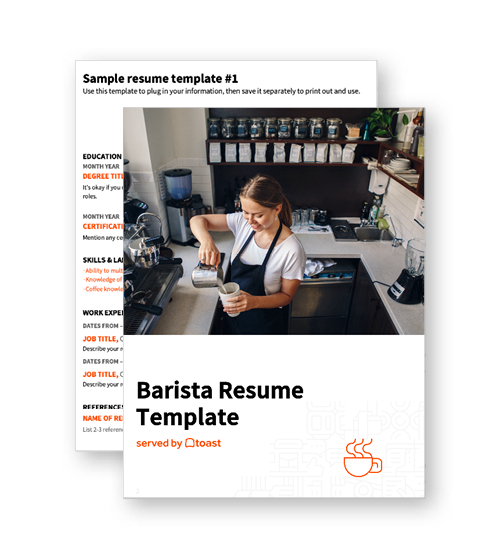
Barista Resume Template
Use this easy-to-use Microsoft Word template to showcase your experience and secure your next barista role!
ดาวน์โหลดฟรีHuman error is part of the restaurant business. You can avoid some errors by thoroughly and frequently training your staff and by developing best-in-class processes and systems, but some mistakes are going to happen anyway. Say, for example, someone called in sick and you’re short-staffed so service is slow, or the kitchen ran out of a crucial ingredient, or a server spilled wine all over a patron, or a cook got some tickets mixed up, or a food runner dropped a tray full of food. How do you make it up to your guests and increase the chances of them coming back to try again?
It’s not always easy to know what to do when something goes wrong in your restaurant because customers don’t all react the same way to mistakes or missteps, and different customers will seek different types of apologies. Every situation and every customer is unique, which is why it’s so important for your front of house staff to master the art of anticipating the needs for each guest — but the number one thing to always do is make sure an upset customer feels heard.
The most common way restaurateurs use to try to turn around a bad customer experience is comping.
We’ll cover what comping is, why it’s usually done, who should be able to do it, how to know when to do it, and then we’ll cover scenarios where you should, and shouldn’t, comp a meal or an item. We’ll also cover other ways to show a guest you want to make things right.
What is a Comped Meal?
Comping a meal is an action, taken by restaurant owners, operators, managers, and sometimes servers, to pay for a guest’s meal usually as a gesture of hospitality toward a guest; comping is oftentimes – but not always – a result of something going wrong in the dining experience. Basically, a comped meal is a free meal at a restaurant. The word “comped” or “comping” comes from the word “complimentary.” Single food items or drinks can also be comped.
Comping is by no means always the answer to solving a sticky situation with a customer — you’ll watch your profits plummet if you comp too frequently — but when used sparingly and mindfully, it can make all the difference.
Barista Resume Template
Use this easy-to-use Microsoft Word template to showcase your experience and secure your next barista role!

Why Comp?
The most common reason to comp is very simple: to create returning customers out of unsatisfied ones. However, comping is not always done in response to a negative dining experience. Restaurant managers comp meals for all sorts of reasons, whether it be to delight a loyal customer or maybe even to make friends with fellow restaurant professionals.
If something goes awry and a guest feels they will have wasted money at your restaurant, they will not likely return, and worse, they will probably spread the word to their friends or in an online review. Did you know that 65% of bad online reviews are posted within 24 hours of a poor dining experience taking place, and 85% of consumers trust online reviews as much as one from a friend or family member?
If a manager decides to not charge the guests for a problematic food item or for their whole bill (in more extreme cases), they will, at minimum, no longer feel their money was wasted on a bad experience – and in the best cases, they’ll feel heard and understood and be more likely to return in the future.
A great way to avoid having to comp at all is to make sure a server or manager is actively checking in throughout the meal asking if everything is to the customer’s liking. That way, if there’s something that needs to be fixed, it can be addressed in the moment. Getting guest feedback at various times throughout the guest’s dining experience allows staff and management to nip issues in the bud. Did they not like the wine? Bring a new glass. Did a hot appetizer arrive cold? Bring over a new one. If a guest’s concern is addressed quickly, you are able to salvage their whole impression of your restaurant.
Another big reason to comp is to make happy, very loyal customers even happier and more loyal. Every customer that walks into your restaurant has a customer lifetime value. If one or two well-timed comped meals – like to honor a wedding anniversary, a job promotion, or a birthday – will keep them coming back week after week, their customer lifetime value will skyrocket, and you’ll only have lost the cost of two meals – which is well offset by the customer coming back dozens of times. They’ll likely become brand advocates for you, too, raving about your restaurants to their friends.
Who Should Comp a Meal?
Typically, comping privileges are only given to managers, but some restaurants find that their servers are empowered by the ability to comp when necessary. This shows that managers trust their staff to wield this power properly.
Build comping into your training, and make sure all staff know your restaurant’s policy about free or discounted food for family and friends.
At Mei Mei in Boston, every server is given a $40 “surprise and delight” fund every shift, and they’re encouraged to spend it — on a free dessert for a regular, to comp a dish that didn’t come out perfectly, or even just to give a snack to a delivery driver who’s had a bit of a day.
If you prefer to keep comping responsibility to managers only, set it up in your restaurant POS so a server has to get manager approval before punching in that something is going to be comped.

Subscribe to On the line
Sign up to get industry intel, advice, tools, and honest takes from real people tackling their restaurants' greatest challenges.
เมื่อส่งข้อมูล แสดงว่าคุณตกลงที่จะรับอีเมลการตลาดจาก Toast เราจะจัดการข้อมูลของคุณตาม คำชี้แจงความเป็นส่วนตัว ดูข้อมูลเพิ่มเติมสำหรับผู้อยู่อาศัยในรัฐแคลิฟอร์เนียได้ที่ คลิกที่นี่
How to Know When to Comp a Meal
When it comes down to it, being able to gauge the level of a guest’s displeasure is the number-one skill needed to know when to comp a meal. As we mentioned, every situation is different, but if a guest is visibly disappointed, or isn’t eating their food, or is showing unhappiness in any other way, a strategic comp can not only make them come back for another try, but it can save their server’s tip.
Make sure to communicate to your FOH staff that comping is reserved for guests who are upset and show their displeasure in an appropriate, respectful way: any guest who yells at a staff member, or acts in an abusive or violent way, is not a guest that you want back in your restaurant. In cases where a guest behaves badly, try to defuse the situation and escort them from the restaurant — don’t bother placating them with a comped item.
When You Should Comp a Meal
Take a look at the following scenarios that definitely warrant a comped meal or item.
1. Huge Delays
If there’s a massive wait time for food – we’re talking over an hour from order taken to plates on table – due to very extenuating circumstances.
2. Anything Gross
If there’s a bug in the food a rogue hair from the kitchen, or something else of that nature, in the food. You’re obviously already doing everything you can to prevent any kitchen grossness, but if it happens, replace the item and definitely comp the whole meal.
3. Major Kitchen Errors
If a dish was prepared completely incorrectly, have the cook remake the dish and comp that item. If a dish was prepared in a way that’s unsafe — like undercooked chicken, for example — consider comping the whole meal.
4. Rude Service
If there was a serious problem with a server, it might be worth it to comp a meal. Ideally, you won’t have anyone on staff that would be rude to a customer, but again, it happens. Comp the meal or the drinks, and come up with an improvement plan for the server.
5. For Celebrations
People love a free slice of cake for a birthday or an anniversary. It’s a nice gesture that doesn’t cost you much, and the whole table will remember your restaurant as somewhere to come celebrate — which bodes very well for your bottom line, because guests spend more when they’re celebrating, according to a research project by OpenTable.
6. For Your Best Regulars and Brand Advocates
As mentioned above, comping the occasional meal, food item, or drink for a loyal guest or ‘regular’ can be a great way to cement your place in their minds as a restaurant that cares about them as people, not just customers.
When Not to Comp a Meal
The following five scenarios may seem like moments when comping is the answer, but we’ll explain why that’s not the case.
1. Big Names
Don’t comp meals for celebrity guests. If you feel that you must give some kind of freebie to a high-profile guest to increase the likelihood they’ll return, consider giving a drink or an extra appetizer or dessert – don’t comp their whole bill. It’s probably a larger than average, and they can most likely afford to pay for it. If your restaurant runs on a gratuity-based model, comping a large check could also jeopardize the server’s paycheck.
2. Picky or Unsatisfied Guests
If a guest ordered wrong and didn’t like a dish (even though it was prepared correctly), or they just don’t like anything you bring them, don’t comp. It’s impossible to wow every single guest, and if you start giving away food and drinks to people who just didn’t love a dish, your profits will take a big hit.
3. Small Complaints
If something in the restaurant isn't to a guest’s liking – like they found it too cold or hot, or if the wait time was a little longer than they expected – you don’t have to comp a meal. See below for other ways to turn a complaining guest into an advocate without giving away product.
4. If Someone Asks (Without a Good Reason)
As much as it’s an unfortunate reality, some people will try to take advantage of your good service. If someone asks for free food or drinks because of a small complaint, consider strongly whether or not you want to set the precedent by conceding.
5. For Critics
If you recognize a critic in your restaurant, do not comp their meal — it can be seen as a bribe, and in very poor taste. Obviously you’ll want to take extra care preparing their food and ensuring your best server is at their table, but don’t send them free food. Besides, their employer will be paying for the meal, anyway, so it’s not a personal favor.
Other Ways to Apologize
If a guest is unhappy with something but you don’t feel that a comp is appropriate, there are other ways to show that you’re sorry things weren’t perfect for their visit.
Future Discounts & Gift Cards
Comping a meal doesn’t guarantee that a guest will return, but by giving a future discount, they are way more incentivized to try again, says Mobile Cuisine.
A Follow-Up Email with a Solution
If you have the guest’s contact information, collected through a digital receipt, you can follow up with them when you’ve corrected a problem. Say they thought a dish was underseasoned: Sending them an email saying you’ve reworked the recipe and hope they’ll come back and try it again is a personal way of saying thanks for the feedback and showing that you were listening to their concerns. Plus, it might get them to come back.
Respond to Negative Reviews and Invite Them Back
When responding to criticism, always thank the guest for the feedback, apologize sincerely, and open the door to further discussion – and if you throw in a discount for their next visit, all the better.
Keep Track of All Comps
The most important lesson to be learned about comping is to always keep track of a comped meal, drink, or food item: make sure you’re not scrambling to figure out where those $200 went last Thursday night.
If your POS system tracks all these things for you, you can take a look at all your comps at the end of the month and see where your business needs to improve.
The Power of a Comping Policy
All in all, a well-placed comp can turn a disappointed guest into a regular customer. If you train your staff to understand the nuances of your restaurant’s comping policy, you can empower them to comp meals or items as they see fit, so it doesn’t only fall on you.
Related Restaurant Operation Resources
บทความนี้มีประโยชน์สำหรับคุณหรือไม่
ข้อความปฏิเสธความรับผิดชอบ ข้อมูลนี้จัดทำขึ้นเพื่อวัตถุประสงค์ในการให้ข้อมูลทั่วไปเท่านั้น และการเผยแพร่ข้อมูลนี้ไม่ถือเป็นการรับรองใดๆ Toast ไม่รับประกันความถูกต้องหรือความสมบูรณ์ของข้อมูล ข้อความ กราฟิก ลิงก์ หรือรายการอื่นใดที่รวมอยู่ในเนื้อหานี้ Toast ไม่รับประกันว่าคุณจะได้รับผลลัพธ์ที่เฉพาะเจาะจงใดๆ หากคุณปฏิบัติตามคำแนะนำในเอกสารนี้ คุณอาจต้องปรึกษาผู้เชี่ยวชาญ เช่น ทนายความ นักบัญชี หรือที่ปรึกษาทางธุรกิจ เพื่อขอคำแนะนำที่เหมาะสมกับสถานการณ์ของคุณโดยเฉพาะ
 กำลังมาแรง


Subscribe to On the line
Sign up to get industry intel, advice, tools, and honest takes from real people tackling their restaurants' greatest challenges.
เมื่อส่งข้อมูล แสดงว่าคุณตกลงที่จะรับอีเมลการตลาดจาก Toast เราจะจัดการข้อมูลของคุณตาม คำชี้แจงความเป็นส่วนตัว ดูข้อมูลเพิ่มเติมสำหรับผู้อยู่อาศัยในรัฐแคลิฟอร์เนียได้ที่ คลิกที่นี่