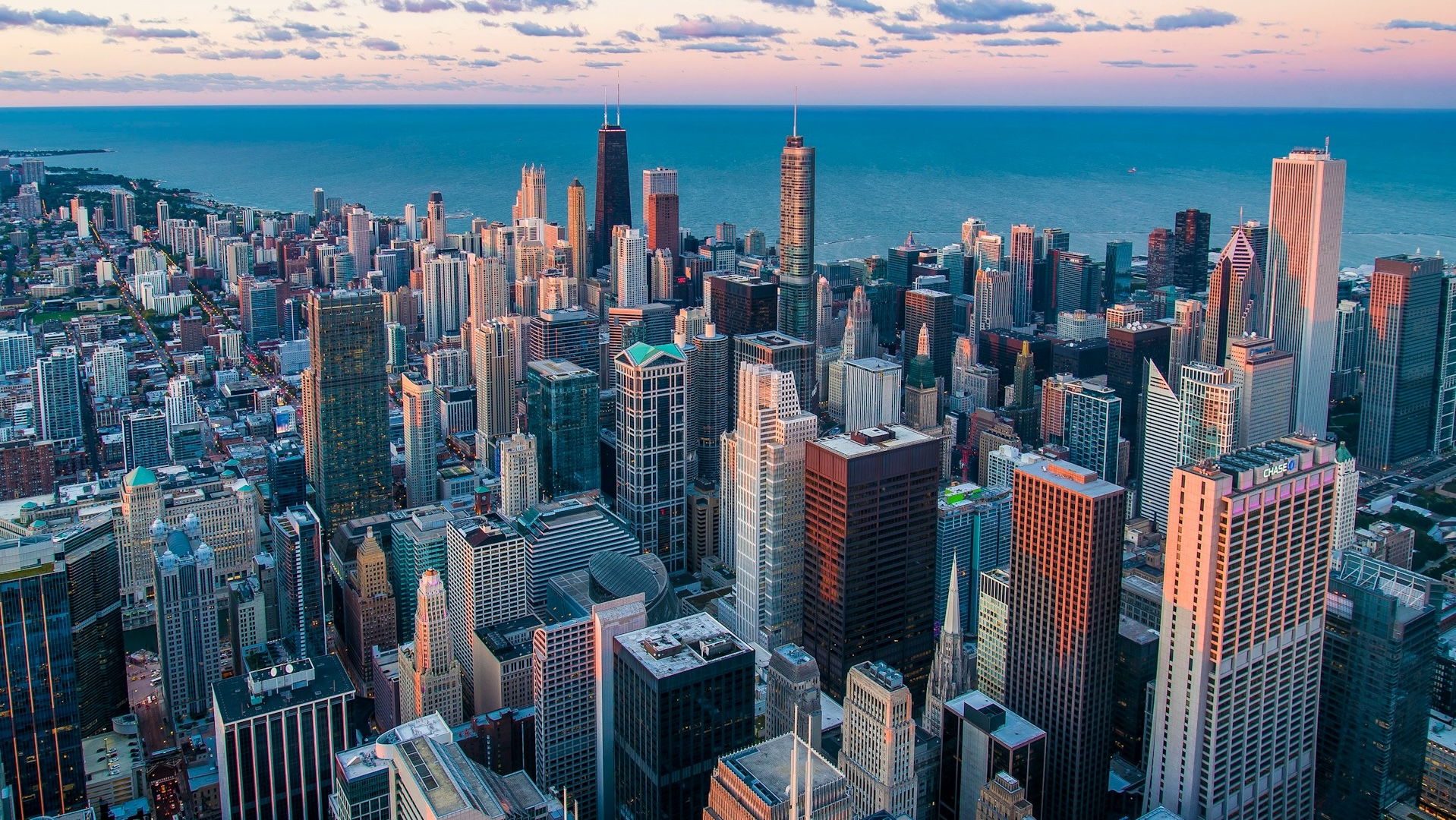
Black-Owned Restaurants in Chicago: 10 Iconic Windy City Eats
From soul food to deep dish, Black-owned restaurants in Chicago celebrate culture and community. Explore 10 iconic spots and what makes them shine.

ผู้เขียน
 RESOURCE
Guide to Restaurant Social Media Marketing
Learn how to optimize your social media presence to showcase your brand, tell your story, attract new customers, and engage with your audience.
ดาวน์โหลดฟรีChicago’s food scene wouldn’t be the same without Black-owned restaurants. From jazz-era supper clubs to today’s chef-driven hotspots, these kitchens define what it means to eat in the Windy City.
They don’t just serve meals—they build community, preserve culture, and keep dollars circulating locally. Let’s explore ten of the most iconic Black-owned restaurants, and why each one stands out.
Key takeaways
Black-owned restaurants are pillars of Chicago’s culture, ranging from soul food staples and bakeries to nationally recognized fine-dining concepts.
Many serve as gathering spaces that preserve heritage while creating new opportunities for local entrepreneurs.
Supporting them fuels neighborhood economies and helps keep cultural traditions alive.
Dining in, leaving reviews, catering events, and attending food festivals are simple ways to show support.
Hire and Retain Great Restaurant Employees
Toast and Homebase teamed up to share tips on how to effectively hire and retain employees so you can have a happier team and reduce turnover.

Why Black-owned restaurants are essential to Chicago culture
Black-owned restaurants in Chicago reflect the city’s identity, resilience, and flavor. From soul food kitchens that fueled the Great Migration community in Bronzeville to today’s chef-driven concepts earning national recognition, these restaurants embody both history and innovation.
Deep roots in culinary history: Chicago’s Black-owned restaurants trace back to the jazz-era supper clubs and barbecue joints of the South Side, where food and music intertwined as cultural cornerstones. Dishes like rib tips, fried chicken, and caramel cake became synonymous with the city’s dining identity.
Economic and cultural impact: Supporting these restaurants strengthens local economies by keeping dollars circulating in the community. They also serve as gathering spaces where heritage and hospitality are celebrated.
Today’s new wave: A new generation of Black chefs and entrepreneurs is reimagining what Black cuisine can be—blending Southern traditions with fine dining techniques, global flavors, and modern design.
10 iconic Black-owned restaurants in Chicago
Chicago’s Black-owned restaurants span soul food institutions, neighborhood bakeries, and chef-driven kitchens that have earned national acclaim. While it’s impossible to capture the full scope of the city’s Black culinary excellence, this list highlights ten of the most iconic spots.
1. Lem’s Bar-B-Q
A South Side institution since 1954, Lem’s is legendary for its rib tips and hot links served straight from the aquarium-style smoker. The no-frills spot is a pilgrimage site for BBQ lovers and the city’s oldest Black-owned barbecue restaurant.
Why it's iconic: Lem’s helped define Chicago-style barbecue and remains a cornerstone of community dining on the South Side.
2. Chicago’s Home of Chicken & Waffles
Located in Bronzeville, this restaurant blends classic soul food with a Southern staple—fried chicken paired with fluffy waffles. With its welcoming vibe and hearty portions, it’s become a go-to spot for both locals and visitors. They’ve even expanded into new cities, including Nashville, TN.
Why it's iconic: It connects the city’s modern dining scene with its roots in soul food and comfort cuisine, keeping a key cultural tradition alive.
3. Pearl’s Place
Located in Bronzeville, Pearl’s Place serves up classic low country cuisine with deep roots in African-American culinary history. Dishes like shrimp and grits with bacon and sautéed green onions or traditional chitterlings feel like they’re lifted from the pages of an Edna Lewis cookbook.
Why it's iconic: Pearl’s Place honors the legacy of chefs like Edna Lewis while providing a sit-down soul food experience in a neighborhood central to Black Chicago’s cultural history.
4. Virtue Restaurant & Bar
In Hyde Park, Chef Erick Williams created Virtue, a restaurant that reimagines Southern cuisine with refined technique and cultural pride. Dishes like blackened catfish and shrimp and grits showcase creativity while honoring tradition.
Beyond the food, Williams uses Virtue as a platform for solidarity and activism, showing support for fellow Black chef Edouardo Jordan of Seattle’s JuneBaby by outfitting his staff in symbolic T-shirts.
Why it's iconic: Virtue represents the new wave of Black-owned restaurants redefining soul food with elegance while using its platform to address racial inequality and mentor the next generation of chefs.
5. Brown Sugar Bakery
Founded by Stephanie Hart in 2002, Brown Sugar Bakery is a South Side treasure best known for its decadent caramel cake. What started as Hart’s quest to recreate her grandmother’s recipe has grown into a nationally recognized bakery. Hart also made history by opening her own chocolate factory—making her the only Black woman chocolatier manufacturer in America.
Why it's iconic: Brown Sugar Bakery embodies the power of Black women entrepreneurs in Chicago’s food scene. Hart’s success honors family traditions while breaking new ground in manufacturing, inspiring the next generation to dream big.
6. BJ’s Market & Bakery
For more than 30 years, BJ’s Market & Bakery has been a South Side staple, serving hearty comfort food like fried catfish, cornbread, and peach cobbler. In 2024, BJ’s became part of a historic initiative led by the Greater Chicago Food Depository, helping feed thousands of new asylum-seekers while also fueling economic growth for minority-owned businesses.
Why it's iconic: BJ’s shows how Black-owned restaurants are not only cultural anchors but also drivers of community resilience—supporting both longtime neighbors and Chicago’s newest arrivals.
7. Josephine’s Cooking (formerly Captain Hard Times)
For nearly four decades, Josephine Wade—affectionately known as Mother Wade—has been serving soul food classics from her Chatham restaurant. Formerly called Captain’s Hard Times, Josephine’s menu reflects Wade’s Arkansas roots, with slow-cooked dishes like short ribs, fried catfish, liver and onions, and gumbo that Aretha Franklin declared was the best in the world.
Beyond the food, Josephine’s has hosted fundraisers, trained neighborhood youth, and even played a role in Chicago’s civil rights and political history. The restaurant’s walls tell the story of Black achievement, lined with photos of artists, activists, and politicians who’ve passed through its doors.
Why it's iconic: Josephine’s proves that soul food is more than comfort—it’s heritage, empowerment, and history on a plate.
Recipe Card Template
Train your team with this recipe card template, a customizable Excel sheet that outlines recipe requirements for chefs and back of house staff.
8. Batter & Berries
Since opening in 2012, Batter & Berries in Lincoln Park has become one of Chicago’s most beloved breakfast spots. Founded by Tanya and Craig Richardson, the restaurant is known for its world-famous French Toast Flight.
Their menu also shines with cheese-crusted hashbrowns, maple-infused butter, and hearty sausages. Beyond the food, Batter & Berries is built on gratitude, hospitality, and supporting local businesses.
Why it's iconic: Batter & Berries isn’t just a brunch destination—it’s a model for how Black-owned restaurants can thrive by blending culinary creativity with a culture of positivity and community building.
9. Soulé Chicago
Soulé, in West Town, puts a boutique-style spin on soul food with a Creole flair. Chef-owner Bridgette Flagg’s menu highlights Southern staples like shrimp and grits, New Orleans-style barbecue shrimp, and the restaurant’s best-seller: fried catfish.
What began with Flagg selling plates out of her childhood home has grown into a Bib Gourmand–recognized spot in the MICHELIN Guide. Beyond the food, Flagg mentors and employs young men—including those formerly incarcerated—teaching them to channel their experiences into cooking and giving them a second chance.
Why it's iconic: Soulé isn’t just about Creole-infused soul food—it’s about resilience, opportunity, and the power of food to heal and bring people together.
10. Lynn’s Chicago Pizza
In Woodlawn, Lynn’s Chicago Pizza co-owners Lynn Humphreys and Chef Brandon Bruner turned their love of homemade deep dish into a business, first selling virtually before opening a brick-and-mortar in 2024. With more than 15 years of culinary experience, Bruner reimagines Chicago-style deep dish with a lighter, airy crust.
The couple has also transformed the space into a gathering spot for the neighborhood, hosting open mics, karaoke, and game nights to give Woodlawn residents a place to connect.
Why it's iconic: Lynn’s Chicago Pizza isn’t just about great deep dish—it’s about creating joy, community, and opportunity in an area that’s long been overlooked by Chicago’s dining scene.
How to support black-owned restaurants in Chicago
Supporting Black-owned restaurants is essential for sustaining the cultural and economic heartbeat of Chicago. Here are some simple but impactful ways to make a difference:
Dine in and spread the word: Enjoy a meal at your favorite spot and share your experience on social media. Photos, tags, and recommendations help introduce these restaurants to new audiences.
Leave positive reviews: A thoughtful review on Google, Yelp, or other platforms boosts visibility and helps small businesses attract more customers.
Cater your next event: From family gatherings to corporate meetings, ordering catering from a Black-owned restaurant brings soul to the table while supporting local entrepreneurs.
Explore food festivals: Events like Taste of Black Chicago shine a spotlight on a wide range of restaurants, bakers, and caterers. Attending these festivals is a great way to discover new favorites and show support directly.
Explore a taste of Chi-Town history
Chicago’s Black-owned restaurants are living institutions of history, culture, and community. From the smoky rib tips at Lem’s to the caramel cake at Brown Sugar Bakery, these establishments tell stories of entrepreneurship and perseverance.
Supporting these restaurants means investing in Chicago’s future while honoring its past. Whether through dining in, leaving a review, or attending a festival, every action helps ensure these businesses thrive for generations to come.
FAQ
What are some must-try Black-owned restaurants in Chicago for first-time visitors?
It depends on what you’re craving—Lem’s Bar-B-Q is legendary for rib tips, Pearl’s Place offers low country classics, and Virtue brings fine dining flair to Southern food.
When is Chicago Black Restaurant Week?
Chicago Black Restaurant Week usually takes place every February during Black History Month, with dozens of restaurants offering specials.
Are reservations required at most Black-owned fine dining restaurants in Chicago?
It depends on the restaurant. Popular destinations like Virtue and Soulé book up quickly, so making a reservation is the safest bet.
What types of cuisine can I find at Chicago's Black-owned restaurants?
It depends on the restaurant’s concept. Expect anything and everything, from soul food and barbecue to fine dining, bakeries, brunch cafés, and pizza.
How can I support Black-owned restaurants beyond dining there?
Leave positive reviews, order catering, share your experience on social media, and attend events like Taste of Black Chicago.

บทความนี้มีประโยชน์สำหรับคุณหรือไม่
ข้อความปฏิเสธความรับผิดชอบ ข้อมูลนี้จัดทำขึ้นเพื่อวัตถุประสงค์ในการให้ข้อมูลทั่วไปเท่านั้น และการเผยแพร่ข้อมูลนี้ไม่ถือเป็นการรับรองใดๆ Toast ไม่รับประกันความถูกต้องหรือความสมบูรณ์ของข้อมูล ข้อความ กราฟิก ลิงก์ หรือรายการอื่นใดที่รวมอยู่ในเนื้อหานี้ Toast ไม่รับประกันว่าคุณจะได้รับผลลัพธ์ที่เฉพาะเจาะจงใดๆ หากคุณปฏิบัติตามคำแนะนำในเอกสารนี้ คุณอาจต้องปรึกษาผู้เชี่ยวชาญ เช่น ทนายความ นักบัญชี หรือที่ปรึกษาทางธุรกิจ เพื่อขอคำแนะนำที่เหมาะสมกับสถานการณ์ของคุณโดยเฉพาะ
 กำลังมาแรง
Subscribe to On the line
Sign up to get industry intel, advice, tools, and honest takes from real people tackling their restaurants' greatest challenges.
เมื่อส่งข้อมูล แสดงว่าคุณตกลงที่จะรับอีเมลการตลาดจาก Toast เราจะจัดการข้อมูลของคุณตาม คำชี้แจงความเป็นส่วนตัว ดูข้อมูลเพิ่มเติมสำหรับผู้อยู่อาศัยในรัฐแคลิฟอร์เนียได้ที่ คลิกที่นี่